- Company Articles
- Industry articles
- Industry standards
- Duplex Aluminum Pipe Joint in Medical Industry: Compliance & Safety Standards

Duplex Aluminum Pipe Joint in Medical Industry: Compliance & Safety Standards
Related Product
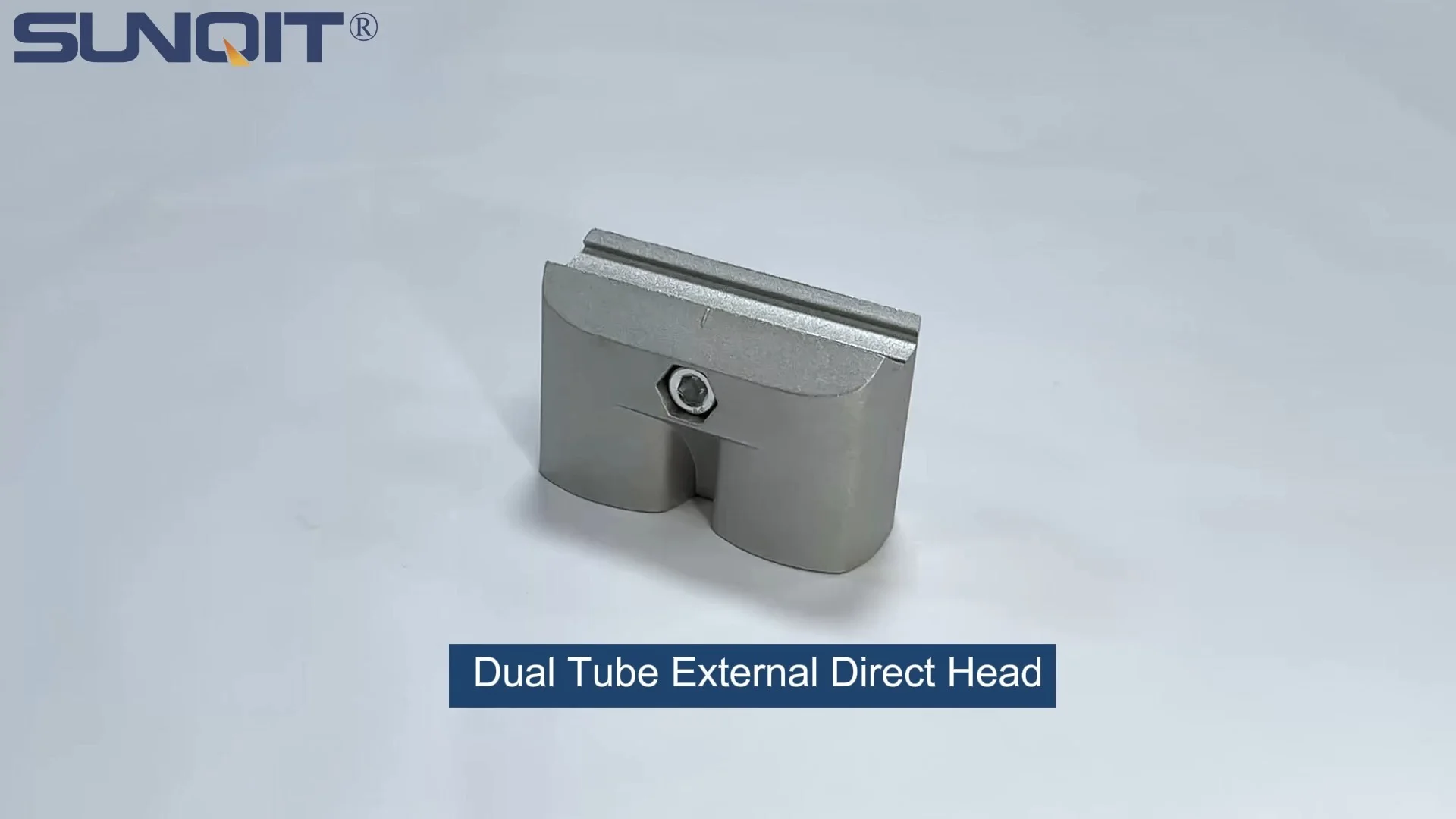
Duplex Aluminum Pipe Joint
Duplex Aluminum pipe joint used for one pcs 28pcs aluminum pipe and one pcs of 28mm duplex pipe connection in straight angle.
In the medical industry, where the margin for error is zero and patient safety is paramount, every component of the manufacturing process matters—including the very infrastructure that supports production. From the workbenches where surgeons' tools are assembled to the ESD workstations that protect delicate electronic components of pacemakers, the materials and systems used must not only enhance efficiency but also meet the most stringent compliance and safety standards. Enter duplex aluminum pipe joints: a quiet yet revolutionary solution that's redefining how medical facilities approach lean manufacturing, compliance, and long-term reliability. In this article, we'll explore why these unassuming components are becoming the backbone of modern medical manufacturing, how they align with industry regulations, and the tangible benefits they bring to workspaces that demand nothing less than perfection.
The Backbone of Medical Manufacturing: Why Material Choice Matters
Medical device manufacturing is a high-stakes field. A single contaminated component or a static discharge from a poorly designed workstation can compromise a life-saving device, leading to recalls, patient harm, or even legal repercussions. That's why every material used in the production environment—from the flooring to the workbenches to the connectors that hold assembly lines together—must be rigorously vetted. Traditional materials like steel or plastic, while once industry standards, often fall short in one critical area: balancing durability, flexibility, and compliance.
Steel, for example, is strong but heavy, making it difficult to reconfigure assembly lines as production needs change—a key tenet of lean manufacturing. It's also prone to corrosion if not properly treated, which is a red flag in environments where cleanliness is non-negotiable. Plastic, on the other hand, may be lightweight but lacks the structural integrity needed to support heavy equipment or repeated use. Worse, some plastics can off-gas harmful chemicals or harbor bacteria in cracks, violating the strict hygiene standards set by organizations like the FDA. For medical facilities striving to adopt lean systems—where waste reduction and adaptability are priorities—these materials create unnecessary bottlenecks.
Enter Duplex Aluminum Pipe Joints: A Game-Changer in Lean Systems
What Are Duplex Aluminum Pipe Joints?
Duplex aluminum pipe joints are specialized connectors designed to work with aluminum lean pipe—a lightweight, corrosion-resistant material that's taking the manufacturing world by storm. Unlike traditional steel pipes or plastic tubes, aluminum lean pipe is engineered to be both strong and flexible, and when paired with duplex joints, it creates a modular system that can be easily assembled, disassembled, and reconfigured without welding or specialized tools. Think of it as the "building blocks" of medical manufacturing: simple, versatile, and infinitely adaptable to the unique needs of a facility.
But what makes these joints "duplex"? The term refers to their dual functionality: they not only connect aluminum pipes securely but also allow for 360-degree rotation and multi-directional adjustments. This means that a workbench built with duplex aluminum pipe joints can be modified on the fly to accommodate a new device design, or an ESD workstation can be repositioned to optimize workflow—all without disrupting production or compromising structural integrity. For lean system enthusiasts, this flexibility is a dream come true: it eliminates the waste of time and resources spent on rebuilding fixed infrastructure, allowing teams to focus on what matters most: creating safe, high-quality medical devices.
How They Differ from Traditional Materials
To understand the impact of duplex aluminum pipe joints, it's helpful to compare them to the alternatives. Let's take a closer look at how they stack up against steel and plastic in key areas critical to medical manufacturing:
| Feature | Steel Pipes/Joints | Plastic Pipes/Joints | Duplex Aluminum Pipe Joints with Aluminum Lean Pipe |
|---|---|---|---|
| Weight | Heavy; difficult to reconfigure | Lightweight but prone to bending | Lightweight (60% lighter than steel) with high strength-to-weight ratio |
| Corrosion Resistance | Prone to rust without coatings; requires regular maintenance | Resistant but can degrade in harsh cleaning chemicals | naturally corrosion-resistant; ideal for sterile environments |
| ESD Compatibility | Conductive but heavy; not easily integrated into ESD workstations | Insulative; can generate static (risk for sensitive components) | Can be grounded for ESD protection; perfect for ESD workstations |
| Flexibility | Fixed; requires welding or cutting to modify | Limited adjustability; joints can loosen over time | 360-degree rotation; tool-free adjustments; infinite reconfiguration |
| Compliance with Medical Standards | May meet strength standards but struggles with weight and corrosion | Often fails FDA food contact (and by extension, medical) standards | Meets ISO 13485, FDA 21 CFR Part 11, and ESD S20.20 standards |
The table tells a clear story: duplex aluminum pipe joints, when paired with aluminum lean pipe, offer a sweet spot of strength, flexibility, and compliance that traditional materials can't match. But nowhere is this more evident than in how they align with the strict regulations governing the medical industry.

Compliance: Meeting the Stringent Standards of the Medical Industry
Compliance isn't just a box to check in medical manufacturing—it's a lifeline. Organizations like the FDA (Food and Drug Administration) and ISO (International Organization for Standardization) set rigorous guidelines to ensure that every step of the production process minimizes risk. Duplex aluminum pipe joints, by design, are engineered to meet or exceed these standards, making them a trusted choice for facilities aiming for certifications like ISO 13485 (medical device quality management) or FDA Class I/II device manufacturing.
ISO 13485: Quality Management for Medical Devices
ISO 13485 is the gold standard for medical device quality management systems, emphasizing risk mitigation, process control, and continuous improvement. One of its core requirements is that manufacturing equipment and infrastructure must be "suitable for intended use" and "maintained to ensure continued suitability." Duplex aluminum pipe joints excel here. Their modular design allows for easy cleaning and inspection—critical for maintaining sterile conditions—while their corrosion resistance ensures they won't degrade over time, even with daily exposure to harsh disinfectants like hydrogen peroxide or alcohol. Unlike steel, which can trap bacteria in rust pits, or plastic, which can develop microcracks, aluminum's smooth surface is non-porous, making it easier to sanitize and reducing the risk of cross-contamination.
ESD Workstations: Protecting Sensitive Components from Static Damage
Many medical devices, from implantable sensors to MRI machine components, contain delicate electronics that are highly susceptible to electrostatic discharge (ESD). A single static spark—often imperceptible to the human eye—can fry a microchip, rendering a device useless. That's why ESD workstations are mandatory in medical manufacturing, and their design is governed by standards like ANSI/ESD S20.20. Duplex aluminum pipe joints play a crucial role here: aluminum is a conductive material, and when properly grounded, it dissipates static charges safely, preventing them from building up on work surfaces. This makes aluminum lean pipe and duplex joints ideal for constructing ESD workstations where sensitive components are handled. Unlike plastic, which is insulative and can trap static, or ungrounded steel, which may conduct but lacks flexibility, duplex aluminum systems offer a reliable, adjustable solution for ESD protection.
Consider a scenario: a manufacturer is assembling a batch of pacemakers, each containing a microprocessor smaller than a grain of rice. The workstation must hold the components securely, allow operators to access them easily, and prevent static from damaging the electronics. With duplex aluminum pipe joints, the ESD workstation can be customized with grounded aluminum lean pipe frames, anti-static work surfaces, and adjustable shelving—all while remaining lightweight enough to reposition if the assembly line needs to expand. It's a perfect marriage of compliance and functionality.

Applications in Medical Workspaces: From Workbenches to Lean System Integration
Duplex aluminum pipe joints aren't just theoretical—they're transforming real-world medical manufacturing spaces. Let's explore some of their most impactful applications, from the workbench where daily assembly happens to the broader lean systems that drive operational efficiency.
Workbench Design: Custom Solutions for Every Task
The workbench is the heart of any manufacturing facility, and in medical settings, it needs to be more than just a flat surface. It must accommodate specialized tools, support varying weights (from small screws to heavy equipment), and integrate with other systems like lighting, power, or ESD mats. Duplex aluminum pipe joints make creating such workbenches a breeze. For example, a "Workbench E (Single Deck-Without Caster)" — a common configuration in medical facilities — can be built using aluminum lean pipe and duplex joints to include adjustable height settings, integrated tool holders, and even modular shelving for component storage. Because the joints allow for quick adjustments, the workbench can be modified to fit operators of different heights or repurposed for new tasks, eliminating the need to invest in new furniture every time production needs change.
Take a surgical instrument manufacturer, for instance. Their workbenches must hold precision tools, withstand repeated cleaning, and provide a stable surface for assembling delicate scissors or forceps. With duplex aluminum pipe joints, the workbench frame can be constructed from corrosion-resistant aluminum lean pipe, with a stainless steel or aluminum honeycomb panel top for durability. Add a few adjustable shelves (connected via duplex joints) for storing sterilized components, and you have a workstation that's compliant, functional, and built to last.
Lean System Integration: Streamlining Workflow with Modular Design
Lean manufacturing is all about eliminating waste—whether it's time, materials, or space. Duplex aluminum pipe joints are inherently lean because they support modular, on-demand infrastructure. For example, a material rack like "Material Rack B (3 Row and 3 Floor)" — used to store raw materials or finished products — can be built with aluminum lean pipe and duplex joints to fit exactly the space available, with shelves adjustable to the size of the items being stored. If the facility switches to a new product line with larger components, the rack can be reconfigured in hours, not days, by simply adjusting the duplex joints and adding or removing pipes. This agility reduces downtime and ensures the facility is always operating at peak efficiency.
Another example is the use of roller tracks and accessories, such as "Plastic Roller Track Guide Rail Yellow" or "Aluminum Guide Rail A," which can be integrated with duplex aluminum pipe frames to create gravity-fed material flow systems. These systems allow components to move smoothly from one workstation to the next, reducing manual handling and the risk of errors. In a lean system, this means fewer delays, faster production cycles, and a lower chance of human error—all critical in medical manufacturing.

Benefits Beyond Compliance: Efficiency, Durability, and Sustainability
While compliance with standards like ISO 13485 and ESD S20.20 is non-negotiable, duplex aluminum pipe joints offer benefits that go far beyond checking regulatory boxes. They're also a smart business investment, delivering long-term value through efficiency gains, durability, and sustainability.
Efficiency: Saving Time and Labor Costs
Time is money in manufacturing, and duplex aluminum pipe joints save plenty of it. Traditional systems require welding, drilling, or hiring contractors to modify—processes that can take days or weeks. With duplex joints, a team of two operators can assemble a workbench or reconfigure a material rack in hours, using nothing more than a hex key. This reduces downtime during facility upgrades and allows teams to respond quickly to changing production demands. For example, if a medical device suddenly goes into high demand, the assembly line can be expanded with new aluminum lean pipe structures in a fraction of the time it would take with steel or plastic.
Durability: A Long-Term Investment
Medical facilities plan for decades, not years, and their infrastructure should too. Duplex aluminum pipe joints are built to last. Aluminum's natural resistance to corrosion means they won't rust or degrade, even in environments with daily cleaning. The joints themselves are made from high-strength aluminum alloys, designed to withstand repeated adjustments without losing structural integrity. Unlike plastic joints, which can crack under stress, or steel joints, which may seize up with rust, duplex aluminum joints maintain their functionality for years. This longevity translates to lower replacement costs and fewer disruptions to production.
Sustainability: Aligning with Green Manufacturing Goals
Sustainability is no longer a buzzword in manufacturing—it's a business imperative, especially for companies looking to reduce their carbon footprint or meet ESG (Environmental, Social, Governance) goals. Aluminum is 100% recyclable, and because duplex aluminum pipe systems are modular, they can be disassembled and repurposed rather than discarded when no longer needed. This reduces waste and minimizes the environmental impact of manufacturing infrastructure. Additionally, aluminum lean pipe requires less energy to produce than steel, and its lightweight nature reduces transportation emissions when shipping components. For medical facilities aiming to be leaders in responsible manufacturing, duplex aluminum pipe joints are a step in the right direction.
Future Trends: Where Duplex Aluminum Pipe Joints Are Headed
As medical manufacturing continues to evolve—with trends like automation, personalized medicine, and miniaturization driving change—so too will the demand for flexible, compliant infrastructure. Duplex aluminum pipe joints are poised to play a central role in this evolution. Here are a few emerging trends to watch:
- Integration with Smart Technology: Imagine workbenches built with aluminum lean pipe and duplex joints that include embedded sensors to monitor equipment usage, track inventory, or alert teams to maintenance needs. Aluminum's conductivity could even enable wireless charging pads or IoT device mounts, making "smart" manufacturing spaces more accessible.
- Advanced ESD Solutions: As devices become smaller and more sensitive, ESD protection will grow more critical. Future duplex joints may incorporate enhanced grounding features or conductive coatings to dissipate static even more efficiently, ensuring compatibility with next-generation electronics.
- Customization at Scale: With 3D printing and AI-driven design tools, manufacturers may soon be able to design and produce custom duplex joint configurations on-site, tailored to hyper-specific needs—like workbenches for ultra-precise robotic surgery tools.
Conclusion: Investing in the Future of Medical Safety and Compliance
In the high-pressure world of medical manufacturing, every decision matters. Duplex aluminum pipe joints and aluminum lean pipe aren't just tools—they're strategic investments in compliance, efficiency, and the safety of patients who rely on the devices produced. By offering a rare combination of flexibility, durability, and adherence to strict standards like ISO 13485 and ESD S20.20, these systems are helping facilities stay ahead of regulations while adapting to the ever-changing demands of the industry.
Whether it's building a custom ESD workstation for pacemaker assembly, reconfiguring a workbench to meet new surgical tool specs, or integrating with lean systems to reduce waste, duplex aluminum pipe joints are proving that the best infrastructure is both invisible and indispensable. As medical manufacturing continues to push boundaries, one thing is clear: the future belongs to solutions that can keep up—and duplex aluminum pipe joints are leading the way.