- Company Articles
- Industry articles
- Industry News
- Eco-Friendly Manufacturing: Environmental Benefits of Single Side Aluminum Pipe

Eco-Friendly Manufacturing: Environmental Benefits of Single Side Aluminum Pipe
Related Product
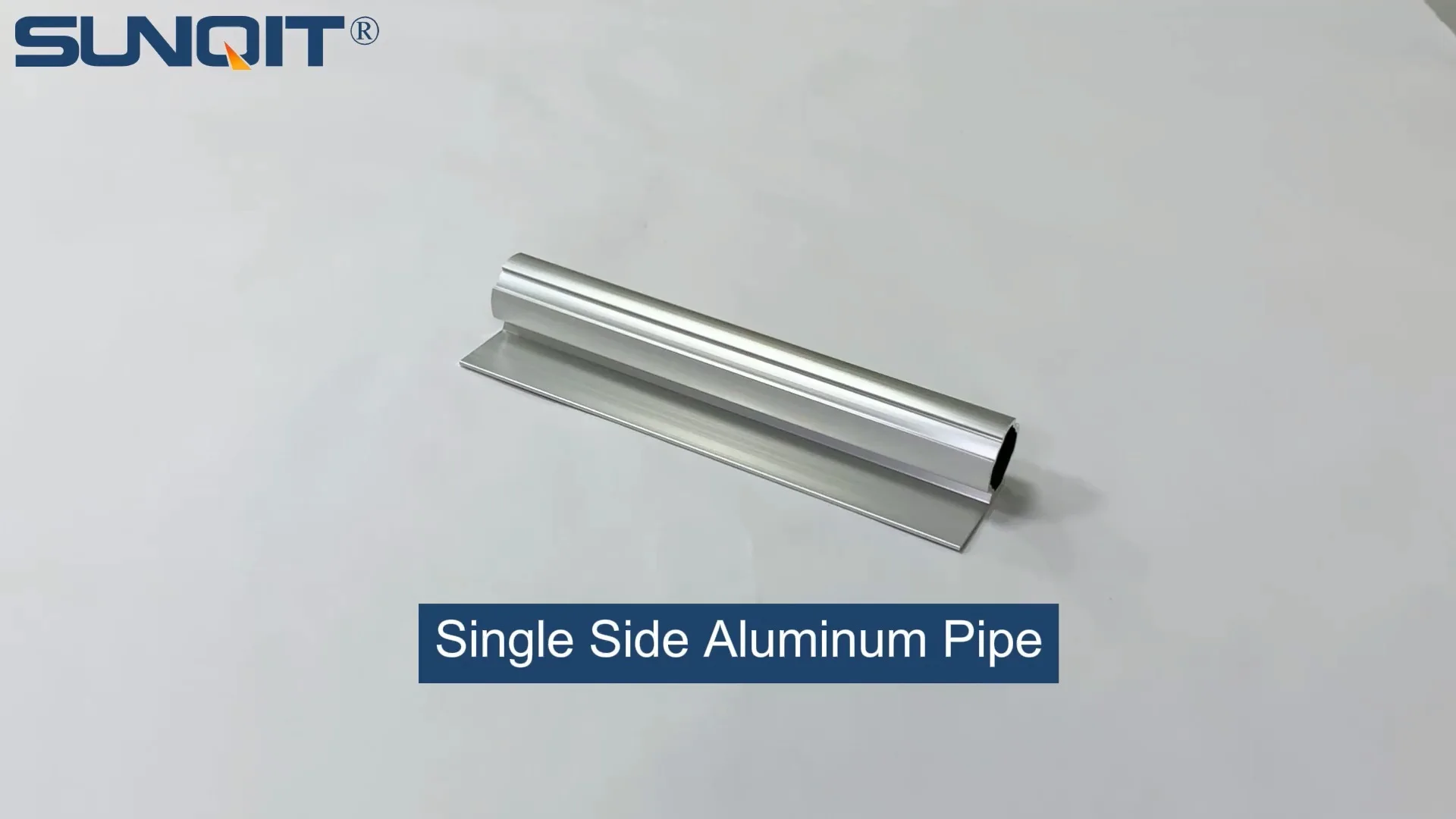
Single Side Aluminum Pipe
The single-sided plane can be installed with a back-mounted material box, and can also be used as a sidewall or partition.
In an era where sustainability is no longer a buzzword but a business imperative, manufacturers worldwide are rethinking every aspect of their operations—from raw materials to production lines. The pressure to reduce carbon footprints, minimize waste, and meet stringent environmental regulations has led to a surge in demand for eco-friendly alternatives to traditional industrial materials. Among these, single side aluminum pipe has emerged as a quiet hero, offering a blend of durability, versatility, and environmental responsibility that aligns perfectly with the goals of modern green manufacturing. Let's dive into how this unassuming component is reshaping the industry and why it deserves a spot in your sustainable production toolkit.
What Is Single Side Aluminum Pipe, Anyway?
Before we explore its environmental perks, let's get clear on what single side aluminum pipe actually is. At its core, it's a lightweight, corrosion-resistant tubing solution crafted from high-grade aluminum, designed with a unique single-sided groove or channel. This groove isn't just for show—it's engineered to seamlessly integrate with aluminum profile accessories, making it easy to assemble, disassemble, and reconfigure without welding or heavy tools. Think of it as the building block of flexible industrial setups, from workbenches and flow racks to conveyor systems and material handling carts.
Unlike traditional steel pipes or plastic tubing, single side aluminum pipe owes its existence to the aluminum extrusion profile process—a manufacturing method that transforms raw aluminum into complex cross-sectional shapes with remarkable precision. Here's how it works: heated aluminum billets are pushed through a die (a custom-shaped tool), forcing the metal to take on the die's form. This process is not only efficient but also minimizes material waste, as it produces near-net-shape components that require little to no post-processing. It's this combination of design flexibility and eco-friendly production that sets single side aluminum pipe apart from its counterparts.
Environmental Benefits: More Than Just a "Green" Label
1. Recyclability: Aluminum's Superpower
If there's one material that defines circular economy principles, it's aluminum. Unlike plastic, which degrades in quality with each recycling cycle, or steel, which loses structural integrity when repeatedly melted down, aluminum can be recycled infinitely without losing a single ounce of its properties. In fact, recycling aluminum saves a staggering 95% of the energy required to produce new aluminum from bauxite ore—a statistic that should make any sustainability manager sit up and take notice.
Single side aluminum pipe leans into this advantage. At the end of its lifecycle—whether that's after 5 years or 20—manufacturers can simply disassemble the pipe, separate it from non-aluminum components (like plastic accessories), and send it to a recycling facility. The recycled aluminum can then be transformed back into new aluminum profile, single side pipes, or other industrial products, closing the loop and keeping waste out of landfills. This isn't just good for the planet; it's also cost-effective. With global aluminum recycling rates hovering around 70% for industrial applications, businesses can reduce reliance on virgin materials and shield themselves from volatile raw material prices.
2. Energy Efficiency in Production
The aluminum extrusion profile process isn't just precise—it's also energy-efficient. Compared to manufacturing steel pipes (which involve mining iron ore, smelting, and forging at extremely high temperatures) or PVC tubing (which relies on fossil fuels and releases harmful emissions), producing single side aluminum pipe generates significantly fewer greenhouse gases. The extrusion process itself uses less energy than traditional metalworking methods, and when combined with the use of recycled aluminum as feedstock, the carbon footprint drops even further.
Consider this: producing one ton of new aluminum from bauxite emits approximately 16 tons of CO2. Using recycled aluminum for the same ton? Just 0.6 tons of CO2. For manufacturers aiming to meet net-zero targets, switching to single side aluminum pipe—especially variants made from recycled content—can be a game-changer in reducing Scope 3 emissions (those associated with purchased materials).
3. Durability and Longevity: Less Waste, Fewer Replacements
Sustainability isn't just about recycling—it's also about creating products that stand the test of time. Single side aluminum pipe is built to last, thanks to aluminum's natural resistance to corrosion, rust, and wear. Unlike steel, which requires regular painting or coating to prevent oxidation, aluminum forms a protective oxide layer when exposed to air, eliminating the need for toxic anti-corrosion treatments. This means fewer maintenance costs, less downtime, and—most importantly—fewer replacements over the years.
Think about a typical factory floor: workbenches get banged up, flow racks bear heavy loads, and material carts are moved hundreds of times daily. A steel pipe might start to rust after a few years, or a plastic tube could crack under stress, forcing managers to replace entire sections. Single side aluminum pipe, on the other hand, can withstand these daily rigors for decades. When it does finally reach the end of its useful life, as we've already covered, it's recycled into new material—no waste, no guilt.
4. Lean System Integration: Minimizing Waste in Operations
In the world of manufacturing, lean system principles are all about eliminating waste—whether that's time, materials, or energy. Single side aluminum pipe is a lean manager's dream come true. Its modular design allows for quick assembly and reconfiguration, meaning production lines can adapt to changing needs without tearing down and rebuilding from scratch. Need to rearrange a workbench to accommodate a new product? Swap out a few aluminum profile accessories, and you're good to go. Want to extend a conveyor system? Add a few more pipe sections and connectors—no welding, no delays, no excess material waste.
This flexibility reduces the "planned obsolescence" trap that plagues many industrial setups. Instead of discarding an entire workstation because it no longer fits the workflow, manufacturers can repurpose single side aluminum pipe components elsewhere in the facility. Over time, this translates to less demand for new materials, lower shipping emissions (since fewer new parts need to be delivered), and a more agile, waste-free operation.
5. Lightweight Design: Lowering Transport and Operational Emissions
Aluminum is about one-third the weight of steel, and single side aluminum pipe leverages this lightweight advantage to the fullest. When compared to steel pipe assemblies, aluminum setups are easier to transport, both from the supplier to the factory and within the facility itself. Lighter workbenches, carts, and racks mean less fuel consumption for delivery trucks and lower energy use for material handling equipment like forklifts. Even a small reduction in weight can add up to significant emissions savings over time, especially for large-scale operations with hundreds of components.

How Does It Stack Up? A Material Comparison
To truly appreciate the environmental impact of single side aluminum pipe, let's compare it to two common alternatives: traditional steel pipe and plastic tubing. The table below breaks down key sustainability metrics:
| Metric | Single Side Aluminum Pipe | Steel Pipe | Plastic Tubing (PVC/HDPE) |
|---|---|---|---|
| Recyclability Rate | 95%+ (infinite recycling without quality loss) | 70-80% (recyclable but loses strength over cycles) | 5-10% (most ends up in landfills; limited recycling) |
| Energy to Produce (per ton) | 6-8 MWh (recycled aluminum); 150-170 MWh (virgin) | 20-25 MWh (recycled steel); 30-35 MWh (virgin) | 8-10 MWh (fossil fuel-dependent) |
| Carbon Footprint (per ton) | 0.6 tons CO2 (recycled); 16 tons CO2 (virgin) | 1.8 tons CO2 (recycled); 2.5 tons CO2 (virgin) | 2-3 tons CO2 (plus microplastic pollution) |
| Typical Lifespan | 15-20+ years (corrosion-resistant) | 10-15 years (prone to rust without coating) | 5-8 years (degrades with UV exposure/chemicals) |
| End-of-Life Impact | Highly recyclable; minimal waste | Recyclable but energy-intensive; rusted scraps may go to landfill | Mostly landfilled; contributes to plastic pollution |
As the table shows, single side aluminum pipe outperforms steel and plastic in nearly every sustainability category, especially when recycled content is used. While steel has a lower carbon footprint for virgin production than virgin aluminum, its heavier weight and lower recyclability rate tip the scales in aluminum's favor for long-term sustainability. Plastic, meanwhile, struggles with both recyclability and environmental persistence, making it the least eco-friendly option.

Real-World Impact: A Lean System Success Story
Let's take a look at how one manufacturer put single side aluminum pipe to work. A mid-sized electronics assembly plant in the Midwest was struggling with outdated steel workbenches and static flow racks. The steel setups were heavy, prone to rust, and difficult to reconfigure as product lines changed. The plant's sustainability team, tasked with cutting waste and emissions, decided to replace key components with single side aluminum pipe and aluminum profile accessories.
The results were striking. First, the new aluminum workbenches were 40% lighter than the steel ones, reducing forklift energy use by 15% in the first year. Second, the modular design allowed the plant to reconfigure assembly lines in hours instead of days, eliminating the need to purchase new equipment for product launches. Third, when some older aluminum components were retired after 10 years, they were recycled locally, generating a small rebate and keeping 2 tons of material out of landfills. The plant estimates that over a 15-year lifecycle, the switch will reduce their carbon footprint by approximately 30% compared to sticking with steel.
The Role of Aluminum Profile Accessories
No discussion of single side aluminum pipe is complete without mentioning aluminum profile accessories—the nuts and bolts (literally) that make its flexibility possible. These accessories, including connectors, brackets, casters, and panel mounts, are designed to work seamlessly with the pipe's single-sided groove, enabling tool-free assembly. Like the pipe itself, most accessories are made from recycled aluminum or durable, recyclable plastics, ensuring the entire system remains eco-friendly from start to finish.
What's more, aluminum profile accessories are reusable. When a production line is reconfigured, accessories can be detached and reused on new setups, further reducing waste. This circular approach to industrial design aligns perfectly with lean system principles, where every component is valued for its potential to contribute to multiple cycles of use.

Looking Ahead: The Future of Eco-Friendly Manufacturing
As regulations tighten and consumer demand for sustainable products grows, manufacturers will increasingly turn to materials that balance performance with planet. Single side aluminum pipe, with its recyclability, energy efficiency, and lean system compatibility, is poised to play a central role in this shift. Its ability to adapt to changing needs while minimizing environmental impact makes it more than just a material—it's a sustainability strategy in itself.
But the journey doesn't end here. Innovations in aluminum extrusion profile technology are making pipes even lighter, stronger, and more energy-efficient to produce. New aluminum profile accessories are being developed to enhance connectivity and reduce material use. And as the circular economy gains momentum, we can expect to see more closed-loop systems where aluminum components are designed from the start for disassembly and recycling.
Conclusion: Small Pipes, Big Impact
Single side aluminum pipe may not grab headlines like solar panels or electric vehicles, but its contribution to eco-friendly manufacturing is undeniable. From its energy-efficient production to its infinite recyclability, from its lightweight design to its role in lean system optimization, it's a material that proves sustainability and productivity can go hand in hand. For manufacturers ready to take meaningful action on their environmental goals, it's not just a choice—it's a smart investment in a greener, more resilient future.
So, the next time you walk through a factory floor, take a closer look at the workbenches, racks, and conveyors. If they're built with single side aluminum pipe, you're seeing more than just industrial equipment—you're seeing the future of manufacturing, one sustainable component at a time.