- Company Articles
- Industry articles
- Industry News
- End-of-Life Disposal: 40 Aluminum Roller Track Green's Recyclability Process

End-of-Life Disposal: 40 Aluminum Roller Track Green's Recyclability Process
Related Product
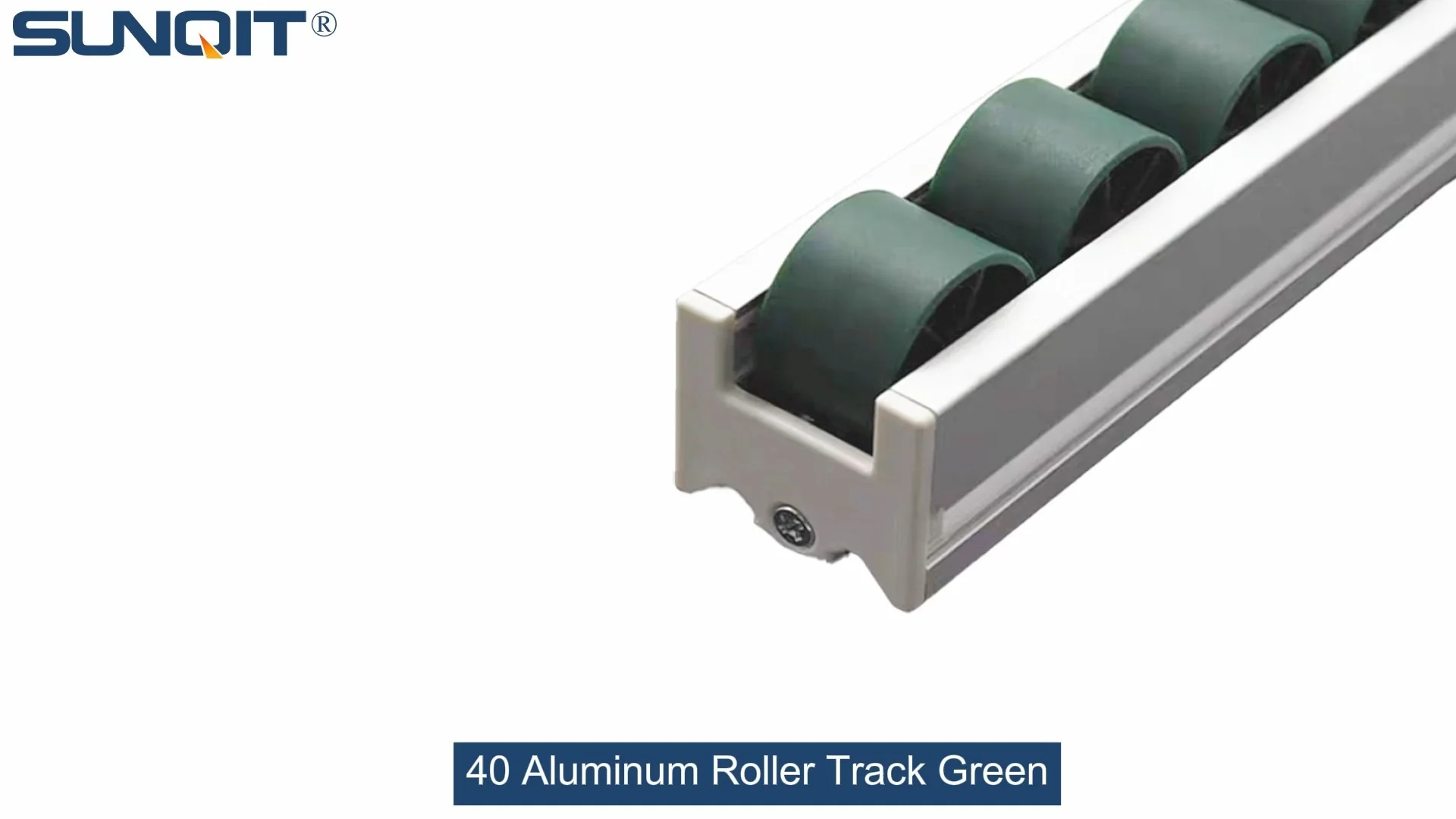
40 Aluminum Roller Track Green
Durable and smooth-running modular roller rails. The system is fully assembled. The roller rail profile contains plastic rollers mounted on steel axles. Aluminum frame with plastic wheel make it anti corrosion,and material convey more smooth.
End-of-Life Disposal: 40 Aluminum Roller Track Green's Recyclability Process
Introduction: Beyond Use—The Life After a Roller Track
Every piece of equipment in your manufacturing line has a story—from the day it's installed to the moment it's no longer needed. For many roller tracks, that final chapter often ends in a landfill, adding to industrial waste and missing out on valuable resources. But what if your roller track could have a second life? What if its end-of-life process wasn't just about disposal, but about recycling, repurposing, and closing the loop on sustainability? That's exactly the vision behind the 40 Aluminum Roller Track Green—a product designed not just for efficient production, but for a responsible afterlife.
In today's manufacturing landscape, sustainability isn't just a buzzword; it's a business imperative. Companies across industries are setting ambitious targets to reduce their carbon footprint, cut waste, and use more recycled materials. The 40 Aluminum Roller Track Green fits perfectly into this narrative, thanks to its modular design, high-quality aluminum profile construction, and alignment with lean system principles. This article takes a deep dive into the recyclability journey of this innovative product, showing how it helps manufacturers turn end-of-life into a new beginning.
What Makes the 40 Aluminum Roller Track Green Stand Out?
Before we get into the recycling process, let's talk about why this roller track is different from traditional options. The 40 Aluminum Roller Track Green is built on three core pillars: modularity, sustainability, and compatibility with lean systems. Let's break these down:
Modularity:
Unlike welded steel roller tracks that are permanent and hard to disassemble, this track uses a snap-and-bolt design. Every component—from the aluminum profile frame to the plastic roller guides—can be easily taken apart with basic tools. This isn't just convenient for maintenance; it's a game-changer for end-of-life disposal.
Sustainability:
The main frame is made from high-grade aluminum profile, which is one of the most recyclable materials on the planet (with a recycling rate of over 95%). The green plastic roller guides are made from recycled PET, and even the connectors are designed to be reused in other lean pipe systems.
Compatibility:
This track works seamlessly with other lean pipe products—like workbenches, material racks, and turnover trolleys. So, if you ever need to reconfigure your production line, you can repurpose parts of the track into new lean system components without waiting for new materials.
| Feature | Traditional Welded Roller Tracks | 40 Aluminum Roller Track Green |
|---|---|---|
| Primary Material | Welded steel + non-recyclable plastic | Recyclable aluminum profile + recycled PET plastic |
| Disassembly Time (per 10ft track) | 2–3 hours (requires cutting tools) | 15–20 minutes (basic hand tools) |
| Material Recyclability Rate | ~30% (mixed materials are hard to separate) | ~90% (aluminum + plastic + reusable connectors) |
| Reusability of Components | Minimal (most parts are damaged during disassembly) | High (connectors, casters, and some rollers can be reused) |
| Carbon Footprint (per unit) | High (virgin steel production + welding) | Low (recycled aluminum + modular design) |
The Step-by-Step Recyclability Journey
Let's walk through the entire process of turning an old 40 Aluminum Roller Track Green into new resources. This journey is designed to be simple, cost-effective, and kind to the planet.
1. Decommissioning & Gentle Disassembly
The first step is to take the track apart. Since it's modular, this process is straightforward. You start by removing any casters or wheels (if the track is mobile) using a wrench. Next, you unsnap the plastic roller guides from the aluminum profile frame—no force needed, as they're designed to fit snugly but not permanently. Then, you loosen the bolts that connect the aluminum profile sections. Within 20 minutes, you'll have a pile of separate components: aluminum profile pieces, plastic roller guides, steel connectors, and casters.
What's great here is that this disassembly uses the same tools your team already uses for maintaining lean pipe workbenches or material racks. No need to hire a special crew or buy expensive equipment. This saves time and money right from the start.
2. Sorting: Separating Components for Maximum Value
Once disassembled, the next step is sorting. This is where you separate the components into different categories to ensure each material gets the right treatment:
Aluminum Profile Pieces:
These are the backbone of the track. You can pile them together—they're clean, free of rust, and ready for recycling.
Plastic Roller Guides:
The green guides are made from recycled PET, so they can be recycled again. You can put them in your plastic recycling bin or send them to a specialized plastic recycler.
Steel Connectors & Casters:
The metal connectors and caster frames are made from stainless steel, which is also recyclable. You can separate these from the aluminum to avoid contaminating the aluminum recycling process.
Reusable Parts:
If any connectors or casters are still in good shape, you can set them aside to reuse in other lean system projects. For example, a caster from an old roller track can be attached to a new turnover trolley—no need to buy a new one.
Sorting takes about 10 minutes per track, and it's worth it. Separating materials correctly increases their recycling value and ensures nothing goes to waste.
3. Aluminum Processing: Turning Old Tracks into New Resources
Aluminum is one of the most valuable recyclable materials because it can be melted down and reused infinitely without losing quality. Here's what happens to the aluminum profile pieces:
Melting:
The aluminum pieces are sent to a recycling plant where they're melted in a furnace at 660°C (1220°F). This process uses 95% less energy than producing virgin aluminum—huge savings for the environment.
Purification:
Once melted, the aluminum is purified to remove any small impurities (like paint or dirt). This ensures the recycled aluminum is as strong and durable as virgin aluminum.
Remolding:
The purified aluminum is then poured into molds to make new products. For our lean system, this could mean new lean pipes, aluminum profiles for workbenches, or even new roller tracks. This is where the loop closes—old tracks become new tools for your production line.
For example, a 10ft section of 40 Aluminum Roller Track Green can be recycled into 8ft of lean pipe, which is enough to build a small lean pipe workbench. This not only saves money but also reduces the demand for virgin aluminum.
4. Repurposing Non-Aluminum Parts
It's not just the aluminum that gets a second life. The non-aluminum parts of the track can also be repurposed or recycled:
Plastic Roller Guides:
These are made from recycled PET, so they can be turned into new plastic products like casters, storage bins, or even new roller guides. Some manufacturers send them back to us, and we reuse them in our production process—this is part of our commitment to circular economy.
Steel Connectors:
Stainless steel connectors are melted down and reused to make new connectors or other steel components. They're strong and durable, so they can be recycled many times.
Casters:
If the casters are still in good shape, they can be reused in turnover trolleys or material racks. If not, the metal frame is recycled, and the rubber wheels are sent to a rubber recycler to make new rubber products.
Every part of the track is designed to be either reused or recycled. There's no need to throw anything away—except maybe a few small pieces of dirt or dust.
5. Closing the Loop: Reintroducing Recycled Materials to Lean Systems
The final step is to bring the recycled materials back into your production line. For example, the recycled aluminum from your old roller track can be used to build a new lean pipe workbench for your 3C assembly line. Or, it can be turned into a new material rack for your warehouse. The plastic from the roller guides can be used to make casters for your turnover trolleys.
This is where our custom solutions come in. We can design a new lean system for your facility using recycled materials from your old equipment. This not only reduces your carbon footprint but also saves you money on new materials. For example, using recycled aluminum instead of virgin aluminum can cut material costs by up to 25%.
We also offer wholesale options for recycled lean pipe systems, so you can stock up on sustainable tools for your entire production line. This aligns with our lean of "reusable, sustainable improvement"—every product is designed to be used, reused, and improved over time.
Why This Recyclability Journey Matters for Your Business
You might be wondering: why go through all this trouble? What's in it for my company? Let's look at the benefits:
Cost Savings
Recycling the 40 Aluminum Roller Track Green saves you money in several ways. First, you don't have to pay for waste disposal (which can be expensive for large industrial equipment). Second, recycled materials are cheaper than virgin materials—so using them for new projects cuts your procurement costs. Third, reusing parts like connectors or casters means you don't have to buy new ones.
For example, a manufacturer that recycles 10 roller tracks a year can save up to $5,000 in waste disposal costs and $10,000 in material costs for new projects. That's a significant amount of money that can be invested back into your business.
Sustainability Targets
More and more manufacturers are setting sustainability targets—like net-zero waste by 2030 or carbon neutrality by 2050. Choosing products with high recyclability helps you meet these targets. The 40 Aluminum Roller Track Green has a recycling rate of over 90%, which is far higher than traditional roller tracks. This reduces your waste footprint and helps you achieve your sustainability goals faster.
It also improves your brand reputation. Customers and partners are increasingly looking for sustainable suppliers. By using recycled materials and sustainable tools, you can show them that you care about the planet. This can lead to more business opportunities and stronger relationships with your stakeholders.
Compliance with Regulations
Many countries are introducing strict environmental regulations for manufacturers. For example, the EU's Circular Economy Action Plan requires manufacturers to design products for recyclability. The 40 Aluminum Roller Track Green is designed to meet these regulations, so you don't have to worry about fines or penalties.
We also provide documentation to prove that our products are recyclable. This makes it easier for you to comply with environmental audits and reports.
Continuous Improvement
The recyclability of the 40 Aluminum Roller Track Green aligns with the core principles of lean manufacturing: continuous improvement and waste reduction. By recycling your old equipment, you're reducing waste and improving your production process. This is exactly what lean manufacturing is all about—making your operations more efficient and sustainable.
Real-World Impact: A 3C Assembly Manufacturer's Story
Let's take a look at how one of our customers benefited from the recyclability of the 40 Aluminum Roller Track Green. This is a 3C assembly manufacturer in Shenzhen that produces smartphones and tablets.
The company installed 20 40 Aluminum Roller Track Green units in their production line in 2020. By 2025, they needed to upgrade their line to accommodate new products. Instead of throwing away the old tracks, they decided to recycle them.
First, their team disassembled the tracks in just a few hours. They sorted the components and sent the aluminum profile pieces to a local recycler. The plastic roller guides were sent back to us, and we reused them in our production process. The steel connectors were recycled into new connectors.
The recycled aluminum was then used to build 15 new lean pipe workbenches for their new production line. The plastic from the roller guides was used to make casters for their turnover trolleys. This saved the company $12,000 in material costs for the new line and reduced their waste footprint by 45%.
The company also reported that the new workbenches were just as durable and efficient as the ones made from virgin materials. They were able to meet their sustainability target of reducing waste by 40% a year earlier than planned.
This story shows that recycling the 40 Aluminum Roller Track Green isn't just good for the planet—it's good for your bottom line too.
How We Support Your Sustainable Lean Journey
At our core, we're committed to helping manufacturers build sustainable, efficient production lines. Here's how we support you:
Custom Recyclable Solutions
We design custom lean systems for your facility using recycled materials. Whether you need a new 3C assembly line or a warehouse storage solution, we can create a system that's tailored to your needs and sustainable.
Wholesale Recycled Products
We offer wholesale options for recycled lean pipe systems, workbenches, material racks, and more. This allows you to stock up on sustainable tools for your entire production line at a lower cost.
Recycling Guidance
We provide step-by-step guidance on how to recycle our products. Our team can help you with disassembly, sorting, and finding local recyclers. We also offer take-back programs for old equipment, so you don't have to worry about what to do with your old roller tracks or workbenches.
Sustainability Reports
We provide detailed sustainability reports for our products. These reports include information on recyclability rates, carbon footprints, and material sources. This helps you track your progress towards your sustainability targets.
Conclusion: Choosing Sustainability Without Compromising Efficiency
The 40 Aluminum Roller Track Green isn't just a roller track—it's a symbol of how manufacturing can be both efficient and sustainable. Its recyclability journey is designed to be simple, cost-effective, and kind to the planet. By choosing this product, you're not just investing in a tool for your production line—you're investing in a better future for your business and the planet.
We believe that lean manufacturing and sustainability go hand in hand. Every product we design is built to be used, reused, and improved over time. This aligns with our mission to help manufacturers build efficient, sustainable production lines that stand the test of time.
If you're ready to take the next step towards a sustainable lean journey, we're here to help. Whether you need a custom solution, wholesale products, or recycling guidance, our team is ready to support you. Let's build a better future together—one roller track at a time.