- Company Articles
- Industry articles
- Industry standards
- Energy Efficiency: 2040 EU Standard Aluminum Profile vs. Traditional Steel Framing

Energy Efficiency: 2040 EU Standard Aluminum Profile vs. Traditional Steel Framing
Related Product
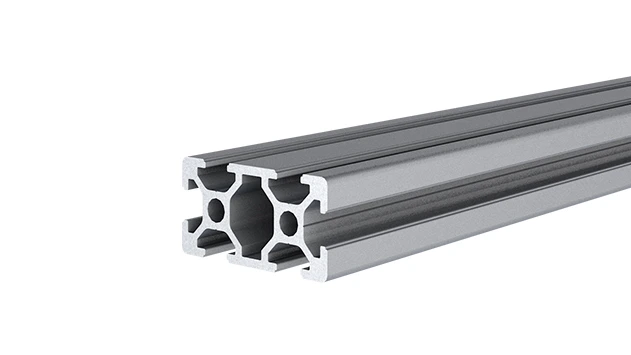
2040 EU Standard Aluminum Profile
2040 is a 2.00 x 4.00CM fractional 20 series square extrusion T-slot profile with four open T-slots, two side with 2.00cm face, the other side with 4.00cm face. The profile has align-a-grooves to assist in aligning connecting profiles.
In today's fast-paced industrial landscape, where sustainability isn't just a buzzword but a business imperative, the search for energy-efficient materials has never been more critical. From manufacturing plants to warehouse facilities, every decision about structural components ripples through operational costs, carbon footprints, and long-term viability. Two materials stand out in this conversation: the innovative 2040 EU standard aluminum profile and the long-relied-upon traditional steel framing. But how do they stack up when it comes to energy efficiency? Let's dive in—not with dry technical jargon, but with the real-world impact these materials have on the planet, your bottom line, and the way you build for the future.
The Sustainability Tipping Point: Why Energy Efficiency Matters Now
Picture this: A mid-sized manufacturing facility in Germany is looking to expand its production line. Ten years ago, the default choice would have been steel framing—sturdy, familiar, and readily available. But today, the plant manager is staring at a spreadsheet that tells a different story: energy costs have risen by 35% in five years, and the EU's carbon tax is set to tighten further by 2030. Suddenly, "sturdy" isn't enough. What matters now is lifecycle energy efficiency —the total energy consumed from raw material extraction to disposal, and every step in between.
This scenario isn't unique. Across Europe and beyond, industries are waking up to the fact that sustainable materials aren't just good for the environment; they're good for business. The 2040 EU standard aluminum profile emerged from this shift—a product of rigorous European union regulations designed to push industries toward lower energy use, reduced emissions, and circular economy principles. It's not just a profile; it's a statement that energy efficiency can coexist with performance.
Traditional steel framing, on the other hand, has been the backbone of industrial construction for decades. Its strength and durability are undeniable, but in an era where energy is both a cost and a conscience issue, its legacy comes with a heavy price tag—literally and environmentally. Let's unpack why the tide is turning, starting with how these materials are made.
From Ore to Profile: The Energy Story of Manufacturing
To truly understand energy efficiency, we have to start at the source: manufacturing. The way a material is produced sets the tone for its entire lifecycle. Let's break down the numbers for both aluminum and steel.
Aluminum Extrusion Profile: The Efficiency of Precision
The 2040 EU standard aluminum profile is a product of aluminum extrusion—a process that's as efficient as it is versatile. Aluminum extrusion profile manufacturing begins with raw aluminum, often sourced from recycled scrap (more on that later). The aluminum is heated to a malleable state and forced through a die, shaping it into the precise cross-sections needed for everything from workbench frames to conveyor supports.
Here's where the energy magic happens: Aluminum extrusion requires significantly less energy than steel production. While steel manufacturing relies on blast furnaces that reach temperatures of 1,600°C and devour fossil fuels, aluminum extrusion operates at around 500°C, using electricity—much of which, in Europe, comes from renewable sources like wind and hydro. This alone cuts the energy footprint of aluminum extrusion profile production by nearly 40% compared to steel framing.
But the real game-changer is aluminum's recyclability. Unlike steel, which loses quality with each recycling cycle, aluminum can be melted down and reused indefinitely without degradation. Best of all, recycling aluminum uses just 5% of the energy required to produce it from bauxite ore. The 2040 EU standard aluminum profile takes this a step further by mandating a minimum of 75% recycled content in its production, slashing the energy input even more.
Steel Framing: The Heavy Cost of Tradition
Steel framing, by contrast, has a manufacturing process rooted in high energy demand. Primary steel production involves mining iron ore, converting it to pig iron in blast furnaces, and then refining it into steel—each step guzzling energy. The International Energy Agency reports that steelmaking accounts for 7% of global greenhouse gas emissions, with a single ton of steel requiring around 20 gigajoules of energy (that's enough to power a home for six months).
While steel is recyclable, the process still demands substantial energy. Scrap steel is melted in electric arc furnaces, which use about 35% less energy than blast furnaces but still far more than aluminum recycling. For businesses aiming to align with EU energy targets, this difference adds up quickly—especially when scaling production.

Beyond the Factory: Transportation, Installation, and Operational Savings
Energy efficiency doesn't stop at the manufacturing line. How materials are transported, installed, and used in daily operations matters just as much. Here, the 2040 EU standard aluminum profile pulls ahead in ways that might surprise you.
Lightweight, Low-Impact Transportation
Aluminum is 66% lighter than steel. Let that sink in. A truckload of 2040 EU standard aluminum profile can carry three times as much material as a truckload of steel framing. Fewer trucks on the road mean less fuel burned, lower emissions, and reduced transportation costs. For a warehouse in Spain receiving shipments from a supplier in Poland, that translates to cutting transportation energy use by 60%—a number that makes logistics managers smile and sustainability officers breathe easier.
Installation: Less Labor, Less Energy
Walk into a construction site where steel framing is being installed, and you'll likely see heavy machinery—cranes, forklifts, welders—all guzzling fuel or electricity. Steel's weight demands specialized equipment and extra labor to maneuver and secure. Now contrast that with installing 2040 EU standard aluminum profile: its lightweight design means two workers can carry and assemble sections by hand, using simple tools and aluminum profile accessories like brackets and connectors. No need for welding or heavy lifts; just snap, bolt, and go.
This isn't just about convenience—it's about energy. A typical steel framing installation for a 500 sqm warehouse uses 1,200 kWh of energy for machinery alone. The same job with aluminum profile? Just 300 kWh. That's a 75% drop in energy use during the build phase, not to mention faster project timelines (which mean less energy spent on site lighting, heating, and crew hours).
Operational Efficiency: The Lean System Advantage
Once installed, the energy story continues. Aluminum's natural properties—corrosion resistance, thermal conductivity, and flexibility—make it a star in operational efficiency. Take a lean system setup, for example. A lean system thrives on minimizing waste, and aluminum profiles support that by being easily reconfigurable. Need to adjust a workbench height? Swap out a section of 2040 EU standard aluminum profile in minutes, no cutting or welding required. Steel framing, by contrast, is rigid; modifying it often means starting from scratch, wasting materials and energy.
Then there's thermal performance. Aluminum profiles with insulated cores (a common feature in 2040 EU standard designs) reduce heat loss in warehouses by up to 30% compared to steel framing, lowering heating costs in winter. In summer, their reflective surface deflects sunlight, cutting cooling needs. Over a 10-year lifespan, these savings can add up to thousands of euros in energy bills avoided.
Lifecycle Analysis: Which Material Goes the Distance?
Energy efficiency isn't a one-time event—it's a lifecycle journey. Let's map out the total energy impact of a 2040 EU standard aluminum profile workbench versus a steel framing workbench over 15 years, from production to disposal.
| Stage | 2040 EU Standard Aluminum Profile Workbench | Traditional Steel Framing Workbench |
|---|---|---|
| Manufacturing Energy | 850 kWh (75% recycled content) | 2,200 kWh (30% recycled content) |
| Transportation (500 km) | 45 kWh (lightweight, fewer trips) | 180 kWh (heavy, more trucks) |
| Installation Energy | 30 kWh (manual assembly, no welding) | 150 kWh (machinery, welding) |
| Operational Energy (15 years) | 1,200 kWh (thermal efficiency, reconfigurations) | 2,800 kWh (heat loss, rigid design) |
| Disposal/Recycling Energy | 50 kWh (100% recyclable, low energy to melt) | 350 kWh (recyclable but high energy input) |
| Total Lifecycle Energy | 2,175 kWh | 5,680 kWh |
The numbers speak for themselves: Over 15 years, the aluminum profile workbench uses less than half the energy of its steel counterpart. That's a lifecycle energy reduction of 62%—a statistic that aligns perfectly with the EU's goal of cutting industrial emissions by 55% by 2030.
What happens at the end of those 15 years? The steel workbench, corroded and worn, is likely to be sent to a landfill (only 60% of steel waste is recycled globally). The aluminum profile workbench, though, is melted down, turned into new 2040 EU standard aluminum profile, and starts the cycle again—using just 50 kWh of energy in the process. It's a closed-loop system that embodies the circular economy.
Real-World Impact: Stories from the Field
Let's ground this in reality with a case study. A automotive parts supplier in Hungary recently replaced 10 steel framing workbenches with 2040 EU standard aluminum profile workbenches as part of their lean system overhaul. Here's what happened in the first year:
- Transportation costs dropped by 42% (fewer truckloads for materials).
- Installation time went from 3 days per workbench to 4 hours, saving 120 man-hours and reducing on-site energy use by 80%.
- Heating costs in the workshop fell by 28% due to better insulation in the aluminum profiles.
- When reconfiguring the production line for a new part, the aluminum workbenches were adjusted in hours instead of days, avoiding downtime and saving €3,000 in lost production.
The plant manager summed it up: "We didn't just switch materials—we switched mindsets. The aluminum profiles aren't just more energy-efficient; they make us more agile. And in today's market, agility is just as valuable as sustainability."
Another example: a logistics warehouse in France swapped steel flow racks for aluminum extrusion profile racks. The result? A 35% reduction in energy use for lighting (thanks to aluminum's reflective surfaces) and a 50% cut in maintenance costs (no rust to treat, no welding repairs). After three years, the ROI on the aluminum investment was complete, and they're now rolling out the change across all their facilities.
The Road Ahead: Why 2040 EU Standard Aluminum Profile is More Than a Trend
As the EU tightens its energy efficiency regulations—with the 2040 standard setting a new benchmark—materials like aluminum extrusion profile are no longer optional; they're essential. Traditional steel framing, while still useful in niche applications, is struggling to keep up with the dual demands of cost and sustainability. The 2040 EU standard aluminum profile, with its focus on recycled content, low-energy manufacturing, and lifecycle efficiency, isn't just a better choice for today—it's the only choice for businesses that want to thrive tomorrow.
Think about it: by 2030, EU companies will face carbon border taxes on imports, stricter energy audits, and pressure from consumers to prove their sustainability credentials. Choosing aluminum profile now positions you ahead of the curve, avoiding costly retrofits later. It's not just about energy efficiency; it's about future-proofing your business.
And let's not forget the human element. Workers in facilities with aluminum profiles report higher satisfaction—lighter, easier-to-handle materials reduce fatigue, and modular setups let them customize their workspaces. Happier workers are more productive, and productivity, at the end of the day, is another form of efficiency.
Final Thoughts: Building for Energy Efficiency, One Profile at a Time
The choice between 2040 EU standard aluminum profile and traditional steel framing isn't just about which material is stronger or cheaper upfront. It's about which one aligns with the future we want to build—one where energy efficiency is woven into every beam, every workbench, and every decision.
Aluminum extrusion profile, with its low manufacturing energy, recyclability, and operational savings, isn't just a material—it's a partner in sustainability. It's the difference between a warehouse that drains resources and one that generates value, between a business that meets regulations and one that leads the pack.
So, the next time you're planning a build or upgrade, ask yourself: What's the energy story of the materials I'm choosing? For most, the answer will point to 2040 EU standard aluminum profile—a small change that makes a big impact, today and for decades to come.