- Company Articles
- Industry articles
- Industry News
- Environmental Benefits of 1.2mm Stainless Steel Pipe in Green Production

Environmental Benefits of 1.2mm Stainless Steel Pipe in Green Production
Related Product
1.2mm Stainless Steel Pipe
Stainless steel pipe, lean pipe, diameter is 28mm, material is SS201 or SS304, SS201 is normally used in the market. It knows a KARAKURI, KAIZEN material for industrial plant to improve efficiency, save labor cost, standard management.
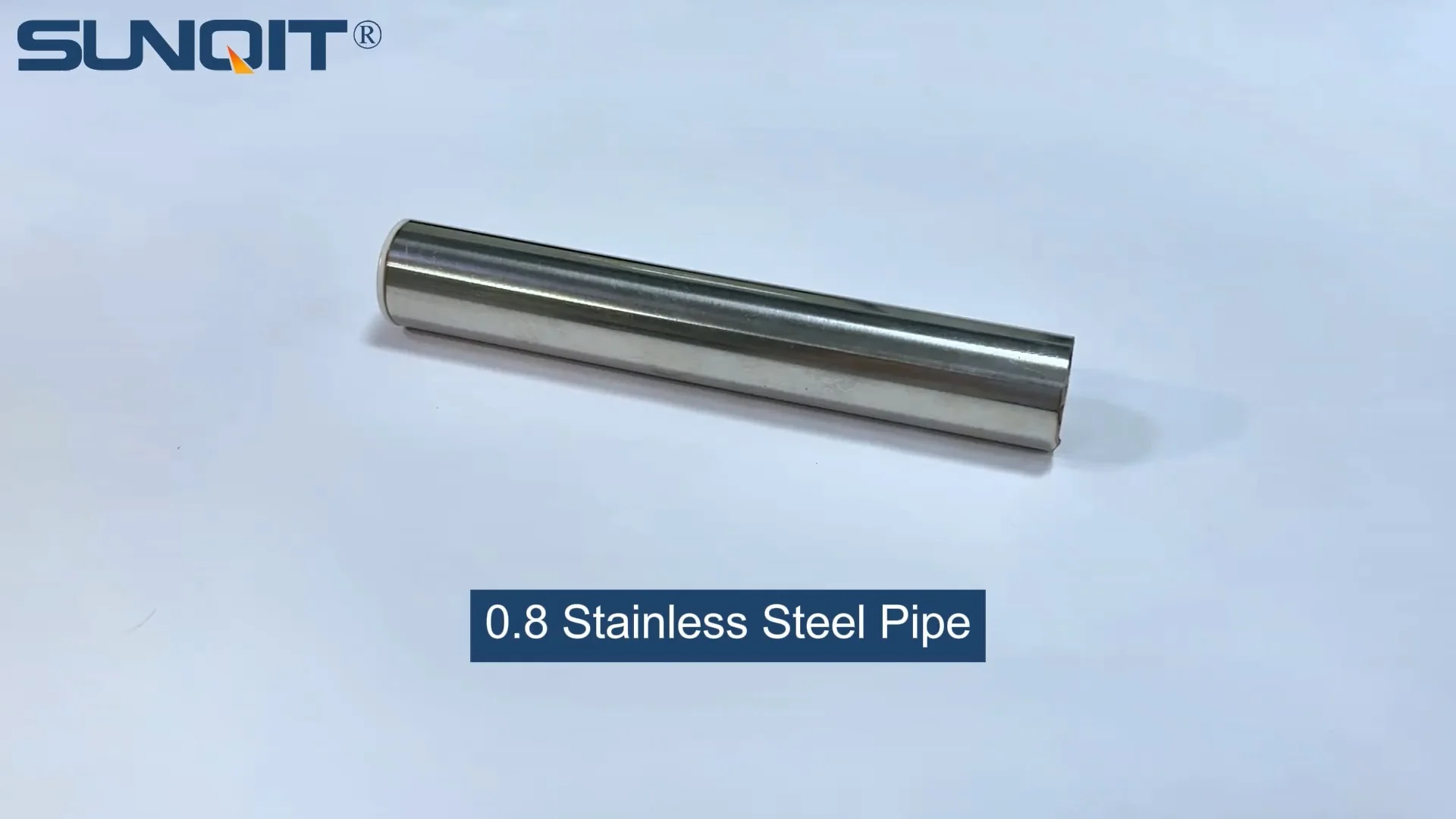
In today's manufacturing world, "sustainability" isn't just a box to check—it's a promise to future generations. Every choice, from the machines on the floor to the materials in the (shelves), shapes a company's environmental legacy. Among these choices, one material stands out for its quiet but powerful impact: the 1.2mm stainless steel pipe, a key player in the broader stainless steel pipe series. More than just a structural component, it's a bridge between efficiency and eco-responsibility, especially when integrated into lean systems. Let's explore why this unassuming pipe is becoming a staple for manufacturers who refuse to choose between productivity and the planet.
The 1.2mm Advantage: More Than Just a Pipe
First, let's get to know the star of the show. The 1.2mm stainless steel pipe isn't random—it's a deliberate engineering choice. Part of the stainless steel pipe series, its thickness strikes a perfect balance: thick enough to handle heavy loads and daily wear, yet thin enough to avoid excess material waste. Think of it as the Goldilocks of industrial piping—not too heavy, not too flimsy, but just right for sustainable operations.
What really makes it special is its composition. Stainless steel, by definition, contains chromium, which forms a protective oxide layer that fights rust and corrosion. For the 1.2mm variant, this means it can stand up to moisture, oils, and even mild chemicals in factory environments without degrading. Unlike regular steel that needs constant painting or plastic that cracks under stress, this pipe is built to last. And because it's part of a standardized stainless steel pipe series, it's easy to source, replace, and pair with other components—no custom parts or wasteful over-ordering required.
Environmental Benefit #1: Recycling That Never Compromises Quality
Recyclability is the backbone of green manufacturing, and 1.2mm stainless steel pipe excels here. Stainless steel is one of the most recycled materials globally, with a recycling rate above 90%—and crucially, it doesn't lose quality with each cycle. Melt down a used 1.2mm pipe, and you get material just as strong and corrosion-resistant as the original. This closed-loop system is a game-changer for reducing reliance on virgin resources.
Consider the alternative: plastic pipes, which often end up in landfills because recycling them degrades their properties, or wooden structures that rot and can't be reused. When a 1.2mm stainless steel pipe finally reaches the end of its long life (we'll get to that next), it's collected, melted, and reborn as a new pipe, a machine part, or even a kitchen appliance. This not only cuts down on mining for new metals but also slashes the energy used in production—recycling stainless steel uses 75% less energy than making it from scratch. For lean pipe suppliers and manufacturers, this isn't just eco-friendly; it's a smart business move that reduces raw material costs over time.

Environmental Benefit #2: Longevity That Cuts Down on Waste
Durability might not scream "green," but think about it: a material that lasts longer means fewer replacements. Fewer replacements mean less waste, less energy spent on manufacturing new parts, and fewer emissions from shipping. Here, the 1.2mm stainless steel pipe's resistance to corrosion and physical damage becomes its superpower.
Let's compare it to common alternatives. A plastic pipe might cost less upfront, but it cracks under heat, warps with humidity, and needs replacing every 2–3 years. A standard carbon steel pipe rusts quickly in damp factories, requiring frequent repainting or replacement. The 1.2mm stainless steel pipe? It laughs off these issues. In industrial settings, it typically lasts 15–20 years with minimal maintenance. That's decades of service from a single product, drastically reducing the "throwaway" cycle that plagues many manufacturing materials. When you choose this pipe, you're not just buying a component—you're investing in a long-term solution that keeps waste out of landfills.

Environmental Benefit #3: Energy Efficiency from Factory to Floor
Producing materials takes energy, but 1.2mm stainless steel pipe is designed to minimize this impact. Its 1.2mm thickness means less raw material per unit length compared to thicker pipes, reducing the energy needed to melt, shape, and finish it. Plus, since much of the stainless steel used in these pipes comes from recycled scrap (thanks to that high recycling rate), the production process emits far less carbon than using virgin ore.
But the energy savings don't stop at the factory gate. Once installed, this pipe shines in lean systems. Lean manufacturing is all about streamlining processes, and the 1.2mm stainless steel pipe's lightweight yet sturdy design makes it perfect for modular setups. Need to reconfigure a production line? Disassemble the pipes, rearrange, and reconnect—no need for heavy machinery or new materials. A lean pipe supplier might tell you stories of manufacturers who saved on energy costs by using these pipes to build adjustable workbenches and flow racks that adapt to changing needs, rather than building new ones from scratch.
Lean System Synergy: Waste Reduction at Its Best
Lean system principles—eliminating waste, optimizing flow, continuous improvement—are inherently eco-friendly. And 1.2mm stainless steel pipe is like a lean manufacturer's dream tool. Its modular design, part of the stainless steel pipe series, lets teams build, adjust, and repurpose structures with minimal effort. For example, a material rack built with these pipes can be expanded by adding more sections or repurposed as a workstation by swapping out shelves for a flat top. This flexibility means companies avoid the waste of tearing down and rebuilding entire structures when needs change.
Lean pipe suppliers often pair 1.2mm stainless steel pipe with other lean accessories like roller tracks, casters, and joint connectors, creating systems that grow with the business. Imagine a small electronics plant that starts with a single assembly line. As they expand, they can add more workbenches using the same pipes and joints, rather than buying new materials. This not only saves money but also reduces the carbon footprint of acquiring and transporting new components. It's sustainability in action—making the most of what you have.
How It Stacks Up: A Material Showdown
To truly see the environmental impact, let's compare 1.2mm stainless steel pipe with other common manufacturing materials. The table below breaks down key sustainability metrics:
| Material | Recyclability Rate | Typical Lifespan (Industrial Use) | Energy Use in Production (MJ/kg) | Carbon Footprint (kg CO2/kg) | Maintenance Needs |
|---|---|---|---|---|---|
| 1.2mm Stainless Steel Pipe (Stainless Steel Pipe Series) | 90–100% | 15–20 years | 25–30 (with 50% recycled content) | 1.5–2.0 | Minimal (no painting/coating) |
| Aluminum Profile | 85–95% | 10–12 years | 40–50 (even with recycling) | 8–10 (virgin production) | Low (prone to dents) |
| Traditional Carbon Steel Pipe | 70–80% | 5–8 years (rust-prone) | 20–25 | 1.8–2.2 | High (regular painting needed) |
| Plastic Pipe | 10–30% | 2–5 years (prone to cracking) | 15–20 (fossil fuel-based) | 3.0–4.0 | Very high (frequent replacement) |
The numbers speak for themselves. While aluminum profile is recyclable, its higher energy use and shorter lifespan make it less eco-friendly than stainless steel. Carbon steel might use less energy to produce, but its need for constant maintenance and early replacement cancels out those gains. And plastic? Its low recyclability and short life make it a poor choice for long-term sustainability. 1.2mm stainless steel pipe emerges as the clear winner, balancing recyclability, durability, and energy efficiency.
Real-World Impact: A Lean Pipe Supplier's Success Story
Let's ground this in reality with a story from the field. A mid-sized automotive parts manufacturer was struggling to meet its sustainability targets. Their old production line relied on wooden workbenches and plastic bins, which needed replacing every 2–3 years, creating mountains of waste. They turned to a lean pipe supplier specializing in stainless steel pipe series components, including 1.2mm stainless steel pipe.
Within a year, the transformation was striking. The new stainless steel workbenches and flow racks required zero maintenance—no more painting or repairing cracked plastic. When the company launched a new product line, they reconfigured the existing pipe structures instead of building new ones, saving 3 tons of waste. Best of all, their carbon footprint from material sourcing dropped by 32%, thanks to the recyclable and long-lasting nature of the pipes. The lean pipe supplier reported that this client isn't alone—more manufacturers are asking for 1.2mm stainless steel pipe specifically for its green credentials.
The Road Ahead: Growing Greener with Stainless Steel
As sustainability regulations tighten and consumers demand eco-friendly products, 1.2mm stainless steel pipe is poised to become even more essential. Innovations in production, like using renewable energy to melt recycled scrap, will further reduce its carbon footprint. New joining technologies may make assembly even easier, opening doors for small businesses and hobbyists to adopt sustainable practices.
It's not just for big factories, either. Local workshops, breweries, and even schools are using 1.2mm stainless steel pipe to build durable, adjustable furniture and equipment. A community makerspace, for example, built modular tables using these pipes, allowing members to reconfigure the space for woodworking, 3D printing, or art projects without buying new furniture. It's proof that sustainability scales—from multinational plants to neighborhood garages.
Wrapping Up: Small Pipe, Big Difference
The 1.2mm stainless steel pipe might not grab headlines, but its impact is undeniable. It's a material that works as hard for the planet as it does for production lines—recyclable, long-lasting, energy-efficient, and perfectly suited for lean systems. For manufacturers, it's a way to walk the talk on sustainability without sacrificing efficiency. For lean pipe suppliers, it's a tool to help clients build greener, more resilient operations.
In the end, green production isn't about grand gestures—it's about the small, intentional choices that add up. Choosing 1.2mm stainless steel pipe from the stainless steel pipe series is one of those choices. It's a commitment to doing more with less, to building systems that last, and to leaving a healthier planet for the next generation. And in today's world, that's a legacy worth building.