- Company Articles
- Industry articles
- Industry standards
- Environmental Certifications for T Slot Aluminum Pipe: ECO Labels Explained

Environmental Certifications for T Slot Aluminum Pipe: ECO Labels Explained
Related Product
T Slot Aluminum Pipe
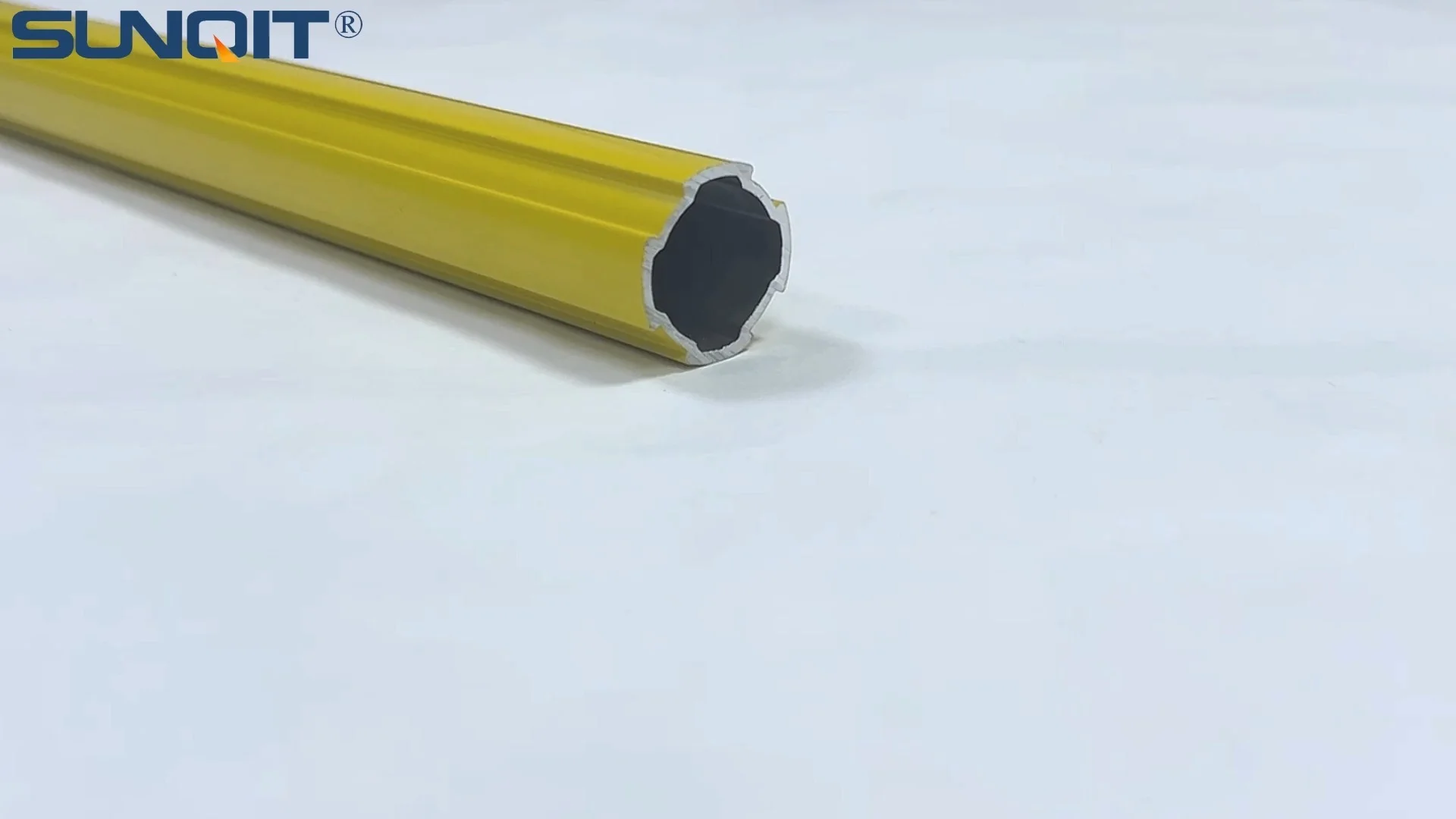
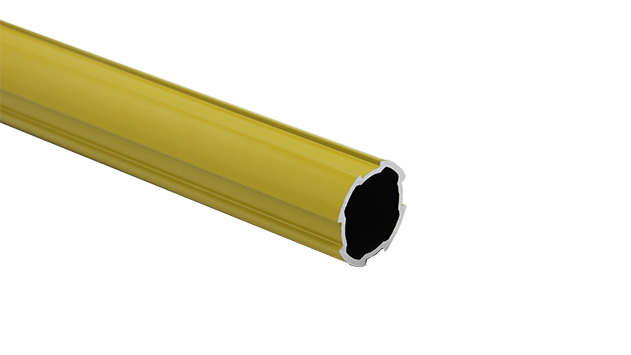
Aluminum pipe, it is used for workbench, flow rack,hand trolley assemble work with advantage of flexible and durable, yellow color makes it more attactive as a caution remind.
The Growing Demand for Sustainable Manufacturing Solutions
In today's world, where climate change and resource depletion are no longer distant threats but urgent realities, sustainability has become more than just a buzzword—it's a business imperative. From automotive plants to electronics factories, manufacturers are rethinking every aspect of their operations, starting with the materials they use. One material that's increasingly taking center stage in this green revolution is aluminum, particularly in the form of T slot aluminum pipe and aluminum extrusion profiles. But what makes these products a sustainable choice? And how can buyers be sure they're truly eco-friendly? That's where environmental certifications come in.
If you've ever shopped for industrial materials, you've probably seen labels like "eco-friendly," "sustainable," or "green." But without clear standards, these terms can feel vague—even misleading. Environmental certifications cut through the noise by setting rigorous criteria for sustainability, from raw material sourcing to production processes and end-of-life disposal. For businesses investing in aluminum profile systems—whether for workbenches, conveyor belts, or material racks—understanding these certifications isn't just about checking a box; it's about aligning with global sustainability goals, reducing operational footprints, and building trust with customers who care deeply about the planet.
What is T Slot Aluminum Pipe, Anyway?
Before diving into certifications, let's take a step back and clarify what we're talking about. T slot aluminum pipe—often referred to as aluminum extrusion profile—is a versatile building block used in industrial and commercial settings. Imagine a long, hollow tube with a T-shaped groove running along its length. This groove allows for easy attachment of aluminum pipe accessories like brackets, connectors, and panels, making it possible to assemble custom structures without welding or heavy tools. From lean manufacturing workstations to automated conveyor systems, these profiles are the backbone of flexible, modular setups.
What sets aluminum extrusion profile apart from other materials like steel or plastic? For starters, aluminum is inherently sustainable. It's 100% recyclable, and recycling it uses just 5% of the energy required to produce new aluminum from bauxite ore. That's a game-changer for industries looking to reduce their carbon footprints. Additionally, aluminum profiles are lightweight yet strong, corrosion-resistant, and designed for durability—meaning they last longer, reducing the need for frequent replacements. When paired with compatible aluminum pipe accessories (think reusable connectors or recyclable end caps), they form systems that align perfectly with the circular economy model: use, reuse, recycle.
Why Environmental Certifications Matter for Aluminum Products
You might be thinking, "Aluminum is recyclable—isn't that enough?" While aluminum's recyclability is a huge plus, not all aluminum extrusion processes are created equal. The environmental impact of a T slot aluminum pipe depends on factors like how the raw materials are sourced, the energy used during extrusion, the chemicals in finishing treatments, and even how the manufacturer handles waste. For example, an aluminum profile made from 100% recycled content using solar power will have a far lower carbon footprint than one made from virgin ore in a coal-powered facility.
This is where certifications come in. They provide third-party verification that a product or manufacturer meets specific environmental standards. For buyers, this means peace of mind: you're not just trusting a supplier's word—you're relying on an independent organization's stamp of approval. For manufacturers, certifications can open doors to new markets, particularly with clients who prioritize sustainability in their supply chains. And for the planet? Certifications drive industry-wide improvements by incentivizing better practices, from reducing energy use to minimizing waste.

Key Eco Labels Explained: What They Mean for T Slot Aluminum Pipe
Not all certifications are the same. Some focus on a manufacturer's overall environmental management, while others zero in on a specific product's lifecycle. Below, we break down the most relevant eco labels for anyone shopping for aluminum extrusion profiles or aluminum pipe accessories.
ISO 14001: Environmental Management Systems
ISO 14001 is perhaps the most widely recognized environmental certification globally. Issued by the International Organization for Standardization (ISO), it sets criteria for an organization's environmental management system (EMS). Think of it as a blueprint for how a company identifies, manages, and reduces its environmental impacts. To earn ISO 14001, a manufacturer must demonstrate that it tracks resource use (like energy and water), minimizes waste, complies with environmental laws, and continuously improves its sustainability efforts.
For buyers of aluminum profiles, an ISO 14001-certified lean pipe supplier sends a clear message: this company takes environmental responsibility seriously. It means the supplier has processes in place to, say, recycle aluminum scrap generated during extrusion, or switch to renewable energy sources for its factories. While ISO 14001 doesn't certify the product itself, it's a strong indicator that the entire production chain—from raw material sourcing to shipping—is held to high environmental standards.
Environmental Product Declaration (EPD)
If ISO 14001 is about the manufacturer, an Environmental Product Declaration (EPD) is all about the product. An EPD is a standardized document that quantifies a product's environmental impact across its entire lifecycle, from "cradle to grave." This includes everything from the extraction of raw materials (like bauxite for aluminum) to production, transportation, use, and disposal. EPDs are verified by independent third parties and follow strict guidelines set by organizations like the International EPD System or the European EPD Institute.
For a T slot aluminum pipe, an EPD might reveal, for example, that it has a carbon footprint of X kg CO2e per meter, or that 80% of its material is recycled. This data is invaluable for buyers looking to compare products objectively. Suppose you're choosing between two aluminum extrusion profiles: one with an EPD showing low energy use in production and high recyclability, and another with no such data. The EPD-certified option gives you concrete proof of its sustainability—no guesswork required.
LEED Certification: For Buildings and Beyond
LEED (Leadership in Energy and Environmental Design) is best known for rating green buildings, but its influence extends to the materials used in construction—including aluminum profiles. Administered by the U.S. Green Building Council (USGBC), LEED awards points for sustainable practices like using recycled materials, reducing waste, and improving energy efficiency. If a manufacturer's aluminum extrusion profile is used in a LEED-certified building, it can contribute to the project's overall score.
For example, a factory using LEED principles might opt for aluminum workbenches made from high-recycled-content profiles. The more recycled material in those profiles, the more LEED points the project earns. While LEED doesn't certify the aluminum itself, it creates a demand for sustainable materials, pushing suppliers to innovate. A forward-thinking lean pipe supplier might even market its profiles as "LEED-friendly" to attract clients in the construction or manufacturing sectors aiming for certification.
Comparing Key Eco Labels: A Quick Reference
| Eco Label | Issuing Body | Core Focus | Relevance to Aluminum Extrusion Profile |
|---|---|---|---|
| ISO 14001 | International Organization for Standardization (ISO) | Environmental management systems (manufacturer-level) | Indicates the supplier follows rigorous sustainability processes in production. |
| Environmental Product Declaration (EPD) | International EPD System, European EPD Institute, etc. | Product lifecycle environmental impact (cradle-to-grave data) | Provides objective metrics (carbon footprint, recycled content) for comparison. |
| LEED | U.S. Green Building Council (USGBC) | Sustainable building design and materials | Profiles with high recycled content or low embodied carbon can contribute to LEED points. |
| ASI Certification (Aluminum Stewardship Initiative) | Aluminum Stewardship Initiative | Responsible aluminum production, from mining to recycling | Covers the entire aluminum value chain, ensuring ethical and environmental standards. |

The Journey to Certification: From Raw Material to Finished Aluminum Profile
Certifications don't just happen—they require careful planning at every stage of the aluminum extrusion process. Let's walk through how a lean pipe supplier might transform raw aluminum into a certified, sustainable product.
Sourcing: Recycled Aluminum and Responsible Mining
The first step is sourcing raw materials. To minimize environmental impact, many suppliers prioritize recycled aluminum (often called "secondary aluminum") over virgin ore ("primary aluminum"). Recycled aluminum comes from scrap—old beverage cans, automotive parts, or even leftover extrusion trimmings. Using this scrap reduces the need for bauxite mining, which can disrupt ecosystems and release greenhouse gases. For certifications like EPD or ASI (Aluminum Stewardship Initiative), suppliers must document the percentage of recycled content and trace its origin to ensure it's ethically sourced.
For primary aluminum (when recycled content isn't sufficient), responsible mining practices are key. The ASI Certification, for example, sets standards for bauxite mining, including protecting biodiversity, respecting indigenous rights, and minimizing water pollution. A lean pipe supplier committed to ASI will work with mines that meet these criteria, ensuring the aluminum in their profiles starts its life responsibly.
Extrusion: Energy Efficiency and Waste Reduction
Once the raw aluminum is sourced, it's melted down and formed into billets (cylindrical blocks) for extrusion. The extrusion process involves heating the billet to around 500°C and forcing it through a die to create the T slot shape. This step is energy-intensive, so suppliers aiming for certifications focus on reducing energy use. Some switch to renewable energy sources like solar or wind power for their extrusion presses. Others invest in heat recovery systems, which capture waste heat from the process and reuse it to warm facilities or preheat billets.
Waste reduction is another priority. During extrusion, some aluminum is trimmed off to meet size requirements. Instead of sending this scrap to landfills, certified suppliers recycle it back into the production process. This not only reduces waste but also cuts down on raw material costs—a win-win for sustainability and profitability. Even the water used in cooling the extruded profiles is often recycled, with filtration systems to remove contaminants before reuse.
Finishing: Eco-Friendly Coatings and Treatments
After extrusion, aluminum profiles often need finishing to enhance durability or appearance. Common treatments include anodizing (creating a protective oxide layer) or powder coating (applying a dry paint that's baked on). Traditional finishing processes can use harsh chemicals, but certified suppliers opt for eco-friendly alternatives. Anodizing, for example, can be done with sulfuric acid that's recycled and reused, while powder coatings can be free of volatile organic compounds (VOCs)—harmful chemicals that contribute to air pollution.
Aluminum pipe accessories, too, play a role here. Connectors, casters, or end caps made from recycled plastic or aluminum ensure the entire system is sustainable from start to finish. A supplier might even design accessories to be modular, so they can be easily replaced or repurposed, extending the life of the entire setup.
The Role of the Lean Pipe Supplier in Upholding Standards
At the heart of certified aluminum extrusion profiles is the lean pipe supplier. These are the companies that bridge raw material producers and end-users, and their commitment to sustainability can make or break a product's eco credentials. But what exactly should you look for in a supplier?
First and foremost, transparency. A reputable lean pipe supplier will readily share documentation of their certifications—ISO 14001 certificates, EPD reports, or ASI verification. They'll also be open about their supply chain, answering questions like, "Where does your recycled aluminum come from?" or "How do you reduce energy use in extrusion?" If a supplier hesitates to provide this information, it might be a red flag.
Collaboration is another key trait. Sustainable manufacturing isn't a one-person job; it requires working with customers to design systems that minimize waste. For example, a supplier might suggest using lighter aluminum profiles for a workstation if heavy-duty strength isn't needed, reducing material use and shipping emissions. They might also offer take-back programs for old profiles, ensuring they're recycled properly at the end of their life.
Finally, continuous improvement. Certifications aren't static—standards evolve, and suppliers should evolve with them. A forward-thinking supplier will invest in research and development, testing new alloys for better recyclability or experimenting with zero-waste extrusion techniques. They'll also seek feedback from customers and certifying bodies to identify areas for growth.
Benefits of Choosing Certified T Slot Aluminum Pipe
Investing in certified aluminum extrusion profiles isn't just good for the planet—it's good for business. Here are some of the key benefits:
Cost Savings: Efficiency and Longevity
Sustainable practices often translate to lower costs over time. For example, aluminum profiles made with recycled content require less energy to produce, which can reduce supplier prices. Durable, corrosion-resistant aluminum also lasts longer than materials like steel, meaning fewer replacements and less downtime for repairs. Even aluminum pipe accessories play a role: modular, reusable connectors mean you can reconfigure a workstation instead of buying a new one when needs change.
Brand Reputation: Appealing to Eco-Conscious Customers
Today's consumers and B2B buyers prioritize sustainability. A 2023 survey by Nielsen found that 78% of global consumers prefer brands that demonstrate environmental responsibility. By using certified aluminum profiles, your business can tell a compelling sustainability story—whether in marketing materials, annual reports, or client pitches. This not only attracts eco-conscious customers but also differentiates you from competitors still using traditional materials.
Regulatory Compliance: Staying Ahead of the Curve
Governments worldwide are tightening environmental regulations. The EU's Carbon Border Adjustment Mechanism (CBAM), for example, taxes imports based on their carbon footprint. By choosing low-carbon aluminum extrusion profiles with EPDs, you can avoid these taxes and ensure compliance with future regulations. Certifications like ISO 14001 also help meet local environmental laws, reducing the risk of fines or operational disruptions.
Employee Satisfaction: A Workplace That Aligns with Values
Employees—especially younger generations—want to work for companies that share their values. A factory outfitted with sustainable aluminum workstations sends a message that your business cares about more than profits. This can boost morale, reduce turnover, and even attract top talent who prioritize environmental responsibility.
Challenges and Misconceptions in Environmental Certification
While certifications are powerful tools, they're not without challenges. Let's address some common hurdles and myths.
The Cost of Certification: Is It Worth It?
One of the biggest concerns for suppliers and buyers is the cost of certification. Third-party audits, documentation, and process upgrades can be expensive upfront. However, these costs are often offset by long-term savings: lower energy bills, reduced waste disposal fees, and access to premium markets willing to pay more for sustainable products. For small businesses, there are also grants and incentives available for adopting green practices—many governments offer tax breaks for companies that achieve ISO 14001 or use recycled materials.
Greenwashing: Spotting Genuine Certifications
Greenwashing—making false or exaggerated sustainability claims—is a real problem. Some suppliers might slap an "eco-friendly" label on their aluminum profiles without backing it up with certifications. To avoid falling for this, look for third-party verification. Certifications like ISO 14001, EPD, or ASI are issued by independent organizations, not the suppliers themselves. Ask to see the actual certificate or EPD report, and check the certifying body's website to confirm it's legitimate.
"Sustainable" Doesn't Mean "Low Quality"
A common misconception is that sustainable products sacrifice quality for eco-friendliness. This couldn't be further from the truth for aluminum extrusion profiles. Recycled aluminum has the same strength and durability as virgin aluminum, and modern extrusion techniques ensure certified profiles meet strict performance standards. In fact, many certified suppliers invest in quality control to maintain their certifications, resulting in products that are both sustainable and reliable.
Future Trends: Innovations in Sustainable Aluminum Extrusion
The future of aluminum extrusion is bright—and green. Here are some emerging trends that could shape the industry:
Circular Economy Models
The circular economy—where products are designed for reuse and recycling—is gaining momentum. In aluminum extrusion, this means designing profiles and accessories for easy disassembly, so components can be repaired or recycled individually. Some suppliers are even experimenting with "product as a service" models, where customers lease aluminum systems and return them at the end of use for recycling or repurposing.
Smart Manufacturing and AI
Artificial intelligence (AI) is being used to optimize extrusion processes, reducing energy use and waste. AI-powered sensors can monitor temperature and pressure in real time, adjusting settings to minimize scrap. Machine learning algorithms can also predict maintenance needs, preventing breakdowns that lead to wasted materials and downtime.
Bio-Based Coatings and Finishes
Traditional aluminum finishes often use harsh chemicals. The next generation of coatings will likely be bio-based—made from plant oils or other renewable resources. These coatings are non-toxic, biodegradable, and just as durable as conventional options, making them ideal for certifications that prioritize low environmental impact.
Conclusion: Building a Greener Future with Certified Aluminum Solutions
Environmental certifications for T slot aluminum pipe and aluminum extrusion profiles are more than just labels—they're a promise. A promise that the products you use are designed with the planet in mind, from the mine to the manufacturing floor to the end of their lifecycle. For businesses, choosing certified profiles isn't just a sustainable choice; it's a strategic one—driving cost savings, brand loyalty, and compliance with a world that's increasingly focused on green solutions.
As a lean pipe supplier, manufacturer, or end-user, you have the power to shape this future. By demanding transparency, prioritizing certifications, and supporting suppliers who invest in sustainability, you're not just building better workstations or conveyor systems—you're building a more resilient, eco-friendly industrial landscape. And in the end, that's a legacy worth leaving.
So the next time you're in the market for aluminum profile systems, remember: the right certification isn't just a checkbox. It's a step toward a world where industry and the environment thrive together.