- Company Articles
- Industry articles
- Industry News
- Environmental Impact: 1.5mm Stainless Steel Pipe Recycling in Lean Manufacturing

Environmental Impact: 1.5mm Stainless Steel Pipe Recycling in Lean Manufacturing
Related Product
1.5mm Stainless Steel Pipe
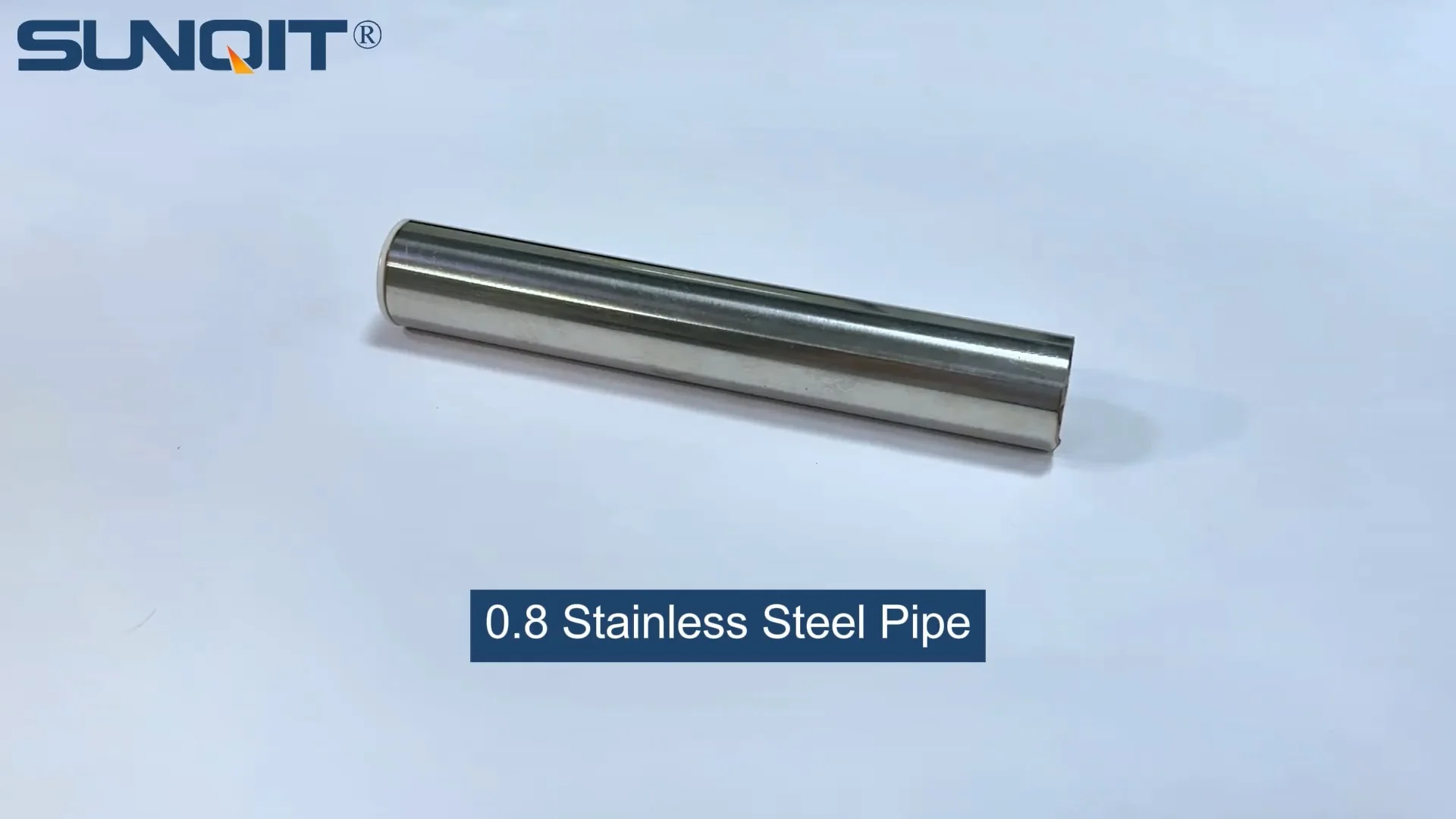
Stainless steel pipe, lean pipe, diameter is 28mm, material is SS201 or SS304, SS201 is normally used in the market. It knows a KARAKURI, KAIZEN material for industrial plant to improve efficiency, save labor cost, standard management.
In the world of manufacturing, the term "lean" has become more than just a buzzword—it's a philosophy that drives businesses to do more with less. Lean manufacturing, at its core, is about eliminating waste (muda), optimizing processes, and creating value for customers. But in recent years, there's been a growing realization that "lean" and "sustainable" aren't mutually exclusive. In fact, they're two sides of the same coin. After all, what's more wasteful than extracting raw materials, manufacturing products, and then discarding them after a single use? This is where the recycling of materials like 1.5mm stainless steel pipes comes into play—a practice that not only aligns with lean principles but also significantly reduces environmental harm. Let's explore how recycling these seemingly small components is making a big difference in the lean manufacturing landscape.
The Backbone of Lean Systems: Stainless Steel Pipe Series
Before diving into recycling, it's important to understand why 1.5mm stainless steel pipes are so integral to lean systems. Walk through any lean manufacturing facility, and you'll see them everywhere: supporting workbenches, forming the frames of flow racks, guiding conveyor belts, and even structuring turnover trolleys. What makes them so popular? For starters, stainless steel is durable—resistant to corrosion, heat, and wear—meaning it can withstand the daily grind of a busy factory floor. At 1.5mm thickness, these pipes strike a perfect balance between strength and flexibility; they're sturdy enough to support heavy loads but lightweight enough to be reconfigured when production lines change— a key feature in lean's demand for adaptability.
The "stainless steel pipe series" isn't just a random collection of parts, either. It includes pipes of various diameters, wall thicknesses, and finishes, along with (matching) "lean pipe joint" components that allow for quick assembly and disassembly. This modularity is a cornerstone of lean manufacturing. Instead of building fixed, one-size-fits-all structures, manufacturers can create custom setups that evolve with their needs. A workbench today might become a material rack tomorrow, all by reusing the same pipes and joints. But here's the catch: even the most durable materials eventually reach the end of their lifecycle. When that happens, the question isn't whether to replace them—but how to do so without contributing to the growing mountain of industrial waste.
The Environmental Cost of "Business As Usual"
To appreciate the impact of recycling 1.5mm stainless steel pipes, let's first consider the alternative: traditional manufacturing from virgin materials. Producing stainless steel from scratch is an energy-intensive process. It starts with mining iron ore, nickel, chromium, and other alloys—each requiring heavy machinery, fuel, and water. These raw materials are then transported to smelters, where they're melted at temperatures exceeding 1,500°C, releasing greenhouse gases like CO2 and methane in the process. According to the World Steel Association, steel production accounts for about 7% of global CO2 emissions annually. For stainless steel, which contains higher levels of nickel and chromium, the carbon footprint is even larger.
Once the stainless steel is produced, rolling it into 1.5mm pipes involves additional energy and water use, not to mention the waste generated from cutting, shaping, and finishing. By the time a pipe reaches a factory floor, its environmental "tab" is already substantial. And when that pipe is no longer needed—maybe it's bent, scratched, or the production line is redesigned— the default option for many manufacturers used to be the landfill. There, it would take decades, if not centuries, to decompose, leaching small amounts of metals into the soil and water. This linear "take-make-dispose" model is the antithesis of lean thinking, which aims to minimize waste at every stage.

Recycling 1.5mm Stainless Steel Pipes: A Lean Solution
Recycling 1.5mm stainless steel pipes isn't just an eco-friendly choice—it's a lean solution. Here's why: lean manufacturing prioritizes the efficient use of resources, and recycling transforms "waste" into a valuable input. The process of recycling stainless steel is surprisingly straightforward, and it starts right on the factory floor. Instead of tossing old pipes into general waste bins, lean facilities separate them into dedicated recycling containers. This initial step is critical: contamination from other materials (like plastic or carbon steel) can reduce the quality of the recycled metal, so proper sorting is key.
Once collected, the pipes are sent to a recycling facility, where they're cleaned to remove dirt, oil, or paint. Next, they're shredded into small pieces to increase surface area, making them easier to melt. Unlike many materials (looking at you, plastic), stainless steel is 100% recyclable—meaning it can be melted down and reused repeatedly without losing its strength or corrosion resistance. The shredded pipes are then melted in an electric arc furnace, a process that uses significantly less energy than smelting virgin ore. In fact, recycling stainless steel uses about 75% less energy than producing it from scratch, according to the Steel Recycling Institute. That's a massive reduction in both energy costs and greenhouse gas emissions.
After melting, the molten steel is purified to remove any remaining impurities, then cast into new billets or sheets. These can then be rolled into fresh 1.5mm stainless steel pipes, or even into "lean pipe joint" components, closing the loop. The result? A material that's just as strong and reliable as its virgin counterpart, but with a fraction of the environmental impact. For lean manufacturers, this translates to lower energy bills, reduced reliance on volatile raw material markets, and a smaller carbon footprint—all while staying true to the principle of eliminating waste.

Quantifying the Impact: By the Numbers
It's one thing to say recycling is "better" for the environment, but let's put some concrete numbers behind it. The table below compares the environmental impact of producing 1 ton of 1.5mm stainless steel pipes from virgin materials versus recycling the same amount from used pipes.
| Environmental Metric | Virgin Material Production | Recycled Material Production | Reduction with Recycling |
|---|---|---|---|
| Energy Consumption | 3,500 kWh | 875 kWh | 75% |
| CO2 Emissions | 2.5 tons | 0.6 tons | 76% |
| Water Usage | 40,000 liters | 5,000 liters | 87.5% |
| Raw Material Extraction | 3 tons of ore | 0 tons (recycled input) | 100% |
| Solid Waste Generated | 500 kg | 50 kg | 90% |
These numbers are staggering. For every ton of 1.5mm stainless steel pipes recycled, manufacturers save enough energy to power an average home for 3 months. They also prevent 1.9 tons of CO2 from entering the atmosphere—equivalent to taking a car off the road for 4,000 miles. And by eliminating the need to mine 3 tons of ore, they reduce habitat destruction, soil erosion, and water pollution associated with mining activities. For lean manufacturers, these savings add up quickly. A mid-sized facility using 100 tons of stainless steel pipes annually could cut its carbon footprint by 190 tons and save 262,500 kWh of energy by switching to recycled materials. That's not just good for the planet—it's good for the bottom line, too.
From Waste to Resource: How Lean Pipe Suppliers Drive Change
While manufacturers play a crucial role in collecting and sorting old pipes, the success of recycling also depends on the supply chain—specifically, lean pipe suppliers. These suppliers are no longer just sellers of materials; they're partners in sustainability. Forward-thinking suppliers now offer "take-back" programs, where they collect used 1.5mm stainless steel pipes from their customers, transport them to recycling facilities, and then sell the recycled pipes back as part of their product lineup. This closed-loop system ensures that waste doesn't end up in landfills and that recycled materials are readily available to manufacturers.
Some lean pipe suppliers have even gone a step further by certifying their recycled stainless steel pipes. For example, pipes labeled as "100% recycled content" give manufacturers confidence that they're truly reducing their environmental impact. These suppliers also educate their customers on the benefits of recycling, providing guidelines on how to properly sort and store old pipes to maximize recyclability. In doing so, they're not just selling products—they're fostering a culture of sustainability within the lean manufacturing community.
Take, for instance, a hypothetical lean pipe supplier that specializes in stainless steel pipe series. By partnering with local recycling facilities, they've built a network that allows them to source 30% of their raw materials from recycled pipes. This not only lowers their production costs but also lets them offer competitive pricing to manufacturers, making recycled pipes an attractive option. For the manufacturer, this means access to high-quality, sustainable materials without sacrificing performance or breaking the bank—a win-win for both the bottom line and the planet.
Real-World Impact: A Case Study
To see how this works in practice, let's look at a mid-sized automotive parts manufacturer that recently switched to recycled 1.5mm stainless steel pipes. Prior to 2023, the company used virgin stainless steel for their assembly line workbenches and flow racks. When their lean coordinator conducted a waste audit, they discovered that over 2 tons of old pipes were being sent to landfills annually—pipes that were still structurally sound but no longer needed due to a production line redesign.
The coordinator reached out to their lean pipe supplier, who offered a take-back program. Over the next six months, the manufacturer collected all their old pipes, sorted them by size, and sent them to the supplier's recycling partner. The supplier then processed the pipes into recycled 1.5mm stainless steel, which the manufacturer purchased at a 10% discount compared to virgin pipes. The results were impressive: the company reduced its carbon emissions by 15 tons that year, cut material costs by $8,000, and even improved its lean audit score by 10 points, thanks to better waste management.
But the benefits didn't stop there. The recycled pipes performed just as well as the virgin ones, with no issues in durability or assembly. Workers reported that the recycled pipes were slightly lighter (due to minor differences in alloy composition), making them easier to handle during reconfigurations. The manufacturer also used the switch to recycled materials as a marketing point, highlighting their commitment to sustainability in customer presentations—a move that helped them win a major contract with an eco-conscious automaker.
Challenges and the Path Forward
Of course, recycling 1.5mm stainless steel pipes isn't without its challenges. One of the biggest hurdles is contamination. If pipes are mixed with other metals (like carbon steel) or non-metallic materials (like plastic coatings), the recycled steel can become brittle or less corrosion-resistant. To address this, manufacturers need to invest in employee training—teaching workers to sort pipes by material type and to remove any non-stainless steel components (like plastic end caps) before recycling. Color-coded bins and clear signage can also help reduce mistakes.
Another challenge is the initial cost of setting up a recycling program. While take-back programs from lean pipe suppliers can offset some costs, manufacturers may need to invest in separate storage containers, transportation, and sorting equipment. However, these costs are often recouped over time through lower material expenses and reduced waste disposal fees. Governments can also play a role by offering tax incentives or grants for companies that adopt recycling programs, making sustainability more accessible.
Looking ahead, the future of 1.5mm stainless steel pipe recycling in lean manufacturing is bright. As more manufacturers recognize the environmental and economic benefits, demand for recycled materials will grow, driving innovation in recycling technology. We may soon see advances in automated sorting systems that use AI to identify and separate stainless steel pipes from other waste, or new alloys that make recycled steel even stronger. Additionally, as the circular economy gains traction, we could see more collaboration between manufacturers, suppliers, and recyclers—creating closed-loop systems where waste is virtually eliminated.
Conclusion: Lean, Green, and Here to Stay
In the end, recycling 1.5mm stainless steel pipes is more than just an environmental initiative—it's a lean imperative. By turning waste into a resource, manufacturers reduce costs, improve efficiency, and minimize their environmental impact. It aligns perfectly with the lean philosophy of continuous improvement: just as lean seeks to optimize processes, recycling optimizes the use of materials, ensuring nothing goes to waste.
As we move toward a more sustainable future, the role of recycled materials like 1.5mm stainless steel pipes will only grow. Lean manufacturing, with its focus on waste reduction and value creation, is uniquely positioned to lead this charge. And with the support of forward-thinking lean pipe suppliers, the stainless steel pipe series will continue to be a backbone of both lean systems and sustainable manufacturing.
So the next time you walk through a lean factory and see those 1.5mm stainless steel pipes, remember: they're not just tools of efficiency—they're symbols of a better way to make things. A way that's lean, green, and built to last.