- Company Articles
- Industry articles
- Industry News
- Environmental Impact of 1.0mm Stainless Steel Pipe Recycling

Environmental Impact of 1.0mm Stainless Steel Pipe Recycling
Related Product
1.0mm Stainless Steel Pipe
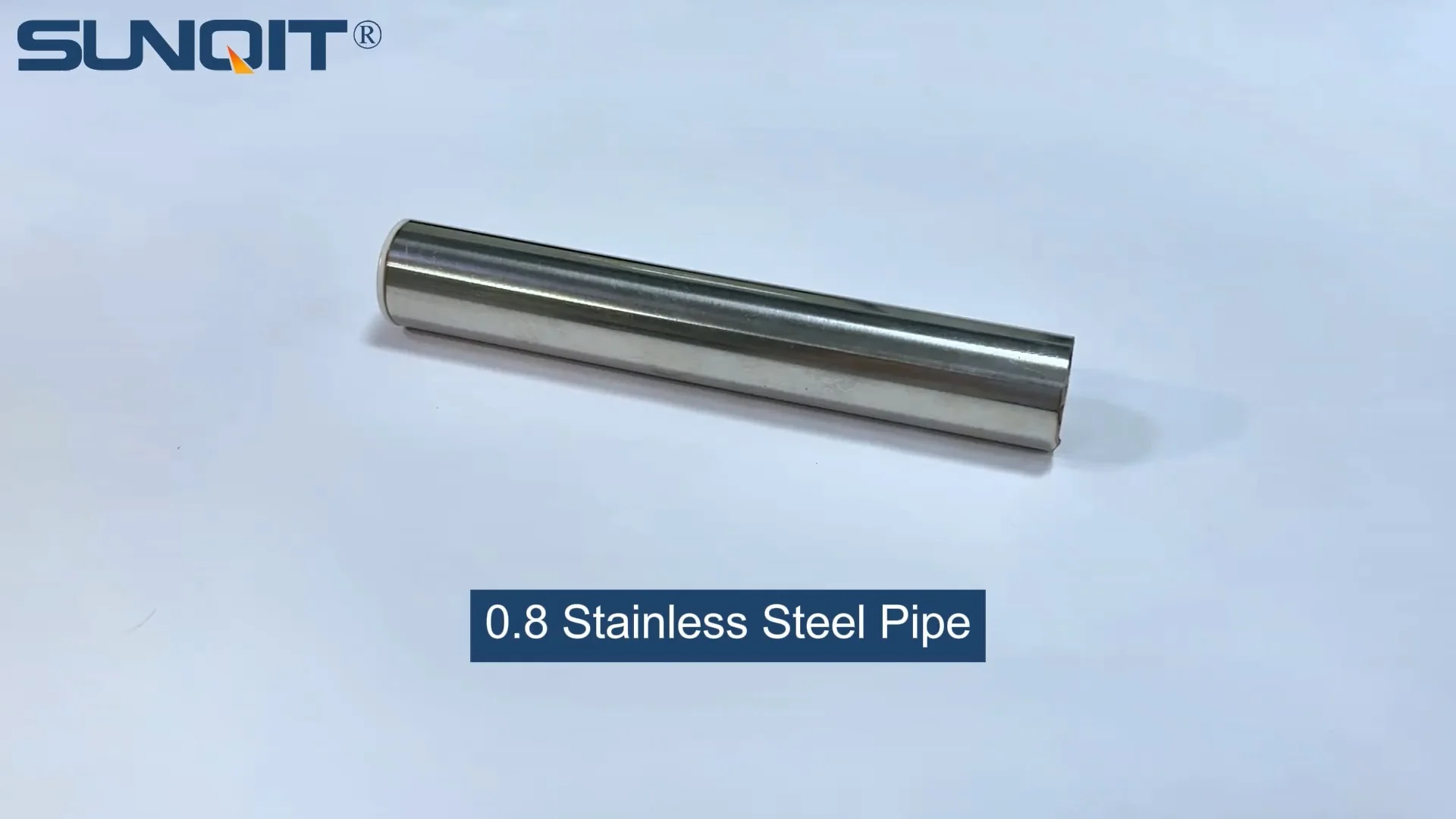
Stainless steel pipe, lean pipe, diameter is 28mm, material is SS201 or SS304, SS201 is normally used in the market. It knows a KARAKURI, KAIZEN material for industrial plant to improve efficiency, save labor cost, standard management.
Every day, in factories, warehouses, and construction sites around the world, lengths of stainless steel pipe quietly play a role in keeping our industries moving. From the conveyor belts that transport goods to the workbenches where products are assembled, these pipes are the unsung heroes of modern manufacturing. But what happens when they reach the end of their life? For the 1.0mm stainless steel pipe—a versatile, lightweight member of the stainless steel pipe series—recycling isn't just a choice; it's a lifeline for our planet. In this article, we'll explore the environmental impact of recycling these pipes, diving into why it matters, how it works, and the ripple effects it has on everything from energy consumption to community health.
Why 1.0mm Stainless Steel Pipe? A Workhorse in the Stainless Steel Pipe Series
Before we dive into recycling, let's take a moment to appreciate the star of the show: the 1.0mm stainless steel pipe. Part of the broader stainless steel pipe series, this particular (specification) stands out for its balance of strength and flexibility. At just 1mm thick, it's lightweight enough for applications like roller track systems, where smooth movement of materials is key, yet durable enough to withstand the wear and tear of daily industrial use. Think of the roller track in a warehouse, gently guiding boxes from one station to the next—that's often 1.0mm stainless steel at work.
But here's the thing: stainless steel, by nature, is designed to last. Its resistance to corrosion and rust means that even after years of service, a 1.0mm pipe might still have plenty of life left in it—if we give it a second chance. That's where recycling comes in. Unlike materials that degrade when reused, stainless steel can be recycled infinitely without losing its properties. This "infinite recyclability" is why the 1.0mm pipe, and the stainless steel pipe series as a whole, is such a critical player in sustainable manufacturing.
The Recycling Journey: From Scrap Heap to New Pipe
Recycling a 1.0mm stainless steel pipe isn't as simple as tossing it in a blue bin. It's a carefully orchestrated process that involves human hands, specialized machinery, and a commitment to precision. Let's walk through the steps—because understanding the journey helps us appreciate the impact.
Step 1: Collection and Sorting
It all starts with collection. Factories, construction sites, and even individuals send their used stainless steel pipes to recycling centers. Here, workers sort through the scrap, separating 1.0mm pipes from other metals like aluminum or carbon steel. Why? Contamination can ruin a batch of recycled stainless steel, so precision here is key. Imagine a worker in gloves, carefully inspecting each pipe, ensuring that only the right material moves forward. Their attention to detail is the first line of defense in creating high-quality recycled steel.
Step 2: Cleaning and Preparation
Next, the sorted pipes are cleaned to remove any coatings, paints, or debris. For 1.0mm pipes that might have been used in food processing or medical settings, this step is especially important to ensure purity. (high-pressure water jets) or chemical baths strip away contaminants, leaving the stainless steel bare and ready for the next stage.
Step 3: Melting and Purification
The cleaned pipes are then shredded into smaller pieces and loaded into a furnace. Here, they're melted at temperatures exceeding 1,500°C (2,732°F). As the metal liquefies, impurities rise to the surface and are skimmed off. This purification process ensures that the recycled steel meets the same standards as virgin steel. What's remarkable? Even after melting, the 1.0mm pipe's core properties—its strength, corrosion resistance—remain intact.
Step 4: Forming New Products
Once purified, the molten steel is cast into billets or sheets, which are then rolled and formed into new products. And here's the beautiful part: that recycled 1.0mm pipe could become anything from a new roller track in a factory to a component in a medical device. It's a cycle of renewal that turns "waste" into something valuable.

Environmental Benefits: More Than Just "Going Green"
Now, let's talk impact. Recycling 1.0mm stainless steel pipes isn't just a feel-good practice—it's a powerhouse for environmental sustainability. Let's break down the benefits, backed by numbers that tell the real story.
Energy Savings: A Game-Changer for Climate
One of the biggest wins of recycling stainless steel is energy conservation. Producing stainless steel from virgin ore requires mining, transporting, and processing raw materials—all energy-intensive steps. Recycling, on the other hand, skips most of these stages. According to the Steel Recycling Institute, recycling stainless steel uses 70-80% less energy than producing it from scratch. For a 1.0mm pipe, that translates to significant reductions in fossil fuel use and greenhouse gas emissions.
To put it in perspective: Let's say a lean pipe supplier produces 10,000 meters of 1.0mm stainless steel pipe using recycled material. The energy saved could power a small town for a month. That's not just a statistic—it's a tangible impact on our fight against climate change.
Reduced Emissions: Breathing Easier
Less energy use means fewer emissions. Virgin stainless steel production releases large amounts of CO2, a primary driver of global warming. Recycling cuts these emissions by up to 70%. But it's not just CO2—mining and processing ore also release other pollutants like sulfur dioxide and nitrogen oxides, which contribute to smog and acid rain. By recycling, we're not just lowering our carbon footprint; we're cleaning the air in communities near steel plants and mines.
Resource Conservation: Protecting Our Planet's Bounty
Stainless steel is made from iron ore, nickel, chromium, and other metals—all finite resources. Mining these ores disrupts ecosystems, destroys habitats, and depletes the Earth's natural reserves. Recycling 1.0mm pipes reduces the need for new mining. For example, every ton of recycled stainless steel saves approximately 2,500 kg of iron ore, 1,400 kg of coal, and 120 kg of limestone. Multiply that by the millions of tons of stainless steel recycled globally each year, and the impact is staggering. We're not just saving resources for today—we're preserving them for future generations.
| Environmental Factor | Virgin Stainless Steel Production | Recycled Stainless Steel Production | Reduction with Recycling |
|---|---|---|---|
| Energy Consumption | High (requires mining, processing, refining) | Low (skips mining/processing stages) | 70-80% |
| CO2 Emissions | High (from fossil fuel use in mining/refining) | Low (reduced fossil fuel reliance) | Up to 70% |
| Iron Ore Usage | 2,500 kg per ton of steel | Minimal (uses recycled scrap) | ~100% |
| Water Pollution | High (mining runoff, chemical discharge) | Low (reduced mining/processing water use) | Up to 40% |

Challenges in Recycling: The Roadblocks We're Overcoming
Of course, recycling 1.0mm stainless steel pipes isn't without its challenges. If it were easy, everyone would do it perfectly. Let's acknowledge the hurdles—and how the industry is rising to meet them.
Contamination: The Enemy Within
As mentioned earlier, contamination is a major issue. If non-stainless steel metals (like aluminum or copper) or non-metal materials (like plastic or rubber) end up in the recycling stream, they can ruin the batch. For example, aluminum has a lower melting point than stainless steel, so it can cause defects in the recycled steel. This means sorting is critical—and expensive. Many recycling centers rely on manual labor for sorting, which is time-consuming and prone to human error. However, new technologies like magnetic separators and X-ray sorters are making this process faster and more accurate, reducing contamination rates.
Cost: Balancing Sustainability and Profit
Recycling can be more expensive than producing virgin steel, especially when oil prices are low (since virgin steel production relies on cheap energy). For small manufacturers or lean pipe suppliers operating on tight margins, the upfront cost of switching to recycled materials can be a barrier. However, as demand for sustainable products grows and governments offer incentives (like tax breaks for using recycled materials), the tide is turning. Many companies are realizing that long-term savings—from reduced energy bills and improved brand reputation—outweigh the initial costs.
Awareness: Closing the Loop in the Supply Chain
Finally, there's the challenge of awareness. Many businesses don't realize that their old 1.0mm pipes can be recycled, or they don't know how to properly dispose of them. This leads to valuable scrap ending up in landfills, where it sits unused for decades. Lean pipe suppliers and manufacturers have a role to play here—by educating their customers on recycling options, offering take-back programs for old pipes, and partnering with local recycling centers to make the process easier. When the entire supply chain prioritizes recycling, the loop closes more efficiently.
The Role of the Lean Pipe Supplier: A Catalyst for Change
Speaking of the supply chain, let's talk about the unsung heroes behind sustainable stainless steel: the lean pipe suppliers. These are the companies that design, manufacture, and distribute products like 1.0mm stainless steel pipes, roller tracks, and workbenches. In recent years, forward-thinking lean pipe suppliers have emerged as leaders in promoting recycling, turning it from a "nice-to-have" into a core part of their business model.
How do they do it? Many lean pipe suppliers now offer "closed-loop" systems, where they take back old or damaged pipes from customers, recycle them, and use the recycled material to make new products. This not only ensures that scrap doesn't end up in landfills but also gives customers a convenient, sustainable way to dispose of their old equipment. Some suppliers even certify their recycled pipes, letting customers know exactly how much recycled content goes into each product—transparency that builds trust and encourages more businesses to choose sustainable options.
Additionally, lean pipe suppliers are investing in research to improve the recyclability of their products. For example, designing pipes with fewer coatings or easier-to-remove adhesives makes them simpler to clean and recycle. They're also exploring ways to blend recycled stainless steel with other sustainable materials, like aluminum profile, to create hybrid products that are both strong and eco-friendly. By leading the way, these suppliers are proving that sustainability and profitability can go hand in hand.
Beyond Stainless Steel: Comparing with Aluminum Profile
While we've focused on 1.0mm stainless steel pipes, it's worth noting that other materials, like aluminum profile, also play a role in sustainable manufacturing. Aluminum is highly recyclable too—using recycled aluminum saves 95% of the energy needed to produce virgin aluminum. So how do these two materials stack up when it comes to environmental impact?
Stainless steel has the edge in durability and corrosion resistance, making it ideal for harsh environments (like chemical plants or outdoor applications). Aluminum profile, on the other hand, is lighter and more malleable, suited for applications where weight is a concern (like aerospace or consumer electronics). Both have their place, and both benefit from recycling. The key takeaway? Whether it's a 1.0mm stainless steel pipe or an aluminum profile, recycling is a win for the environment. The more we recycle across all materials, the greater our collective impact.
A Future Built on Recycling: What Lies Ahead
So, what does the future hold for 1.0mm stainless steel pipe recycling? The outlook is bright. As governments around the world tighten environmental regulations and consumers demand more sustainable products, businesses are under increasing pressure to adopt circular economy models—where waste is minimized, and resources are reused. This means more investment in recycling infrastructure, better technology for sorting and purification, and greater collaboration between lean pipe suppliers, manufacturers, and recycling centers.
We're also seeing innovation in how recycled stainless steel is used. For example, some companies are using recycled 1.0mm pipes to create modular workbenches and roller track systems that are designed to be disassembled and recycled again at the end of their life. It's a "cradle-to-cradle" approach that ensures the material never becomes waste.
Perhaps most importantly, there's a growing cultural shift toward valuing sustainability. Younger generations entering the workforce are demanding that companies prioritize the planet, and businesses are listening. From factory floors to boardrooms, people are starting to see recycling not as a chore, but as a responsibility—and an opportunity to build a better future.
Conclusion: Every Pipe Counts
As we wrap up, let's circle back to that 1.0mm stainless steel pipe. It might seem small—just a thin tube of metal—but its impact, when recycled, is enormous. It's a symbol of how even the most ordinary industrial materials can play a role in healing our planet. From the worker sorting scrap at a recycling center to the lean pipe supplier designing closed-loop systems, every person involved in this process is part of a global movement toward sustainability.
The environmental impact of recycling 1.0mm stainless steel pipes is clear: less energy used, fewer emissions released, more resources conserved, and cleaner communities for all. It's not just about "going green"—it's about ensuring that the factories, warehouses, and industries we rely on today can thrive without sacrificing the health of our planet tomorrow.
So the next time you see a roller track gliding smoothly, or a workbench holding up under heavy tools, take a moment to think about the journey of the stainless steel pipes that make it possible. And remember: when that pipe's work is done, its story isn't over. It's just beginning again—thanks to recycling. Every pipe counts, and every choice to recycle is a step toward a more sustainable world.