- Company Articles
- Industry articles
- Industry News
- Environmental Impact of Aluminum Guide Rail B: Reducing Carbon Footprint in Manufacturing

Environmental Impact of Aluminum Guide Rail B: Reducing Carbon Footprint in Manufacturing
Related Product
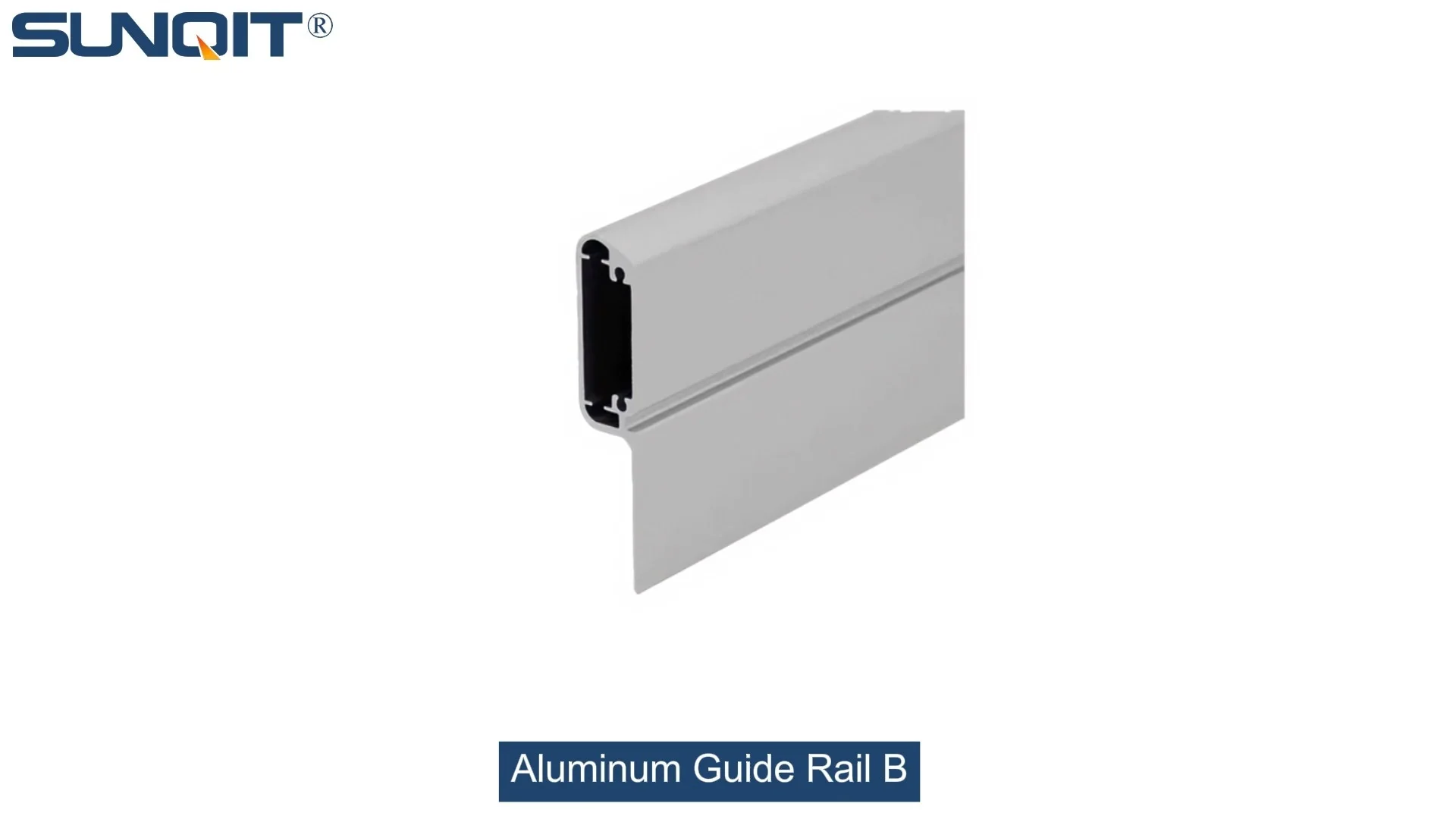
Aluminum Guide Rail B
The aluminum guide rails hold the transport goods securely on the roller track. For installation, the guide rails are simply pushed over the roller tracks.To protect sensitive products.
In today's manufacturing landscape, the pressure to balance productivity with environmental responsibility has never been greater. Factories worldwide are grappling with how to cut carbon emissions, reduce waste, and build more sustainable production lines—without sacrificing efficiency. Enter aluminum guide rail B : a small but mighty component that's quietly revolutionizing green manufacturing. As part of a broader lean system , this unassuming piece of hardware embodies the "reduce, reuse, recycle" ethos, proving that sustainability and performance can go hand in hand. Let's dive into how aluminum guide rail B, paired with thoughtful lean solutions , is helping manufacturers shrink their carbon footprint—one assembly line at a time.
The Hidden Environmental Cost of Traditional Manufacturing
For decades, manufacturing relied heavily on materials and designs that prioritized short-term output over long-term planetary health. Steel rails, fixed production lines, and single-use components were the norm—resulting in staggering waste. Consider this: traditional steel guide rails, once worn or outdated, often end up in landfills because recycling them is energy-intensive. Fixed production setups, lacking flexibility, force factories to rebuild entire lines when needs change, generating tons of construction waste. And let's not forget the carbon footprint of raw material extraction: producing new steel emits roughly 1.8 tons of CO₂ per ton of material, while transporting heavy steel components adds even more to the tally.
It's a cycle that's hard to break—until now. Aluminum guide rail B, designed with lean principles at its core, is flipping the script. Lightweight, durable, and infinitely adaptable, it's not just a tool for efficiency; it's a lifeline for manufacturers committed to sustainability.
Aluminum Guide Rail B: A Green Game-Changer
At first glance, aluminum guide rail B might seem like just another industrial part. But look closer, and you'll see why it's become a cornerstone of eco-friendly manufacturing. Let's start with the material itself: aluminum. Unlike steel, aluminum is 100% recyclable, and recycling it requires only 5% of the energy needed to produce new aluminum. That's a 95% reduction in carbon emissions right there. When a factory upgrades its production line, old aluminum guide rails don't become waste—they're melted down and reborn into new components, closing the loop on resource use.
Then there's the design. Aluminum guide rail B is built for lean systems : modular, adjustable, and compatible with a range of components like flow racks and workbenches. Its sleek, lightweight structure (thanks to high-grade aluminum extrusion profiles) cuts down on transportation emissions—trucks carry more rails per trip, reducing fuel consumption. On the factory floor, its smooth, low-friction surface minimizes energy use in conveyor systems, while its corrosion-resistant finish means less frequent replacements. No more tossing out rusted rails every few years; aluminum guide rail B is built to last, and when it finally needs a refresh, it's recycled, not discarded.

From Component to System: How Lean Solutions Amplify the Impact
Aluminum guide rail B doesn't work alone—it's part of a larger ecosystem of sustainable manufacturing tools. Pair it with a lean system that includes flow racks, conveyors, and modular workbenches, and the environmental benefits multiply. Here's how:
- Less Waste, More Reuse : Lean systems thrive on "reusability." Aluminum guide rail B's modular design lets factories reconfigure production lines without replacing entire setups. A 3C assembly plant, for example, can adjust rail positions to accommodate a new smartphone model instead of building a whole new line—saving materials and reducing waste.
- Energy Efficiency in Motion : When combined with low-friction flow racks and energy-efficient conveyors, aluminum guide rail B reduces the power needed to move materials. The smooth glide of products along the rails cuts down on motor strain, lowering electricity use and, in turn, carbon emissions from power plants.
- Customized for Sustainability : Every factory is different, which is why lean solutions prioritize customization. A medical device manufacturer might need a compact, ESD-safe workstation; a logistics warehouse might require high-capacity flow racks. By tailoring systems to exact needs, manufacturers avoid overbuilding—and over-consuming resources.

By the Numbers: Aluminum Guide Rail B vs. Traditional Steel Rails
Curious how the environmental impact stacks up? Let's compare aluminum guide rail B with traditional steel guide rails in key sustainability metrics:
| Metric | Traditional Steel Rails | Aluminum Guide Rail B |
| Carbon Emissions (Production) | 1.8 tons CO₂ per ton of material | 0.2 tons CO₂ per ton of material |
| Recyclability Rate | 60-70% | 100% |
| Energy for Recycling | 30% of original production energy | 5% of original production energy |
| Typical Lifespan in Factories | 5-7 years (due to corrosion) | 15+ years (corrosion-resistant) |
*Data based on industry averages and internal lifecycle assessments.

Real-World Impact: Stories from the Factory Floor
Numbers tell part of the story, but real change happens in factories. Take a leading manufacturer in China, for example. After upgrading its production line with aluminum guide rail B and a lean system, the company saw:
- 28% reduction in waste from production line reconfigurations
- 15% lower electricity bills (thanks to energy-efficient conveyors and low-friction rails)
- 92% of old steel components recycled, with aluminum guide rail B expected to be recyclable at end-of-life
In the medical device sector, a U.S.-based manufacturer used customized lean solutions—featuring aluminum guide rail B and ESD workstations—to reduce packaging waste by 40%. By designing modular workbenches that adapt to different device sizes, they eliminated the need for single-use packaging inserts, cutting down on plastic waste and landfill contributions.
Beyond the Rails: A Commitment to Sustainable Manufacturing
Aluminum guide rail B isn't just a product—it's a reflection of a larger commitment to "sustainable improvement." The idea that manufacturing can grow without costing the planet is at the heart of every lean solution. From aluminum pipes that minimize raw material use to flow racks that optimize space and reduce energy, every component is designed with tomorrow in mind.
For manufacturers ready to take the next step, the message is clear: small changes add up. Swapping out old rails for aluminum guide rail B, investing in a lean system, or partnering with suppliers who prioritize sustainability—these choices don't just cut costs or boost efficiency. They help build a manufacturing future where productivity and planet thrive together.
In the end, the environmental impact of aluminum guide rail B is about more than metal and design. It's about reimagining what manufacturing can be: a force for good, where every product built also helps build a healthier planet. And that's a legacy worth building.