- Company Articles
- Industry articles
- Industry standards
- Environmental Sustainability of 2020 EU Standard Aluminum Profile

Environmental Sustainability of 2020 EU Standard Aluminum Profile
Related Product
2020 EU Standard Aluminum Profile
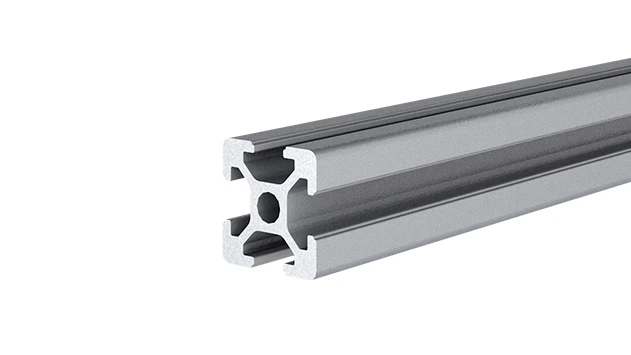
2020 is a 2.00 x 2.00CM fractional 20 series square extrusion T-slot profile with four open T-slots, one on each 2.00 face. The profile has align-a-grooves to assist in aligning connecting profiles.
In today's manufacturing landscape, the push for sustainability isn't just a trend—it's a necessity. As businesses worldwide strive to reduce their carbon footprint and meet stringent environmental regulations, the materials they choose play a pivotal role. Among these materials, aluminum profiles have emerged as a standout choice, thanks to their durability, versatility, and inherent eco-friendliness. But not all aluminum profiles are created equal. The
2020 EU standard aluminum profile
represents a significant leap forward in aligning industrial materials with environmental goals, setting new benchmarks for sustainability that ripple through production lines, supply chains, and even end-of-life recycling processes. Let's dive into why this standard matters, how it transforms the way we think about aluminum extrusion, and the real-world impact it has on building a greener future.
Aluminum Extrusion Profile: The Backbone of Modern Manufacturing
Before we explore the 2020 EU standard, let's take a moment to appreciate the
aluminum extrusion profile
itself. Extrusion is the process where aluminum billets are heated and pushed through a die to create complex cross-sectional shapes—think of it like squeezing toothpaste through a tube, but with precision engineering. This method allows for the creation of lightweight yet strong profiles used in everything from automotive parts and electronics to factory workbenches and material racks. What makes aluminum extrusion so appealing? For starters, aluminum is infinitely recyclable, meaning it can be melted down and reshaped repeatedly without losing quality. But the 2020 EU standard takes this a step further by addressing not just recyclability, but every stage of the profile's lifecycle: from raw material extraction and energy use in production to the efficiency of the extrusion process itself.
The 2020 EU Standard: Redefining Sustainability Benchmarks
The European union has long been a leader in environmental regulation, and the 2020 update to aluminum profile standards was no exception. Prior to 2020, while aluminum profiles were already more sustainable than many alternatives (like steel or plastic), there was room to reduce energy consumption, cut greenhouse gas emissions, and increase the use of recycled content. The 2020 standard introduced stricter limits on carbon dioxide emissions during production, mandated minimum recycled aluminum percentages in profiles, and set new efficiency targets for extrusion processes. For example, under the new standard, manufacturers must ensure that at least 75% of the aluminum used in profiles comes from recycled sources—a significant jump from the previous 50% benchmark. This shift alone reduces reliance on primary aluminum production, which is energy-intensive (producing primary aluminum emits approximately 16 tons of CO2 per ton, compared to just 0.5 tons for recycled aluminum).
| Environmental Metric | Pre-2020 EU Standards | 2020 EU Standards | Improvement |
|---|---|---|---|
| Carbon Emissions (per ton of profile) | 8.2 tons CO2 | 4.5 tons CO2 | 45% reduction |
| Recycled Content Requirement | 50% | 75% | 50% increase |
| Energy Use in Extrusion (kWh/ton) | 850 kWh | 650 kWh | 24% reduction |

Aluminum Profile Accessories: Small Parts, Big Environmental Impact
Sustainability isn't just about the profiles themselves—it's also about the
aluminum profile accessories
that complete the system. From end caps and connectors to the
aluminum profile rubber strip
used for sealing and protection, these components play a crucial role in extending the lifespan of aluminum structures and reducing waste. Under the 2020 EU standard, accessories are now held to the same sustainability criteria as the profiles. For example, the aluminum profile rubber strip, which is often used to cushion edges or seal gaps in workbenches and racks, must now be made from at least 30% recycled rubber. This reduces the demand for virgin rubber, a material linked to deforestation and high carbon emissions in production. Additionally, accessories are designed for easy disassembly, making it simpler to separate materials during recycling. A well-designed connector or end cap means that when a workbench or rack reaches the end of its life, the aluminum profile and its accessories can be quickly sorted, ensuring nothing ends up in a landfill.
The Role of the Lean System Supplier in Driving Change
Behind every sustainable aluminum profile is a
lean system supplier
committed to upholding these standards. Lean manufacturing principles—focused on minimizing waste, optimizing processes, and continuous improvement—align perfectly with sustainability goals. A reputable lean system supplier doesn't just provide 2020 EU standard aluminum profiles; they integrate sustainability into every aspect of their operations. This might include using renewable energy in their factories (solar panels, wind turbines), implementing closed-loop water systems to reduce consumption, or partnering with local recycling facilities to ensure scrap aluminum is quickly reprocessed. For example, a leading lean system supplier in Germany recently reported that by switching to 100% renewable energy for extrusion and increasing recycled content to 80% (exceeding the 2020 standard), they reduced their overall carbon footprint by 62% in just two years. These suppliers also educate their customers on how to maximize the sustainability of aluminum profiles—whether through proper maintenance to extend lifespan or guidance on disassembling and recycling at the end of use.
Beyond Compliance: The Business Case for Sustainable Aluminum Profiles
While the 2020 EU standard is a regulatory requirement, many manufacturers are finding that adopting sustainable aluminum profiles also makes good business sense. For one, the reduced energy use and reliance on recycled materials lower production costs over time. Recycled aluminum is often cheaper than primary aluminum, and energy-efficient extrusion processes cut utility bills. Additionally, as consumers and B2B buyers increasingly prioritize sustainability, businesses using 2020 EU standard aluminum profiles gain a competitive edge. Imagine a electronics manufacturer choosing between two suppliers: one using outdated, high-emission aluminum profiles, and another using 2020 EU standard profiles with 75% recycled content. The latter isn't just complying with regulations—they're telling a story of responsibility that resonates with eco-conscious clients. What's more, sustainable practices often lead to innovation. The push to meet the 2020 standard has driven suppliers to develop new extrusion techniques, lighter yet stronger profiles, and more durable accessories—all of which improve product performance while reducing environmental impact.
Looking Ahead: The Future of Sustainable Aluminum Profiles
The 2020 EU standard is just the beginning. As technology advances and environmental goals become more ambitious, we can expect even stricter standards in the years to come—perhaps higher recycled content requirements, zero-emission production targets, or full lifecycle carbon labeling. Already, research is underway to develop aluminum alloys that require even less energy to extrude or that can be recycled more efficiently. Innovations in
aluminum profile accessories
, like biodegradable rubber strips or self-healing coatings, could further reduce waste. For businesses, the message is clear: sustainability isn't a one-time compliance check—it's a long-term commitment. By embracing the 2020 EU standard aluminum profile today, manufacturers position themselves to adapt to future regulations, attract eco-conscious customers, and contribute to a healthier planet.
In the end, the 2020 EU standard aluminum profile isn't just a material—it's a statement. It says that industrial progress and environmental responsibility can go hand in hand. From the aluminum extrusion profile that forms the backbone of a factory workbench to the rubber strip that seals a rack, every component plays a part in building a more sustainable future. And with the support of forward-thinking lean system suppliers, that future is closer than we think.