- Company Articles
- Industry articles
- Industry standards
- Exploring Turning Angle Code 2020: From Design to Real-World Implementation

Exploring Turning Angle Code 2020: From Design to Real-World Implementation
Related Product
Urning Angle Code 2020
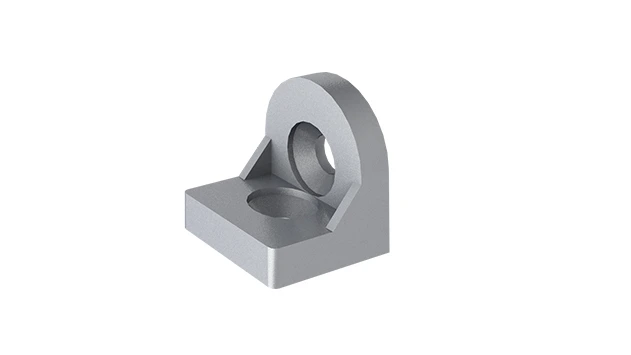
The turning angle aluminum profile connector provides a 90 degree hidden corner connection. 2020 it is means this size is used for 20 series aluminum profile.The corner code comes with set screws that allow for quick, easy connections.
Introduction: The Unsung Hero of Modern Manufacturing
Walk into any modern factory, warehouse, or assembly line, and you'll likely notice a common theme: efficiency. Every tool, every workstation, every inch of space is designed to minimize waste, maximize productivity, and adapt to changing needs. But behind this seamless flow of operations lies a network of small, often overlooked components that hold everything together. One such component, quietly revolutionizing how we build workbenches, material racks, and lean systems, is the Turning Angle Code 2020.
If you're a production manager, a facility engineer, or someone involved in setting up manufacturing workflows, you've probably faced the frustration of unstable workbenches, rigid material racks that can't be reconfigured, or components that just don't fit together as promised. That's where Turning Angle Code 2020 comes in. This unassuming aluminum profile accessory is more than just a bracket—it's a bridge between design flexibility and structural reliability, a key player in the world of lean manufacturing, and a testament to how small innovations can drive big changes in operational efficiency.
In this article, we'll take a deep dive into Turning Angle Code 2020, exploring its design philosophy, material science, integration with lean systems, real-world applications, and installation best practices. By the end, you'll understand why this component has become a go-to choice for engineers and managers aiming to build adaptable, durable, and cost-effective workspaces.
If you're a production manager, a facility engineer, or someone involved in setting up manufacturing workflows, you've probably faced the frustration of unstable workbenches, rigid material racks that can't be reconfigured, or components that just don't fit together as promised. That's where Turning Angle Code 2020 comes in. This unassuming aluminum profile accessory is more than just a bracket—it's a bridge between design flexibility and structural reliability, a key player in the world of lean manufacturing, and a testament to how small innovations can drive big changes in operational efficiency.
In this article, we'll take a deep dive into Turning Angle Code 2020, exploring its design philosophy, material science, integration with lean systems, real-world applications, and installation best practices. By the end, you'll understand why this component has become a go-to choice for engineers and managers aiming to build adaptable, durable, and cost-effective workspaces.
Design Principles: Precision and Compatibility at Its Core
At first glance, Turning Angle Code 2020 might look like a simple L-shaped bracket. But its design is the result of careful engineering, focused on two critical goals: precision fit and universal compatibility. Let's break down what makes it tick.
**What is Turning Angle Code 2020?** Simply put, it's a right-angle connector designed to join two pieces of 2020 aluminum profile at a 90-degree angle. The "2020" refers to the profile's dimensions—20mm by 20mm, a standard size in the aluminum extrusion industry. The "turning" aspect comes from its ability to secure profiles in a fixed, stable joint while allowing for modular assembly. Unlike generic angle brackets, which often require drilling or welding, Turning Angle Code 2020 uses T-slot technology, fitting snugly into the grooves of 2020 aluminum profiles and securing with bolts or screws—no special tools needed.
**Design Features That Matter** - **Precision Machining**: The edges of Turning Angle Code 2020 are milled to tight tolerances (often within ±0.1mm), ensuring a perfect fit with 2020 aluminum profiles. This eliminates wobble, a common issue with poorly designed brackets that can compromise the stability of workbenches or material racks. - **Reinforced Corners**: The inner corner of the bracket is thickened and sometimes ribbed, distributing weight evenly across the joint. This makes it ideal for supporting vertical loads, such as shelves on a material rack or the tabletop of a workbench. - **T-Slot Compatibility**: The bracket's flanges are sized to slide into the T-slots of 2020 profiles, with pre-drilled holes that align with the profile's slot pattern. This means you can adjust the position of the bracket along the profile without re-drilling, adding a layer of flexibility that's crucial in lean environments. - **Material Thickness**: Most Turning Angle Code 2020 brackets are made from 2mm-thick aluminum alloy, striking a balance between strength and weight. Thicker brackets exist for heavy-duty applications, but the 2mm variant is the sweet spot for most standard uses, like assembling a workbench or a lightweight turnover trolley.
To put this in perspective, imagine building a workbench E (single deck—without caster) using generic angle brackets. You'd spend hours aligning holes, drilling into the profiles, and hoping the joints don't loosen over time. With Turning Angle Code 2020, the process is streamlined: slide the brackets into the T-slots, tighten the screws, and you're done. The result? A stable workbench that can be disassembled, reconfigured, or expanded in minutes, not hours.
**What is Turning Angle Code 2020?** Simply put, it's a right-angle connector designed to join two pieces of 2020 aluminum profile at a 90-degree angle. The "2020" refers to the profile's dimensions—20mm by 20mm, a standard size in the aluminum extrusion industry. The "turning" aspect comes from its ability to secure profiles in a fixed, stable joint while allowing for modular assembly. Unlike generic angle brackets, which often require drilling or welding, Turning Angle Code 2020 uses T-slot technology, fitting snugly into the grooves of 2020 aluminum profiles and securing with bolts or screws—no special tools needed.
**Design Features That Matter** - **Precision Machining**: The edges of Turning Angle Code 2020 are milled to tight tolerances (often within ±0.1mm), ensuring a perfect fit with 2020 aluminum profiles. This eliminates wobble, a common issue with poorly designed brackets that can compromise the stability of workbenches or material racks. - **Reinforced Corners**: The inner corner of the bracket is thickened and sometimes ribbed, distributing weight evenly across the joint. This makes it ideal for supporting vertical loads, such as shelves on a material rack or the tabletop of a workbench. - **T-Slot Compatibility**: The bracket's flanges are sized to slide into the T-slots of 2020 profiles, with pre-drilled holes that align with the profile's slot pattern. This means you can adjust the position of the bracket along the profile without re-drilling, adding a layer of flexibility that's crucial in lean environments. - **Material Thickness**: Most Turning Angle Code 2020 brackets are made from 2mm-thick aluminum alloy, striking a balance between strength and weight. Thicker brackets exist for heavy-duty applications, but the 2mm variant is the sweet spot for most standard uses, like assembling a workbench or a lightweight turnover trolley.
To put this in perspective, imagine building a workbench E (single deck—without caster) using generic angle brackets. You'd spend hours aligning holes, drilling into the profiles, and hoping the joints don't loosen over time. With Turning Angle Code 2020, the process is streamlined: slide the brackets into the T-slots, tighten the screws, and you're done. The result? A stable workbench that can be disassembled, reconfigured, or expanded in minutes, not hours.

Material Science: Why Aluminum? The Case for Durability and Lightweight
While Turning Angle Code 2020 is available in stainless steel for corrosive environments, the majority are made from aluminum alloy—specifically, 6063-T5 aluminum, a material widely used in aluminum extrusion profiles. Why aluminum? Let's unpack the benefits.
**Aluminum vs. Steel: The Weight-Strength Tradeoff** Steel is strong, but it's heavy. In manufacturing settings where workbenches, material racks, and trolleys need to be moved or reconfigured, excess weight is a liability. Aluminum, on the other hand, has a strength-to-weight ratio that's hard to beat. A 2020 aluminum profile with Turning Angle Code 2020 brackets can support the same load as a steel counterpart but weighs 40-50% less. This makes it easier to handle during assembly, reduces strain on casters (if used), and lowers shipping costs for suppliers and buyers alike.
**Corrosion Resistance: A Must in Industrial Environments** Manufacturing floors are often exposed to oils, coolants, and humidity—all of which can rust steel brackets over time. Aluminum naturally forms a protective oxide layer, making it resistant to corrosion without the need for additional coatings (though anodized versions are available for extra protection in harsh environments, like food processing or pharmaceutical facilities). This longevity means fewer replacements, lower maintenance costs, and a longer lifespan for your lean system components.
**Cost-Effectiveness: More Than Just the Price Tag** Aluminum is not the cheapest material on the market, but its total cost of ownership tells a different story. Steel brackets may cost less upfront, but they require painting or galvanizing to prevent rust, adding to the overall expense. Aluminum Turning Angle Code 2020 brackets come ready to use, with no additional treatments needed. Plus, their lightweight nature reduces shipping and handling costs, and their compatibility with standard 2020 aluminum profiles means you can mix and match components from different suppliers without worrying about fit issues.
**Sustainability: Aligning with Modern Manufacturing Values** In an era where sustainability is a priority, aluminum's recyclability is a major advantage. Unlike plastic brackets, which degrade over time and end up in landfills, aluminum Turning Angle Code 2020 brackets can be recycled indefinitely without losing quality. This aligns with the principles of lean manufacturing, which emphasize reducing waste—not just in processes, but in materials too.
**Aluminum vs. Steel: The Weight-Strength Tradeoff** Steel is strong, but it's heavy. In manufacturing settings where workbenches, material racks, and trolleys need to be moved or reconfigured, excess weight is a liability. Aluminum, on the other hand, has a strength-to-weight ratio that's hard to beat. A 2020 aluminum profile with Turning Angle Code 2020 brackets can support the same load as a steel counterpart but weighs 40-50% less. This makes it easier to handle during assembly, reduces strain on casters (if used), and lowers shipping costs for suppliers and buyers alike.
**Corrosion Resistance: A Must in Industrial Environments** Manufacturing floors are often exposed to oils, coolants, and humidity—all of which can rust steel brackets over time. Aluminum naturally forms a protective oxide layer, making it resistant to corrosion without the need for additional coatings (though anodized versions are available for extra protection in harsh environments, like food processing or pharmaceutical facilities). This longevity means fewer replacements, lower maintenance costs, and a longer lifespan for your lean system components.
**Cost-Effectiveness: More Than Just the Price Tag** Aluminum is not the cheapest material on the market, but its total cost of ownership tells a different story. Steel brackets may cost less upfront, but they require painting or galvanizing to prevent rust, adding to the overall expense. Aluminum Turning Angle Code 2020 brackets come ready to use, with no additional treatments needed. Plus, their lightweight nature reduces shipping and handling costs, and their compatibility with standard 2020 aluminum profiles means you can mix and match components from different suppliers without worrying about fit issues.
**Sustainability: Aligning with Modern Manufacturing Values** In an era where sustainability is a priority, aluminum's recyclability is a major advantage. Unlike plastic brackets, which degrade over time and end up in landfills, aluminum Turning Angle Code 2020 brackets can be recycled indefinitely without losing quality. This aligns with the principles of lean manufacturing, which emphasize reducing waste—not just in processes, but in materials too.

Integration with Lean Systems: The Backbone of Modular Efficiency
Lean manufacturing is all about eliminating waste, optimizing flow, and empowering teams to adapt quickly. Turning Angle Code 2020 isn't just a component—it's a enabler of these principles. Let's explore how it fits into the broader lean system ecosystem.
**Modularity: Build, Adapt, Repeat** One of the core tenets of lean systems is modularity—the ability to reconfigure workspaces as production needs change. For example, a electronics manufacturer might need to shift from assembling smartphones to tablets, requiring wider workbenches or taller material racks. With Turning Angle Code 2020 and 2020 aluminum profiles, this transition is seamless. Instead of buying new equipment, you can disassemble the existing workbench, add longer profiles, and reattach the brackets to create a larger surface. This not only saves money but also reduces downtime, a critical factor in meeting tight production deadlines.
**Waste Reduction: Less Inventory, More Versatility** Traditional manufacturing setups often require stocking multiple types of brackets, each designed for a specific profile size or angle. This leads to excess inventory, wasted storage space, and the risk of using the wrong component. Turning Angle Code 2020, however, is standardized for 2020 aluminum profiles, which are among the most widely used in the industry. By sticking to this single bracket type, you can reduce your inventory of angle brackets by 50% or more. Need to build a material rack B (3 row and 3 floor)? Use Turning Angle Code 2020 to join the vertical and horizontal profiles. Want to add a shelf to a workbench? Same bracket. This standardization simplifies procurement, reduces errors, and aligns with the lean goal of minimizing waste.
**Ergonomics: Customization for Human-Centric Workspaces** Lean systems aren't just about machines—they're about people. A poorly designed workstation can lead to fatigue, errors, and even injuries. Turning Angle Code 2020 allows for precise height and angle adjustments, making it easier to create ergonomic workspaces. For example, a assembly line worker might need a workbench surface tilted at 15 degrees to reduce neck strain. With Turning Angle Code 2020, you can attach a tilt bracket to the 2020 profile frame, adjusting the angle as needed. This level of customization wasn't possible with rigid, welded frames, but with modular aluminum profiles and brackets, it's become the norm.
**Cost Efficiency: Long-Term Savings Over Time** It's easy to focus on the upfront cost of components, but lean systems demand a long-term view. A Turning Angle Code 2020 bracket might cost slightly more than a generic steel bracket, but its durability and reusability make it a better investment. Consider this: a steel bracket might last 2-3 years before rusting or loosening, requiring replacement. An aluminum Turning Angle Code 2020 bracket, with proper care, can last 10+ years, even in high-traffic environments. When you factor in the cost of labor to replace brackets, the savings add up quickly. Plus, since the brackets are reusable, you can repurpose them for new projects, further extending their value.
**Modularity: Build, Adapt, Repeat** One of the core tenets of lean systems is modularity—the ability to reconfigure workspaces as production needs change. For example, a electronics manufacturer might need to shift from assembling smartphones to tablets, requiring wider workbenches or taller material racks. With Turning Angle Code 2020 and 2020 aluminum profiles, this transition is seamless. Instead of buying new equipment, you can disassemble the existing workbench, add longer profiles, and reattach the brackets to create a larger surface. This not only saves money but also reduces downtime, a critical factor in meeting tight production deadlines.
**Waste Reduction: Less Inventory, More Versatility** Traditional manufacturing setups often require stocking multiple types of brackets, each designed for a specific profile size or angle. This leads to excess inventory, wasted storage space, and the risk of using the wrong component. Turning Angle Code 2020, however, is standardized for 2020 aluminum profiles, which are among the most widely used in the industry. By sticking to this single bracket type, you can reduce your inventory of angle brackets by 50% or more. Need to build a material rack B (3 row and 3 floor)? Use Turning Angle Code 2020 to join the vertical and horizontal profiles. Want to add a shelf to a workbench? Same bracket. This standardization simplifies procurement, reduces errors, and aligns with the lean goal of minimizing waste.
**Ergonomics: Customization for Human-Centric Workspaces** Lean systems aren't just about machines—they're about people. A poorly designed workstation can lead to fatigue, errors, and even injuries. Turning Angle Code 2020 allows for precise height and angle adjustments, making it easier to create ergonomic workspaces. For example, a assembly line worker might need a workbench surface tilted at 15 degrees to reduce neck strain. With Turning Angle Code 2020, you can attach a tilt bracket to the 2020 profile frame, adjusting the angle as needed. This level of customization wasn't possible with rigid, welded frames, but with modular aluminum profiles and brackets, it's become the norm.
**Cost Efficiency: Long-Term Savings Over Time** It's easy to focus on the upfront cost of components, but lean systems demand a long-term view. A Turning Angle Code 2020 bracket might cost slightly more than a generic steel bracket, but its durability and reusability make it a better investment. Consider this: a steel bracket might last 2-3 years before rusting or loosening, requiring replacement. An aluminum Turning Angle Code 2020 bracket, with proper care, can last 10+ years, even in high-traffic environments. When you factor in the cost of labor to replace brackets, the savings add up quickly. Plus, since the brackets are reusable, you can repurpose them for new projects, further extending their value.
Real-World Applications: From Workbenches to Material Racks
To truly appreciate Turning Angle Code 2020, let's look at how it's used in real manufacturing and warehouse settings. Below are three common applications where this bracket shines, along with insights from industry professionals who've integrated it into their workflows.
**Application 1: Workbench Assembly** Workbenches are the heart of any assembly line, and their stability directly impacts productivity. A wobbly workbench can lead to errors, damaged parts, and frustrated workers. John, a production manager at a automotive parts plant in Michigan, shared his experience: "We used to build workbenches with wooden frames and steel angle brackets. They were heavy, hard to adjust, and the joints would loosen after a few months. Then we switched to 2020 aluminum profiles and Turning Angle Code 2020 brackets. Now, our workbenches are rock-solid. We can adjust the height by moving the brackets up or down the T-slots, and when we need to reconfigure the line, we can take them apart in 20 minutes. The best part? No more loose joints—even after a year of daily use."
For a standard workbench E (single deck—without caster), the assembly process with Turning Angle Code 2020 is straightforward: 1. Cut four 2020 aluminum profiles to the desired height for the legs. 2. Attach Turning Angle Code 2020 brackets to the top of each leg (two brackets per leg, facing inward). 3. Cut two longer profiles for the front and back rails, and two for the sides. 4. Slide the rails into the brackets and tighten the screws. 5. Place the tabletop (often a plywood or aluminum panel) on top of the frame and secure with screws through the T-slots. The result is a stable, lightweight workbench that can support up to 200kg (depending on the profile thickness and bracket spacing).
**Application 2: Material Rack B (3 Row and 3 Floor)** Material racks are essential for organizing parts and keeping production lines stocked. A well-designed rack should be easy to load, unload, and reconfigure as inventory needs change. Material rack B (3 row and 3 floor) is a common setup, featuring three vertical columns and three horizontal shelves. Turning Angle Code 2020 is used to join the vertical columns to the horizontal shelf supports, ensuring each shelf is level and secure. Maria, a warehouse supervisor at a electronics distributor, explains: "We used to have static steel racks that couldn't be adjusted. If we got a shipment of taller boxes, we'd have to leave empty space above shorter items—such a waste! With aluminum profiles and Turning Angle Code 2020, we built a material rack B where each shelf height can be adjusted by moving the brackets. Now, we're using 90% of the vertical space instead of 60%. It's like adding a whole new rack without expanding the footprint."
**Application 3: Turnover Trolleys** Turnover trolleys are used to transport parts between workstations, and they need to be durable enough to withstand constant movement. Turning Angle Code 2020 plays a key role here, joining the trolley's frame and ensuring it can handle bumps and turns without wobbling. A typical trolley might use 2020 profiles for the frame, with Turning Angle Code 2020 brackets at the corners and casters attached to the base. The lightweight aluminum frame makes the trolley easy to push, while the secure joints prevent parts from shifting during transport.
**Application 1: Workbench Assembly** Workbenches are the heart of any assembly line, and their stability directly impacts productivity. A wobbly workbench can lead to errors, damaged parts, and frustrated workers. John, a production manager at a automotive parts plant in Michigan, shared his experience: "We used to build workbenches with wooden frames and steel angle brackets. They were heavy, hard to adjust, and the joints would loosen after a few months. Then we switched to 2020 aluminum profiles and Turning Angle Code 2020 brackets. Now, our workbenches are rock-solid. We can adjust the height by moving the brackets up or down the T-slots, and when we need to reconfigure the line, we can take them apart in 20 minutes. The best part? No more loose joints—even after a year of daily use."
For a standard workbench E (single deck—without caster), the assembly process with Turning Angle Code 2020 is straightforward: 1. Cut four 2020 aluminum profiles to the desired height for the legs. 2. Attach Turning Angle Code 2020 brackets to the top of each leg (two brackets per leg, facing inward). 3. Cut two longer profiles for the front and back rails, and two for the sides. 4. Slide the rails into the brackets and tighten the screws. 5. Place the tabletop (often a plywood or aluminum panel) on top of the frame and secure with screws through the T-slots. The result is a stable, lightweight workbench that can support up to 200kg (depending on the profile thickness and bracket spacing).
**Application 2: Material Rack B (3 Row and 3 Floor)** Material racks are essential for organizing parts and keeping production lines stocked. A well-designed rack should be easy to load, unload, and reconfigure as inventory needs change. Material rack B (3 row and 3 floor) is a common setup, featuring three vertical columns and three horizontal shelves. Turning Angle Code 2020 is used to join the vertical columns to the horizontal shelf supports, ensuring each shelf is level and secure. Maria, a warehouse supervisor at a electronics distributor, explains: "We used to have static steel racks that couldn't be adjusted. If we got a shipment of taller boxes, we'd have to leave empty space above shorter items—such a waste! With aluminum profiles and Turning Angle Code 2020, we built a material rack B where each shelf height can be adjusted by moving the brackets. Now, we're using 90% of the vertical space instead of 60%. It's like adding a whole new rack without expanding the footprint."
**Application 3: Turnover Trolleys** Turnover trolleys are used to transport parts between workstations, and they need to be durable enough to withstand constant movement. Turning Angle Code 2020 plays a key role here, joining the trolley's frame and ensuring it can handle bumps and turns without wobbling. A typical trolley might use 2020 profiles for the frame, with Turning Angle Code 2020 brackets at the corners and casters attached to the base. The lightweight aluminum frame makes the trolley easy to push, while the secure joints prevent parts from shifting during transport.
Comparison: Turning Angle Code 2020 vs. Other Angle Brackets
To understand why Turning Angle Code 2020 stands out, let's compare it to two common alternatives: 3030 angle codes (for 30x30 profiles) and generic steel L-brackets. The table below highlights key differences in dimensions, load capacity, compatibility, and cost.
As the table shows, Turning Angle Code 2020 excels in scenarios where lightweight, quick installation, and reusability are priorities. While 3030 angle codes offer higher load capacity, they're overkill for many standard applications, like small workbenches or lightweight material racks. Generic steel brackets are cheaper upfront, but their lack of reusability and corrosion resistance make them a poor long-term investment. For most lean manufacturing environments, Turning Angle Code 2020 hits the sweet spot of performance, cost, and flexibility.
| Feature | Turning Angle Code 2020 | 3030 Angle Code | Generic Steel L-Bracket |
|---|---|---|---|
| Profile Compatibility | 20x20 aluminum profiles | 30x30 aluminum profiles | Any profile (requires drilling) |
| Material | 2mm 6063-T5 aluminum | 3mm 6063-T5 aluminum | 1.5mm mild steel (uncoated) |
| Max Load Capacity (per joint) | 150kg (vertical) | 300kg (vertical) | 80kg (vertical, after drilling) |
| Installation Time | 5 minutes (no drilling) | 7 minutes (no drilling) | 20 minutes (drilling required) |
| Reusability | High (can be repositioned) | High (can be repositioned) | Low (drilled holes limit reuse) |
| Corrosion Resistance | High (aluminum oxide layer) | High (aluminum oxide layer) | Low (prone to rust) |
| Cost (per bracket) | $3–$5 | $5–$8 | $1–$2 |
Installation Best Practices: Tips for a Seamless Setup
Even the best components can underperform if installed incorrectly. Here are some pro tips to ensure your Turning Angle Code 2020 brackets deliver maximum stability and longevity:
**1. Clean the T-Slots First** Aluminum profiles often come with a thin layer of dust, oil, or oxidation from manufacturing. Before installing the brackets, wipe the T-slots with a clean cloth and a mild solvent (like isopropyl alcohol). This ensures the brackets slide smoothly and the screws tighten properly—no debris to create gaps or prevent a snug fit.
**2. Use the Right Screws** Turning Angle Code 2020 brackets typically require M5 or M6 socket head cap screws, depending on the profile's T-slot size. Using screws that are too long can damage the profile; too short, and the bracket won't secure properly. Check the bracket's specifications (usually printed on the packaging) and invest in high-quality stainless steel screws to prevent rust.
**3. Torque the Screws Properly** Over-tightening can strip the threads in the T-slots or warp the bracket; under-tightening leads to loose joints. Most manufacturers recommend a torque of 3–4 Nm for M5 screws and 5–6 Nm for M6 screws. If you don't have a torque wrench, tighten the screw until it's snug, then give it a quarter-turn more—this is usually enough to secure the bracket without overdoing it.
**4. Space Brackets Evenly** For horizontal spans (like a workbench top or a shelf), space the Turning Angle Code 2020 brackets every 30–40cm. This distributes the load evenly and prevents sagging. For example, a 120cm-long shelf should have at least three brackets (one at each end and one in the middle) to support up to 100kg.
**5. Check for Squareness** After installing the brackets, use a carpenter's square to ensure the joint is at a perfect 90-degree angle. A misaligned bracket can cause the entire structure to lean, leading to instability. If the angle is off, loosen the screws, adjust the bracket, and retighten.
**6. Inspect Regularly** Even with proper installation, vibrations from daily use can loosen screws over time. Schedule a monthly inspection of your workbenches and racks, tightening any loose screws and replacing any brackets that show signs of damage (like bent flanges or stripped threads). This proactive maintenance will extend the life of your lean system components.
**1. Clean the T-Slots First** Aluminum profiles often come with a thin layer of dust, oil, or oxidation from manufacturing. Before installing the brackets, wipe the T-slots with a clean cloth and a mild solvent (like isopropyl alcohol). This ensures the brackets slide smoothly and the screws tighten properly—no debris to create gaps or prevent a snug fit.
**2. Use the Right Screws** Turning Angle Code 2020 brackets typically require M5 or M6 socket head cap screws, depending on the profile's T-slot size. Using screws that are too long can damage the profile; too short, and the bracket won't secure properly. Check the bracket's specifications (usually printed on the packaging) and invest in high-quality stainless steel screws to prevent rust.
**3. Torque the Screws Properly** Over-tightening can strip the threads in the T-slots or warp the bracket; under-tightening leads to loose joints. Most manufacturers recommend a torque of 3–4 Nm for M5 screws and 5–6 Nm for M6 screws. If you don't have a torque wrench, tighten the screw until it's snug, then give it a quarter-turn more—this is usually enough to secure the bracket without overdoing it.
**4. Space Brackets Evenly** For horizontal spans (like a workbench top or a shelf), space the Turning Angle Code 2020 brackets every 30–40cm. This distributes the load evenly and prevents sagging. For example, a 120cm-long shelf should have at least three brackets (one at each end and one in the middle) to support up to 100kg.
**5. Check for Squareness** After installing the brackets, use a carpenter's square to ensure the joint is at a perfect 90-degree angle. A misaligned bracket can cause the entire structure to lean, leading to instability. If the angle is off, loosen the screws, adjust the bracket, and retighten.
**6. Inspect Regularly** Even with proper installation, vibrations from daily use can loosen screws over time. Schedule a monthly inspection of your workbenches and racks, tightening any loose screws and replacing any brackets that show signs of damage (like bent flanges or stripped threads). This proactive maintenance will extend the life of your lean system components.
Challenges and Solutions: Overcoming Common Hurdles
While Turning Angle Code 2020 is a reliable component, it's not without its challenges. Here are some common issues users face and how to solve them:
**Challenge: Bracket Slippage in T-Slots** **Solution**: If the bracket slides in the T-slot even after tightening the screw, the T-nut (the piece inside the slot that the screw threads into) might be worn or misaligned. replace the T-nut with a new one, ensuring it's fully seated in the slot before tightening the screw. For heavy loads, use two T-nuts per bracket (one on each flange) for extra security.
**Challenge: Compatibility with Non-Standard Profiles** **Solution**: While Turning Angle Code 2020 is designed for 2020 aluminum profiles, some manufacturers produce "2020" profiles with slightly different slot sizes (e.g., 20x20mm outer dimensions but 5mm slots instead of the standard 6mm). Check the profile's slot width before buying brackets—most suppliers list this information on their websites. If you're unsure, order a sample bracket and profile to test the fit.
**Challenge: Corrosion in Humid Environments** **Solution**: Standard aluminum brackets can corrode in highly humid or coastal environments. Opt for anodized Turning Angle Code 2020 brackets, which have a thicker oxide layer, or stainless steel brackets for extreme conditions. Additionally, apply a thin coat of anti-corrosion spray (like WD-40 Specialist Long-Term Corrosion Inhibitor) to the screws and T-nuts every 3 months.
**Challenge: Limited Load Capacity for Heavy-Duty Use** **Solution**: For applications requiring more than 150kg per joint (like industrial shelving for heavy machinery parts), use two Turning Angle Code 2020 brackets back-to-back (one on each side of the joint) or upgrade to a thicker bracket (3mm aluminum instead of 2mm). You can also reinforce the joint with a gusset plate (a triangular piece of metal) between the two profiles, attached with additional brackets.
**Challenge: Bracket Slippage in T-Slots** **Solution**: If the bracket slides in the T-slot even after tightening the screw, the T-nut (the piece inside the slot that the screw threads into) might be worn or misaligned. replace the T-nut with a new one, ensuring it's fully seated in the slot before tightening the screw. For heavy loads, use two T-nuts per bracket (one on each flange) for extra security.
**Challenge: Compatibility with Non-Standard Profiles** **Solution**: While Turning Angle Code 2020 is designed for 2020 aluminum profiles, some manufacturers produce "2020" profiles with slightly different slot sizes (e.g., 20x20mm outer dimensions but 5mm slots instead of the standard 6mm). Check the profile's slot width before buying brackets—most suppliers list this information on their websites. If you're unsure, order a sample bracket and profile to test the fit.
**Challenge: Corrosion in Humid Environments** **Solution**: Standard aluminum brackets can corrode in highly humid or coastal environments. Opt for anodized Turning Angle Code 2020 brackets, which have a thicker oxide layer, or stainless steel brackets for extreme conditions. Additionally, apply a thin coat of anti-corrosion spray (like WD-40 Specialist Long-Term Corrosion Inhibitor) to the screws and T-nuts every 3 months.
**Challenge: Limited Load Capacity for Heavy-Duty Use** **Solution**: For applications requiring more than 150kg per joint (like industrial shelving for heavy machinery parts), use two Turning Angle Code 2020 brackets back-to-back (one on each side of the joint) or upgrade to a thicker bracket (3mm aluminum instead of 2mm). You can also reinforce the joint with a gusset plate (a triangular piece of metal) between the two profiles, attached with additional brackets.
Future Trends: What's Next for Turning Angle Code 2020?
As manufacturing continues to evolve—with trends like Industry 4.0, automation, and sustainability driving innovation—components like Turning Angle Code 2020 are poised to adapt. Here are a few trends to watch:
**1. Smart Brackets with Built-In Sensors** Imagine a Turning Angle Code 2020 bracket equipped with a tiny load sensor that sends real-time data to a factory management system. If a shelf is overloaded, the sensor triggers an alert, preventing damage or accidents. While this is still in the prototype stage, some manufacturers are exploring integrating IoT (Internet of Things) technology into aluminum profile accessories, and Turning Angle Code 2020 is a prime candidate.
**2. 3D-Printed Custom Brackets** For niche applications, 3D printing could allow for on-demand production of custom Turning Angle Code 2020 variants—e.g., brackets with unique angles, integrated cable management channels, or lightweight lattice structures. While 3D-printed plastic brackets aren't as strong as aluminum, advances in metal 3D printing (like aluminum alloy filaments) could make this a viable option for low-volume, high-customization needs.
**3. Recycled Aluminum Alloys** As sustainability becomes a bigger priority, suppliers are exploring the use of recycled aluminum in Turning Angle Code 2020 brackets. Recycled aluminum has the same strength as virgin aluminum but requires 95% less energy to produce. Look for brackets labeled "100% recycled" in the coming years, as manufacturers aim to reduce their carbon footprints.
**4. Enhanced Compatibility with Other Systems** While Turning Angle Code 2020 is designed for 2020 aluminum profiles, future iterations might feature adjustable flanges that can fit multiple profile sizes (e.g., 2020, 3030, and 4040) with a simple adjustment. This would further reduce inventory needs and make the bracket even more versatile in mixed-profile setups.
**1. Smart Brackets with Built-In Sensors** Imagine a Turning Angle Code 2020 bracket equipped with a tiny load sensor that sends real-time data to a factory management system. If a shelf is overloaded, the sensor triggers an alert, preventing damage or accidents. While this is still in the prototype stage, some manufacturers are exploring integrating IoT (Internet of Things) technology into aluminum profile accessories, and Turning Angle Code 2020 is a prime candidate.
**2. 3D-Printed Custom Brackets** For niche applications, 3D printing could allow for on-demand production of custom Turning Angle Code 2020 variants—e.g., brackets with unique angles, integrated cable management channels, or lightweight lattice structures. While 3D-printed plastic brackets aren't as strong as aluminum, advances in metal 3D printing (like aluminum alloy filaments) could make this a viable option for low-volume, high-customization needs.
**3. Recycled Aluminum Alloys** As sustainability becomes a bigger priority, suppliers are exploring the use of recycled aluminum in Turning Angle Code 2020 brackets. Recycled aluminum has the same strength as virgin aluminum but requires 95% less energy to produce. Look for brackets labeled "100% recycled" in the coming years, as manufacturers aim to reduce their carbon footprints.
**4. Enhanced Compatibility with Other Systems** While Turning Angle Code 2020 is designed for 2020 aluminum profiles, future iterations might feature adjustable flanges that can fit multiple profile sizes (e.g., 2020, 3030, and 4040) with a simple adjustment. This would further reduce inventory needs and make the bracket even more versatile in mixed-profile setups.
Conclusion: The Small Component with a Big Impact
In the grand scheme of manufacturing, Turning Angle Code 2020 might seem like a small detail. But as we've explored, it's a detail that matters—a component that bridges design precision, material science, and lean principles to create workspaces that are efficient, adaptable, and built to last.
From the factory floor to the warehouse, from workbenches to material racks, Turning Angle Code 2020 is quietly transforming how we build and reconfigure our production environments. It's a testament to the idea that innovation doesn't always come from flashy new machines or complex software—it often comes from reimagining the basics, from making the "small stuff" work better.
So the next time you walk into a manufacturing facility and admire the seamless flow of operations, take a closer look at the workbenches and racks. Chances are, you'll spot a Turning Angle Code 2020 bracket holding it all together—proof that even the smallest components can make the biggest difference in the world of lean manufacturing.
From the factory floor to the warehouse, from workbenches to material racks, Turning Angle Code 2020 is quietly transforming how we build and reconfigure our production environments. It's a testament to the idea that innovation doesn't always come from flashy new machines or complex software—it often comes from reimagining the basics, from making the "small stuff" work better.
So the next time you walk into a manufacturing facility and admire the seamless flow of operations, take a closer look at the workbenches and racks. Chances are, you'll spot a Turning Angle Code 2020 bracket holding it all together—proof that even the smallest components can make the biggest difference in the world of lean manufacturing.