- Company Articles
- Industry articles
- Industry standards
- FDA Compliance for 3030 Aluminum Profile End Caps in Medical Devices

FDA Compliance for 3030 Aluminum Profile End Caps in Medical Devices
Related Product
3030 Aluminum Profile End Cap
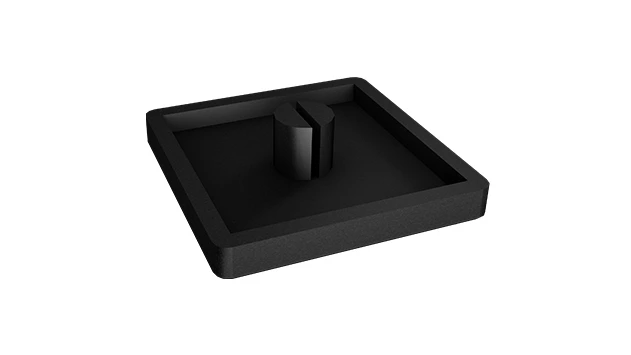
The aluminum profile end cap adds a finishing touch to your project and closes off profile ends to limit dust and debris buildup, also it can avaid some scratch for material and labor during the assemble work.
In the world of medical device manufacturing, precision isn't just a buzzword—it's a matter of life and death. Every component, no matter how small, plays a role in ensuring patient safety, device reliability, and regulatory adherence. One such unsung hero? The 3030 aluminum profile end cap. At first glance, it might seem like a simple piece of hardware, but when you consider its place in medical workbenches, surgical tool storage, or diagnostic equipment frames, its importance becomes crystal clear. Today, we're diving deep into why FDA compliance matters for these end caps, how they're made to meet strict standards, and why they're a cornerstone of safe, efficient medical device production.
What Does FDA Compliance Mean for Medical Device Components?
Before we get into the specifics of 3030 aluminum profile end caps, let's start with the basics: What exactly is FDA compliance, and why does it apply to something as "small" as an end cap? The FDA (U.S. Food and Drug Administration) regulates medical devices to ensure they're safe, effective, and properly labeled. This isn't just about the final device itself—every single component that goes into it, from circuit boards to screws to end caps, must meet certain criteria. For manufacturers, this means proving that their components won't leach harmful substances, won't degrade in ways that compromise the device, and won't introduce contamination risks.
Think of it this way: If a medical workbench uses aluminum extrusion profiles to hold sterile surgical tools, the end caps that seal those profiles' open ends need to prevent dust, moisture, or bacteria from getting trapped inside. A non-compliant end cap might crack over time, creating a hiding spot for pathogens. Or it might be made with materials that react with cleaning agents, leaving toxic residues. Either scenario could put patients at risk. That's why the FDA doesn't just look at the big picture—they zoom in on the details, and end caps are no exception.
The Role of 3030 Aluminum Profile End Caps in Medical Devices
So, what makes 3030 aluminum profile end caps so special? Let's break down the "3030" first. Aluminum profiles are named for their cross-sectional dimensions, so a 3030 profile is 30mm by 30mm—small enough to be lightweight but sturdy enough to support medical equipment, workbenches, or material racks. The end cap is the piece that fits snugly into the open end of this profile, closing it off. But its job goes beyond just "plugging a hole."
In medical settings, these end caps serve three critical functions: First, they enhance structural integrity. Without an end cap, the profile's edges might be sharp, posing a risk to technicians handling the equipment. Second, they prevent contamination. Open-profile ends can collect debris, liquids, or microbes, which is a big no-no in sterile environments like operating rooms or lab workbenches. Third, they contribute to longevity. By sealing the profile, end caps protect the internal structure from corrosion, especially important in facilities where frequent cleaning with harsh disinfectants is the norm.
Take a typical medical device assembly workbench, for example. These workbenches are often built using aluminum extrusion profiles because aluminum is lightweight, corrosion-resistant, and easy to customize with accessories like shelves or tool hooks. The 3030 profile is a popular choice here, offering a good balance of strength and flexibility. The end caps on these profiles ensure that when technicians wipe down the workbench with alcohol or bleach, no liquid seeps into the profile's hollow core. They also prevent small parts (like screws or washers) from falling into the profile and becoming a contamination hazard later.

Material Matters: Why Aluminum Extrusion Profile is a Top Choice
To understand FDA compliance for 3030 aluminum profile end caps, we need to talk about the material they're made from: aluminum extrusion profile. Extrusion is a manufacturing process where aluminum is forced through a die to create specific cross-sectional shapes—like the 30mm x 30mm profile we're focusing on. This process offers several advantages for medical applications, starting with consistency. Extruded aluminum profiles have uniform dimensions and properties, which is key for meeting FDA standards that require predictable performance.
Aluminum itself is also a standout material for medical use. It's naturally resistant to corrosion, which means it can withstand repeated exposure to water, cleaning agents, and bodily fluids without rusting or degrading. It's also non-toxic and biocompatible, meaning it won't trigger allergic reactions or release harmful substances when in contact with skin or medical fluids. For end caps, which are often made from the same aluminum as the profile (or a compatible alloy), these properties are non-negotiable. The FDA requires materials to be "inert" in medical settings, and aluminum checks that box.
But not all aluminum is created equal. For FDA compliance, manufacturers must use aluminum alloys that meet specific purity standards. Most 3030 aluminum profiles and their end caps are made from 6061 or 6063 aluminum alloys, which are known for their high strength-to-weight ratio and excellent corrosion resistance. These alloys are also easy to anodize—a surface treatment that adds a protective oxide layer, further enhancing durability and resistance to chemicals. Anodized aluminum is less likely to harbor bacteria, making it ideal for sterile environments.

Manufacturing Processes: How End Caps Meet FDA Standards
Creating an FDA-compliant 3030 aluminum profile end cap isn't as simple as cutting a piece of aluminum to size. The manufacturing process involves several steps, each with its own quality checks to ensure compliance. Let's walk through them:
1. Material Sourcing and Testing
It all starts with the raw aluminum. Suppliers must provide certificates of analysis (COAs) proving that the aluminum alloy meets FDA-approved specifications for composition, purity, and absence of heavy metals or other contaminants. This might involve third-party lab tests to verify that the material doesn't leach substances like lead, cadmium, or phthalates—all of which are strictly prohibited in medical components.
2. Extrusion and Machining
Once the aluminum is approved, it's extruded into the base profile, and the end caps are either machined from solid aluminum or injection-molded (if using a plastic composite, though aluminum is more common for medical use). Machining processes like CNC milling ensure that the end caps have precise dimensions, so they fit the 3030 profile perfectly—no gaps, no looseness. A tight fit is critical for preventing contamination, as even a small gap could let in moisture or bacteria.
3. Surface Treatment
After machining, the end caps undergo surface treatment. As mentioned earlier, anodization is a popular choice. This electrochemical process creates a hard, porous oxide layer on the aluminum's surface, which can then be sealed to make it non-porous. Sealing is essential for FDA compliance because it prevents the end cap from absorbing liquids or harboring bacteria. Some manufacturers also use powder coating, but this requires extra testing to ensure the coating doesn't chip or flake off, which could introduce particles into the environment.
4. Cleaning and Sterilization Readiness
Before the end caps leave the factory, they're cleaned to remove any machining oils, debris, or residues. This isn't just a quick wipe-down—FDA-compliant cleaning often involves ultrasonic cleaning or solvent washing, followed by a validation step to prove that no contaminants remain. Additionally, the end caps must be able to withstand the sterilization methods used in medical facilities, such as autoclaving (high-pressure steam) or chemical sterilization. A end cap that warps or cracks during autoclaving is useless in a sterile environment, so manufacturers test samples under these conditions to ensure durability.
Testing and Validation: Proving Compliance to the FDA
Manufacturers can't just claim their end caps are FDA-compliant—they have to prove it through rigorous testing. The FDA requires documentation of these tests as part of the premarket notification (510(k)) or premarket approval (PMA) process for medical devices that use these end caps. Let's look at the key tests 3030 aluminum profile end caps must pass:
Biocompatibility Testing (ISO 10993)
The most critical test for any medical component is biocompatibility, which ensures the material doesn't cause adverse biological effects. This is governed by ISO 10993, a set of standards that includes tests for cytotoxicity (cell damage), sensitization (allergic reactions), and irritation (skin/eye reactions). For end caps, which might come into indirect contact with patients (e.g., through a workbench holding surgical tools), cytotoxicity testing is. Samples of the end cap material are extracted in simulated bodily fluids, and the extract is tested on cell cultures to ensure no harmful substances are released.
Chemical Resistance Testing
Medical facilities use a wide range of cleaning agents, from isopropyl alcohol to hydrogen peroxide to quaternary ammonium compounds. FDA-compliant end caps must resist degradation when exposed to these chemicals. Testing involves soaking end caps in common cleaning solutions for extended periods (often weeks) and then checking for changes in appearance, hardness, or dimensional stability. If an end cap swells, cracks, or discolors, it fails the test.
Mechanical Durability Testing
End caps need to stay in place and maintain their integrity over the lifetime of the medical device. This means testing for things like impact resistance (can they withstand being bumped or dropped?), torque resistance (do they loosen when the profile is tightened?), and fatigue strength (can they handle repeated assembly and disassembly?). For example, a workbench that's reconfigured monthly shouldn't have end caps that pop out or break after a few uses.
Microbial Barrier Testing
Since end caps are designed to prevent contamination, they must act as effective microbial barriers. Testing involves exposing capped and uncapped aluminum profiles to bacteria (like Staphylococcus aureus) or fungi and then checking for microbial growth inside the profile. A compliant end cap should block all microbial ingress, ensuring the profile's interior remains sterile.
Integration with Aluminum Profile Accessories
3030 aluminum profile end caps don't work in isolation—they're part of a larger system of aluminum profile accessories that make medical workbenches and equipment functional. Think about it: A typical medical workbench might include shelves, drawers, tool hooks, and cable management systems, all attached to the aluminum extrusion profiles. For the entire system to be FDA-compliant, these accessories (including end caps) must work together seamlessly without introducing new risks.
For example, consider a 3030 aluminum profile used in a material rack that holds sterile medical packages. The end cap seals the profile, but the rack also uses brackets, connectors, and hinges (all aluminum profile accessories) to hold the shelves in place. If the brackets are made from a non-compliant material, they could corrode and contaminate the packages, even if the end caps are perfect. That's why manufacturers often source end caps and accessories from the same supplier—ensuring all components meet the same FDA standards and are compatible in terms of material and performance.
Another example is the interaction between end caps and gaskets or seals. Some medical applications require extra protection against liquids, so end caps might include rubber gaskets to create a watertight seal. These gaskets must also be FDA-compliant (often made from silicone or EPDM rubber) and compatible with the aluminum end cap material. A mismatch here could lead to gasket degradation or aluminum corrosion, both of which are compliance red flags.
A Closer Look: Comparing Aluminum Profile End Caps
Not all aluminum profile end caps are created equal, especially when it comes to FDA compliance. Let's compare three common end cap sizes—2020, 3030, and 4040—to see how their compliance considerations differ. This table breaks down key factors like material, testing focus, and typical medical applications:
| End Cap Size | Aluminum Alloy | Key FDA Testing Focus | Common Medical Applications |
|---|---|---|---|
| 2020 Aluminum Profile End Cap | 6063 (lightweight, high corrosion resistance) | Microbial barrier (smaller profile = tighter seal required) | Small diagnostic equipment frames, handheld tool holders |
| 3030 Aluminum Profile End Cap | 6061 or 6063 (balance of strength and corrosion resistance) | Biocompatibility, chemical resistance (frequent cleaning in workbenches) | Medical workbenches, surgical instrument storage racks, lab shelving |
| 4040 Aluminum Profile End Cap | 6061 (higher strength for heavy loads) | Mechanical durability (supports heavier equipment) | MRI machine frames, hospital bed components, large material storage racks |
As the table shows, 3030 end caps strike a balance that makes them versatile for medical workbenches and mid-sized equipment. Their testing focuses heavily on biocompatibility and chemical resistance because they're often in high-contact, high-cleaning environments. For manufacturers, this means investing in robust testing for these specific areas to meet FDA requirements.
Real-World Applications: 3030 End Caps in Medical Workbenches
Let's put this all into context with a real-world example: a medical device assembly workbench used to put together insulin pumps. These workbenches are typically built with 3030 aluminum extrusion profiles because they need to be sturdy enough to hold assembly tools, yet lightweight enough to reconfigure as production needs change. The end caps on these profiles play a starring role in maintaining a sterile workspace.
Each day, the workbench is wiped down with a disinfectant solution to kill any lingering bacteria. Without properly sealed end caps, the disinfectant could seep into the hollow aluminum profiles, creating a moist environment where mold or bacteria could grow. Over time, this could lead to contamination of the insulin pumps being assembled—putting diabetic patients at risk of infection. FDA-compliant 3030 end caps prevent this by creating a tight, impermeable seal. They also resist the disinfectant's corrosive effects, ensuring the workbench remains stable and safe for years.
Another example is a hospital pharmacy's medication storage rack, built with 3030 aluminum profiles. The end caps here prevent dust from accumulating in the profile ends, which is critical because dust can carry allergens or microbes that could contaminate medications. During routine inspections, pharmacists check that end caps are intact and secure—if a cap is missing or cracked, the rack is taken out of service until it's replaced. This attention to detail is exactly what the FDA aims to enforce: a culture of accountability for every component, no matter how small.
Challenges and Solutions in Maintaining Compliance
Meeting FDA standards for 3030 aluminum profile end caps isn't without its challenges. Let's look at some common hurdles manufacturers face and how they're addressed:
Challenge: Sourcing Consistent Raw Materials
Aluminum alloy compositions can vary slightly between batches, which could affect compliance. A batch with higher than allowed levels of impurities might fail biocompatibility testing. To mitigate this, manufacturers work with trusted suppliers who provide batch-specific COAs and conduct in-house testing of incoming materials. Some even invest in vertical integration, controlling the extrusion process themselves to ensure consistency.
Challenge: Cost of Testing
FDA-required testing (like ISO 10993 biocompatibility) isn't cheap, especially for small manufacturers. However, cutting corners here can lead to costly recalls or denied approvals down the line. Many manufacturers offset this by partnering with third-party testing labs that specialize in medical device components, leveraging their expertise to streamline the process and avoid redundant tests.
Challenge: Evolving Regulations
FDA standards are constantly updated as new risks are identified. For example, in recent years, there's been increased focus on microplastics and their potential impact on medical devices. Manufacturers must stay ahead of these changes by joining industry associations, attending regulatory workshops, and maintaining open communication with FDA inspectors. This proactive approach ensures that end caps remain compliant even as standards shift.
Conclusion: Small Component, Big Responsibility
At the end of the day, 3030 aluminum profile end caps might not be the most glamorous part of medical device manufacturing, but they're a critical one. FDA compliance for these small components is a testament to the industry's commitment to patient safety—proving that even the "little things" matter. From material selection and extrusion to testing and integration with aluminum profile accessories, every step in the process is designed to ensure these end caps do their job: keeping medical devices safe, sterile, and reliable.
For manufacturers, the message is clear: invest in quality end caps, prioritize compliance testing, and never underestimate the role of small components in big-picture safety. For healthcare providers, it's a reminder to ask questions about the components in the equipment they use—because when it comes to patient care, there's no such thing as a "minor" detail.
So, the next time you see a medical workbench or a storage rack, take a moment to appreciate the end caps. They might be small, but they're working hard to keep patients safe—and that's something worth celebrating.