- Company Articles
- Industry articles
- Industry standards
- Flat Swivel Castor Wheel with Brake for Medical Equipment: Safety & Compliance Standards

Flat Swivel Castor Wheel with Brake for Medical Equipment: Safety & Compliance Standards
Related Product
Flat Swivel Castor Wheel With Brake
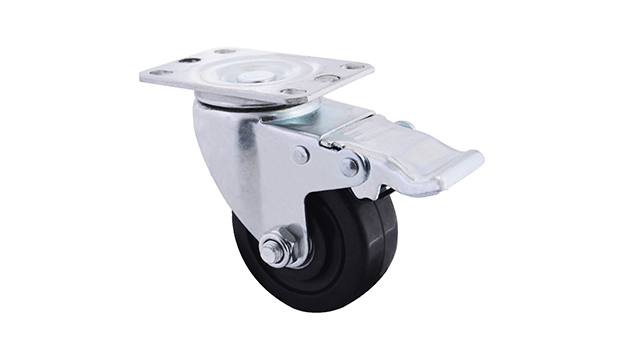
Chair Casters Ball Bearing Wheels Rubber Base with brake design. Resistant to abrasion, impact and corrosion. Heavy payload can hold 70Kgs per pcs,which can make it works at a stable and smooth status.
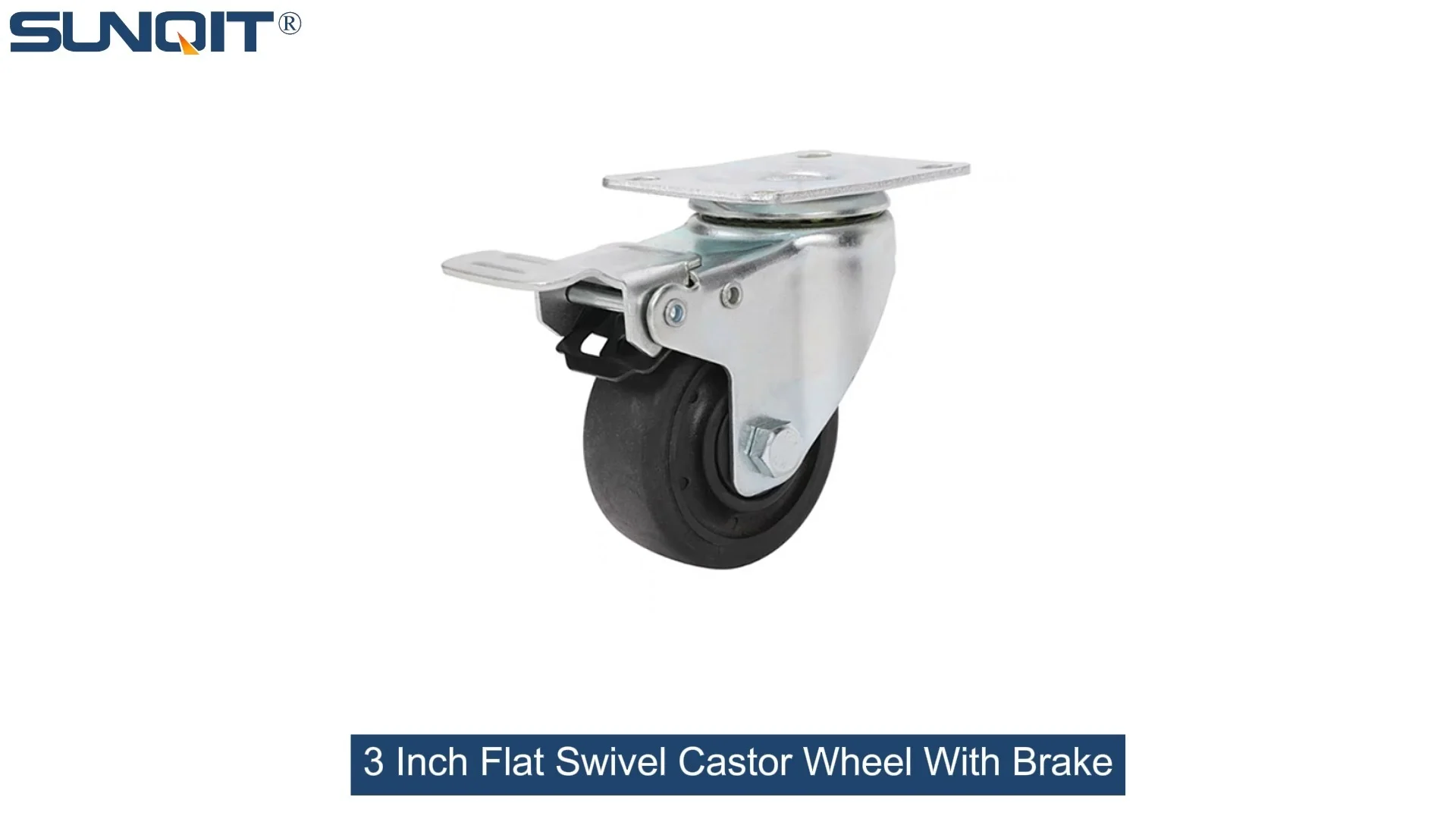
In the fast-paced environment of a hospital or clinic, every piece of equipment has a critical role to play—from the smallest medication cart to the largest surgical table. But have you ever stopped to think about what makes these tools mobile yet stable? Enter the unsung hero: the flat swivel castor wheel with brake. These tiny but mighty components are the backbone of medical equipment mobility, ensuring that nurses, doctors, and technicians can move essential tools with ease while keeping patients and staff safe from accidents. In this article, we'll dive deep into why these casters matter, the safety features that set them apart, the strict compliance standards they must meet, and how they contribute to the smooth operation of healthcare facilities.
Understanding Flat Swivel Castor Wheels with Brakes: More Than Just "Wheels"
At first glance, a caster wheel might seem simple, but the flat swivel castor wheel with brake is a precision-engineered component designed for the unique demands of medical settings. Let's break down its key parts:
- The Wheel: The part that touches the floor, made from materials like polyurethane, rubber, or stainless steel. In medical environments, this needs to be non-marking (to protect hospital floors), quiet (to avoid disturbing patients), and durable enough to handle repeated use.
- Swivel Head: The mechanism that allows the wheel to rotate 360 degrees, making the equipment easy to maneuver around tight corners—essential in crowded hospital corridors or small exam rooms.
- Brake Mechanism: The star of the show. A reliable brake ensures that once the equipment is in place, it stays put. This could be a foot brake (operated by stepping on a lever) or a hand brake, but foot brakes are more common in medical settings for hands-free operation.
- Mounting Plate: The flat metal plate that attaches the caster to the equipment (like a cart or workbench). It needs to be strong enough to support the load without bending.
What makes the "flat" swivel castor unique? Unlike recessed or stem-mounted casters, the flat mounting plate distributes weight evenly, reducing stress on the equipment frame and improving stability—critical when transporting fragile medical supplies or even patients.
Key Safety Features: Why Every Detail Matters
In healthcare, "good enough" isn't enough—safety features can mean the difference between a smooth workflow and a preventable accident. Here's what to look for in a flat swivel castor wheel with brake:
1. Fail-Safe Brake Systems
A brake that slips or fails when needed is a disaster waiting to happen. Medical-grade casters often use dual-locking brakes , which lock both the wheel (preventing rotation) and the swivel head (preventing the wheel from turning). This double lock ensures the equipment won't roll or shift, even on uneven floors. Imagine a surgical instrument cart during an operation—if the brake gives way, tools could slide off, risking contamination or injury. Dual locks eliminate that risk.
2. Load Capacity Ratings That Match Real-World Needs
Casters are rated for maximum weight, and medical equipment can get heavy—think of an IV cart loaded with fluids, medications, and monitors, or a mobile ultrasound machine. Overloading a caster can cause the wheel to crack, the brake to fail, or the mounting plate to bend. Reputable manufacturers provide clear load ratings (e.g., 200 lbs per caster), and it's crucial to choose casters that exceed the expected load to account for unexpected weight (like adding extra supplies mid-shift).
3. Floor-Friendly Design
Hospital floors are often polished vinyl or linoleum, which can scratch easily. A hard plastic wheel might leave marks or even damage the floor, creating trip hazards. That's why many medical casters use polyurethane wheels —they're soft enough to protect floors but tough enough to handle daily use. Rubber wheels are another option, offering better shock absorption (ideal for sensitive equipment like lab centrifuges) but may wear faster than polyurethane.
4. Ergonomic Brake Levers
Healthcare workers are on their feet for hours, so brake levers need to be easy to engage and disengage without straining. A well-designed foot brake should require minimal force (no more than 15 lbs of pressure) and have a large, easy-to-find lever—even when wearing shoes or clogs. Some casters also include brake indicators (like a red stripe) that show when the brake is engaged, so staff can quickly verify safety at a glance.
5. Resistance to Chemicals and Moisture
Hospitals are cleaned constantly with harsh disinfectants (like bleach or hydrogen peroxide). A caster that rusts or degrades when exposed to these chemicals won't last long. Stainless steel components (like the swivel head or mounting plate) resist corrosion, while wheels made from chemical-resistant polyurethane or rubber won't crack or swell. This durability ensures the caster remains functional through daily cleanings, reducing replacement costs and downtime.
Compliance Standards: Meeting the Bar for Healthcare
Regulators don't mess around when it comes to medical equipment. Casters used in healthcare must meet strict standards to ensure they're safe, reliable, and fit for purpose. Here are the key certifications to watch for:
ISO 10524: Casters for Medical Devices
The International Organization for Standardization (ISO) developed ISO 10524 specifically for casters used in medical environments. This standard covers everything from load capacity testing (to ensure casters can handle rated weights without deformation) to brake performance (testing how well brakes hold under stress) and even noise levels (to protect patient comfort). For example, ISO 10524 requires that brakes maintain at least 80% of their locking force after 10,000 cycles of use—ensuring long-term reliability.
FDA Regulations (Class I/II Medical Devices)
In the U.S., the FDA classifies many medical carts and equipment as Class I or II devices, and their components (including casters) are subject to regulation. While the FDA doesn't certify casters directly, manufacturers must document that their casters meet safety requirements, such as biocompatibility (no toxic materials that could leach into patients) and sterility (for casters used in sterile environments like operating rooms). Suppliers should provide a Declaration of Conformity (DoC) proving compliance with FDA standards.
EU MDR (Medical Device Regulation)
For equipment sold in the European union, the EU MDR (Regulation (EU) 2017/746) is stricter than its predecessor (MDD). It requires casters to be traceable (via unique device identifiers) and mandates post-market surveillance (tracking performance in real-world use). Manufacturers must also demonstrate that casters don't interfere with other medical devices (like MRI machines) and are resistant to electromagnetic interference (EMI)—critical for equipment like mobile X-ray carts.
OSHA and Ergonomics
While OSHA doesn't regulate casters directly, it does set ergonomic guidelines for healthcare workplaces. Casters that are hard to move or require excessive force to brake can lead to musculoskeletal injuries (like back strain) in staff. OSHA recommends casters with low rolling resistance (so equipment glides easily) and easy-to-use brakes to reduce physical stress. A caster that rolls smoothly with minimal effort not only keeps staff safe but also improves efficiency—nurses can move carts quickly without wasting energy.

Material Matters: Choosing the Right Wheel and Components
The materials used in a caster wheel and its components directly impact performance, safety, and longevity. Let's compare the most common options for medical settings:
| Material | Durability | Noise Level | Floor Protection | Load Capacity (per caster) | Best For |
|---|---|---|---|---|---|
| Polyurethane (PU) | High (resists wear, tears) | Low (quiet rolling) | Excellent (non-marking) | 150–500 lbs | IV carts, medication carts, workbenches |
| Rubber | Medium (can degrade with oil/chemicals) | Very Low (absorbs shock/noise) | Good (soft, non-scratching) | 100–300 lbs | Patient lifts, mobile beds (shock absorption) |
| Stainless Steel | Very High (rust-resistant, heavy-duty) | High (metallic rolling sound) | Fair (hard, may scratch soft floors) | 500–1000+ lbs | Heavy equipment (MRI machines, sterilizers) |
Beyond the wheel, the caster's frame and swivel joint are often made from stainless steel (for corrosion resistance) or aluminum (for lightweight strength). Stainless steel is ideal for sterile environments (like operating rooms), while aluminum is better for equipment that needs to be moved frequently (since it reduces overall weight). For example, a mobile workbench in a lab might use aluminum casters to keep it light, while a surgical instrument cart would use stainless steel for easy cleaning and rust resistance.
Don't forget about caster accessories —small parts that enhance performance. Brake extension levers (making brakes easier to reach on tall carts), dust covers (preventing debris from jamming the swivel joint), and replaceable wheel bearings (extending caster life) are all worth investing in. These accessories might seem minor, but they add up to a more reliable, longer-lasting caster system.

Installation and Maintenance: Keeping Casters in Top Shape
Even the best caster won't perform well if installed incorrectly or neglected. Here's how to ensure your flat swivel castor wheels with brakes stay safe and functional:
Proper Installation
Start by checking the equipment's mounting points—they should be flat, clean, and free of rust or damage. Use the manufacturer-recommended bolts (usually stainless steel) to attach the caster's mounting plate, and torque them to the specified level (too loose, and the caster will wobble; too tight, and the plate could crack). For equipment with multiple casters, ensure they're all aligned—misaligned casters cause uneven wear and make the equipment harder to push. A quick test: once installed, push the equipment in a straight line. If it veers to one side, the casters may need realignment.
Regular Maintenance Checks
Create a maintenance schedule (weekly for high-use equipment, monthly for others) and stick to it. Key checks include:
- Brake Function: Test the brake by applying it and trying to move the equipment. It should resist rolling or swiveling. If it slips, clean the brake pads (debris can cause slipping) or replace worn parts.
- Wheel Wear: Inspect wheels for cracks, flat spots, or embedded debris (like hair or thread). replace wheels that show signs of damage—worn wheels can cause vibrations, making the equipment harder to control.
- Swivel Head Lubrication: The swivel joint needs lubrication to move smoothly. Use a food-grade or medical-grade lubricant (avoid petroleum-based products, which can degrade rubber wheels). Apply a small amount to the joint and rotate the wheel several times to distribute it.
- Mounting Bolts: Tighten any loose bolts—vibration from movement can loosen them over time.
When to replace Casters
Even with good maintenance, casters wear out. replace them if you notice:
- Persistent brake failure (after cleaning or adjusting).
- Wheels that wobble or don't rotate smoothly.
- Rust or corrosion on stainless steel components (despite cleaning).
- Cracks in the mounting plate or swivel head.
Pro tip: Keep spare casters on hand for critical equipment. Waiting for replacements can disrupt workflows, especially in busy hospitals.
Case Study: How the Right Casters Improved Safety at City General Hospital
To see the real impact of quality casters, let's look at City General Hospital, a 300-bed facility that was struggling with equipment-related incidents. In 2023, their incident reports showed 12 cases in six months where medical carts rolled unexpectedly (causing spills or near-misses), and nurses reported frequent back pain from pushing heavy carts.
The hospital's facilities team investigated and found the culprit: outdated casters with single-wheel brakes (which often slipped) and hard rubber wheels that were noisy and hard to push. They decided to upgrade to flat swivel castor wheels with dual-locking brakes and polyurethane wheels, sourced from a reputable caster supplier.
The results were striking: within three months, equipment-related incidents dropped by 83%, and nurse surveys showed a 40% reduction in reported back strain. The dual-locking brakes eliminated rolling carts, while the polyurethane wheels made pushing easier and quieter—patients even noted less noise in hallways during night shifts. "It's like night and day," said Maria, a surgical nurse. "I used to struggle to move the instrument cart; now I can glide it with one hand, and I never worry about it slipping during surgery."
The hospital also invested in adjustable leveling feet for stationary equipment, which work alongside casters to provide extra stability. For example, their pharmacy workbenches now use casters for mobility when restocking and leveling feet to lock them in place during medication preparation—combining flexibility with safety.
Future Trends: What's Next for Medical Casters?
As healthcare technology advances, casters are evolving too. Here are two trends to watch:
1. Smart Casters with Sensors
Imagine a caster that alerts staff when the brake is disengaged, or when the wheel is wearing thin. Smart casters with built-in sensors can monitor brake status, load weight, and wheel condition, sending data to a hospital's maintenance system. This proactive approach means issues are fixed before they cause problems. For example, if a sensor detects a brake is only 50% effective, maintenance can replace it during a scheduled downtime, avoiding an emergency.
2. Antimicrobial Materials
Hospitals battle against superbugs like MRSA, and casters—often touched by multiple staff—can harbor germs. New antimicrobial casters use wheels and components infused with silver ions or other agents that kill bacteria on contact. These casters reduce the risk of cross-contamination, supporting infection control efforts. While still in early stages, antimicrobial casters could become standard in high-risk areas like ICUs.
Conclusion: Safety Starts with the Right Foundation
Flat swivel castor wheels with brakes might be small, but they're the unsung heroes of medical equipment mobility. From dual-locking brakes to chemical-resistant materials, every feature is designed to keep patients and staff safe. By choosing casters that meet strict compliance standards (like ISO 10524 and FDA regulations), investing in quality materials, and maintaining them properly, healthcare facilities can reduce accidents, improve efficiency, and create a safer environment for everyone.
So the next time you see a medical cart gliding down a hallway, take a moment to appreciate the caster wheels—they're doing more than just rolling. They're supporting the hard work of healthcare teams, one safe, steady move at a time.