- Company Articles
- Industry articles
- Industry standards
- Flexible Production Cells: 2020 National Standard Profile Integration Guide

Flexible Production Cells: 2020 National Standard Profile Integration Guide
Related Product
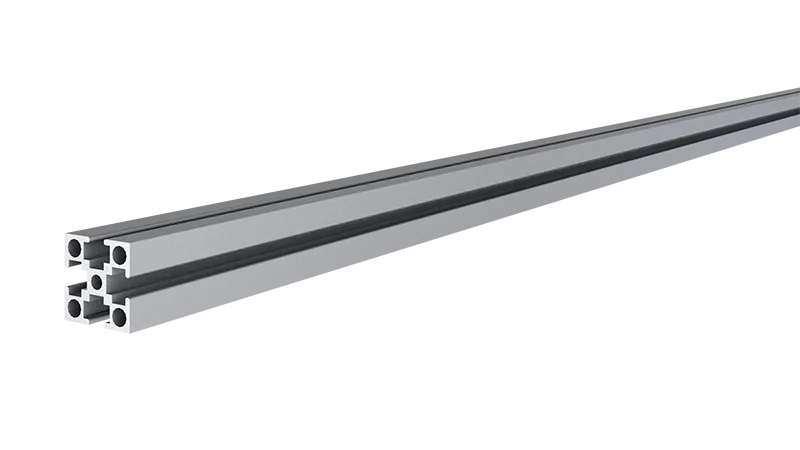
2020 National Standard Profile
45° external bending joint, used for 45° external connection of two aluminum pipes.
In today's fast-paced manufacturing landscape, the ability to adapt quickly isn't just a competitive advantage—it's a survival skill. Production lines that once relied on rigid, one-size-fits-all setups are now giving way to flexible systems that can pivot with changing demands, product designs, and market trends. At the heart of this transformation lies a seemingly unassuming yet powerful component: the 2020 national standard profile. This guide will walk you through how integrating these profiles, paired with the right aluminum profile accessories and lean system principles, can turn your production floor into a hub of efficiency, adaptability, and worker satisfaction.
Understanding Flexible Production Cells: More Than Just a Buzzword
Flexible production cells are the backbone of modern manufacturing, designed to handle varying production volumes, product types, and workflows without the need for complete overhauls. Think of them as modular workspaces where each element—from workbenches to material racks—can be reconfigured, extended, or repurposed with minimal effort. This flexibility isn't just about saving time (though it does that); it's about empowering teams to work smarter. When a new product design rolls in, or a bottleneck emerges, workers shouldn't have to wait weeks for custom fixtures or deal with clunky, immovable equipment. They should be able to adjust their environment to fit the task at hand.
This is where lean system principles come into play. Lean manufacturing, at its core, is about eliminating waste—whether that's wasted time, materials, or effort. Flexible production cells embody this by reducing setup times, minimizing movement of materials, and creating intuitive workflows that reduce errors. But to truly unlock lean's potential, you need the right tools. Enter the 2020 national standard profile: a lightweight, durable aluminum extrusion that serves as the building block for these adaptable systems.
The 2020 National Standard Profile: A Closer Look
At first glance, the 2020 national standard profile might look like just another aluminum bar. But its design is a masterclass in functionality. Measuring 20mm by 20mm, this profile features T-slots running along its length—grooves that allow for easy attachment of accessories like brackets, connectors, and panels. Unlike older, fixed-profile systems, the T-slot design means you don't need welding or specialized tools to make adjustments. A simple hex key is often all it takes to add a shelf, reposition a workbench, or attach a tool holder.
What sets the 2020 profile apart from non-standard alternatives is its consistency. As a national standard, it ensures compatibility across brands and suppliers, so you're not locked into a single manufacturer's ecosystem. This interoperability is a game-changer for small to mid-sized factories that need to scale incrementally. You can start with a basic setup and expand over time, mixing and matching components from different suppliers without worrying about fit issues.
Durability is another key advantage. Made from high-grade aluminum alloy, the 2020 profile strikes a balance between strength and weight. It's sturdy enough to support heavy tools and materials yet light enough to be repositioned by a single worker. This durability translates to longer lifespans, reducing the need for frequent replacements and lowering long-term costs. For environments where corrosion resistance matters—like electronics assembly or food processing—anodized or powder-coated finishes are available, ensuring the profiles hold up even in harsh conditions.

Aluminum Profile Accessories: The Unsung Heroes of Flexibility
A profile is only as good as the accessories that bring it to life. Aluminum profile accessories are the glue that holds flexible production cells together, turning basic extrusions into fully functional workspaces. Let's break down the essentials and how they contribute to a seamless workflow:
Connectors: Building Blocks of Customization
Connectors are the most critical accessories, allowing you to join profiles at various angles—90°, 45°, 135°, or even custom configurations. The 2020 profile works with a range of connector types, from simple corner brackets to internal rotary joints that enable rotational movement. For example, a 90° aluminum profile connector is perfect for building the frame of a workbench, while an internal rotary joint might be used on a material rack to allow shelves to pivot for easy access. These connectors are designed for quick assembly: most slide into the T-slot and secure with a setscrew, eliminating the need for drilling or tapping.
End Caps and Covers: Safety and Finishing Touches
Sharp edges on aluminum profiles can be a hazard in busy work environments. End caps—like the 2020 aluminum profile end cap—slip over the ends of extrusions, protecting workers from cuts and preventing debris from getting stuck in the T-slots. Meanwhile, T-slot rubber seal covers fill in the grooves when they're not in use, keeping out dust and improving the profile's aesthetic. These small details might seem minor, but they make a big difference in day-to-day safety and maintenance.
Panels and Work Surfaces: Turning Frames into Functional Spaces
Once you have the frame of a workbench or rack built with 2020 profiles, you need surfaces to work on. Aluminum honeycomb panels are a popular choice for workbench tops: they're lightweight, flat, and resistant to scratches and impacts. For material racks, corrugated aluminum panels add strength without extra weight. These panels attach to the profiles using bracket accessories, which slide into the T-slots and clamp down securely. The beauty is that if a panel gets damaged, you can replace just that part instead of the entire structure.
Casters and Leveling Feet: Mobility and Stability
Not all production cells need to be stationary. Casters—like the flat swivel castor wheel with brake—turn a fixed workbench into a mobile station that can be moved to where it's needed most. When stability is key, adjustable leveling feet replace casters, ensuring the setup stays steady even on uneven floors. Many systems allow for a mix: use casters on one end and leveling feet on the other for a setup that can be both mobile and fixed as needed.
| Accessory Type | Common Use Cases | Key Benefit |
|---|---|---|
| 90° Aluminum Profile Connector | Workbench frames, shelving corners | Secure, tool-free angle joins |
| 2020 Aluminum Profile End Cap | Exposed profile ends | Safety (eliminates sharp edges) and debris protection |
| Aluminum Honeycomb Panel | Workbench tops, machine guards | Lightweight yet rigid work surface |
| Flat Swivel Castor Wheel with Brake | Mobile workstations, material trolleys | Easy repositioning with secure locking |
| T-Slot Rubber Seal Cover | Unused T-slots on profiles | Dust resistance and improved aesthetics |
Building a Lean Workbench: A Step-by-Step Example
To see how these components come together, let's walk through building a basic workbench using 2020 national standard profiles and aluminum profile accessories. This isn't just any workbench—it's a lean workbench, designed to minimize waste and maximize efficiency.
Step 1: Define the Workbench's Purpose
Start by asking: What will this workbench be used for? Assembly? Packaging? Tool storage? For an electronics assembly line, you might need ESD (electrostatic discharge) protection, so you'd opt for an ESD-safe work surface and grounding accessories. For a packaging station, you might prioritize a large, flat top and integrated roller tracks to move boxes smoothly.
Step 2: select the Frame Components
Using 2020 national standard profiles, cut four vertical legs to your desired height (typically 750mm for standing workbenches). Then, cut horizontal profiles for the top and bottom frames. For stability, add cross-braces between the legs using 45° aluminum pipe joints. These braces prevent the frame from wobbling, even when heavy tools are placed on the bench.
Step 3: Assemble the Frame with Connectors
Join the vertical and horizontal profiles using 90° aluminum profile connectors. Slide the connectors into the T-slots of the horizontal profiles, align them with the vertical legs, and tighten the setscrews with a hex key. No welding, no drilling—just a few turns, and the frame starts to take shape. For extra rigidity, add gusset plates at the corners; these small, triangular brackets distribute weight evenly and reduce stress on the connectors.
Step 4: Add the Work Surface and Accessories
Mount an aluminum honeycomb panel to the top frame using panel brackets. These brackets slide into the T-slots and clamp the panel securely. If you need storage, add a lower shelf using shorter 2020 profiles and connectors. For tool organization, attach a pegboard or tool rail to the back of the bench using T-slot nuts and bolts. If mobility is needed, screw flat swivel casters with brakes into the bottom of the legs; if not, use adjustable leveling feet instead.
Step 5: Test and Adjust
The final step is the most important: involve the workers who will use the bench. Have them test the height, access to tools, and overall ergonomics. Maybe they need the shelf lower, or the tool rail shifted to the left. With the 2020 profile system, making these adjustments is as simple as loosening a few screws and repositioning the components. This collaborative process ensures the workbench fits the people who use it, reducing strain and increasing productivity.
Integrating 2020 Profiles into a Lean System: Real-World Results
It's one thing to talk about the benefits of flexible production cells, but seeing them in action brings the concept to life. Take the example of a small automotive parts manufacturer I worked with last year. Their production line was struggling with bottlenecks: each time they switched between product models, workers spent 2-3 hours reconfiguring fixed workbenches and material racks. Morale was low, and deadlines were often missed.
We recommended a transition to 2020 national standard profiles and aluminum profile accessories. They started small, replacing two fixed workbenches with modular setups. Within a week, the team noticed a difference: model changeovers dropped from hours to minutes. Workers could quickly reposition shelves, add tool holders, or adjust the height of work surfaces to fit the new part. The aluminum honeycomb tops reduced fatigue, as they were lighter than the old wooden benches, and the ESD-safe options eliminated static-related defects in sensitive components.
Six months later, they expanded the system to their entire production floor, integrating flow racks and conveyor systems built with the same 2020 profiles. The result? A 30% increase in throughput, a 50% reduction in setup time, and a noticeable boost in team morale. As one line supervisor put it: "We're no longer fighting the equipment. Now, the equipment works for us."
Another example comes from a medical device assembly plant. They needed to comply with strict cleanliness standards, so they opted for anodized 2020 profiles and stainless steel accessories. The smooth, non-porous surfaces were easy to sanitize, and the modular design allowed them to isolate production zones for different product lines. When a new regulatory requirement came in, they reconfigured the cells in a day to add extra safety barriers—something that would have taken weeks with their old fixed setup.
Overcoming Common Integration Challenges
While integrating 2020 national standard profiles is generally straightforward, there are a few challenges to watch for. Here's how to address them:
Challenge: Ensuring Compatibility with Existing Equipment
Many factories have a mix of old and new equipment. To avoid compatibility issues, start by measuring existing work surfaces, conveyor heights, and material rack dimensions. The 2020 profile's modularity allows you to build adapters using aluminum pipe clamps or custom brackets, bridging the gap between old and new systems. For example, a T-slot adapter can attach a legacy conveyor to a new 2020 profile material rack, ensuring materials flow smoothly between the two.
Challenge: Training Teams on New Systems
Workers used to fixed setups might be hesitant to adopt new tools. The solution is hands-on training. Host a workshop where teams build a simple workbench together, using the connectors and accessories. Let them experiment with reconfiguring it—moving shelves, adding casters, adjusting heights. When workers see how easy it is to customize their workspace, they become advocates for the system.
Challenge: Budget Constraints
Upgrading an entire production line at once can be costly. Instead, take a phased approach. Start with high-impact areas—like bottleneck workstations or frequently reconfigured cells. As you see ROI from these initial setups (reduced downtime, improved productivity), reinvest those savings into expanding the system. Many suppliers offer bulk discounts on aluminum profile accessories, so buying in batches can lower costs further.
Conclusion: Building a Future-Proof Production Floor
Flexible production cells aren't just a trend—they're the future of manufacturing. In a world where customer demands change overnight and product lifecycles grow shorter, rigidity is a liability. The 2020 national standard profile, paired with aluminum profile accessories and lean system principles, offers a path to adaptability without sacrificing efficiency or durability.
Whether you're a small workshop looking to upgrade a single workbench or a large factory aiming to transform your entire line, the key is to start with the end in mind: empowering your team to work smarter, not harder. By investing in systems that grow with your needs, you're not just buying equipment—you're investing in your workers' ability to innovate, adapt, and thrive.
So, take the first step. Evaluate your current production setup, identify the biggest pain points, and imagine (oops—scratch that) think about how a modular workbench or reconfigurable material rack could make a difference. Chances are, you'll be surprised by how quickly those small changes add up to big results. After all, in manufacturing, the most valuable tool isn't the equipment itself—it's the flexibility to use it in ways that keep your team ahead of the curve.