- Company Articles
- Industry articles
- Industry standards
- Food-Grade 1.0mm Stainless Steel Pipe: Compliance and Safety Standards

Food-Grade 1.0mm Stainless Steel Pipe: Compliance and Safety Standards
Related Product
1.0mm Stainless Steel Pipe
Stainless steel pipe, lean pipe, diameter is 28mm, material is SS201 or SS304, SS201 is normally used in the market. It knows a KARAKURI, KAIZEN material for industrial plant to improve efficiency, save labor cost, standard management.
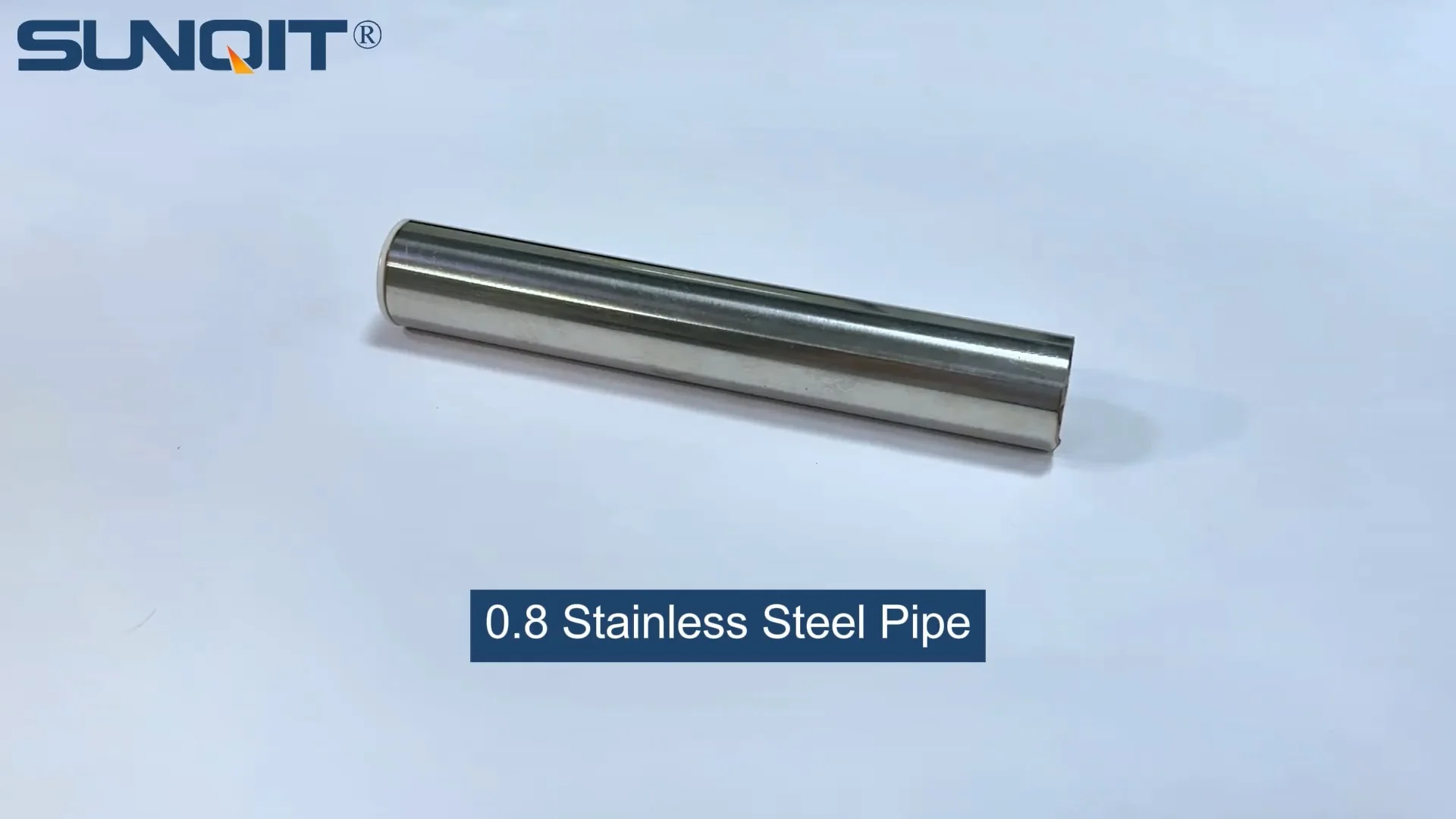
When it comes to food production, every detail matters. From the ingredients that go into a recipe to the equipment that handles them, safety is non-negotiable. One often overlooked but critical component in this chain is the piping used to convey liquids, gases, and even solid materials throughout food processing facilities. Today, we're diving deep into a material that has become the gold standard for such applications: food-grade 1.0mm stainless steel pipe. Whether you're running a small craft brewery, a large-scale dairy plant, or a commercial kitchen, understanding why this specific pipe matters—from compliance with global safety regulations to its impact on product integrity—can transform how you approach operational safety. Let's start by unpacking what makes this pipe a cornerstone of responsible food manufacturing.
What Makes Stainless Steel "Food-Grade"?
Not all stainless steel is created equal, especially when it comes to contact with food. You might be wondering: What sets "food-grade" stainless steel apart from the kind used in construction or automotive parts? The answer lies in two key factors: composition and finish.
First, the alloy. Food-grade stainless steel is typically made from grades like 304, 316, or 430, each containing a precise blend of chromium, nickel, and sometimes molybdenum. Chromium (at least 10.5% by weight) forms a thin, invisible oxide layer on the surface of the steel, which acts as a shield against corrosion and prevents the metal from leaching into food. Nickel (found in 304 and 316) enhances this corrosion resistance, especially in acidic environments—think tomato sauce or citrus juices. Molybdenum, added to 316, takes it a step further, making it ideal for high-salt applications like seafood processing or brine transport.
Second, the finish. Food-grade pipes undergo special treatments to ensure their surfaces are smooth and non-porous. A rough surface can trap food particles and bacteria, creating breeding grounds for contamination. Most food-grade pipes have a "2B" or "BA" finish—mirror-like, easy to clean, and free of crevices. This isn't just about aesthetics; it's a critical safety feature. Imagine a pipe with tiny scratches: over time, those scratches could harbor Listeria or E. coli, putting your products—and customers—at risk. Food-grade stainless steel eliminates that threat.
The 1.0mm Thickness: Why It's the Sweet Spot for Food Applications
Now, let's talk about thickness. Why 1.0mm? After all, you can find stainless steel pipes as thin as 0.5mm or as thick as 2.0mm. The 1.0mm specification isn't arbitrary—it's a balance of durability, weight, and practicality that makes it uniquely suited for food processing.
Durability without overkill: Food processing environments are tough. Pipes are exposed to high pressures (from pumping systems), temperature fluctuations (steam cleaning, cold storage), and physical wear (from equipment movement or maintenance). A 1.0mm wall thickness provides enough strength to withstand these stresses without being overly heavy. Thinner pipes (like 0.8mm) might save on cost initially, but they're more prone to dents or cracks over time—especially in high-traffic areas. Thicker pipes (1.5mm+) add unnecessary weight, making installation harder and increasing material costs. For most food applications—whether conveying milk, beer, or sanitizing solutions—1.0mm hits the mark: strong enough to last decades, but light enough to be installed and maintained efficiently.
Heat transfer and energy efficiency: In processes like pasteurization, where liquids need to be heated or cooled quickly, pipe thickness affects heat transfer rates. A 1.0mm wall allows for efficient thermal conductivity without losing too much energy to the environment. Thicker walls would insulate the fluid, slowing down heating/cooling cycles and driving up energy bills. For small-batch producers, this might mean longer processing times; for large facilities, it could translate to thousands of dollars in wasted energy annually.
Cost-effectiveness: Let's not forget the bottom line. 1.0mm pipes strike a balance between material cost and longevity. While 0.8mm pipes are cheaper upfront, their shorter lifespan often leads to higher replacement costs. Thicker pipes, on the other hand, require more raw material, increasing initial expenses. For businesses looking to invest in equipment that will last 10–15 years (or longer), 1.0mm stainless steel pipe offers the best return on investment. It's a choice that pays off in reduced downtime, fewer repairs, and consistent performance.

Compliance: Navigating the Maze of Global Safety Standards
When it comes to food contact materials, compliance isn't optional—it's the law. Governments and regulatory bodies worldwide have strict standards to ensure that materials used in food processing don't compromise product safety. For 1.0mm stainless steel pipe, two of the most critical standards are the FDA's Code of Federal Regulations (CFR) in the U.S. and the EU's Regulation (EC) No. 10/2011. Let's break down what these entail, and why they matter for your business.
FDA CFR Title 21, Section 177.2600
The U.S. Food and Drug Administration (FDA) sets the bar for food contact materials through 21 CFR 177.2600. This regulation specifies that stainless steel used in food processing must be "corrosion-resistant" and "inert"—meaning it won't react with food, release harmful substances, or support microbial growth. For a 1.0mm pipe to be FDA-compliant, it must meet strict criteria for:
- Composition: Chromium content ≥16%, nickel ≥6% (for 304 grade), and no heavy metals like lead or cadmium above trace levels.
- Surface finish: A smooth, non-porous surface (Ra value ≤0.8μm) to prevent bacterial adhesion.
- Performance testing: Passing migration tests, where the pipe is exposed to food simulants (like acetic acid for acidic foods) to ensure no metal ions leach into the simulant above safe limits.
Why does this matter? If your facility sells products in the U.S., using non-compliant piping could result in FDA warnings, product recalls, or even legal action. More importantly, it protects your customers from potential health risks—something no brand can afford to compromise on.
EU Regulation (EC) No. 10/2011
For businesses operating in the European union, compliance with EC 10/2011 is mandatory. This regulation is even more stringent than the FDA's, setting maximum migration limits for specific elements like nickel (0.1μg/cm²/week) and chromium (0.05μg/cm²/week). It also requires that materials are "fit for their intended use"—meaning a 1.0mm pipe used for hot milk must perform differently than one used for cold fruit juice, and the manufacturer must prove it.
One key difference with EU standards is the focus on "lifetime compliance." Unlike the FDA, which spot-checks products, EC 10/2011 requires suppliers to provide documentation proving their pipes will remain compliant over their entire service life. This means rigorous testing for long-term corrosion resistance, especially in aggressive environments like meat processing (high salt) or winemaking (high acidity). For European-based food producers, partnering with a supplier who understands these nuances is non-negotiable.
Other Global Standards: NSF, 3-A, and Beyond
Beyond FDA and EU regulations, there are industry-specific standards that add another layer of assurance. The NSF/ANSI 51 standard, for example, is widely recognized in North America for food equipment materials, while 3-A Sanitary Standards are critical for dairy and beverage processing. These standards go beyond basic compliance to address design details—like the radius of pipe bends (to prevent dead zones where food can stagnate) or the type of welds used (continuous, smooth welds to avoid crevices).
For instance, 3-A requires that all welds in dairy piping are "electropolished"—a process that removes heat-affected zones from welding, ensuring the surface remains corrosion-resistant. A 1.0mm pipe that meets 3-A standards isn't just compliant; it's optimized for the unique challenges of dairy production, where even a tiny bacterial colony can spoil an entire batch.
At the end of the day, compliance isn't just about checking boxes. It's about building trust—with regulators, customers, and your own team. When you choose FDA, EU, or 3-A compliant 1.0mm stainless steel pipe, you're sending a clear message: safety is your top priority.

Safety in Action: How 1.0mm Stainless Steel Pipe Protects Your Products
Compliance is the baseline, but the real value of food-grade 1.0mm stainless steel pipe lies in how it actively safeguards your products. Let's look at three real-world scenarios where this pipe makes all the difference.
Scenario 1: Preventing Cross-Contamination in a Bakery
Imagine a small artisanal bakery that uses piping to transport water, compressed air (for dough mixers), and even sugar syrups. If that bakery uses galvanized steel pipes (a common cheaper alternative), over time, the zinc coating can corrode—especially in humid environments. Corroded metal can flake off into the water supply, tainting dough with metallic tastes or harmful particles. Now, replace those pipes with 1.0mm 304 stainless steel. The chromium oxide layer resists corrosion, even in steamy bakery conditions, ensuring the water stays pure. The smooth surface also makes cleaning easier: a quick rinse with hot water and sanitizer removes any dough residue, preventing mold or bacterial growth between batches. For a bakery that prides itself on "clean label" products, this isn't just a safety win—it's a selling point.
Scenario 2: Ensuring Freshness in a Craft Brewery
Brewing is a science, and oxygen is the enemy of fresh beer. Oxygen exposure during fermentation or transfer can cause off-flavors, turning a crisp IPA into a stale, cardboard-tasting disappointment. Copper pipes (once popular in breweries) are prone to oxidation, which can introduce oxygen into the beer. 1.0mm 316 stainless steel pipe, however, is oxygen-impermeable and corrosion-resistant to the acids in hops and malt. Its smooth interior also reduces turbulence, minimizing the risk of air bubbles forming in the beer as it flows through the system. Many craft brewers now swear by stainless steel piping, noting that it extends their beer's shelf life by 2–3 weeks—a significant advantage in a competitive market.
Scenario 3: Meeting Strict Standards in a Dairy Plant
Dairy processing is governed by some of the toughest safety rules, and for good reason: milk is a nutrient-rich medium for bacteria like Salmonella and Campylobacter. A single contaminated pipe can lead to a massive recall. 1.0mm stainless steel pipe addresses this with its non-porous surface and heat resistance. During CIP (Clean-In-Place) cycles—where pipes are flushed with high-temperature (80–90°C) sanitizing solutions—the stainless steel holds up without warping or degrading. The 1.0mm thickness ensures the pipe doesn't develop hot spots, which could burn milk residue and create stubborn deposits. For a large dairy plant processing 10,000 liters of milk daily, this reliability translates to consistent product quality and peace of mind.
Stainless Steel Pipe Series: Exploring Your Options
When we talk about food-grade 1.0mm stainless steel pipe, we're referring to a specific subset of the broader stainless steel pipe series . This series includes various grades, finishes, and configurations tailored to different applications. Let's take a closer look at the most common options for food processing:
| Stainless Steel Grade | Key Alloy Components | Corrosion Resistance | Best For | Compliance |
|---|---|---|---|---|
| 304 (18-8) | 18% Cr, 8% Ni | High (resists water, mild acids, and alkalis) | Bakeries, commercial kitchens, general food processing | FDA, EU 10/2011, NSF/ANSI 51 |
| 316 (18-10-Mo) | 18% Cr, 10% Ni, 2-3% Mo | Very high (resists salt, chlorides, and harsh chemicals) | Seafood processing, breweries, pickling plants | FDA, EU 10/2011, 3-A Sanitary Standards |
| 430 | 17% Cr, no Ni | Moderate (good for dry or low-moisture foods) | Baking trays, dry ingredient conveying, non-acidic environments | FDA-compliant (but not ideal for wet/acidic foods) |
Within these grades, you'll also find options like "seamless" vs. "welded" pipes. Seamless pipes are formed from a single piece of steel, eliminating the risk of weak points at welds—making them ideal for high-pressure applications like steam lines. Welded pipes, made by rolling steel strips and welding the edges, are more cost-effective and work well for low-to-medium pressure uses like water transport. Both can be 1.0mm thick, so your choice depends on your specific needs.
Choosing the Right Lean Pipe Supplier: What to Look For
Now that you understand the "what" and "why" of food-grade 1.0mm stainless steel pipe, let's talk about the "who": finding a reliable lean pipe supplier . While "lean pipe" traditionally refers to flexible, modular piping systems (often used in manufacturing workstations), many suppliers now extend their expertise to food-grade stainless steel piping—offering customization, compliance support, and technical guidance. Here's what to prioritize when selecting a supplier:
1. Certifications and Documentation
Any reputable supplier should provide easy access to compliance certificates: FDA letters of conformance, EU 10/2011 test reports, and material safety data sheets (MSDS). Don't hesitate to ask for batch-specific test results—this ensures the pipe you're buying matches the specifications you need. A supplier who hesitates to share this information is a red flag.
2. Quality Control Processes
Look for suppliers with in-house quality control (QC) teams. Do they inspect every pipe for surface defects? Do they pressure-test pipes to ensure they can handle your facility's operating pressures? Some suppliers even offer third-party audits, letting you verify their QC processes firsthand. For example, a supplier that uses automated vision systems to check for scratches or dents is more likely to deliver consistent quality than one that relies on manual inspections alone.
3. Customization Options
Food processing facilities come in all shapes and sizes, and off-the-shelf pipes may not fit your layout. A good supplier should offer custom cutting (to length), bending, and threading to meet your exact needs. For example, if your facility has tight corners, they should be able to bend 1.0mm stainless steel pipe to a specific radius without weakening the wall. Some suppliers even provide pre-assembled piping kits with fittings and gaskets, saving you time on installation.
4. Technical Support
Unless you're a materials engineer, you might have questions: "Is 304 or 316 better for my tomato processing line?" "What finish do I need for CIP cleaning?" A great supplier will have technical experts on staff to answer these questions and help you make informed decisions. They should also offer after-sales support, like with installation troubleshooting or replacement parts.
5. Sustainability Practices
More and more food businesses are prioritizing sustainability, and your piping supplier should too. Look for suppliers who use recycled stainless steel (which is just as durable as virgin steel) or have carbon-neutral manufacturing processes. Stainless steel is 100% recyclable, so ask about their take-back program for old pipes—this not only reduces waste but can also lower your disposal costs.
Beyond Pipes: Integrating with Workbenches and Other Equipment
Food-grade 1.0mm stainless steel pipe doesn't exist in isolation—it's part of a larger ecosystem of equipment that keeps your facility running smoothly. One area where this integration shines is in workbench design. Many food processing facilities use stainless steel workbenches for prep, packaging, and inspection, and using the same material for both workbenches and piping creates a cohesive, easy-to-clean environment.
For example, a meat processing plant might have a stainless steel workbench with built-in piping for water sprayers (to rinse meat) and vacuum lines (to remove trimmings). Since both the workbench and pipes are made from 304 stainless steel, they can be cleaned with the same sanitizers, and there's no risk of galvanic corrosion (when two different metals react) between components. This integration also streamlines maintenance: if a pipe under the workbench needs repair, the technician can work on it without worrying about damaging the workbench surface.
Some suppliers even offer modular workbench-piping systems, where pipes are used as structural supports for the workbench. This "lean manufacturing" approach saves space and reduces material waste, making it popular in small facilities. For instance, a bakery might use 1.0mm stainless steel pipes to build a rolling workbench with integrated shelving and piping for compressed air (to power pastry tools). It's functional, durable, and easy to reconfigure as production needs change.
Maintenance 101: Keeping Your Pipes in Top Shape
Investing in high-quality food-grade 1.0mm stainless steel pipe is just the first step—proper maintenance ensures it lasts for decades. Here's a simple checklist to keep your pipes safe and efficient:
- Clean regularly: Use mild detergents (avoid abrasive cleaners like steel wool) and hot water to remove residue. For stubborn deposits (like milk stone in dairy plants), use a citric acid-based cleaner.
- Inspect for damage: Check pipes monthly for scratches, dents, or discoloration—these can be entry points for bacteria. Small scratches can often be buffed out with a fine-grit sandpaper, but deep dents may require replacement.
- replace gaskets and seals: Rubber gaskets between pipe fittings degrade over time, especially with frequent heat cycles. replace them every 1–2 years to prevent leaks.
- Sanitize after repairs: If you cut or weld pipes on-site, make sure to re-passivate the surface (treat with nitric acid) to restore the chromium oxide layer. This step is critical—unpassivated steel is vulnerable to corrosion.
- Train your team: Ensure employees know not to hang tools on pipes (which can cause dents) or use them as step stools. Simple habits like these go a long way in preventing damage.
Remember: stainless steel is durable, but it's not invincible. Avoid exposing pipes to strong chemicals like hydrochloric acid (used in some drain cleaners) or chlorine bleach in high concentrations—these can break down the oxide layer. When in doubt, consult your supplier for cleaning recommendations tailored to your specific application.
The Future of Food-Grade Piping: What's Next?
As food safety regulations tighten and consumers demand more transparency, the role of materials like 1.0mm stainless steel pipe will only grow. Here are two trends to watch:
Smart Pipes with Sensors: Imagine a pipe that can detect corrosion or blockages in real time. Companies are now experimenting with embedding sensors into stainless steel pipes to monitor temperature, pressure, and even microbial activity. For example, a sensor could alert you if a section of pipe is developing a leak before it causes a spill, or if bacteria levels are rising in a hard-to-clean area. While still in early stages, this technology could revolutionize predictive maintenance.
Advanced Surface Treatments: Researchers are developing new coatings for stainless steel that enhance its already impressive properties. One promising innovation is "superhydrophobic" coatings, which repel water and food particles, making cleaning even easier. Another is antimicrobial coatings infused with silver ions, which actively kill bacteria on contact. These treatments could reduce cleaning time and further lower contamination risks.
Final Thoughts: Investing in Safety, One Pipe at a Time
Food-grade 1.0mm stainless steel pipe is more than just a component—it's a commitment to safety, quality, and sustainability. From its corrosion-resistant alloy to its compliance with global standards, every aspect of this pipe is designed to protect your products and your customers. Whether you're a small-scale artisanal producer or a multinational food giant, choosing the right pipe can transform your operations, reduce risks, and build trust in your brand.
As you embark on sourcing or upgrading your piping system, remember: the cheapest option isn't always the best. A slightly higher upfront cost for FDA-compliant 1.0mm stainless steel pipe pales in comparison to the cost of a recall, a damaged reputation, or a safety incident. Partner with a reputable lean pipe supplier, prioritize compliance, and invest in maintenance—your business (and your customers) will thank you.
In the end, food safety is a journey, and every pipe, every workbench, and every process plays a part. With food-grade 1.0mm stainless steel pipe, you're taking a critical step forward—one that ensures your products are as safe as they are delicious.