- Company Articles
- Industry articles
- Industry standards
- Food-Grade Plastic Pipe End Caps: Meeting Safety Standards in Specialized Industries

Food-Grade Plastic Pipe End Caps: Meeting Safety Standards in Specialized Industries
Related Product
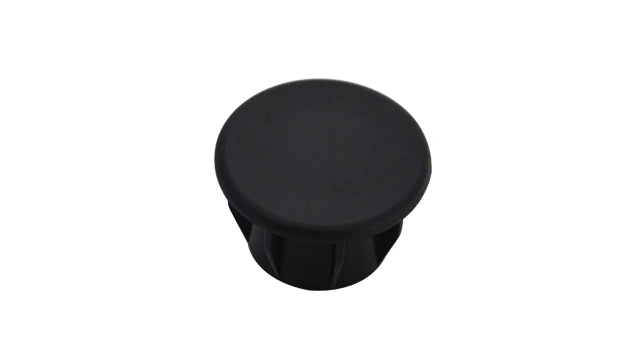
Plastic pipe end cap
Plastic pipe cover, used for 28mm two end cover and protection, to avoid any scratch from sharp metal surface.
In the world of manufacturing and production, it's often the smallest components that play the biggest roles in ensuring safety, efficiency, and compliance. Take a walk through any food processing plant, pharmaceutical lab, or beverage production facility, and you'll notice an intricate web of pipes, workbenches, and conveyor systems—all working together to keep operations running smoothly. Today, we're shining a spotlight on one such unsung hero: the food-grade plastic pipe end cap. These tiny but critical parts might not grab headlines, but they're the silent guardians of product purity and workplace safety in some of the most regulated industries on the planet.
If you've ever wondered how companies ensure that their products remain free from contamination, meet strict health codes, or stand up to the rigorous cleaning protocols of specialized sectors, the answer often lies in details like pipe end caps. Let's dive into what makes these components so essential, how they're designed to meet the highest safety standards, and why they've become a non-negotiable part of modern industrial setups—especially when paired with systems like lean pipes and workbenches that form the backbone of efficient production lines.
The Basics: What Are Food-Grade Plastic Pipe End Caps?
At first glance, a pipe end cap might seem like a simple piece of plastic. After all, its primary job is straightforward: to seal the open end of a pipe, tube, or profile. But in specialized industries like food processing, pharmaceuticals, or cosmetics, "simple" isn't enough. These end caps need to do more than just block debris—they need to prevent bacterial growth, resist harsh cleaning chemicals, and ensure that no harmful substances leach into products. That's where "food-grade" comes into play.
Food-grade plastic pipe end caps are specifically engineered to meet strict regulatory standards for materials that come into contact with consumable products. Unlike standard plastic caps, which might contain dyes, additives, or low-quality plastics that could break down over time, food-grade versions are made from materials like high-density polyethylene (HDPE), polypropylene (PP), or food-safe silicone. These materials are non-toxic, non-porous, and designed to withstand repeated exposure to heat, moisture, and aggressive sanitizers—think industrial-grade bleach, steam cleaning, or acidic detergents.
But their role goes beyond just sealing. In facilities where lean pipe systems are used to build modular workbenches, material racks, or conveyor tracks, these end caps also contribute to workplace safety. A properly fitted end cap eliminates sharp edges on exposed pipes, reducing the risk of cuts or scrapes for workers who interact with the equipment daily. In busy environments where every second counts, this might seem like a small detail—but ask any plant manager, and they'll tell you: reducing workplace injuries is always a top priority.
Why Safety Standards Matter: The Stakes in Specialized Industries
When it comes to industries that handle products meant for human consumption or medical use, the margin for error is razor-thin. A single contaminated batch can lead to costly recalls, damaged reputations, and even public health crises. That's why regulatory bodies around the world—like the U.S. Food and Drug Administration (FDA), the European union's European Food Safety Authority (EFSA), and the World Health Organization (WHO)—have established strict guidelines for materials used in food contact surfaces.
For plastic pipe end caps, compliance starts with the material itself. The FDA, for example, outlines specific requirements in 21 CFR Part 177, which details which polymers are safe for food contact and under what conditions (temperature, acidity, etc.). Similarly, the EU's Regulation (EC) No. 10/2011 sets limits on the migration of substances from plastic materials into food, ensuring that even trace amounts of chemicals don't end up in products.
Consider a scenario in a dairy processing plant: milk flows through a network of stainless steel pipes, but at various points—where pipes connect to workbenches or where lines end—plastic end caps are used to seal off unused ports. If those caps are made from non-food-grade plastic, they might absorb fats from the milk, creating a breeding ground for bacteria like Listeria or E. coli . Over time, these bacteria could contaminate the milk, leading to widespread illness. In 2019, a major recall of ice cream in the U.S. was traced back to contaminated equipment parts, including improperly sealed pipe ends—a stark reminder of why these small components matter.
In pharmaceutical settings, the stakes are even higher. Many medications are sensitive to contamination, and even a tiny particle from a degraded plastic cap could render a batch unsafe for use. That's why end caps used in these environments must not only meet food-grade standards but also comply with additional regulations, such as ISO 10993 for biocompatibility, ensuring they don't react with drugs or medical devices.

Materials Matter: Choosing the Right Plastic for the Job
Not all plastics are created equal, especially when it comes to food-grade applications. Manufacturers of pipe end caps have to balance factors like safety, durability, cost, and compatibility with cleaning processes. Let's break down the most common materials used and why they're chosen for specific industries:
Polypropylene (PP)
Polypropylene is a go-to material for food-grade pipe end caps, and for good reason. It's heat-resistant (able to withstand temperatures up to 120°C/248°F), chemical-resistant (impervious to most acids, alkalis, and sanitizers), and has a smooth, non-porous surface that's easy to clean. PP is also lightweight and cost-effective, making it a popular choice for high-volume production lines. You'll often find PP end caps on lean pipe workbenches in food packaging facilities, where they need to hold up to daily wipe-downs and occasional steam cleaning.
High-Density Polyethylene (HDPE)
HDPE is another staple in food-grade applications, prized for its toughness and impact resistance. Unlike some plastics, HDPE doesn't absorb moisture, which means it won't harbor bacteria or mold—critical in wet environments like breweries or dairy plants. It's also resistant to UV radiation, making it suitable for use in facilities with natural light or outdoor storage areas. HDPE end caps are often used on larger diameter pipes, such as those used in water distribution systems within food plants, where durability is key.
Food-Grade Silicone
For applications that require flexibility or a tighter seal, food-grade silicone is the material of choice. Silicone end caps can conform to irregular pipe shapes, making them ideal for use with custom or non-standard pipe sizes. They're also heat-resistant (up to 230°C/446°F) and can withstand repeated autoclaving—a process used in pharmaceutical labs to sterilize equipment. While silicone is more expensive than PP or HDPE, its versatility makes it indispensable in industries where precision and sterility are non-negotiable.
Comparing Materials: A Quick Reference
| Material | Safety Compliance | Heat Resistance | Chemical Resistance | Best For | Cost |
|---|---|---|---|---|---|
| Polypropylene (PP) | FDA, EU 10/2011 | Up to 120°C | Excellent (resists acids, alkalis) | Lean pipe workbenches, packaging lines | Low-Medium |
| HDPE | FDA, EU 10/2011 | Up to 110°C | Excellent (resists moisture, solvents) | Water distribution, outdoor storage | Low |
| Food-Grade Silicone | FDA, EU 10/2011, ISO 10993 | Up to 230°C | Excellent (resists autoclaving) | Pharmaceutical labs, custom pipe sizes | High |
| Stainless Steel (Non-Plastic Alternative) | FDA, EU 10/2011 | Unlimited (high heat) | Excellent | High-temperature applications | Very High |

Integration with Lean Systems: Building Safer, More Efficient Workspaces
In recent years, lean manufacturing principles have revolutionized how production facilities operate, emphasizing efficiency, waste reduction, and continuous improvement. Central to many lean systems is the use of modular pipe structures—often called lean pipes or kit systems—that allow for quick, customizable setups of workbenches, material racks, and conveyor lines. These systems are popular in industries like automotive, electronics, and yes, food processing, because they can be reconfigured as production needs change.
But in food and pharmaceutical industries, lean systems need to do more than just boost efficiency—they need to meet strict safety standards. That's where food-grade plastic pipe end caps become essential. A typical lean pipe system uses aluminum or steel pipes connected by joints to form frames for workbenches or racks. Without end caps, these pipes would have exposed edges that could trap food particles, harbor bacteria, or pose injury risks. By adding a food-grade plastic end cap to each exposed pipe end, manufacturers create a surface that's easy to clean, non-toxic, and safe for contact with products.
Take, for example, a lean pipe workbench in a bakery. The workbench is used to assemble sandwich ingredients, with pipes forming the frame and a food-safe cutting board on top. The pipes themselves are made of aluminum, which is durable but has sharp edges when cut. By capping each pipe end with a PP or HDPE cap, the bakery ensures that crumbs or spills don't get stuck in the pipe ends, and workers aren't at risk of cutting themselves while reaching across the bench. It's a small adjustment, but it makes the entire workbench compliant with FDA regulations for food contact surfaces.
Another advantage of using plastic end caps with lean pipe systems is their compatibility with accessories. Many end caps are designed to work with caster wheels, leveling feet, or other lean pipe accessories, allowing for even greater customization. For instance, a material rack built with lean pipes might use end caps that double as mounting points for label holders, making it easier for workers to identify ingredients or products. This integration of safety and functionality is what makes lean systems with food-grade components so valuable in specialized industries.
Challenges in Manufacturing: Balancing Compliance and Cost
While the benefits of food-grade plastic pipe end caps are clear, manufacturing them isn't without challenges. For starters, sourcing high-quality, food-grade materials can be more expensive than using standard plastics. PP and HDPE resins that meet FDA standards often cost 10-15% more than non-compliant versions, and for small manufacturers, this can eat into profit margins. Additionally, producing food-grade end caps requires strict quality control measures, such as batch testing for contaminants and regular audits of production facilities—all of which add to the cost.
Another challenge is meeting the diverse needs of different industries. A pipe end cap used in a candy factory, for example, might only need to withstand room temperatures and occasional wiping, while one used in a meat processing plant needs to hold up to daily high-pressure washing with hot water and caustic detergents. Manufacturers often have to produce multiple versions of the same end cap—each tailored to specific temperature ranges, chemical exposures, or pipe sizes—to meet these varying demands.
There's also the issue of counterfeiting. With the demand for food-grade components on the rise, some suppliers cut corners by labeling non-compliant plastic caps as "food-grade." This puts manufacturers at risk of unknowingly using substandard parts, which can lead to regulatory violations or product recalls. To combat this, reputable suppliers will provide documentation, such as FDA compliance certificates or material safety data sheets (MSDS), to prove their end caps meet the required standards. For buyers, this means doing due diligence—asking for certifications, testing samples, and vetting suppliers thoroughly.
Future Trends: Innovations in Food-Grade Plastic End Caps
As industries evolve, so too do the materials and designs of the components that keep them running. The future of food-grade plastic pipe end caps is no exception, with several emerging trends poised to shape their development:
Antimicrobial Additives
One of the most promising trends is the integration of antimicrobial additives into plastic end caps. These additives—often silver ions or organic compounds—work by inhibiting the growth of bacteria, mold, and mildew on the surface of the cap. While regular cleaning is still necessary, antimicrobial end caps provide an extra layer of protection, especially in hard-to-reach areas or facilities with high moisture levels. Early adopters include hospitals and pharmaceutical labs, but the technology is quickly gaining traction in food processing as well.
Sustainable Materials
With environmental concerns taking center stage, manufacturers are exploring biodegradable or recyclable alternatives to traditional plastics. Companies are experimenting with plant-based polymers, such as PLA (polylactic acid) derived from corn starch, as a replacement for PP or HDPE. While these materials are still in the early stages of development for food-grade applications, they offer the potential to reduce the environmental impact of end caps without sacrificing safety.
Smart Sensing Technology
Imagine a pipe end cap that can alert maintenance teams when it's damaged or needs replacement. That's the vision behind smart end caps, which incorporate tiny sensors to monitor factors like temperature, pressure, or wear. For example, a sensor embedded in an end cap could detect if the cap has become loose, allowing workers to tighten it before contaminants enter the pipe. While this technology is currently expensive, advances in microelectronics could make smart end caps a viable option for high-risk applications, such as pharmaceutical manufacturing, in the coming years.
Conclusion: The Unsung Heroes of Safe Production
In the grand scheme of industrial manufacturing, plastic pipe end caps might seem. But as we've explored, their role in ensuring safety, compliance, and efficiency in specialized industries is undeniable. From preventing contamination in food processing plants to reducing workplace injuries in pharmaceutical labs, these small components punch well above their weight.
As regulatory standards become stricter and consumer expectations for product safety rise, the demand for high-quality, food-grade plastic end caps will only grow. Manufacturers who invest in compliant, well-designed end caps aren't just checking a box—they're protecting their customers, their reputations, and their bottom lines. And for workers on the factory floor, these unassuming caps represent something even more valuable: peace of mind that the equipment they interact with daily is safe, reliable, and built to the highest standards.
So the next time you walk through a food processing plant or pick up a packaged product, take a moment to appreciate the small details. Behind every safe, high-quality product is a network of components working together—and at the heart of that network, you'll often find a simple plastic pipe end cap, quietly doing its job to keep us all safe.