- Company Articles
- Industry articles
- Industry standards
- Food Industry All Direction Roller Track: Sanitary Design Considerations

Food Industry All Direction Roller Track: Sanitary Design Considerations
Related Product
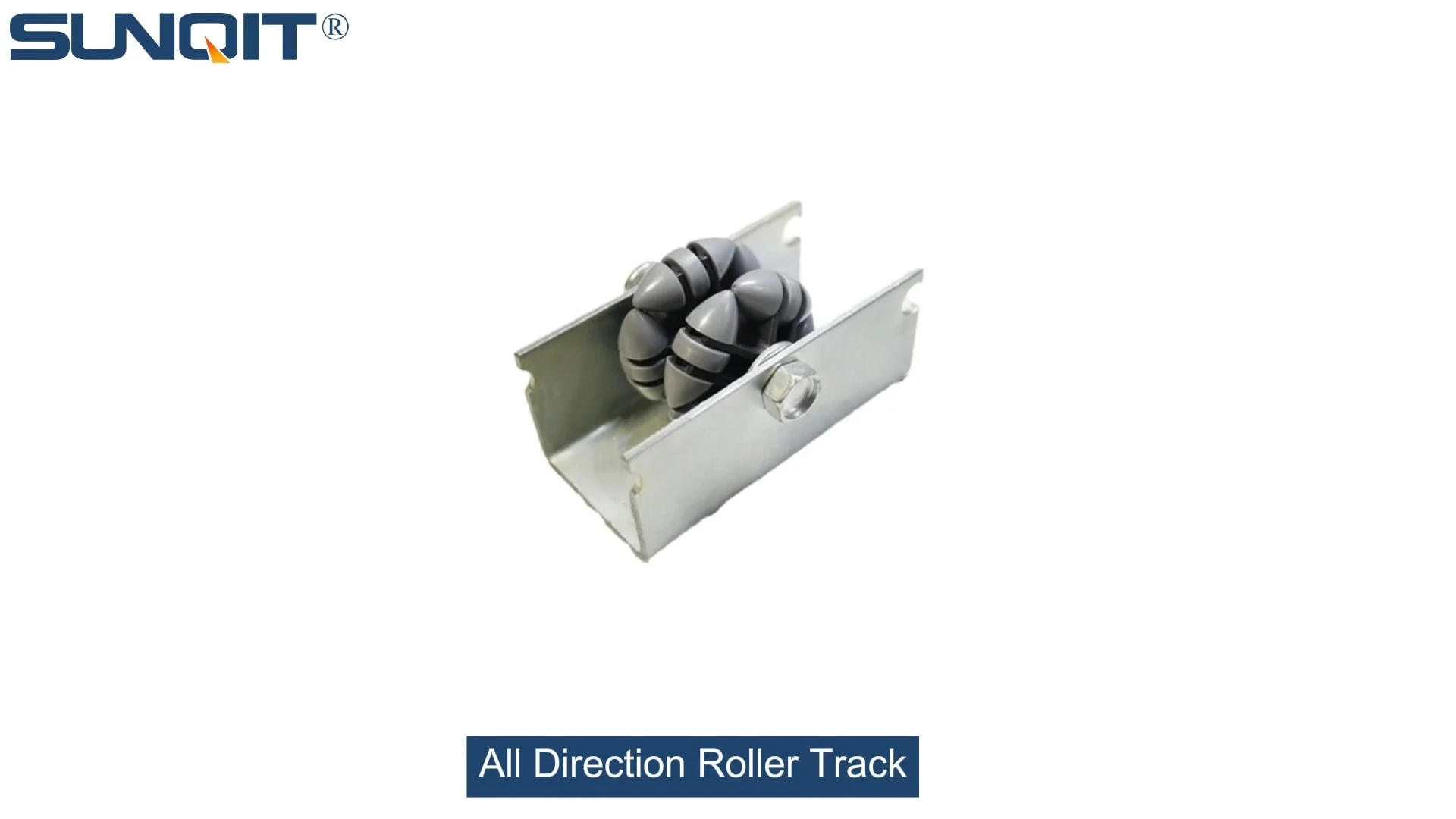
All Direction Roller Track
All direction roller track made of steel frame and multiple direction move wheel which will make boxes are always in contact with the rollers, reducing jams and enhancing flow reliability.
Walk into any modern food processing facility, and you'll notice a silent workhorse keeping operations running smoothly: material handling systems. Among these, all direction roller tracks stand out for their ability to move products—from raw ingredients to packaged goods—with flexibility and precision. But in an industry where a single bacteria colony can trigger a recall, "good enough" simply won't cut it. Sanitary design isn't just a checkbox here; it's the foundation of trust between manufacturers and the consumers who put their health in their hands. Let's dive into what makes all direction roller tracks safe, compliant, and ready for the unique challenges of food production.
Why Sanitary Design Matters More in Food Than Any Other Industry
Food processing is a high-stakes game. Unlike automotive or electronics manufacturing, where dust might affect product quality, here, contamination can lead to foodborne illnesses, massive recalls, and irreparable brand damage. Consider this: the CDC estimates that 48 million people get sick from foodborne diseases in the U.S. each year. Now, imagine a roller track with tiny crevices where bacteria like Salmonella or Listeria can hide, or a rusted joint that flakes metal into a batch of baby food. Scary, right? That's why regulatory bodies like the FDA and EU's Food Safety Authority have strict guidelines for equipment that touches food—including the roller tracks that move it.
All direction roller tracks, with their 360-degree movement capability, are especially critical. They reduce the need for manual handling (a major contamination risk) and streamline workflows, but only if their design prioritizes cleanliness. Let's break down the key areas where sanitary design makes or breaks a roller track system in food settings.
Material Selection: The First Line of Defense Against Contamination
The materials used in your roller track system are the first barrier between your product and potential hazards. Porous, corrodible, or hard-to-clean materials? They're an open invitation for bacteria to set up shop. Let's compare the options:
| Material Type | Sanitary Benefits | Real-World Use Case | When to Avoid |
|---|---|---|---|
| Stainless Steel Pipe Series (304/316) | Non-porous surface resists bacterial growth; highly corrosion-resistant (even in wet environments like meat processing); easy to sanitize with high-pressure washers or chemicals. | Dairy plants using 316 stainless steel tracks to handle acidic milk byproducts without rusting. | Rarely—unless budget is the only concern (but cutting corners here costs more long-term). |
| Aluminum Profile | Lightweight yet strong; naturally corrosion-resistant; smooth, seamless surfaces that minimize crevices. Anodized finishes add an extra layer of protection against scratches. | Bakery facilities using aluminum roller tracks for dry goods like flour sacks or packaged pastries. | Wet environments with harsh chemicals (aluminum can react with certain cleaners over time). |
| Traditional Steel or Plastic | None. Steel rusts, plastic harbors bacteria in scratches, and both are hard to clean thoroughly. | Nowhere in food processing. Even non-contact areas should avoid these. | Always—unless you want to risk cross-contamination. |
The takeaway? Stainless steel pipe series and high-quality aluminum profile are the gold standards here. They're non-reactive, easy to sanitize, and built to withstand the daily grind of food production—whether that means hosing down tracks after a shift or exposing them to temperature fluctuations in frozen food warehouses.

Structural Design: No Crevices, No Traps, No Compromises
Even the best materials can fail if the track's design creates hidden spots for gunk to build up. Think about it: a roller track with welded joints, sharp corners, or recessed bolts is basically a bacteria vacation home. Here's what to demand instead:
1. Rounded Edges and Seamless Joints
Sharp 90-degree angles? They're impossible to wipe clean. Instead, look for all direction roller tracks with rounded edges (a minimum 3mm radius is ideal) and smooth, continuous welds. Some manufacturers even use laser welding to eliminate gaps between aluminum profile sections—no more scrubbing with a toothbrush to get rid of trapped food particles!
2. Tool-Free Disassembly for Deep Cleaning
Ever tried sanitizing a roller track without being able to take it apart? It's like trying to clean behind the fridge without moving it—you'll always miss something. The best systems use quick-release pins or clamp-style connectors (think roller track and accessories designed for easy breakdown) so you can disassemble sections in minutes, scrub every nook, and reassemble without specialized tools. This is a game-changer for facilities that require daily deep cleans, like those processing ready-to-eat meals.
3. Sloped Surfaces and Drainage
Water is a necessary evil in food plants—whether from washing produce or sanitizing equipment. But standing water on a roller track is a breeding ground for mold and bacteria. Look for tracks with a slight slope (1-2 degrees) to channel water toward drains, and avoid flat surfaces where liquid can pool. Some manufacturers even integrate drainage holes into roller brackets—small details that make a big difference in wet areas like poultry processing lines.

Roller Track and Accessories: The Devil's in the Details
A track is only as sanitary as its parts. That means every accessory—from rollers to casters—needs the same level of scrutiny as the main rails. Let's zoom in on the most critical components:
Rollers: Smooth, Sealed, and Self-Cleaning
Rollers are where products make direct contact, so they're ground zero for contamination risks. Opt for solid stainless steel or food-grade plastic rollers (avoid porous rubber, which can harbor allergens). Sealed bearings are a must—they prevent lubricants from leaking onto products and keep water/bacteria out of the roller mechanism. Even better? Some rollers feature a "self-cleaning" design, where the rotation of the roller during use wipes away debris, reducing the need for manual scrubbing.
Caster and Accessories: Stability Without the Germs
Mobile roller track systems rely on casters to move around the facility, but standard casters are often a hidden hazard. Many have hollow stems or recessed wheels where food particles and water get trapped. Instead, choose caster and accessories with:
- Sealed, maintenance-free bearings to prevent grease leaks
- Solid, one-piece wheels (no seams or vents)
- Brake mechanisms that don't have crevices (look for foot-operated brakes with smooth surfaces)
- Stainless steel or anodized aluminum frames to resist rust
Pro Tip:
Avoid decorative or unnecessary features. A roller track with fancy logos or embossed numbers might look nice, but those indentations are just more places for bacteria to hide. Keep it simple, keep it smooth.

Compliance: Checking the Boxes That Keep You Legal (and Safe)
Sanitary design isn't just about common sense—it's about meeting regulations that vary by region and product type. Here's a quick checklist of standards you'll need to consider:
- FDA 21 CFR Part 177: Applies to materials that contact food. Stainless steel pipe series and aluminum profile are both compliant, but you'll need certificates from your supplier proving their materials meet these specs.
- EU 10/2011: The European union's strict standard for food contact materials. Look for "FCM compliant" labels on roller track and accessories.
- 3-A Sanitary Standards: Critical for dairy, beverage, and pharmaceutical facilities. These standards go beyond materials to cover design details like surface finish (Ra ≤ 0.8μm for contact surfaces) and drainability.
- HACCP Guidelines: While not a regulation, HACCP (Hazard Analysis and Critical Control Points) frameworks often require documenting how equipment design reduces contamination risks—your roller track's sanitary features should be part of this documentation.
Don't just take a supplier's word for compliance, either. Ask for third-party test reports or certifications. A reputable manufacturer will be happy to share them—if they hesitate, that's a red flag.
Installation and Maintenance: Keeping Sanitary Design Alive Long-Term
Even the most thoughtfully designed roller track will fail if installed or maintained poorly. Let's break down the do's and don'ts:
Installation: Start Clean, Stay Clean
Installers should treat your facility like a sterile environment—even during setup. That means wearing gloves, using clean tools, and avoiding leaving debris (like metal shavings from cutting aluminum profile) on the floor. Also, ensure tracks are level and stable: a wobbly track not only wears out faster but can cause products to tip, spilling food and creating a contamination mess.
Maintenance: Small Habits, Big Impact
Daily wipe-downs are a given, but long-term maintenance matters too. Inspect roller track and accessories weekly for:
- Scratches or dents in stainless steel or aluminum profile surfaces (these can trap bacteria—repair or replace damaged sections immediately)
- Loose connectors (a sign the track might need realignment to prevent product jams)
- Worn rollers (if they're sticky or uneven, products might drag, leaving residue behind)
Real-World Wins: How Sanitary Roller Tracks Transform Food Facilities
Let's look at two examples of how the right all direction roller track made a tangible difference:
Case Study 1: A Poultry Processor Cuts Recall Risks by 70%
A mid-sized chicken processing plant was struggling with frequent Listeria tests after switching to a new automated line. Their old steel roller tracks were rusting in humid conditions, and manual cleaning was missing hidden bacteria in welded joints. After upgrading to a stainless steel all direction roller track system with tool-free disassembly, they reduced cleaning time by 40% and passed 12 consecutive microbial tests—no more recalls, and employee morale (and trust from grocery chains) soared.
Case Study 2: A Snack Manufacturer Boosts Efficiency and Cleanliness
A company making packaged snacks (think potato chips, pretzels) needed to move delicate bags between packaging stations without damaging them. Their old plastic rollers were scratching bags and trapping crumbs, leading to frequent line stops for cleaning. Switching to aluminum profile tracks with sealed, self-cleaning rollers eliminated both issues: bags glide smoothly, crumbs fall through sloped surfaces into drains, and cleanup now takes 15 minutes instead of an hour. Production output increased by 15%—all from a better track system.
Choosing the Right Supplier: More Than Just a Vendor
At the end of the day, your roller track's sanitary performance depends on who builds it. A supplier that specializes in food-grade systems will understand your needs better than a general industrial manufacturer. Here's what to ask before signing on:
- "Can you provide examples of similar food industry projects you've completed?"
- "What certifications do your stainless steel pipe series and aluminum profile carry?"
- "How do your roller track and accessories handle daily washdowns?"
- "Do you offer custom design to fit our specific layout (e.g., tight corners, high-traffic zones)?"
Final Thoughts: Sanitary Design is an Investment in Trust
All direction roller tracks are more than just a way to move products—they're a reflection of your commitment to food safety. By prioritizing materials like stainless steel pipe series and aluminum profile, demanding smart structural features (no crevices, easy disassembly), and choosing a supplier who "gets" food industry challenges, you're not just avoiding recalls. You're building trust with every customer who picks up your product and feels confident it's safe to eat.
So, the next time you're evaluating material handling systems, ask yourself: "Is this track designed to protect our products, or just move them?" In the food industry, the answer can make or break your business. Choose wisely.