- Company Articles
- Industry articles
- Industry standards
- Food Processing Plants: 40 Steel Wheel Roller Track Sanitary Design

Food Processing Plants: 40 Steel Wheel Roller Track Sanitary Design
Related Product
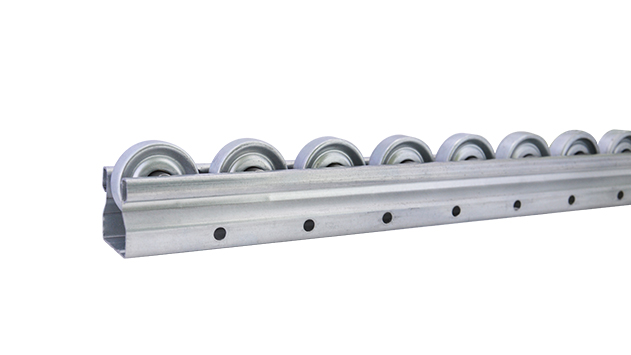
40 Steel Wheel Roller Track
Heavy duty steel wheel roller track with cylindrical steel rollers for use in processing, logistics and materials handling operations. Ideal for transporting goods quickly and easily as well as for installing on shelving to aid in picking operations.
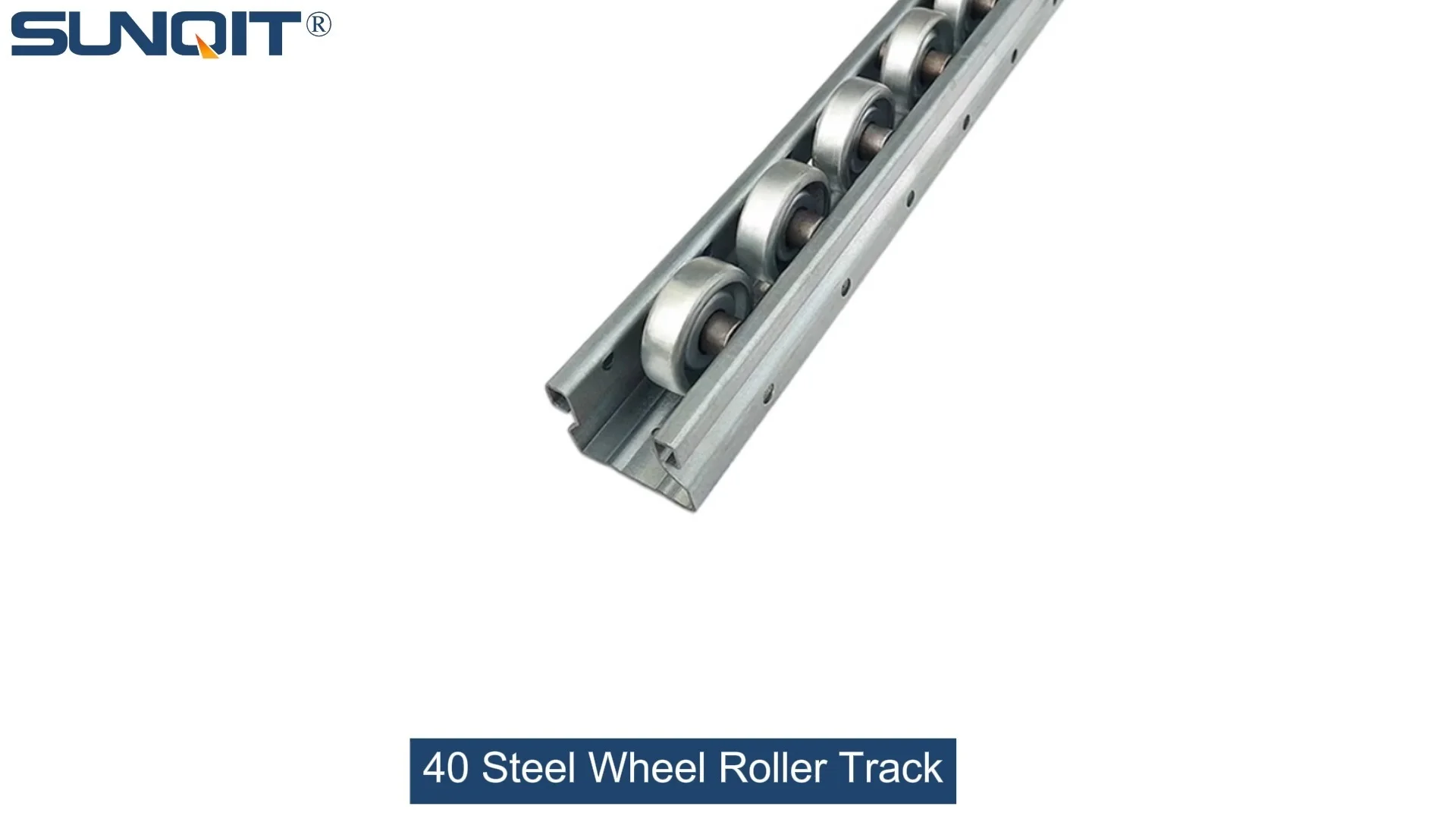
In the fast-paced world of food processing, where every minute counts and product safety is non-negotiable, the equipment that keeps your production line moving isn't just a tool—it's a guardian of quality. From fresh produce to packaged snacks, the journey from raw ingredients to finished goods relies heavily on conveyor systems that don't just transport items, but do so while maintaining the highest hygiene standards. Today, we're diving into a game-changer for food processing facilities: the 40 steel wheel roller track, engineered with sanitation at its core. Let's explore how this specialized roller track is redefining cleanliness, efficiency, and reliability in food production environments.
Why Sanitary Design Matters in Food Processing Conveyors
Anyone working in food processing knows the stakes: a single bacterial contamination can lead to product recalls, damaged reputations, and even health risks for consumers. According to the FDA, inadequate equipment cleaning is a top cause of foodborne illness outbreaks, making the design of conveyor systems critical. Traditional conveyor belts or roller tracks often fall short with hard-to-reach crevices, porous materials, or complex assemblies that trap food particles and moisture—ideal breeding grounds for pathogens like Salmonella or E. coli .
This is where the 40 steel wheel roller track stands out. Unlike generic roller tracks built for industrial use, this design is purpose-built to meet the strict demands of food processing. It's not just about moving products from A to B; it's about ensuring that every inch of the conveyor works with your sanitation team, not against them.
Key Sanitary Features of 40 Steel Wheel Roller Track
What makes the 40 steel wheel roller track a cut above when it comes to hygiene? Let's break down its standout features, each engineered to address common sanitation pain points in food plants:
- Stainless Steel Construction: The track and wheels are crafted from high-grade 304 or 316 stainless steel—materials known for their resistance to corrosion, rust, and chemical damage. Unlike painted or coated metals, stainless steel doesn't chip or degrade over time, ensuring a smooth, non-porous surface that's easy to wipe down and sanitize.
- Seamless, Crevice-Free Design: Every joint, connection, and wheel mount is designed to eliminate gaps where food debris or water can hide. There are no overlapping parts or heads protruding; instead, components fit together snugly, creating a "self-cleaning" surface as products glide over the wheels.
- Quick-Disconnect Wheels: For deep cleaning sessions, the steel wheels can be easily removed without special tools. This means your team can thoroughly sanitize the track bed and wheels individually, reaching areas that would be impossible with fixed components.
- Smooth, Rounded Edges: Sharp corners and edges are a thing of the past. All surfaces are rounded to prevent product buildup and make wiping with disinfectant cloths or pressure washers effortless—no more scrubbing tight spots with brushes.
- FDA/USDA Compliance: The materials and design meet strict FDA regulations for food contact surfaces and USDA standards for meat, poultry, and dairy processing. This isn't just a marketing claim; it's a guarantee that the roller track won't introduce contaminants into your production line.
| Feature | 40 Steel Wheel Roller Track | Traditional Plastic Roller Track | Standard Industrial Conveyor Belt |
|---|---|---|---|
| Material | 304/316 Stainless Steel | PVC/Polypropylene | Rubber/Canvas |
| Crevice-Free Design | Yes (seamless joints) | No (visible seams between rollers) | No (belt edges and undercarriage gaps) |
| Resistance to Chemicals | High (withstands strong sanitizers) | Medium (may degrade with harsh cleaners) | Low (prone to cracking/weakening) |
| Disassemblable for Cleaning | Yes (quick-release wheels) | Limited (fixed axles) | No (requires full system shutdown) |
| Compliance with Food Standards | FDA/USDA compliant | Sometimes (depends on grade) | Rarely (not designed for food contact) |
Beyond Sanitation: Efficiency and Lean Solution Integration
While sanitation is the star here, the 40 steel wheel roller track doesn't stop there. It's also a champion of lean manufacturing principles—perfect for food plants looking to streamline operations and reduce waste. Its modular design means it can be easily adjusted to fit your production line's unique layout, whether you need to add curves, inclines, or merge points. This flexibility eliminates the need for custom-built conveyor systems, saving time and money during setup and future expansions.
Pair this roller track with a lean solution approach, and you've got a system that grows with your business. For example, integrating it with a height-adjustable workbench allows operators to pack or inspect products right alongside the conveyor, reducing unnecessary movement and cutting down on bottlenecks. The roller track's smooth operation also minimizes product jams, ensuring a steady flow that keeps your line running at peak efficiency—no more stopping to clear blockages or reposition items.
Real-World Impact: A Bakery's Success Story
Let's take a look at how one mid-sized bakery in the Midwest transformed its production line with the 40 steel wheel roller track. Prior to upgrading, their old plastic roller track required daily deep cleaning that took 2 hours, often causing delays in morning shifts. The porous plastic wheels were prone to harboring flour residue, leading to frequent mold growth and a consistent low score in inspections.
After switching to the 40 steel wheel roller track, the changes were immediate: cleaning time dropped to just 30 minutes (thanks to quick-disconnect wheels and seamless surfaces), and their next inspection score jumped from 82 to 98. The bakery also reported a 15% increase in daily output, as the smoother roller action reduced product jams and allowed for faster throughput of pastries and breads. "It's not just cleaner—it's smarter," said the plant manager. "We're saving time, passing inspections with ease, and our team no longer dreads cleaning shifts."

Maintenance Made Simple: Keeping Your Roller Track in Top Shape
Even the most sanitary equipment needs regular care, but the 40 steel wheel roller track is designed to make maintenance a breeze. Here's a quick guide to keeping it in peak condition:
- Daily Wipe-Down: Use a mild detergent and warm water to wipe the track and wheels at the end of each shift. The smooth stainless steel surface allows for quick cleaning—no scrubbing required.
- Weekly Deep Clean: Remove wheels, soak them in sanitizing solution (like peracetic acid), and scrub the track bed with a soft brush. Reassemble in minutes—no technical expertise needed.
- Monthly Inspection: Check for loose wheels or signs of wear (though stainless steel's durability means this is rare). Tighten any connections and lubricate axles with food-grade lubricant to ensure smooth rotation.
Unlike conveyor belts that need frequent replacement or plastic rollers that degrade over time, the 40 steel wheel roller track is built to last. With proper care, it can serve your facility for years, making it a cost-effective investment in both sanitation and long-term reliability.

Why Choose 40 Steel Wheel Roller Track Over Other Options?
When it comes to food processing, you have options—but not all conveyor systems are created equal. Here's why the 40 steel wheel roller track stands out from alternatives like belt conveyors or plastic roller tracks:
- No More Belt Contamination: Belt conveyors often shed fibers or harbor bacteria in their undercarriages. The 40 steel wheel design eliminates this risk with its open, easy-to-clean structure.
- Durability in Harsh Environments: Food processing plants are tough on equipment—high humidity, frequent washdowns, and exposure to acids (from fruits, for example). Stainless steel resists all of these, while plastic or rubber components break down over time.
- Flexibility for Varied Products: Whether you're moving delicate pastries or heavy meat cuts, the 40 steel wheel roller track handles it all. The smooth, consistent motion prevents product damage, and the modular design can be adjusted to accommodate different item sizes.
Conclusion: Investing in Sanitation, Efficiency, and Peace of Mind
In food processing, you can't put a price on peace of mind. The 40 steel wheel roller track isn't just a conveyor system—it's a commitment to safety, efficiency, and lean manufacturing. By choosing equipment that prioritizes sanitation, you're not only protecting your customers and brand reputation but also streamlining your operations and reducing long-term costs.
Whether you're upgrading an existing line or building a new facility, the 40 steel wheel roller track offers a winning combination of hygiene, durability, and performance. It's more than just a tool—it's a partner in keeping your production line clean, your products safe, and your business thriving.
Ready to take your food processing facility's sanitation to the next level? Explore how this innovative roller track can transform your operations, one clean, efficient movement at a time.