- Company Articles
- Industry articles
- Industry News
- Future of Manufacturing: 2.0mm Stainless Steel Pipe Innovation Trends

Future of Manufacturing: 2.0mm Stainless Steel Pipe Innovation Trends
Related Product
2.0mm Stainless Steel Pipe
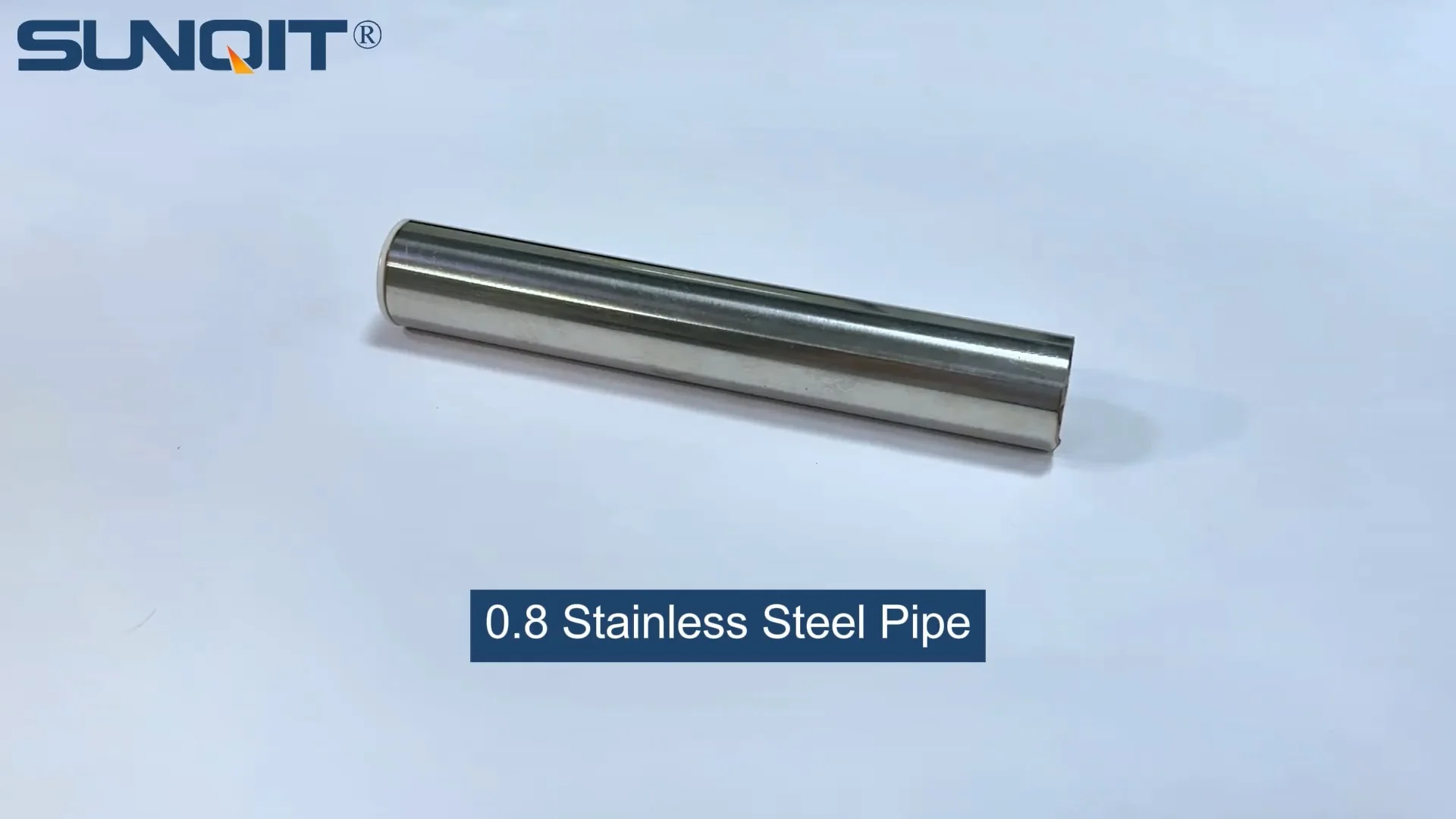
Stainless steel pipe, lean pipe, diameter is 28mm, material is SS201 or SS304, SS201 is normally used in the market. It knows a KARAKURI, KAIZEN material for industrial plant to improve efficiency, save labor cost, standard management.
Introduction: Manufacturing in Flux – The Need for Material Innovation
Walk into any manufacturing facility today, and you'll immediately sense the buzz of change. From the hum of automated assembly lines to the quiet focus of workers at custom workbenches, the industry is evolving faster than ever. Manufacturers are no longer just chasing production quotas; they're striving for agility, sustainability, and resilience. In this race to stay ahead, one element often flies under the radar but holds the power to make or break operational success: the materials that form the backbone of their operations.
Think about it: the pipes that frame workstations, the tracks that guide products through assembly, the joints that hold everything together – these aren't just "parts." They're the unsung heroes of efficiency. And as factories adapt to leaner processes, stricter durability demands, and the need for rapid reconfiguration, the materials used in these components are facing a reckoning. Enter the 2.0mm stainless steel pipe – a material that's quietly reshaping how manufacturers build, operate, and future-proof their facilities. In this article, we'll explore why this unassuming component is becoming a cornerstone of manufacturing innovation, how it integrates with systems like lean manufacturing, and what trends lie ahead for its application in everything from roller tracks to custom workbenches.
The Backbone of Modern Manufacturing: Why Material Choice Matters
Before diving into the specifics of 2.0mm stainless steel pipe, let's take a step back. Why does material choice matter so much in manufacturing? At first glance, it might seem like a detail – after all, a pipe is a pipe, right? But anyone who's spent time on a factory floor knows better. The wrong material can lead to frequent breakdowns, increased maintenance costs, and even safety hazards. The right material, though, becomes a catalyst for efficiency.
Today's manufacturers face three critical challenges: durability, flexibility, and cost-effectiveness. Durability is non-negotiable – in high-traffic areas like assembly lines, components are subjected to constant wear, heavy loads, and exposure to oils, chemicals, or moisture. Flexibility is equally key; with product lifecycles shrinking and customization on the rise, factories need setups that can be reconfigured in days, not weeks. And of course, cost-effectiveness isn't just about upfront price tags – it's about total cost of ownership, including maintenance, replacement, and energy use over time.
For decades, manufacturers leaned on materials like aluminum profile or thinner-gauge steel pipes to balance these needs. Aluminum, for instance, is lightweight and corrosion-resistant, making it a popular choice for temporary or low-load structures. Thinner steel pipes (like 1.5mm or 1.2mm) offered strength at a lower cost but often fell short in durability, bending under heavy loads or succumbing to rust in humid environments. Enter 2.0mm stainless steel pipe – a material that's designed to hit the sweet spot between strength, adaptability, and longevity.

Spotlight on 2.0mm Stainless Steel Pipe: What Sets It Apart?
Beyond Thickness: The Science of Strength
At first glance, the "2.0mm" in 2.0mm stainless steel pipe might seem like just a number – a minor upgrade from 1.5mm or 1.8mm options. But in manufacturing, fractions of a millimeter matter. That extra 0.5mm of thickness translates to a significant boost in structural integrity. Stainless steel itself is already prized for its strength-to-weight ratio, but when you combine that with a 2.0mm wall thickness, you get a pipe that can support heavier loads without bending, twist less under torque, and resist dents from accidental impacts – a common occurrence in busy workshops.
But strength isn't the only advantage. Stainless steel's inherent corrosion resistance is a game-changer for factories in harsh environments. Whether it's a food processing plant dealing with water and sanitizers or an automotive facility where oils and coolants are part of daily life, 2.0mm stainless steel pipe stands up to the elements. Unlike carbon steel, which requires regular painting or coating to prevent rust, stainless steel's chromium oxide layer acts as a self-healing shield, reducing maintenance needs and extending the lifespan of structures like workbenches or material racks.
Manufacturing Innovations: Precision and Consistency
What makes today's 2.0mm stainless steel pipe truly innovative isn't just the material itself – it's how it's made. Modern manufacturing techniques, like cold-drawing and laser welding, have transformed production. Cold-drawing, for example, involves pulling the steel through a die at room temperature, which aligns the metal's grains for added strength and creates a smoother, more uniform surface. This precision ensures that every pipe meets tight tolerances, so when manufacturers assemble workbenches or roller tracks, they can trust that joints will fit seamlessly, reducing assembly time and errors.
Laser welding, too, has upped the ante. Traditional welding methods often left uneven seams or weak points, but laser welding produces narrow, high-strength welds that are nearly invisible. This not only improves the pipe's aesthetic (important for customer-facing areas or cleanrooms) but also eliminates potential stress points, making the pipe more resistant to fatigue over time. For manufacturers building lean systems that rely on consistent, reliable components, these small but critical improvements add up to big gains in operational efficiency.

Integrating with Lean Systems: A Match Made for Efficiency
Lean manufacturing isn't just a buzzword – it's a philosophy that's reshaping how factories operate. At its core, lean is about eliminating waste: wasted time, wasted materials, wasted effort. To do that, facilities need structures that are adaptable, easy to reconfigure, and built to support continuous improvement. This is where 2.0mm stainless steel pipe shines as a partner to lean systems.
Lean systems thrive on flexibility. A production line that makes Widget A today might need to switch to Widget B tomorrow, requiring workbenches to be rearranged, roller tracks to be extended, or material racks to be repositioned. Traditional fixed structures – think welded steel frames or concrete workstations – make this kind of change slow and costly. 2.0mm stainless steel pipe, however, is designed for modularity. Thanks to its compatibility with standardized joints (like swivel roller balls or quick-connect clamps), it can be assembled, disassembled, and reassembled in hours, not days. This means manufacturers can adapt to changing demands without halting production for major overhauls.
Another pillar of lean manufacturing is "poka-yoke" – designing systems to prevent errors. 2.0mm stainless steel pipe supports this by offering consistent performance. Its rigidity ensures that workbenches don't wobble during precision tasks, reducing the risk of product defects. Its smooth surface (a result of advanced manufacturing techniques) minimizes friction in roller tracks, ensuring materials glide smoothly without jamming – a common source of downtime in lean workflows. And because it's so durable, there's less risk of unexpected failures that can disrupt just-in-time production schedules.
Perhaps most importantly, 2.0mm stainless steel pipe aligns with lean's focus on long-term value. While it may have a slightly higher upfront cost than thinner steel or aluminum profile, its longevity and low maintenance needs mean lower total cost of ownership over time. A lean system built with 2.0mm stainless steel pipe isn't just efficient today – it's built to evolve with the factory, reducing the need for frequent replacements and keeping waste to a minimum.
Real-World Applications: From Workbenches to Roller Tracks
Workbenches: The Heart of the Workshop
Walk through any factory, and workbenches are where the magic happens. Whether it's assembling circuit boards, packaging finished goods, or inspecting parts, these surfaces are the command centers of production. And when it comes to building workbenches that balance stability, durability, and adaptability, 2.0mm stainless steel pipe is redefining the standard.
Traditional workbenches often fall into one of two camps: flimsy (lightweight aluminum or plastic frames that wobble under tools) or overly rigid (heavy wooden or welded steel tops that can't be adjusted). 2.0mm stainless steel pipe workbenches split the difference. The pipe's thickness provides a stable base, so even when a worker is using power tools or applying pressure during assembly, the bench stays steady. At the same time, the modular design allows for easy customization: add a shelf for tools, attach a roller track to feed materials, or adjust the height to accommodate ergonomic needs. For example, a electronics manufacturer might opt for a "Workbench E (single deck-without caster)" frame built with 2.0mm stainless steel pipe, then add ESD (electrostatic discharge) mats to protect sensitive components – all without sacrificing stability.
Roller Tracks: Keeping the Flow Moving
In lean systems, material flow is everything. Roller tracks are the arteries that keep parts moving from one workstation to the next, and their performance directly impacts throughput. Here, 2.0mm stainless steel pipe plays a critical role as both a structural support and a component in track design.
Roller tracks need to handle constant motion: parts sliding, rolling, and shifting as they move through the production line. Thinner pipes or weaker materials can bend under the cumulative weight, causing tracks to sag and parts to get stuck. 2.0mm stainless steel pipe's rigidity ensures that track frames stay straight, even when loaded with heavy components like automotive parts or large appliance panels. Additionally, stainless steel's smooth surface pairs well with accessories like "swivel roller balls 1 inch" or "plastic roller track guide rail yellow," reducing friction and ensuring consistent, quiet movement.
One example of this synergy is in automotive assembly plants, where roller tracks often span long distances. By using 2.0mm stainless steel pipe for the track frame and pairing it with durable roller track connectors, manufacturers can create systems that handle thousands of parts per day without maintenance interruptions. The pipe's corrosion resistance also means these tracks hold up in environments where cleaning with water or chemicals is routine – a must for maintaining hygiene standards in industries like food processing or pharmaceuticals.
How Does It Compare? A Look at Alternatives
To truly appreciate the value of 2.0mm stainless steel pipe, it helps to see how it stacks up against common alternatives. Let's break down the key differences between 2.0mm stainless steel pipe, aluminum profile, and 1.5mm stainless steel pipe – three materials often considered for manufacturing structures.
| Feature | 2.0mm Stainless Steel Pipe | Aluminum Profile | 1.5mm Stainless Steel Pipe |
|---|---|---|---|
| Max Load Capacity | High (supports heavy machinery, large parts) | Medium (best for light to medium loads) | Medium-Low (risk of bending under heavy loads) |
| Corrosion Resistance | Excellent (ideal for wet/chemical environments) | Good (resists rust but can corrode in acidic conditions) | Good (but thinner wall means faster wear in harsh conditions) |
| Modularity | High (compatible with standard joints and clamps) | High (T-slot design allows for easy accessory attachment) | High (similar joint compatibility, but less durable for frequent reconfigurations) |
| Maintenance Needs | Low (no painting/coating required; occasional cleaning) | Low (anodized finishes resist wear, but scratches can expose raw aluminum) | Medium (may require coating touch-ups to prevent rust in high-moisture areas) |
| Total Cost of Ownership | Low (higher upfront cost, but longer lifespan and minimal maintenance) | Medium (lower upfront cost, but may need replacement sooner for heavy use) | Medium-High (lowest upfront cost, but frequent repairs/replacements add up) |
As the table shows, 2.0mm stainless steel pipe excels in scenarios where durability and long-term performance are priorities. Aluminum profile remains a strong choice for lightweight, temporary setups, while 1.5mm stainless steel pipe may work for budget-conscious operations with light loads. But for manufacturers building for the future – those who need structures that can grow, adapt, and endure – 2.0mm stainless steel pipe offers the best balance of strength, flexibility, and value.
Future Trends: Where 2.0mm Stainless Steel Pipe is Headed
The story of 2.0mm stainless steel pipe doesn't end with its current applications. As manufacturing continues to evolve, so too will the innovations surrounding this material. Here are a few trends to watch in the coming years:
1. Smart Integration with Industry 4.0
Industry 4.0 is all about connecting physical systems with digital intelligence, and 2.0mm stainless steel pipe is poised to play a role here. Imagine pipe joints embedded with tiny sensors that monitor stress, temperature, or vibration – data that can be fed into AI systems to predict when maintenance is needed, preventing breakdowns before they occur. Early prototypes of "smart joints" are already being tested, and as sensor technology shrinks and costs drop, we'll likely see these integrated into standard 2.0mm stainless steel pipe systems.
2. Sustainable Manufacturing Practices
Sustainability is no longer optional for manufacturers – it's a business imperative. 2.0mm stainless steel pipe aligns with this trend in two key ways. First, stainless steel is 100% recyclable, meaning end-of-life structures can be melted down and repurposed, reducing waste. Second, innovations in manufacturing are making stainless steel production more energy-efficient. New melting techniques and recycled content requirements are cutting the carbon footprint of 2.0mm stainless steel pipe, making it a greener choice than ever before.
3. Customization Through 3D Printing
While 2.0mm stainless steel pipe itself is mass-produced for consistency, its accessories – joints, clamps, brackets – are ripe for customization. 3D printing is opening the door to on-demand, custom that perfectly fit unique manufacturing needs. For example, a small-batch manufacturer might use 3D printing to create a specialized roller track connector that works with their existing 2.0mm stainless steel pipe setup, avoiding the need to buy expensive off-the-shelf parts. As 3D printing materials become more durable (think high-strength plastics or even metal composites), this trend will only grow.
4. Integration with Lightweight Materials
The future of manufacturing isn't about choosing one material – it's about combining materials for optimal performance. We're already seeing hybrid structures that use 2.0mm stainless steel pipe for load-bearing frames and aluminum profile for lightweight, movable components. For example, a "turnover trolley and rack" might feature a 2.0mm stainless steel base for stability and aluminum shelves for easy adjustment. This mix-and-match approach lets manufacturers leverage the strengths of each material, creating systems that are both strong and agile.
Conclusion: Building the Factories of Tomorrow, Today
The future of manufacturing is bright, but it's also demanding. To keep up with changing markets, evolving technologies, and sustainability goals, manufacturers need materials that can keep pace. 2.0mm stainless steel pipe isn't just a "better pipe" – it's a catalyst for innovation. Its strength, durability, and flexibility make it the ideal partner for lean systems, supporting everything from custom workbenches to high-performance roller tracks. As we look ahead, we'll see this material continue to evolve, integrating smart technology, sustainable practices, and customization to meet the needs of the factories of tomorrow.
For manufacturers willing to invest in this innovation, the payoff is clear: systems that are more efficient, more adaptable, and more resilient. In a world where the only constant is change, 2.0mm stainless steel pipe is more than a component – it's a foundation for success. So the next time you walk through a factory, take a closer look at the pipes and frames around you. Chances are, the ones built to last – the ones shaping the future – will be 2.0mm stainless steel.