- Company Articles
- Industry articles
- Industry News
- Future Trends in 40 Steel Roller Track White Wheel Design: Smart Manufacturing

Future Trends in 40 Steel Roller Track White Wheel Design: Smart Manufacturing
Related Product
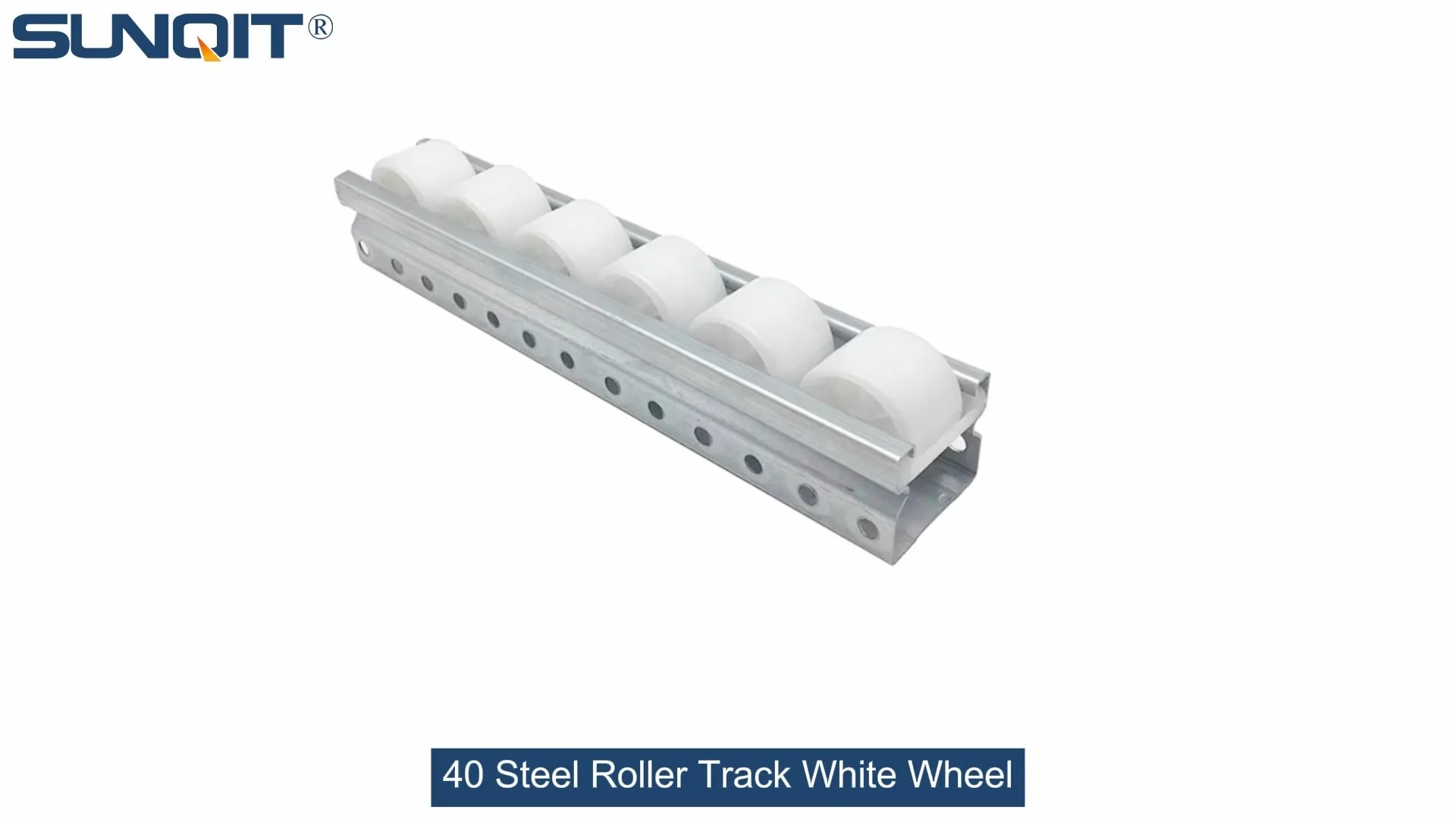
40 Steel Roller Track White Wheel
The roller track can be installed with multiple accessories to create different slopes and configurations of flow racks.All steel conveyor 40 roller track accessories are engineered to perfectly fit the sliding rail.
Roller tracks are the quiet workhorses of modern manufacturing facilities, ensuring that parts and products move smoothly across assembly lines, warehouses, and distribution centers. Among these essential components, the 40 steel roller track white wheel stands out for its versatility and reliability, used in everything from conveyor systems to lean workstations. As the world shifts toward smart manufacturing—where automation, data analytics, and connectivity drive efficiency—this humble wheel is undergoing a transformation. Today, we'll dive into the future trends shaping the design of 40 steel roller track white wheels and how these innovations are revolutionizing smart manufacturing processes.
Current State of 40 Steel Roller Track White Wheel Design
Right now, most 40 steel roller track white wheels are constructed from high-carbon steel, coated with a white finish to resist corrosion and wear. They're designed to handle moderate loads, typically ranging from 50 to 200 kilograms per wheel, and are compatible with standard conveyor systems and lean racks. However, these traditional designs have their limits. For one, they lack real-time monitoring capabilities, meaning maintenance teams often find out about a failing wheel only after it breaks down, causing unexpected downtime. Additionally, their fixed design makes it hard to adapt to changing production needs, which is a problem in industries like 3C assembly where product lines evolve rapidly. Moreover, the materials used may not be as sustainable as they could be, with many wheels ending up in landfills once they wear out.
Future Trend 1: Integration with IoT and Smart Sensors
One of the most exciting future trends is the integration of IoT (Internet of Things) technology and smart sensors into 40 steel roller track white wheel design. Wheels embedded with tiny sensors that track rotation speed, temperature, vibration, and even the amount of wear on the surface are becoming more common. These sensors send data to a cloud-based system, where analytics tools process the information to predict when a wheel needs maintenance. For example, if a sensor detects that a wheel's vibration levels are higher than normal, it could indicate a worn bearing. The system would then alert maintenance teams to replace the wheel before it fails, preventing costly downtime. This predictive maintenance approach is a game-changer for smart manufacturing, as it reduces unplanned stops and extends the lifespan of equipment. In a 3C assembly line, where every minute of downtime costs thousands of dollars, this trend could save manufacturers significant amounts of money. Additionally, the data collected from these sensors can help optimize production flow. For instance, if the sensors show that parts are moving too slowly on a particular section of the roller track, managers can adjust the conveyor speed or reconfigure the line to improve efficiency. This level of connectivity aligns perfectly with the goals of smart manufacturing, where data-driven decisions are key to success.

Future Trend 2: Sustainable and Eco-Friendly Materials
Sustainability is no longer an afterthought in manufacturing—it's a core requirement. As such, future 40 steel roller track white wheel designs are focusing on eco-friendly materials and processes. One trend is the use of recycled steel in the wheel's construction. Recycled steel has the same strength and durability as virgin steel but uses 75% less energy to produce, reducing the carbon footprint of each wheel. Another innovation is the shift to water-based coatings for the white finish. Traditional solvent-based coatings release harmful volatile organic compounds (VOCs) into the air, but water-based coatings are non-toxic and emit far fewer pollutants. This not only helps manufacturers meet environmental regulations but also creates a healthier workplace for employees. Additionally, modular design is playing a role in sustainability. By making wheels that are easy to disassemble and replace individual components (like bearings or coatings), manufacturers can reduce waste. Instead of throwing away an entire wheel when a bearing fails, workers can simply swap out the bearing, extending the wheel's life. This aligns with lean principles, where minimizing waste is a top priority. For example, a warehouse using these sustainable wheels can cut down on its waste output by 30% over time, contributing to a more circular economy.

Future Trend 3: Customization and Modularity for Lean Systems
Lean manufacturing is all about eliminating waste and improving efficiency, and the future of 40 steel roller track white wheel design is closely tied to this philosophy. One trend is the move toward more customizable and modular wheels that can be easily integrated into lean systems. For instance, manufacturers are developing wheels that can be easily attached to aluminum profile frames, allowing them to fit into different types of conveyor systems and lean racks without requiring major modifications. This flexibility is crucial for industries like automotive manufacturing, where production lines often need to adapt to new models quickly. Another innovation is the use of interchangeable components. Wheels can now be paired with different types of bearings or coatings based on the specific needs of the application. For example, a wheel used in a medical device assembly line might need a non-marking coating to avoid scratching sensitive equipment, while a wheel in a heavy-duty automotive line might need a high-load bearing. This customization ensures that each wheel is optimized for its use case, reducing unnecessary costs and improving performance. Moreover, modular wheels make it easier to implement lean solutions like 5S (Sort, Set in Order, Shine, Standardize, Sustain). Workers can quickly rearrange roller tracks to create more efficient workflows, which is essential for maintaining a lean environment. In a 3C assembly line, this means that when a new product is introduced, the roller tracks can be reconfigured in hours instead of days, getting the new line up and running faster.

Future Trend 4: Enhanced Durability and Load Capacity
As manufacturing processes become more automated and handle heavier loads, the demand for durable 40 steel roller track white wheels is increasing. One future trend is the development of wheels with enhanced load capacity. Manufacturers are using high-strength steel alloys that can handle loads up to 500 kilograms per wheel, making them suitable for heavy-duty applications like moving engine parts in automotive factories or large medical devices. Another innovation is the use of advanced bearings that reduce friction and wear. Ceramic bearings, for example, are harder and more heat-resistant than traditional steel bearings, extending the wheel's lifespan by up to 50%. Additionally, the white coating is being improved to be more scratch-resistant and impact-resistant. This is especially important in industries like consumer electronics, where parts are often delicate and need to be handled with care. A scratch-resistant coating ensures that the wheels don't damage the products they're moving. For example, a conveyor system using these durable wheels can operate 24/7 without needing frequent replacements, increasing overall productivity. This enhanced durability also translates to lower maintenance costs over time, as fewer replacements are needed.
Future Trend 5: Smart Connectivity with Conveyor Systems
Smart manufacturing relies on seamless connectivity between different components, and 40 steel roller track white wheels are no exception. One trend is the integration of wheels with conveyor systems that use Industry 4.0 technologies. For instance, wheels are being equipped with RFID tags that allow them to communicate with other parts of the conveyor line. When a part moves onto a roller track, the RFID tag sends a signal to the conveyor system, which adjusts its speed to match the production flow. This ensures that parts move at the optimal rate, reducing bottlenecks and improving efficiency. Another innovation is the use of Bluetooth or Wi-Fi connectivity to share data between wheels and the central manufacturing system. This allows managers to monitor the status of every wheel in real-time, from anywhere in the facility. For example, if a wheel in a remote part of the warehouse is experiencing issues, the system can alert maintenance teams immediately, even if they're not on-site. This level of connectivity is transforming conveyor systems into intelligent networks that can adapt to changing conditions. In a 3C assembly line, this means that the conveyor system can automatically adjust the speed of the roller tracks based on how quickly workers are assembling parts, ensuring a smooth and efficient workflow.
Case Study: Transforming a 3C Assembly Line with Innovative Wheels
Let's take a look at how one manufacturer is already adopting these future trends. XYZ Electronics, a leading producer of 3C devices, recently upgraded its assembly line with new 40 steel roller track white wheels. The company chose wheels with IoT sensors, water-based coatings, and modular designs. The results were impressive: within six months, unplanned downtime due to wheel failures dropped by 45%. The predictive maintenance system alerted the team to 12 potential wheel issues before they caused problems, saving the company an estimated $150,000 in lost production. Additionally, the sustainable coatings helped XYZ Electronics meet strict environmental regulations in its region, avoiding fines of up to $50,000. The modular design also proved valuable when the company launched a new smartphone model. The assembly line was reconfigured in just two days, compared to the previous week-long process, allowing the new product to hit the market faster. This upgrade was part of XYZ's lean solution to optimize its production processes, and it's now considering rolling out these wheels to its other facilities.
Comparison of Current vs. Future 40 Steel Roller Track White Wheel Designs
| Feature | Current Design | Future Design |
|---|---|---|
| Material Composition | Virgin steel, solvent-based coating | Recycled steel, water-based coating |
| IoT Integration | No sensors or connectivity | Embedded sensors for real-time monitoring |
| Load Capacity | 50-200 kg per wheel | Up to 500 kg per wheel |
| Customization Options | Fixed dimensions and components | Modular, adjustable widths/heights |
| Connectivity with Systems | No data exchange capabilities | RFID, Bluetooth/Wi-Fi for smart integration |
| Sustainability Impact | High waste, VOC emissions | Low waste, eco-friendly materials |
The Impact of These Trends on Global Manufacturing
These future trends in 40 steel roller track white wheel design are not just local phenomena—they're shaping the global manufacturing landscape. For example, in automotive manufacturing hubs like Detroit and Shanghai, manufacturers are already testing wheels with enhanced load capacity to handle heavier electric vehicle components. In medical device factories in Europe, the shift to sustainable materials is helping companies meet strict EU environmental standards. And in 3C assembly lines across Asia, modular wheels are enabling faster product launches, giving companies a competitive edge in the fast-paced consumer electronics market. Moreover, the integration of IoT sensors is creating a new wave of data-driven manufacturing, where every component contributes to a smarter, more connected system. This is leading to the rise of "digital twins"—virtual replicas of physical manufacturing lines that use real-time data from wheels and other components to optimize performance. Digital twins allow manufacturers to simulate changes to their lines before implementing them, reducing the risk of costly mistakes. For instance, a manufacturer can use a digital twin to test how a new roller track design will affect production flow, ensuring that the changes will improve efficiency before investing in physical modifications.
Another global impact is the democratization of smart manufacturing. As these innovative wheels become more affordable and widely available, even small and medium-sized enterprises (SMEs) can adopt smart manufacturing practices. Previously, IoT-enabled equipment was too expensive for many SMEs, but the growing competition in the market is driving down costs. This means that a small warehouse in a developing country can now use the same predictive maintenance technology as a large multinational corporation, leveling the playing field. This is particularly important for industries like 3C assembly, where SMEs often play a key role in the supply chain. By adopting these advanced wheels, SMEs can improve their efficiency and reliability, making them more attractive partners for larger companies.
Challenges and Opportunities Ahead
While the future of 40 steel roller track white wheel design is promising, there are still challenges to overcome. One of the main challenges is the cost of implementing IoT and sensor technology. Although prices are falling, embedding sensors into every wheel can still be expensive for large-scale manufacturing lines. However, this cost is offset by the long-term savings from reduced downtime and maintenance. Another challenge is the need for skilled workers to manage and analyze the data from these smart wheels. Manufacturers will need to invest in training programs to ensure their employees can use the new technology effectively. Additionally, there are concerns about data security, as connected devices can be vulnerable to cyberattacks. Manufacturers will need to implement robust security measures to protect their data and prevent unauthorized access.
Despite these challenges, the opportunities are enormous. For example, the data collected from smart wheels can be used to optimize the entire supply chain, not just the manufacturing line. By tracking how parts move through the warehouse and assembly line, manufacturers can identify bottlenecks in the supply chain and make adjustments to improve flow. This can lead to shorter lead times, lower inventory costs, and better customer satisfaction. Another opportunity is the integration of these wheels with artificial intelligence (AI) systems. AI can analyze the data from sensors to identify patterns and make predictions that humans might miss. For instance, an AI system could detect that a certain type of wheel wears out faster in humid environments, allowing manufacturers to adjust their maintenance schedules accordingly. This level of insight is transforming manufacturing from a reactive to a proactive process, where problems are solved before they occur.
Final Thoughts
The 40 steel roller track white wheel is far more than just a simple component—it's a key enabler of smart manufacturing. The future trends we've discussed today are pushing the boundaries of what this wheel can do, turning it into a connected, sustainable, and customizable tool that drives efficiency and innovation. As manufacturers continue to invest in these technologies, we can expect to see a new era of manufacturing where every component works together to create a smarter, more efficient, and more sustainable system. Whether you're a large multinational corporation or a small local business, staying ahead of these trends will be crucial for success in the rapidly evolving world of smart manufacturing. The journey toward smarter wheels is just beginning, and the possibilities are endless.