- Company Articles
- Industry articles
- Industry News
- Future Trends in Parallel Lean Pipe Joint Chrome: Innovations for Smart Factories

Future Trends in Parallel Lean Pipe Joint Chrome: Innovations for Smart Factories
Related Product
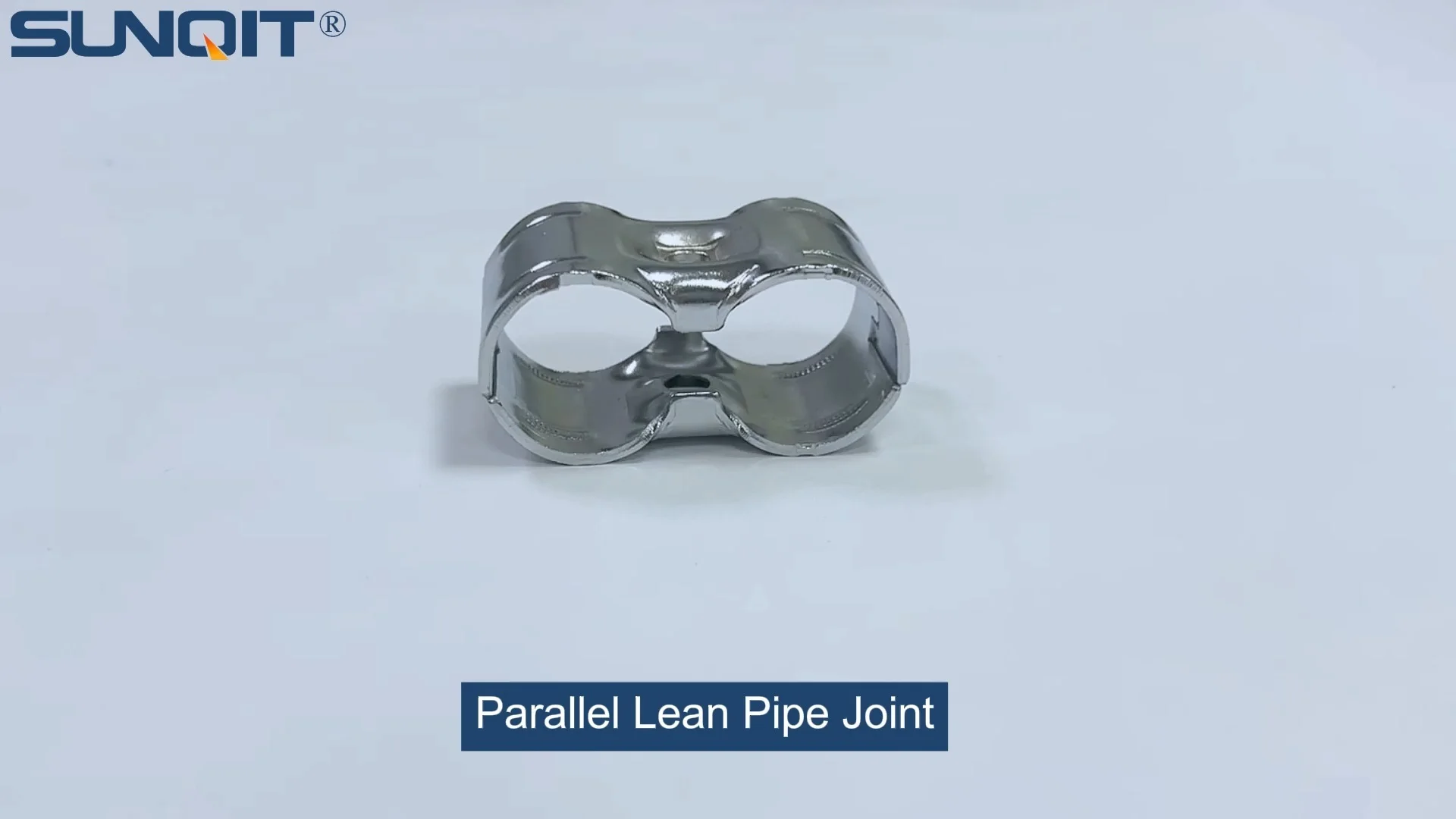
Parallel Lean Pipe Joint Chrome
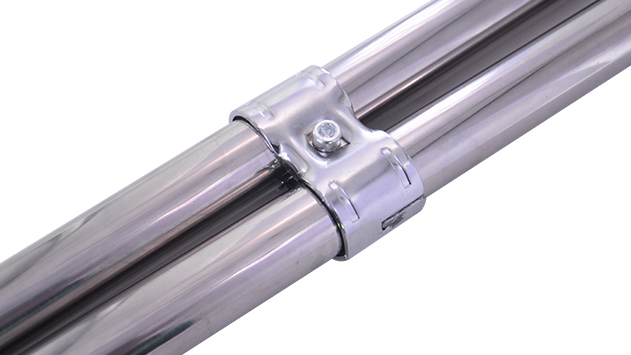
Parallel lean pipe joint used for 2 pcs 28MM lean pipe connection in parallel direction to enhance frame structure, usually for heavy payload requirement for workbench. flow rack, hand trolley.
The modern factory floor is no longer just a space for machines and assembly lines—it's a dynamic ecosystem where technology, people, and processes converge to redefine productivity. Smart factories, powered by Industry 4.0 technologies like IoT, AI, and automation, are setting new standards for efficiency, flexibility, and responsiveness. Yet, even the most advanced digital systems rely on a physical backbone: the infrastructure that holds everything together. This is where lean systems shine, and at the heart of these systems lies a component that's quietly revolutionizing how factories adapt: the parallel lean pipe joint chrome. In this article, we'll explore how this unassuming yet critical part is evolving to meet the demands of smart manufacturing, and why it's poised to become a cornerstone of future factory design.
The Backbone of Lean Systems: Understanding Parallel Lean Pipe Joints
Lean manufacturing has long been about eliminating waste, streamlining workflows, and maximizing value. Central to this philosophy is the ability to create flexible, modular workspaces that can adapt to changing production needs. Enter lean pipe systems—interconnected networks of pipes and joints used to build workbenches, material racks, turnover trolleys, and conveyor supports. These systems are the unsung heroes of factory floors, allowing teams to customize layouts on the fly without the need for welding or permanent construction.
At the core of these systems are the joints that connect the pipes. Parallel lean pipe joints, in particular, are designed to link pipes in parallel configurations, providing stability and alignment for structures that need to support heavy loads or maintain precise spacing—think multi-tiered material racks or extended workbench surfaces. Unlike traditional single-axis joints, parallel joints distribute weight evenly across connected pipes, reducing stress and minimizing the risk of structural failure. This makes them ideal for high-traffic areas where durability is non-negotiable.
But as factories transition to smart operations, the role of these joints is expanding beyond basic structural support. Today's manufacturers need infrastructure that can keep up with rapid product changes, shorter production cycles, and the integration of automated systems. Parallel lean pipe joints are evolving to meet these needs, and one variant is leading the charge: parallel lean pipe joint chrome.
Chrome-Plated Excellence: Why Parallel Lean Pipe Joint Chrome Stands Out
Chrome plating isn't just about aesthetics—though the sleek, reflective finish certainly adds a professional touch to factory setups. When applied to parallel lean pipe joints, chrome offers a host of functional benefits that make it indispensable in smart factory environments. Let's break down why this material choice is gaining traction:
- Corrosion Resistance: Factories are harsh environments. From coolant spills on automotive floors to humidity in electronics assembly, metal components are constantly exposed to elements that cause rust and degradation. Chrome plating forms a protective barrier, shielding the underlying metal from moisture and chemicals. This extends the lifespan of joints by up to 30% compared to unplated steel, reducing replacement costs and downtime.
- Low Maintenance: Chrome surfaces are smooth and non-porous, making them easy to clean. Unlike painted or powder-coated joints, they don't chip or peel, so a quick wipe with a damp cloth is often enough to remove grease, dust, or debris. This is a game-changer for facilities with strict hygiene standards, such as pharmaceutical or food packaging plants.
- Enhanced Durability: Chrome plating adds a hard, wear-resistant layer to the joint, making it more resistant to scratches, dents, and friction. In high-use applications—like roller track systems where materials slide across surfaces or turnover trolleys that are moved daily—this extra toughness ensures joints maintain their structural integrity over time.
- Improved Ergonomics: The smoothness of chrome reduces friction when adjusting or reconfiguring joints. Workers can loosen or tighten connections with less effort, speeding up setup times for new workstations or retooling projects. This not only boosts productivity but also reduces the risk of strain injuries—an important consideration in ergonomically focused smart factories.
These advantages make parallel lean pipe joint chrome a standout choice for manufacturers looking to balance durability, flexibility, and cost-effectiveness. But its true potential lies in how it integrates with other components of modern lean systems, such as aluminum profile and roller track.
Innovations in Design: Adapting to Smart Factory Demands
Smart factories thrive on integration—where physical infrastructure and digital tools work in harmony. Parallel lean pipe joint chrome is evolving to support this synergy through design innovations that enhance compatibility, precision, and adaptability. Let's explore two key areas where these innovations are making an impact: material synergy with aluminum profile and seamless integration with roller track systems.
Material Synergy: Pairing Chrome Joints with Aluminum Profile
Aluminum profile has become a staple in modern factory design, prized for its lightweight strength, corrosion resistance, and modularity. When combined with parallel lean pipe joint chrome, the result is a system that's both robust and incredibly flexible. Aluminum profile's T-slot design allows for easy attachment of accessories—think tool holders, monitor arms, or ESD grounding clips—while chrome joints ensure secure, stable connections between profiles.
For example, consider a workbench built with aluminum profile frames and parallel lean pipe joint chrome. The aluminum keeps the structure light enough to move with casters (if needed), while the chrome joints provide the rigidity to support heavy equipment like 3D printers or testing stations. During a production line reconfiguration, workers can quickly disassemble the bench using the joints, swap out aluminum profile sections, and reassemble in a new layout—all without specialized tools. This level of adaptability is critical for smart factories, where product lines can change quarterly or even monthly.
Manufacturers are also exploring hybrid systems that combine aluminum profile, chrome-plated joints, and traditional steel lean pipes. This "best-of-all-worlds" approach allows teams to prioritize weight savings in mobile structures (like turnover trolleys) and durability in fixed setups (like material racks). The key is that parallel lean pipe joint chrome acts as the universal connector, bridging different materials and ensuring consistent performance across the factory floor.
Integration with Roller Track Systems
Material flow is the lifeblood of any factory. Smart factories rely on efficient, automated movement of parts and products—from raw material storage to assembly lines to shipping. Roller track systems, which use gravity or motorized rollers to transport items, are central to this flow. Parallel lean pipe joint chrome is playing a vital role in making these systems more adaptable and reliable.
Roller track installations require precise alignment to ensure items glide smoothly without jamming. Parallel joints, with their ability to maintain parallel pipe spacing, are ideal for supporting roller track guide rails. Chrome plating adds an extra layer of reliability here: the smooth surface reduces friction between the joint and the rail, minimizing wear on both components. This is especially important in high-speed applications, like packaging lines where products move at rates of 100+ units per minute.
Take, for instance, a food and beverage facility using a gravity-fed roller track to move bottles from filling stations to labeling machines. The track is supported by a frame built with lean pipes and parallel chrome joints. Over time, constant vibration from moving bottles could loosen unplated joints, leading to misalignment and bottle jams. But chrome-plated joints resist corrosion from spills and maintain their grip, ensuring the track stays aligned for longer. When the facility introduces a new bottle size, workers can adjust the track width by repositioning the joints—no welding, no delays, just quick, tool-free modifications.
| Feature | Traditional Steel Joints | Standard Parallel Joints | Parallel Lean Pipe Joint Chrome |
|---|---|---|---|
| Corrosion Resistance | Low (prone to rust in humid environments) | Moderate (requires regular maintenance) | High (chrome plating prevents rust and chemical damage) |
| Installation Time | Long (often requires welding or specialized tools) | Moderate (tool-free but less durable connections) | Fast (tool-free, secure tightening with minimal effort) |
| Compatibility with Aluminum Profile | Limited (different sizing and connection methods) | Moderate (basic compatibility, but alignment issues common) | High (precision design ensures seamless integration) |
| Longevity in High-Traffic Areas | 3–5 years (frequent replacement needed) | 5–7 years (better than traditional, but prone to wear) | 10+ years (chrome plating and robust design reduce wear) |

Real-World Impact: Case Studies in Modern Manufacturing
To understand the practical benefits of parallel lean pipe joint chrome, let's look at two case studies from different industries: automotive parts manufacturing and electronics assembly. These examples highlight how the technology is solving real problems and driving tangible improvements in efficiency and flexibility.
Case Study 1: Automotive Supplier Reduces Downtime with Chrome-Plated Joints
A mid-sized automotive parts manufacturer in the Midwest was struggling with frequent downtime due to workbench and material rack failures. Their production lines switched between different car models weekly, requiring constant reconfiguration of workstations. Traditional steel joints on their lean pipe systems were corroding from exposure to oil and coolant, leading to loose connections and collapsed racks. Replacements were costly, and each failure disrupted production for 2–3 hours.
The solution? The manufacturer upgraded to parallel lean pipe joint chrome and paired them with aluminum profile workbenches. The chrome joints resisted corrosion, even in the oily environment, and the aluminum profiles reduced the weight of the workstations, making reconfigurations faster. Within six months, downtime due to structural failures dropped by 85%, and reconfiguration time per line decreased from 4 hours to 1.5 hours. Workers also reported less fatigue when adjusting the joints, thanks to the smooth chrome finish reducing friction during tightening.
Case Study 2: Electronics Plant Enhances ESD Safety with Chrome-Roller Track Integration
An electronics manufacturer producing circuit boards faced a different challenge: static electricity. ESD (electrostatic discharge) can damage sensitive components, so the factory required ESD-safe workstations and material handling systems. Their existing roller track setup used plastic joints that generated static, and steel joints were prone to rust in the humid, climate-controlled environment.
The plant switched to parallel lean pipe joint chrome for their roller track supports and ESD workbenches. The chrome plating, being conductive, was grounded to dissipate static, while the corrosion resistance ensured longevity in the humid air. They also integrated aluminum profile into the workbench frames, adding ESD-safe rubber mats and grounding clips via the T-slots. The result? ESD-related component failures dropped by 40%, and the roller track system required 50% less maintenance. The chrome joints also made it easier to clean the track—critical for preventing dust buildup on circuit boards.
Future Trends: What's Next for Parallel Lean Pipe Joint Chrome?
As smart factories continue to evolve, parallel lean pipe joint chrome is poised to adapt and innovate. Here are three trends that will shape its development in the coming years:
IoT-Enabled Condition Monitoring
Smart factories are all about data, and soon, even the humble lean pipe joint could become a data source. Manufacturers are exploring embedded sensors in parallel lean pipe joint chrome that monitor tension, vibration, and temperature. These sensors would send real-time data to a central dashboard, alerting maintenance teams to loose connections or potential failures before they cause downtime. For example, a joint supporting a heavy material rack could detect increased vibration as bolts loosen, triggering an automated work order for inspection. This predictive maintenance approach would further reduce unplanned downtime and extend the lifespan of lean systems.
Sustainable Manufacturing Practices
Environmental sustainability is no longer a buzzword—it's a business imperative. Chrome plating, while durable, has historically raised concerns about resource use and waste. To address this, suppliers are developing eco-friendly chrome plating processes that use less energy and reduce toxic byproducts. Some are even exploring recycled chrome materials without compromising performance. Additionally, the modular nature of lean systems built with parallel lean pipe joint chrome supports sustainability by encouraging reuse: instead of scrapping entire workbenches or racks, components can be disassembled, reconfigured, and repurposed for new projects. This "circular economy" approach aligns with the goals of smart factories aiming for net-zero carbon footprints.
AI-Driven Design Optimization
Designing lean systems is often a manual, experience-based process. In the future, AI tools could analyze factory layouts, production flows, and material weights to recommend optimal configurations using parallel lean pipe joint chrome. These tools would consider factors like traffic patterns, ergonomic heights, and integration with automated systems (like collaborative robots) to create layouts that maximize efficiency. For example, an AI might suggest a hybrid structure with aluminum profile workbenches and chrome-jointed roller tracks, positioned to minimize worker movement and maximize robot accessibility. This would take the guesswork out of system design and ensure every joint and pipe is used to its full potential.
Conclusion: The Role of Parallel Lean Pipe Joint Chrome in Tomorrow's Factories
Smart factories are redefining what's possible in manufacturing, but they can't do it alone. Behind the sensors, robots, and data analytics lies a physical infrastructure that must be just as flexible, durable, and intelligent. Parallel lean pipe joint chrome, with its corrosion resistance, material compatibility, and adaptability, is emerging as a critical component of this infrastructure. It's not just a joint—it's a bridge between the past and future of manufacturing: honoring the lean principles of waste reduction and efficiency while enabling the flexibility and connectivity of Industry 4.0.
As we look ahead, the innovations in parallel lean pipe joint chrome—from IoT integration to sustainable materials—will continue to push the boundaries of what factories can achieve. Whether it's a small electronics plant reconfiguring workstations weekly or a large automotive facility automating material flow, this unassuming component will play a big role in building the factories of tomorrow. So the next time you walk through a smart factory, take a moment to notice the joints holding it all together—chances are, they're chrome-plated, parallel, and quietly driving the future of manufacturing.