- Company Articles
- Industry articles
- Industry News
- Future Trends in Plastic Pipe Sleeves: Innovations for Next-Gen Flexible Production Systems

Future Trends in Plastic Pipe Sleeves: Innovations for Next-Gen Flexible Production Systems
Related Product
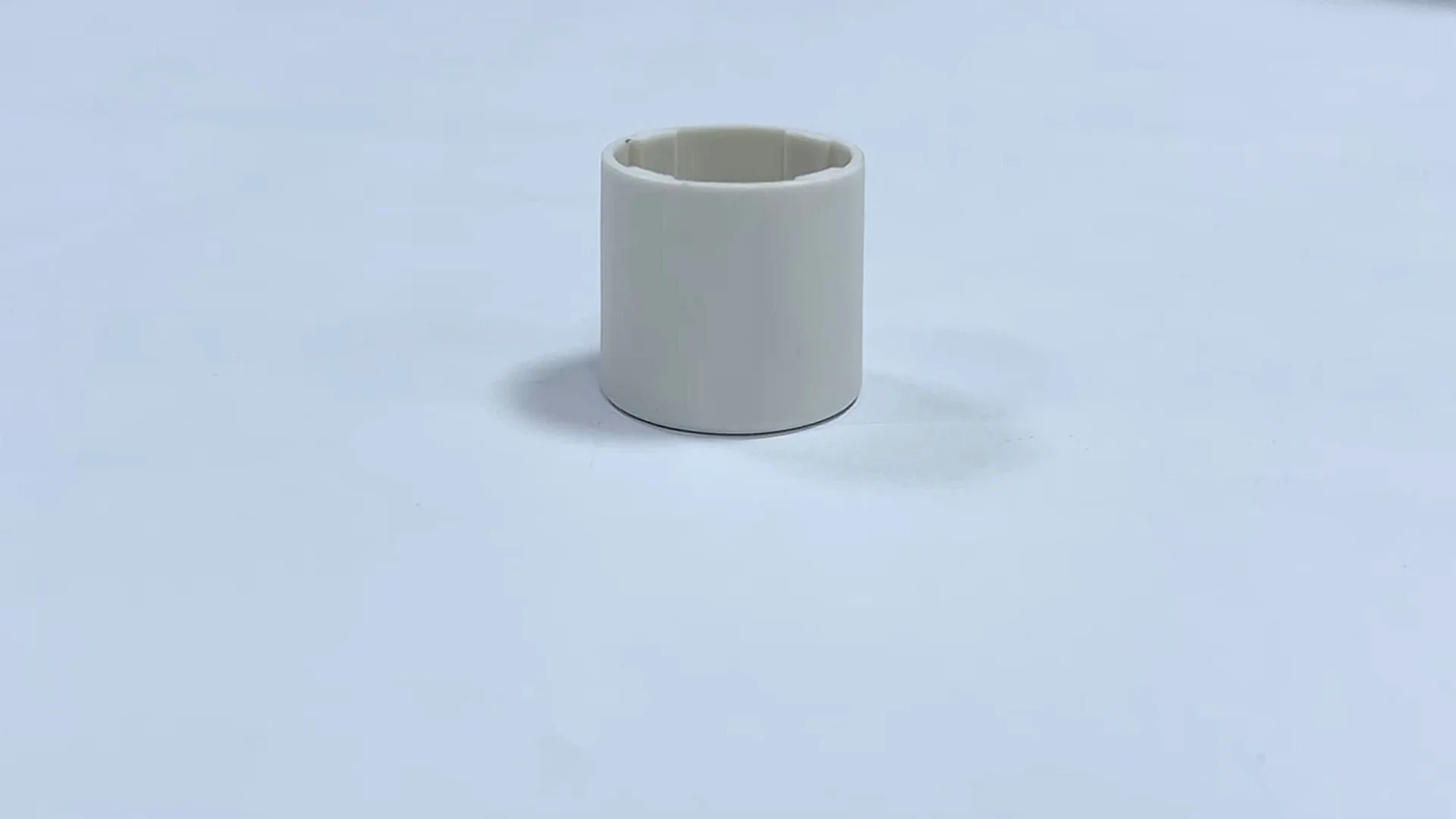
Plastic Pipe Sleeve
Plastic pipe sleeve to cover dia 28MM aluminum pipe end to contact with ground.
In the bustling world of manufacturing and production, where every second counts and adaptability is key, there's a quiet revolution happening. It's not in the flashy robots or the high-tech software, but in the small, often overlooked components that hold everything together. Plastic pipe sleeves—those unassuming tubes of polymer—are emerging as unsung heroes, redefining how factories, warehouses, and assembly lines operate. As production systems shift toward flexibility, modularity, and sustainability, these humble sleeves are no longer just "protectors" of pipes. They're becoming enablers of leaner, smarter, and more responsive workflows. Let's dive into how plastic pipe sleeves are evolving, and why they're critical to the next generation of flexible production.
The Backbone of Modern Manufacturing: Lean Systems and the Need for Flexibility
Before we explore the future of plastic pipe sleeves, it's essential to understand the context driving their innovation: the rise of lean systems . Lean manufacturing, a philosophy born from Toyota's production principles, focuses on minimizing waste, maximizing value, and adapting quickly to change. In today's fast-paced market—where consumer demands shift overnight and product lifecycles grow shorter—rigid, one-size-fits-all production lines are obsolete. What's needed instead are modular systems that can be reconfigured in hours, not weeks, to accommodate new products, higher volumes, or updated workflows.
At the core of these modular systems are components designed for quick assembly, disassembly, and reuse. Think of workbenches that can be adjusted in height with a few twists, roller tracks that glide materials from station to station without jams, and aluminum profiles that snap together like building blocks. These elements rely on compatibility and durability, and that's where plastic pipe sleeves step in. They connect, protect, and stabilize—all while keeping systems lightweight and easy to modify. In short, plastic pipe sleeves are the glue that makes lean systems "lean."
From "Good Enough" to Game-Changer: The Evolution of Plastic Pipe Sleeves
Not long ago, plastic pipe sleeves were an afterthought. Made from basic PVC or polyethylene, they were used primarily to shield metal pipes from corrosion, reduce friction during material transport, or muffle noise in conveyor systems. They were functional, but limited: brittle in cold temperatures, prone to cracking under heavy loads, and rarely designed with modularity in mind. If a factory needed to reconfigure a production line, workers would often have to replace entire sections of piping—sleeves included—wasting time and resources.
Today, that's changing. Innovations in materials science, design, and manufacturing are transforming plastic pipe sleeves into dynamic components that align with the demands of next-gen production. Let's break down the key shifts:
1. Materials: Stronger, Lighter, and Greener
Gone are the days of one-material-fits-all sleeves. Modern plastic pipe sleeves are engineered with precision, blending polymers like polypropylene (PP), nylon, and even recycled plastics with additives that boost performance. For example, some sleeves now include glass fiber reinforcements to increase tensile strength by up to 40%, making them durable enough to handle heavy loads on roller tracks without deforming. Others use UV-resistant coatings to withstand harsh factory lighting or outdoor storage, ensuring longevity in diverse environments.
Sustainability is also driving material innovation. Brands are increasingly using bio-based plastics (derived from cornstarch or sugarcane) or post-consumer recycled (PCR) plastics, reducing reliance on virgin materials. A recent study by the Manufacturing Sustainability Institute found that PCR-based plastic sleeves have a 35% lower carbon footprint than traditional PVC sleeves, without sacrificing strength. For companies aiming to meet net-zero goals, this is a game-changer.
2. Design: Modularity and Compatibility
The biggest leap in plastic pipe sleeves is in their design. Today's sleeves are built for integration —seamlessly fitting with other modular components like aluminum profiles , roller track connectors, and workbench accessories. Take, for instance, sleeves with pre-molded grooves or notches that lock into aluminum profile T-slots. This allows workers to attach sleeves to frames, rails, or brackets in seconds, without drilling or welding. On assembly lines, this cuts setup time for new workbenches by up to 50% compared to traditional metal sleeves, which often require custom fittings.
Another design trend is adjustability. Some sleeves now feature expandable or contractible walls, allowing them to fit pipes of varying diameters (e.g., 0.5-inch to 1-inch) with a tight, secure grip. This eliminates the need for multiple sleeve sizes, reducing inventory costs and simplifying storage. Imagine a warehouse where a single sleeve can be used on both a small-diameter aluminum pipe for a lightweight trolley and a larger steel pipe for a heavy-duty material rack—no more rummaging through bins for the "right" size.

Traditional vs. Modern: How New Plastic Sleeves Stack Up
To truly grasp the impact of these innovations, let's compare traditional plastic/metal sleeves with the latest generation of plastic pipe sleeves. The table below highlights key differences in performance, cost, and sustainability:
| Feature | Traditional Metal Sleeves | Traditional Plastic Sleeves (PVC/PE) | Modern Plastic Pipe Sleeves (Reinforced/Modular) |
|---|---|---|---|
| Material | Steel/Aluminum | Basic PVC/Polyethylene | Reinforced PP/Nylon + PCR/Bio-based plastics |
| Weight (per meter) | 1.2–2.0 kg | 0.4–0.6 kg | 0.3–0.5 kg (30% lighter than traditional plastic) |
| Installation Time | 20–30 mins (requires tools/welding) | 10–15 mins (press-fit, but limited adjustability) | 2–5 mins (snap-fit, compatible with aluminum profile accessories) |
| Durability (Expected Lifespan) | 10–15 years (prone to rust/corrosion) | 3–5 years (brittle in extreme temps) | 8–12 years (UV/impact resistant) |
| Sustainability | High carbon footprint; recyclable but energy-intensive | Non-biodegradable; limited recycled content | Low carbon footprint; up to 70% PCR content; recyclable at end-of-life |
| Cost (per unit) | $8–$15 | $2–$4 | $3–$6 (higher upfront, but lower long-term maintenance) |
*Data sourced from industry benchmarks and manufacturer case studies (2024).

Fitting into the Big Picture: Plastic Sleeves in Next-Gen Production Systems
Plastic pipe sleeves don't exist in a vacuum—they're part of a larger ecosystem of modular components that make flexible production possible. Let's explore how they integrate with critical systems like roller tracks, workbenches, and aluminum profiles to drive efficiency.
Roller Tracks: Smoother Flow, Less Friction
Roller tracks are the arteries of material handling, moving parts, packages, and products across assembly lines. For these systems to work flawlessly, the rollers must glide smoothly, and the underlying pipes (which support the rollers) must be protected from wear. Plastic pipe sleeves act as a buffer between the metal roller axles and the supporting pipes, reducing friction by up to 50% compared to bare metal. This not only speeds up material flow but also cuts down on maintenance—fewer jammed rollers mean less downtime for repairs.
Modern sleeves take this a step further with specialized designs. For example, some sleeves feature a low-friction inner lining (made from Teflon or silicone) that minimizes resistance, allowing rollers to spin faster with less energy. Others have grooved exteriors that lock into roller track connectors, preventing the sleeves from shifting during operation. In a recent pilot at a electronics manufacturing plant, switching to these grooved sleeves reduced roller track maintenance costs by 28% over six months.
Workbenches: Customizable, Comfortable, and Quick to Build
Workbenches are the workhorses of assembly lines, and their design directly impacts worker productivity and ergonomics. Today's lean systems demand workbenches that can be adjusted for height, expanded to fit new tasks, or reconfigured for different products—all without calling in a construction crew. Plastic pipe sleeves make this possible by enabling tool-free assembly with aluminum profiles .
Here's how it works: Aluminum profiles (hollow, T-slotted beams) form the frame of the workbench. Plastic pipe sleeves, cut to length, slide over the profiles to create stable, non-slip surfaces for shelves, tool holders, or monitor arms. Because the sleeves are lightweight and easy to cut, workers can modify the workbench layout in minutes—no welding, no heavy tools. For example, a furniture manufacturer in Germany recently used this approach to reconfigure 12 workbenches in a single shift, allowing them to switch from assembling chairs to tables without delays.
Aluminum Profiles: Strength Meets Flexibility
Aluminum profiles are the backbone of modular systems, thanks to their strength, light weight, and versatility. But to connect profiles at angles (90°, 45°, etc.), manufacturers rely on joints and brackets—and plastic pipe sleeves play a key role here, too. Sleeves with flexible, heat-resistant materials can be molded into custom shapes to fit joint connectors, creating tight, secure bonds that withstand vibration and heavy loads. This is especially useful in mobile systems like turnover trolleys, where stability is critical during transport.
Some brands now offer "sleeve-and-joint kits" that pair pre-cut plastic sleeves with aluminum profile connectors, eliminating the guesswork in assembly. A survey of plant managers found that using these kits reduced assembly errors by 40% compared to traditional methods, where workers often had to file or sand sleeves to fit connectors.

Looking Ahead: What's Next for Plastic Pipe Sleeves?
The future of plastic pipe sleeves is bright, with innovations on the horizon that will make them even more integral to flexible production. Here are three trends to watch:
1. Smart Sleeves: Sensors and Data Tracking
The rise of Industry 4.0 is bringing "smart" technology to even the smallest components. Researchers are developing plastic pipe sleeves embedded with micro-sensors that monitor temperature, vibration, and wear. These sensors can alert maintenance teams when a sleeve is nearing the end of its lifespan or when a roller track is at risk of jamming, allowing for predictive maintenance. Imagine a sleeve that sends a notification to a factory dashboard: "Sleeve #7 on Track B is showing 80% wear—replace within 2 weeks." This would eliminate unexpected breakdowns and keep production running smoothly.
2. Biodegradable and Compostable Options
As sustainability becomes non-negotiable, brands are exploring biodegradable plastics for sleeves. Companies like GreenPipe are already testing sleeves made from PLA (polylactic acid), a plant-based polymer that breaks down in industrial composting facilities within 1–2 years. While these sleeves are currently limited to low-load applications (like light-duty workbenches), advances in material science could soon make them strong enough for heavy-duty use. For industries with short product lifecycles (e.g., seasonal goods manufacturing), compostable sleeves could drastically reduce waste.
3. 3D-Printed Customization
3D printing is revolutionizing manufacturing, and plastic pipe sleeves are no exception. Instead of mass-producing one-size-fits-most sleeves, factories could soon 3D-print sleeves on-demand, tailored to specific pipes, loads, or environments. Need a sleeve with a unique groove pattern for a custom roller track? Upload the design to a 3D printer, and have it ready in hours. This would cut down on inventory costs (no more stockpiling sleeves of every size) and enable hyper-specific solutions for niche production needs.
The Bottom Line: Small Component, Big Impact
Plastic pipe sleeves may not grab headlines, but their evolution is a testament to the power of innovation in manufacturing. From humble protectors to modular enablers, they're helping factories build leaner, more flexible systems that can adapt to whatever the future throws their way. As materials get stronger, designs smarter, and integration deeper, these small tubes will continue to play a big role in shaping the next generation of production.
So the next time you walk through a factory, take a closer look at the roller tracks, the workbenches, and the aluminum frames. Chances are, there's a plastic pipe sleeve hard at work—quietly, reliably, and revolutionarily.