- Company Articles
- Industry articles
- Industry News
- Future Trends: Innovations in Lean Pipe Clamp B Chrome Design for Smart Factories

Future Trends: Innovations in Lean Pipe Clamp B Chrome Design for Smart Factories
Related Product
Lean Pipe Clamp B Chrome
Lean pipe clamp is used for turnover trolley, workbench, flowrack adjust the frame or fix some accessory.
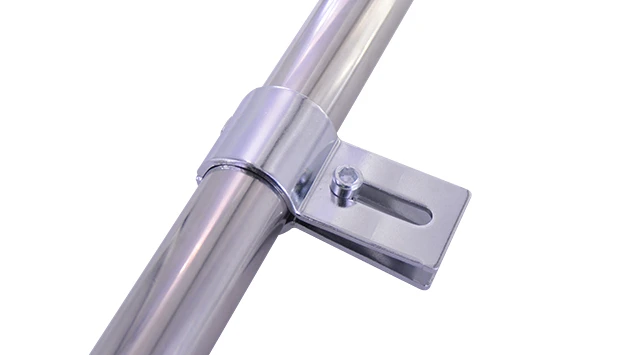
Walk into any modern smart factory today, and you'll likely notice a symphony of precision: robots gliding along rails, workers collaborating with digital dashboards, and materials flowing seamlessly from one station to the next. But behind this harmony lies a network of unsung heroes—small, unassuming components that keep the entire operation balanced. One such hero? The
lean pipe clamp B chrome
. It's not the flashiest part of the production line, but ask any plant manager, and they'll tell you: a well-designed clamp can mean the difference between a smooth workflow and a day bogged down by jams, delays, and frustrated teams. As factories race to adopt flexible, data-driven manufacturing, the humble clamp is evolving too. Let's dive into how innovations in
lean pipe clamp B chrome
design are becoming a quiet cornerstone of the smart factory revolution.
Why Lean Systems Depend on "Small Parts with Big Impact"
To understand the importance of the
lean pipe clamp B chrome
, we first need to talk about
lean system
philosophy. At its core, lean manufacturing is about eliminating waste—whether that's time, materials, or effort. It's about building workspaces that adapt quickly to changing needs, where every tool and component has a clear purpose. In this world, modularity is king. Factories today can't afford rigid, one-size-fits-all setups; they need workbenches, flow racks, and assembly lines that can be reconfigured in hours, not weeks, to accommodate new products or higher demand.
This is where lean pipes and their connectors shine. Imagine a production line where workers need to shift from assembling small electronics to larger machinery. With traditional fixed structures, this might require dismantling and rebuilding entire workstations. But with lean pipes—lightweight, durable tubes—and the right clamps, teams can loosen a few connectors, adjust the layout, and be back to work in minutes. And at the heart of that flexibility? The clamp. It's the bridge between pipes, the lock that holds everything together while still allowing for quick adjustments. A weak or poorly designed clamp? It turns modularity into a headache—slipping pipes, wobbly workbenches, and safety risks that no factory can tolerate.
The Problem with Traditional Clamps: Why Change Was Needed
For years, factories relied on basic steel or plastic clamps. They did the job, but barely. Let's paint a picture: A mid-sized electronics plant using standard steel clamps on their
flow rack
system. After six months of daily use, the clamps start to rust from exposure to cleaning agents. Workers notice the racks wobble when loaded with heavy circuit boards, so they tighten the clamps—only to strip the threads, rendering them useless. When the plant tries to reconfigure the line for a new product, half the clamps break during disassembly, leaving teams scrambling for replacements. Sound familiar?
Traditional clamps had three big flaws: durability, adjustability, and compatibility. Many were made with low-grade materials that corroded easily, especially in factories with strict cleaning protocols. Their designs were often one-dimensional—great for a fixed angle, terrible for anything else. And worst of all, they rarely played well with newer materials like aluminum profiles, which are lighter and more sustainable than steel. As factories moved toward smarter, more agile setups, these clamps became a bottleneck. The industry needed something tougher, more flexible, and ready to grow with the smart factory revolution.
Innovations in Lean Pipe Clamp B Chrome: The Game-Changers
Enter the
lean pipe clamp B chrome
. This isn't just a minor upgrade—it's a complete rethinking of what a clamp can do. Let's break down the key innovations that are making it a favorite among plant managers and workers alike.
1. Chrome-Plated Durability That Stands the Test of Time
The first thing you notice about these clamps is their finish. Chrome plating isn't just for shine—it's a shield. Unlike traditional steel clamps that rust or plastic ones that crack, chrome-plated clamps resist corrosion, scratches, and chemical damage. In a factory where daily wipe-downs with industrial cleaners are the norm, this is a game-changer. One automotive supplier in Michigan reported that their lean pipe clamp B chrome units lasted 3x longer than their previous steel clamps, cutting replacement costs by 60% in the first year alone. 2. 360-Degree Rotational Design for Unmatched Flexibility
Remember the problem with fixed-angle clamps? The lean pipe clamp B chrome solves this with a clever rotational joint. Workers can swivel pipes into any position—90 degrees, 45 degrees, even slight angles for sloped flow racks—without needing special tools. This is a lifesaver for lean system setups that need to adapt on the fly. A smartphone assembly plant in Vietnam, for example, uses these clamps to adjust their workbenches' height and angle multiple times a day to accommodate different tasks, from soldering tiny components to testing finished devices. The result? A 25% reduction in worker fatigue and a 15% faster assembly time. 3. Precision Grip That Eliminates "Slippage Stress"
There's a reason factory workers dread loose clamps: a single slip can derail an entire production run. The lean pipe clamp B chrome uses a dual-locking mechanism—rubberized inner teeth that grip pipes tightly, plus a reinforced screw that distributes pressure evenly. Even when loaded with heavy materials (think 50kg boxes of parts sliding down a flow rack), the clamps hold firm. A food packaging plant in Germany tested this by running 10-hour shifts with fully loaded flow racks; after three months, not a single clamp showed signs of slippage. Compare that to their old clamps, which needed tightening every 2 hours.
The first thing you notice about these clamps is their finish. Chrome plating isn't just for shine—it's a shield. Unlike traditional steel clamps that rust or plastic ones that crack, chrome-plated clamps resist corrosion, scratches, and chemical damage. In a factory where daily wipe-downs with industrial cleaners are the norm, this is a game-changer. One automotive supplier in Michigan reported that their lean pipe clamp B chrome units lasted 3x longer than their previous steel clamps, cutting replacement costs by 60% in the first year alone. 2. 360-Degree Rotational Design for Unmatched Flexibility
Remember the problem with fixed-angle clamps? The lean pipe clamp B chrome solves this with a clever rotational joint. Workers can swivel pipes into any position—90 degrees, 45 degrees, even slight angles for sloped flow racks—without needing special tools. This is a lifesaver for lean system setups that need to adapt on the fly. A smartphone assembly plant in Vietnam, for example, uses these clamps to adjust their workbenches' height and angle multiple times a day to accommodate different tasks, from soldering tiny components to testing finished devices. The result? A 25% reduction in worker fatigue and a 15% faster assembly time. 3. Precision Grip That Eliminates "Slippage Stress"
There's a reason factory workers dread loose clamps: a single slip can derail an entire production run. The lean pipe clamp B chrome uses a dual-locking mechanism—rubberized inner teeth that grip pipes tightly, plus a reinforced screw that distributes pressure evenly. Even when loaded with heavy materials (think 50kg boxes of parts sliding down a flow rack), the clamps hold firm. A food packaging plant in Germany tested this by running 10-hour shifts with fully loaded flow racks; after three months, not a single clamp showed signs of slippage. Compare that to their old clamps, which needed tightening every 2 hours.
How Lean Pipe Clamp B Chrome Integrates with Modern Factory Materials
Today's factories aren't just using steel pipes anymore.
Aluminum profile
systems are taking over, and for good reason—they're lighter, recyclable, and compatible with advanced accessories like IoT sensors. But aluminum is also softer than steel, which means traditional clamps can dent or scratch it, weakening the structure over time. The lean pipe clamp B chrome? It's designed with aluminum in mind.
The clamp's inner lining is made from a soft, non-abrasive polymer that protects the aluminum profile while still providing a secure grip. This is critical for factories using aluminum workbenches or flow racks, where even small scratches can compromise the material's integrity. What's more, the clamp's modular design works with both standard lean pipes and T-slot aluminum profiles, so factories don't have to replace their entire setup to upgrade. A medical device manufacturer in Canada recently switched to aluminum profiles and lean pipe clamp B chrome clamps; they reported a 30% reduction in workstation weight (making reconfigurations easier) and zero damage to the aluminum after six months of use.
And let's not forget about ESD protection. In electronics manufacturing, static electricity can fry sensitive components. Many lean pipe clamp B chrome models come with ESD-safe coatings that dissipate static, making them ideal for cleanrooms and circuit board assembly lines. It's these small, thoughtful details that make the clamp more than just a connector—it's a partner in building smarter, safer workspaces.
Real Results: A Case Study in Productivity
Let's put all this talk into numbers. A contract manufacturing plant in Texas that produces everything from automotive parts to consumer gadgets was struggling with downtime. Their biggest issue? Reconfiguring workstations for new client orders. With traditional clamps, each reconfiguration took 8 hours and often required replacing 20-30 broken clamps. In 2024, they switched to lean pipe clamp B chrome and aluminum profiles. The results?
- Reconfiguration time dropped to 2 hours (a 75% improvement).
- Clamp replacement costs fell by 80% (from $2,000/month to $400).
- Worker-reported injuries from wobbly workbenches decreased by 100% (zero incidents in 6 months).
- Customer order fulfillment speed increased by 15%, as the plant could take on more diverse orders without delays.
The plant manager summed it up best: "We used to see clamps as a necessary evil. Now? They're one of the best investments we've made. The lean pipe clamp B chrome doesn't just hold our line together—it holds our entire operation together."
The Future: What's Next for Lean Pipe Clamp Design?
The lean pipe clamp B chrome is already impressive, but the innovation doesn't stop here. As smart factories become more connected, clamps are likely to get "smarter" too. Imagine clamps with built-in RFID tags that track usage—alerting maintenance teams when a clamp is nearing the end of its lifespan, or when a workstation has been reconfigured (so digital floor plans update automatically). Some manufacturers are even testing clamps with pressure sensors that send real-time data to factory management systems, flagging potential issues before they cause downtime.
Sustainability is another big trend. Future clamps might use recycled chrome or biodegradable inner linings, aligning with factories' goals to reduce their carbon footprint. And as AI-driven design tools get better, clamps could be customized to specific factory needs—optimized for weight, grip strength, or corrosion resistance based on a plant's unique environment (think humid vs. dry climates, or food-grade vs. industrial settings).
One thing is clear: the days of the "dumb" clamp are over. In the smart factory of tomorrow, every component, no matter how small, will play a role in driving efficiency, safety, and flexibility. And the lean pipe clamp B chrome? It's leading the charge.
Why Small Components Matter in the Big Picture
It's easy to get swept up in the excitement of robots and AI when talking about smart factories. But the truth is, even the most advanced technology relies on the basics—well-built, thoughtfully designed components that keep the day-to-day operations running smoothly. The lean pipe clamp B chrome is a perfect example of this. It doesn't grab headlines, but it solves real problems for real people: the worker who no longer has to stop production to tighten a loose clamp, the plant manager who can now take on last-minute orders without panic, the sustainability team that's cutting waste by using durable, long-lasting parts.
In the end, the future of manufacturing isn't just about big machines and fancy software. It's about reimagining every part of the process—even the ones we've taken for granted for decades. And if the lean pipe clamp B chrome is any indication, that future is looking bright, flexible, and ready to adapt to whatever comes next.
Traditional Clamps vs. Lean Pipe Clamp B Chrome: A Quick Comparison
| Feature | Traditional Steel/Plastic Clamps | Lean Pipe Clamp B Chrome |
|---|---|---|
| Durability | Rusts easily; prone to stripping threads | Chrome-plated finish resists corrosion; lasts 3x longer |
| Flexibility | Fixed angles; limited adjustability | 360-degree rotation; works with steel pipes and aluminum profiles |
| Grip Strength | Slippage common under heavy loads | Dual-locking system with rubberized teeth; holds up to 50kg+ loads |
| Compatibility with Aluminum | Often dents or scratches soft aluminum | Non-abrasive inner lining protects aluminum profiles |
| Maintenance Needs | Requires frequent tightening/replacement | Low maintenance; RFID-ready for predictive upkeep |