- Company Articles
- Industry articles
- Industry News
- Future Trends: What's Next for 40 Roller Track Placon Mount drop High Technology?

Future Trends: What's Next for 40 Roller Track Placon Mount drop High Technology?
Related Product
40 Roller Track Placon Mount drop High
Roller track placon mount work as a connector for roller track and pipe or aluminum profile in rack syetem, it is a necessary parts in rack system which widely used in industrial plant and logistic,warehouse storage.
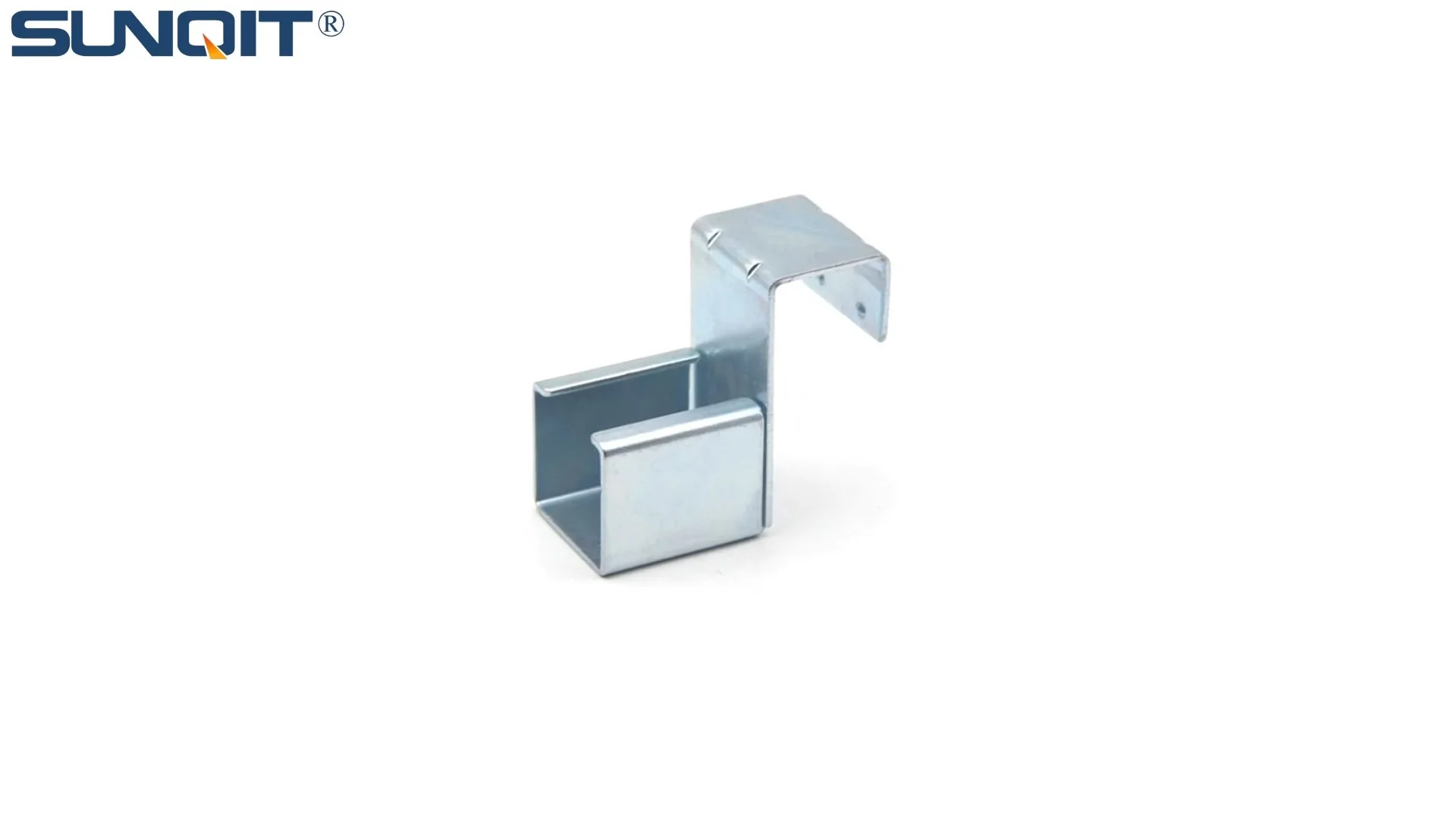
In the fast-paced world of manufacturing, where every second and every movement counts, the unsung heroes often lie in the equipment that keeps production lines flowing. Among these, the 40 Roller Track Placon Mount drop High system stands out as a quiet workhorse—quietly but efficiently bridging gaps between assembly stations, streamlining material handling, and adapting to the ever-changing needs of modern factories. As we stand on the cusp of Industry 4.0's next wave, this unassuming technology is poised for a transformation that could redefine flexibility, sustainability, and smart integration in manufacturing. Let's dive into where it's been, where it's going, and why it matters for the factories of tomorrow.
Today's 40 Roller Track: The Backbone of Flexible Production
First, let's ground ourselves in what the 40 Roller Track Placon Mount drop High system is—and why it's already indispensable. Picture a typical electronics assembly line, say for smartphones. Components like circuit boards, screens, and batteries need to move smoothly from one workstation to the next, often between different heights or across varying workbench levels. That's where this roller track shines. With its 40mm height-adjustable "drop high" design, it seamlessly connects workbenches, conveyors, and storage racks, allowing materials to glide with minimal friction, reducing manual lifting, and cutting down on bottlenecks.
But its utility doesn't stop at electronics. Walk into a medical device manufacturing facility, and you might find it transporting sterile parts between cleanrooms, where precision and contamination control are non-negotiable. In automotive plants, it's the silent partner in moving car door panels or engine components from welding stations to painting lines. Even in warehousing, paired with flow racks, it turns static storage into dynamic picking systems, where products roll forward as needed, slashing retrieval time.
| Industry | Primary Use Case | Core Benefit |
|---|---|---|
| 3C Electronics (Smartphones, Laptops) | Component transfer between assembly workstations | Reduces 25-30% manual material handling time |
| Medical Device Manufacturing | Sterile part transport in cleanroom environments | Minimizes contamination risks; meets ISO 13485 standards |
| Automotive Assembly | Heavy component movement between production stages | Handles loads up to 150kg; adapts to uneven floor surfaces |
| Warehousing & Logistics | Dynamic picking in flow rack systems | Increases order fulfillment speed by 18-22% |
At its core, today's system relies on robust aluminum profiles for durability, precision-machined plastic or steel rollers for smooth movement, and placon mounts that allow quick height adjustments—often without tools. This blend of strength and flexibility has made it a cornerstone of lean manufacturing, aligning perfectly with the "reduce waste, maximize value" ethos that drives modern production.
What's Pushing the 40 Roller Track Into the Future?
To understand where this technology is headed, we need to look at the megatrends reshaping manufacturing as a whole. Three forces, in particular, are acting as catalysts for innovation in roller track systems: the rise of smart factories, the demand for sustainability, and the need for hyper-customization.
1. The Smart Factory Revolution
Industry 4.0 isn't just a buzzword—it's a reality where machines, sensors, and software work in tandem to make decisions in real time. In this landscape, a "dumb" roller track—one that just moves parts without feedback—won't cut it. Factories now want to know: Is the track running smoothly? Are there jams? How much weight is it carrying right now? Tomorrow's 40 Roller Track will integrate IoT sensors to monitor vibration, temperature, and load, sending alerts to maintenance teams before a breakdown occurs. Imagine a system that automatically slows down when it detects an overloaded cart, or flags a worn roller that's causing friction—preventing downtime before it starts.
2. Sustainability: More Than Just a Trend
Manufacturers are under increasing pressure to reduce their carbon footprint—from regulatory bodies, customers, and even their own ESG goals. Traditional roller tracks, while durable, often use materials that are hard to recycle or require frequent replacement. The future lies in eco-friendly innovation. Think aluminum profiles made from 100% recycled material, or rollers crafted from bio-based plastics that don't compromise on strength. Even better: modular designs that allow individual components (like a single roller or mount) to be replaced instead of the entire track, cutting down on waste. This aligns perfectly with the lean solution mindset—maximizing resource use while minimizing environmental impact.
3. The Age of Hyper-Customization
Gone are the days of one-size-fits-all production lines. Today's manufacturers—especially in sectors like consumer electronics and medical devices—need to switch between product models faster than ever. A smartphone factory might produce 10 different models in a single day; a medical device maker could shift from surgical tools to diagnostic equipment within weeks. This demands roller tracks that can adapt on the fly. Tomorrow's systems will feature "click-and-go" modularity: easily reconfigurable lengths, adjustable angles, and quick-swap components that let workers rearrange the track layout in minutes, not hours. No more calling in engineers for minor adjustments—just a few hand tools and a quick reference guide.

Tomorrow's Roller Track: 3 Game-Changing Innovations
So, what will these trends actually look like in practice? Let's break down the key innovations set to redefine the 40 Roller Track Placon Mount drop High technology in the next 5-10 years.
Innovation #1: Advanced Materials for Extreme Performance
Aluminum has long been the go-to material for roller tracks, thanks to its strength-to-weight ratio and corrosion resistance. But tomorrow's tracks will push the envelope further. Engineers are experimenting with aluminum-lithium alloys, which are 10% lighter than traditional aluminum but just as strong—making the track easier to reposition and reducing energy costs when integrated with motorized conveyors. For high-heat environments, like foundries or glass manufacturing, ceramic-coated rollers will withstand temperatures up to 500°C without warping. And for cleanrooms, we'll see antimicrobial aluminum profiles treated with silver ions to inhibit bacteria growth—critical for pharmaceutical and medical device production.
But it's not just about the track itself. The placon mounts—the brackets that hold the track in place—are getting a makeover too. New composite materials, reinforced with carbon fiber, will make them 30% stronger while cutting weight, allowing for longer spans between supports and more flexible layout designs.
Innovation #2: "Plug-and-Play" Smart Integration
Imagine walking up to a roller track, attaching a small sensor module with a magnetic clip, and instantly connecting it to your factory's ERP system. That's the vision for smart roller tracks. These modules will monitor everything from roller speed to vibration patterns, using AI algorithms to predict maintenance needs. For example, if a roller starts vibrating more than usual, the system might flag it as worn and automatically generate a work order for replacement. Some tracks could even integrate with collaborative robots (cobots), where a cobot detects a full cart on the track and automatically transfers it to the next station—no human intervention needed.
Data from these sensors will also feed into broader lean solution strategies. By analyzing how materials flow through the track, manufacturers can identify bottlenecks in real time. If a particular workstation is consistently causing backups, the system might suggest reconfiguring the track layout or adjusting production schedules—turning raw data into actionable insights.
Innovation #3: Modularity That Adapts to Any Workflow
The future of manufacturing is flexible, and so must its tools. Tomorrow's 40 Roller Track will be designed for "rapid reconfiguration." Need to change the track's angle from 10° to 15° to accommodate a new workbench? Swap out a few mounts. Want to extend the track by 2 meters for a new assembly line? Add a prefabricated section with a quick-lock mechanism. Even the rollers themselves will be interchangeable: swap steel wheels for rubber ones to reduce noise in a quiet office-factory hybrid space, or switch to ESD (electrostatic discharge) wheels when handling sensitive electronics. This modularity won't just save time—it will let small and medium manufacturers compete with larger players by scaling production up or down without massive capital investments.

What This Means for Manufacturers: Beyond the Track
These innovations won't just improve roller tracks—they'll transform how factories operate. Let's take a small 3C electronics manufacturer as an example. Today, reconfiguring their assembly line for a new smartphone model might take 2-3 days, requiring downtime and manual labor. With a modular, smart roller track system, that same reconfiguration could take 2-3 hours: swap out a few sections, adjust the height with a quick lever, and let the sensors calibrate automatically. The result? Faster time-to-market, lower labor costs, and the ability to pivot to new products without missing a beat.
For larger enterprises, the benefits are equally compelling. A automotive plant using smart roller tracks could reduce maintenance costs by 20-25% through predictive alerts, while cutting energy use with lighter, more efficient materials. And for companies in regulated industries like medical devices, the ability to track every component's journey via sensor data will simplify compliance audits—no more digging through paper logs when the FDA comes calling.
Perhaps most importantly, these advances will make manufacturing more human-centric. By automating repetitive tasks like moving heavy carts and reducing physical strain, workers can focus on higher-value activities—like quality control or process improvement. A roller track that adapts to the worker, not the other way around, creates a safer, more ergonomic environment—boosting morale and reducing turnover in an industry facing skilled labor shortages.

The Road Ahead: A Track Built for Tomorrow
The 40 Roller Track Placon Mount drop High system may not grab headlines like AI-powered robots or 3D printers, but its evolution is just as critical to the future of manufacturing. As factories strive to be smarter, greener, and more flexible, this humble piece of equipment is evolving into a linchpin of lean solution strategies—connecting not just workstations, but people, data, and sustainability goals.
So what's next? We'll see tracks that "learn" from their environment, materials that leave zero waste, and designs that let any factory—big or small—adapt to change at the speed of business. The future of manufacturing isn't just about machines—it's about creating systems that work in harmony with the people who run them. And in that future, the 40 Roller Track Placon Mount drop High will be right there, rolling forward.