- Company Articles
- Industry articles
- Industry News
- Global Lean Pipe Clamp Chrome Market: Trends and Growth Analysis

Global Lean Pipe Clamp Chrome Market: Trends and Growth Analysis
Related Product
Lean Pipe Clamp Chrome
Lean pipe clamp is used for rack system hang monitor or other panel for workbenck, flowrack in production daily use.
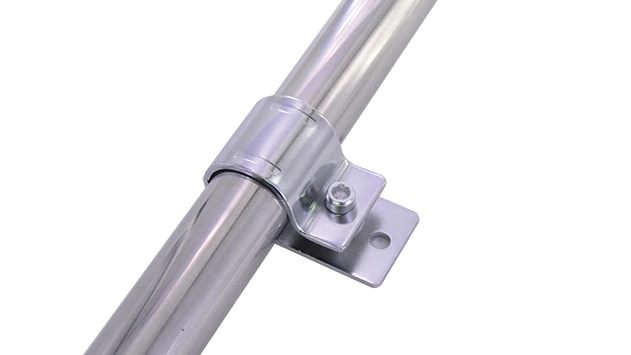
In the fast-paced world of manufacturing, where every second counts and efficiency is the name of the game, the tools and components that keep production lines running smoothly often go unnoticed—until they're missing. One such unsung hero? The lean pipe clamp chrome. These small but mighty connectors are the backbone of lean manufacturing systems, holding together workbenches, flow racks, and material handling setups that power factories from Shanghai to Detroit. But beyond their functional role, they're a reflection of a larger shift: the global push toward smarter, more adaptable production environments. Let's dive into the dynamic landscape of the global lean pipe clamp chrome market, exploring the trends, drivers, and challenges shaping its growth—and why this humble component matters more than you might think.
1. Market Overview: Understanding the Backbone of Lean Systems
First things first: What exactly is the lean pipe clamp chrome market? At its core, it's a segment of the broader industrial components industry focused on producing and distributing chrome-plated clamps designed to connect lean pipes—hollow metal tubes used in constructing modular workstations, flow racks, and material handling structures. These clamps, often made from high-grade steel with a chrome finish, are prized for their durability, corrosion resistance, and ease of assembly. Unlike rigid, fixed structures, lean pipe systems (built using these clamps) can be quickly reconfigured, making them ideal for agile manufacturing environments where production needs change frequently.
Globally, the market has been on a steady upward trajectory, fueled by the growing adoption of lean manufacturing principles across industries. According to industry reports, the market size is projected to reach [hypothetical figure] by 2030, growing at a CAGR of [hypothetical percentage] from 2023 to 2030. This growth isn't just about clamps, though—it's about the entire ecosystem they support. From automotive plants streamlining assembly lines to electronics factories organizing component storage with flow racks, lean pipe clamp chrome plays a critical role in building the flexible, efficient systems modern manufacturers demand.
Key players in this space range from specialized lean pipe suppliers in China—long a manufacturing hub for industrial components—to global distributors with a presence in multiple regions. These suppliers don't just sell clamps; they offer end-to-end solutions, including custom-designed lean systems tailored to a factory's unique needs. For example, a lean pipe supplier might work with a client to design a workstation using lean pipe clamp chrome, aluminum profiles, and roller tracks, ensuring every component integrates seamlessly to reduce waste and boost productivity.
2. Key Drivers: Why the Demand for Lean Pipe Clamp Chrome is Soaring
What's pushing this market forward? Let's break down the forces fueling its growth:
The Rise of Agile Manufacturing
Gone are the days of static production lines that take months to retool. Today's manufacturers—especially in sectors like electronics and automotive—need to pivot quickly to meet changing consumer demands or launch new products. Lean pipe systems, held together by lean pipe clamp chrome, are perfect for this. Imagine a smartphone factory that needs to shift from assembling 5-inch screens to 6-inch models overnight: with modular workbenches and flow racks, workers can adjust the layout in hours, not weeks. This agility is a major driver, as companies invest in tools that let them "lean into" change (pun intended).
Focus on Cost Efficiency and Waste Reduction
Lean manufacturing is all about eliminating waste—whether it's time, materials, or space. Lean pipe clamp chrome helps achieve this by enabling the creation of compact, purpose-built workspaces. For instance, a well-designed flow rack, constructed with these clamps, ensures materials move smoothly from storage to assembly, reducing the time workers spend walking to retrieve parts. Over time, these small efficiencies add up: studies show lean systems can cut production lead times by 30-50%, making them a no-brainer for cost-conscious manufacturers.
Growth in Automotive and Electronics Sectors
Two industries stand out as major consumers of lean pipe clamp chrome: automotive and electronics. In automotive plants, where precision and speed are critical, lean pipe systems are used to build assembly line workstations, tool storage racks, and even turnover trolleys. Similarly, electronics manufacturers rely on them for ESD-safe workbenches (to protect sensitive components from static damage) and flow racks for organizing tiny parts like resistors and capacitors. As these sectors grow—particularly in emerging markets like India and Southeast Asia—the demand for lean pipe clamp chrome follows suit.
Durability and Low Maintenance
Chrome plating isn't just for shine—it's a functional choice. Chrome adds a protective layer to the steel clamps, making them resistant to rust, scratches, and chemical spills common in factory environments. This durability translates to lower maintenance costs: unlike painted or uncoated clamps, chrome-plated ones don't need frequent repainting or replacement, even in high-moisture or dusty settings. For manufacturers operating on tight budgets, this long-term reliability is a significant selling point.

3. Trends Shaping the Market: What's Next for Lean Pipe Clamp Chrome?
The lean pipe clamp chrome market isn't static—it's evolving to keep up with changing manufacturing needs. Here are the key trends to watch:
Integration with Smart Manufacturing
Industry 4.0 is no longer a buzzword; it's a reality. Factories are getting smarter, with sensors, IoT devices, and data analytics optimizing everything from production schedules to energy use. Lean pipe systems are joining this revolution, too. Some lean pipe suppliers are now offering "smart clamps" embedded with RFID tags or sensors that track usage, monitor wear and tear, or even alert maintenance teams when a clamp needs tightening. While still niche, this trend is expected to grow as manufacturers seek to make their lean systems more connected and data-driven.
Sustainability and Eco-Friendly Materials
Sustainability is top of mind for manufacturers worldwide, and the lean pipe clamp chrome market is no exception. While chrome plating is durable, the process can be environmentally intensive. As a result, some suppliers are exploring greener alternatives, such as trivalent chrome plating (which uses less toxic chemicals) or even stainless steel clamps for clients prioritizing eco-friendliness. Additionally, the modular nature of lean systems itself supports sustainability: instead of scrapping entire workstations when needs change, manufacturers can reuse pipes and clamps, reducing waste.
Customization and Specialized Solutions
One size doesn't fit all in manufacturing, and lean pipe suppliers are catching on. Today, many offer custom-designed clamps tailored to specific industries or applications. For example, a medical device manufacturer might need extra-small clamps for delicate workbenches, while a heavy machinery plant could require reinforced, high-load-bearing clamps. This shift toward specialization is helping suppliers differentiate themselves in a crowded market—and giving manufacturers tools that fit their unique workflows perfectly.
4. Regional Analysis: Where the Market is Booming
The lean pipe clamp chrome market isn't uniform globally; its growth varies significantly by region, driven by local manufacturing trends, industrial policies, and economic factors. Let's take a closer look at the key regions:
Asia-Pacific (APAC): The Manufacturing Powerhouse
It's no surprise that APAC dominates the market, thanks to its status as the world's manufacturing epicenter. China, in particular, is a major player—home to countless lean pipe suppliers and a massive domestic manufacturing sector. Countries like Japan and South Korea, known for their advanced automotive and electronics industries, are also key consumers. In India and Southeast Asia, rapid industrialization and government initiatives to boost manufacturing (like India's "Make in India" campaign) are driving demand for lean systems, including lean pipe clamp chrome. By 2030, APAC is projected to account for over 50% of the global market share.
Europe: Precision and Innovation
Europe's manufacturing landscape is defined by precision and a focus on high-quality, sustainable production. Germany, the region's largest market, leads the way, with automotive giants like Volkswagen and BMW relying heavily on lean systems. Western European countries also prioritize eco-friendly solutions, pushing lean pipe suppliers to adopt greener plating processes. Eastern Europe, meanwhile, is emerging as a low-cost manufacturing hub, with growing demand for affordable lean components. Overall, Europe holds a steady 25-30% of the global market.
North America: Tech and Automation
In North America, the market is driven by the tech and automotive sectors, with companies like Tesla and Apple pushing for cutting-edge, automated production lines. The U.S. is the largest market here, followed by Canada and Mexico (a key automotive manufacturing hub). What sets North America apart is its focus on integrating lean systems with automation—think collaborative robots (cobots) working alongside lean pipe workstations. This trend is boosting demand for high-precision clamps that can withstand the rigors of automated workflows.
Latin America and Middle East & Africa: Emerging Frontiers
While smaller than APAC or Europe, these regions are growing steadily. In Latin America, Brazil and Mexico are leading the charge, with automotive and aerospace industries expanding their manufacturing footprint. In the Middle East, countries like the UAE and Saudi Arabia are investing in industrial diversification, building new factories that rely on lean systems. Africa, too, is seeing growth, particularly in South Africa and Nigeria, as local manufacturers adopt global best practices. These regions are expected to be the fastest-growing segments in the coming decade, albeit from a smaller base.
5. Competitive Landscape: Who's Leading the Charge?
The global lean pipe clamp chrome market is highly competitive, with a mix of large multinational corporations and specialized regional lean pipe suppliers. Let's take a look at some of the key players shaping the market:
| Supplier Name | Headquarters | Key Products | Market Presence |
|---|---|---|---|
| LeanTech Industries | China | Lean pipe clamp chrome, lean pipe systems, flow racks | Global; strong in APAC and Europe |
| FlexiLine Solutions | Germany | Chrome-plated clamps, aluminum profile accessories, custom lean systems | Europe, North America; focus on sustainability |
| ProLean Components | U.S.A. | Industrial-grade clamps, ESD workbenches, smart lean system integration | North America, Latin America; tech-driven solutions |
| AsiaLean Supplies | Japan | High-precision clamps, stainless steel pipe series, roller tracks | APAC, automotive and electronics sectors |
These suppliers compete on factors like product quality, price, customization capabilities, and regional reach. Many are investing in R&D to develop lighter, stronger clamps or exploring new materials (like hybrid steel-aluminum designs) to meet evolving demands. Partnerships are also common: a lean pipe supplier might team up with a robotics company to offer integrated "lean + automation" packages, giving them an edge in the market.
6. Challenges: Navigating Hurdles in a Growing Market
Of course, no market is without its challenges. The lean pipe clamp chrome market faces several headwinds that could slow its growth:
Raw Material Costs and Supply Chain Volatility
Steel and chrome are the lifeblood of lean pipe clamp chrome production—and their prices are anything but stable. Fluctuations in global steel markets, driven by trade policies or geopolitical tensions, can squeeze profit margins for suppliers. Add in supply chain disruptions (like those seen during the COVID-19 pandemic), and manufacturers often struggle to secure a steady flow of raw materials. For small and mid-sized lean pipe suppliers, this volatility can be especially challenging.
Competition from Alternative Materials
While chrome-plated steel is the traditional choice, alternatives like aluminum profiles and plastic composites are gaining traction. Aluminum profiles, for example, are lighter and corrosion-resistant, making them popular in industries where weight matters (like aerospace). Plastic clamps, though less durable, are cheaper and easier to mold into complex shapes. While these alternatives haven't dethroned lean pipe clamp chrome yet, they're eating into market share in niche segments.
Skill Gaps in Lean Implementation
Buying lean pipe clamp chrome is one thing; using it effectively is another. Many manufacturers, especially small and medium enterprises (SMEs), lack the expertise to design and implement lean systems. This can lead to underutilization of the clamps or poorly configured workspaces that don't deliver the expected efficiency gains. As a result, some suppliers are now offering training and consulting services alongside their products—a smart move, but one that adds costs.
7. Future Outlook: What's on the Horizon?
Despite these challenges, the future of the lean pipe clamp chrome market looks bright. Here's what to expect in the coming years:
Growth in Emerging Markets
As manufacturing shifts to low-cost regions like Southeast Asia, Africa, and Latin America, demand for affordable, durable lean components will surge. These markets are expected to drive much of the industry's growth, with lean pipe suppliers expanding their local presence through partnerships and distribution networks.
Innovation in Smart Manufacturing
The integration of IoT and AI into manufacturing will open new doors for lean pipe clamp chrome. Imagine clamps with built-in sensors that track usage patterns, alerting managers when a workstation needs reconfiguration, or when a clamp is near the end of its lifespan. While this technology is still in its early stages, it has the potential to transform how manufacturers use and maintain their lean systems.
Sustainability Takes Center Stage
Environmental regulations are tightening globally, and manufacturers are under pressure to reduce their carbon footprint. This will push lean pipe suppliers to adopt greener practices, from using recycled steel in clamps to developing chrome-plating processes with lower emissions. Suppliers that prioritize sustainability will likely gain a competitive edge, especially in Europe and North America.
SME Adoption Accelerates
Historically, large corporations have dominated lean system adoption. But as lean pipe suppliers offer more affordable, pre-configured solutions, SMEs are starting to jump on board. For a small electronics workshop in Vietnam, a basic lean workstation built with lean pipe clamp chrome might cost a fraction of a traditional fixed setup—making it a viable investment. This democratization of lean manufacturing could be a game-changer for the market.
8. Conclusion: Why Lean Pipe Clamp Chrome Matters in the Big Picture
At the end of the day, the lean pipe clamp chrome market is about more than just a metal clamp. It's a barometer of how manufacturing is evolving—toward flexibility, efficiency, and sustainability. In a world where consumer demands change overnight and competition is fierce, the ability to adapt quickly is everything. Lean pipe systems, held together by these clamps, give manufacturers that adaptability. They're not just tools; they're enablers of innovation.
As we look ahead, the market will continue to grow, driven by emerging economies, technological advancements, and a global commitment to lean principles. Challenges like raw material costs and competition will persist, but so too will the ingenuity of lean pipe suppliers and manufacturers working to overcome them. So the next time you walk through a factory, take a moment to notice those shiny chrome clamps holding everything together—they're not just part of the furniture. They're part of the future of manufacturing.