- Company Articles
- Industry articles
- Industry News
- Green Manufacturing: Lean Pipe Clamp B's Role in Reducing Carbon Footprint

Green Manufacturing: Lean Pipe Clamp B's Role in Reducing Carbon Footprint
Related Product
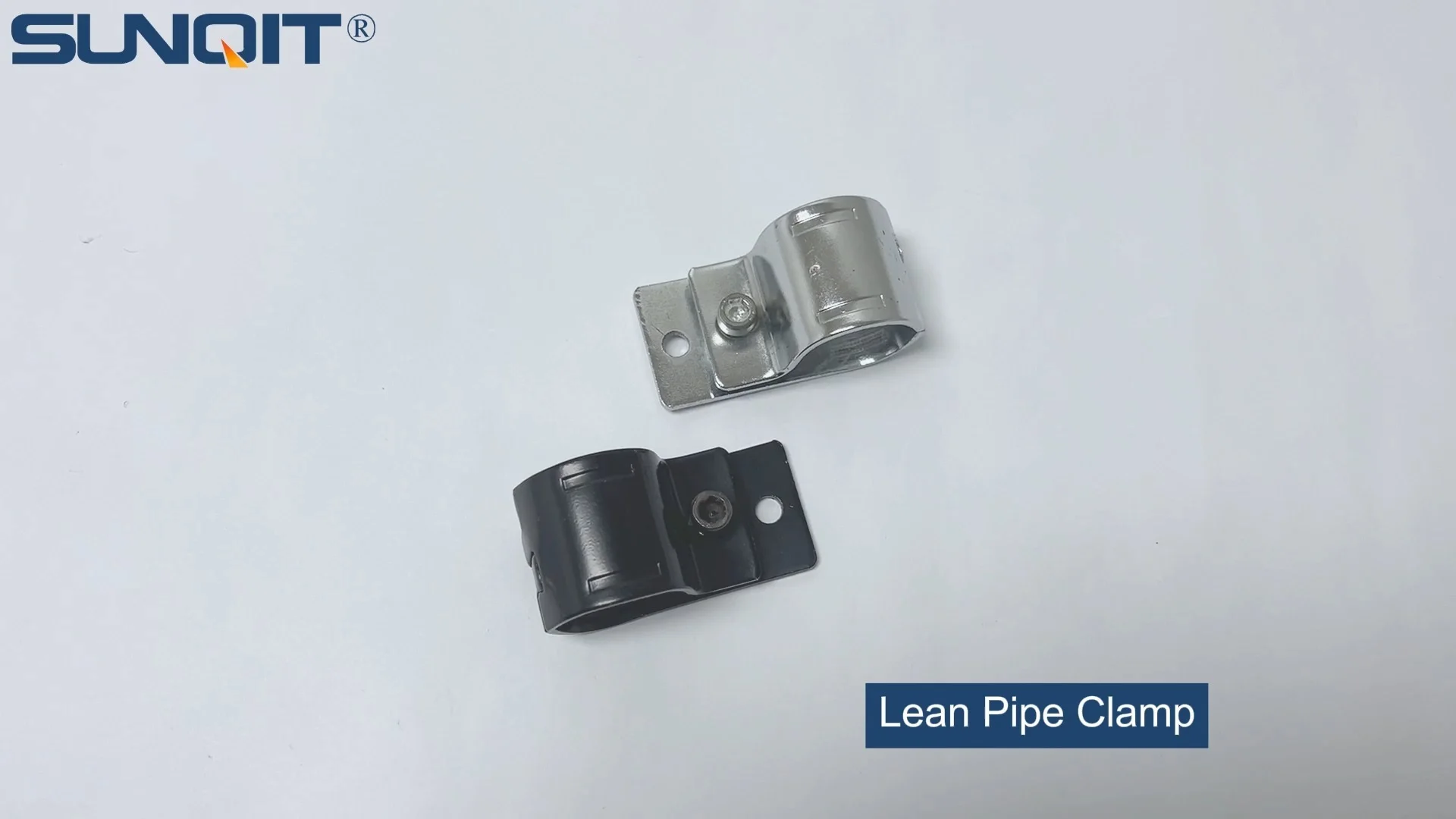
Lean Pipe Clamp
Lean pipe clamp is used for rack system hang monitor or other panel for workbenck, flowrack in production daily use.
Walk into any manufacturing plant today, and you'll likely hear the same buzzword echoing through the halls: sustainability. It's not just a trend anymore—with global carbon emissions from manufacturing accounting for nearly 25% of the world's total, according to the International Energy Agency, the pressure to cut back has never been higher. Customers want eco-friendly products, regulators are tightening emissions rules, and forward-thinking companies are realizing that going green isn't just good for the planet—it's good for the bottom line. But here's the thing: sustainability in manufacturing isn't about overhauling everything at once. Sometimes, the biggest impact comes from the smallest, most unassuming tools. Enter Lean Pipe Clamp B —a humble component that's quietly revolutionizing how factories reduce their carbon footprint, one workbench and conveyor at a time.
Lean Manufacturing: Where Efficiency Meets the Planet
Before we dive into the specifics of Lean Pipe Clamp B, let's back up. You've probably heard of "lean manufacturing"—the philosophy built around cutting waste, streamlining processes, and doing more with less. But here's a secret: lean isn't just about efficiency. At its core, it's deeply aligned with sustainability. Think about it: waste in manufacturing isn't just about time or money. It's about wasted materials, wasted energy, and wasted resources—all of which contribute directly to a bigger carbon footprint. A lean system that eliminates overproduction, for example, doesn't just save a company money; it reduces the energy and raw materials used to make products no one needs. That's why lean has become the backbone of green manufacturing strategies worldwide.
But lean systems are only as strong as their parts. Traditional manufacturing setups often rely on rigid, one-size-fits-all equipment—heavy metal workbenches welded into place, conveyors bolted to the floor, fixtures that can't be adjusted when production needs change. When a factory switches products or scales up, those old systems get torn out, ending up in landfills, and new ones are built from scratch. The result? Mountains of waste and a surge in carbon emissions from manufacturing and transporting new equipment. That's where flexible, modular components like Lean Pipe Clamp B come in. They're the unsung heroes that make lean systems adaptable, durable, and—most importantly—green.
What Even Is Lean Pipe Clamp B? (Spoiler: It's a Game-Changer)
Let's get concrete. Lean Pipe Clamp B is a small, unassuming connector designed to join lean pipe (those lightweight, often aluminum or steel tubes you see on factory floors) into structures like workbenches, flow racks, or material trolleys. But don't let its size fool you. This little clamp is a marvel of engineering. Unlike traditional welding or permanent fasteners, it lets you assemble, disassemble, and reconfigure structures in minutes—no power tools, no special training, no leftover scrap metal from cutting or welding.
Take a lean pipe workbench , for example. With Lean Pipe Clamp B, you can build a sturdy workbench by simply sliding pipes into the clamps, tightening a few screws, and adding a tabletop. Need to raise the height next month? Loosen the clamps, adjust the pipes, and you're done. Switching from assembling small electronics to larger machinery? Take apart the workbench, reuse the pipes and clamps, and build a new setup. It's like building with industrial-strength Legos—only these Legos help save the planet.

How Lean Pipe Clamp B Cuts Carbon Footprint: The Nitty-Gritty
So, how exactly does a tiny clamp reduce carbon emissions? Let's break it down into three big areas: material waste, energy use, and longevity.
1. Less Material Waste = Fewer Emissions
Traditional manufacturing setups are notorious for material waste. Welding a steel workbench, for instance, generates scrap metal from cutting pipes to length, and once it's welded, that's it—if the workbench becomes obsolete, the whole thing is junk. Lean Pipe Clamp B changes that. Because it's modular, you can cut pipes to exact lengths (no excess), and if you need to reconfigure, the pipes and clamps are reused. A study by the Lean Enterprise Institute found that factories using modular lean components reduce material waste by up to 40% compared to traditional setups. That's 40% less metal ore mined, 40% less energy used to smelt and shape that metal, and 40% less waste ending up in landfills—all of which slashes carbon emissions.
2. Energy Savings, From Factory Floor to Assembly Line
Energy use is another big carbon culprit. Traditional equipment is heavy—think 200-pound steel workbenches or solid metal conveyors. Moving that equipment around the factory floor requires forklifts, which guzzle fuel. Lean Pipe Clamp B, paired with lightweight aluminum profile pipes, changes the game. Aluminum is 60% lighter than steel, so a lean pipe workbench built with aluminum pipes and Clamp B might weigh half as much as a traditional steel one. That means less fuel burned moving it, and less energy used in manufacturing the pipes themselves (aluminum production, while energy-intensive, is more efficient than steel for the same strength-to-weight ratio).
And let's not forget assembly energy. Welding a workbench requires electricity for the welder, ventilation systems to clear fumes, and skilled labor. With Lean Pipe Clamp B? You can assemble a workbench with a hex key in 30 minutes. No electricity, no fumes, no wasted energy. Multiply that by hundreds of workbenches across a factory, and the energy savings add up fast.
3. Built to Last (and Last, and Last)
Durability matters for sustainability. A product that needs frequent replacement is a carbon disaster—all that energy and material goes into making a new one, and the old one becomes waste. Lean Pipe Clamp B is built tough. Made from high-grade steel or aluminum with corrosion-resistant coatings, these clamps can withstand years of heavy use, even in busy factories. And when they do wear out? They're 100% recyclable. Contrast that with traditional welded fixtures, which often rust or become damaged beyond repair, ending up in landfills. The longer a component lasts, the fewer times you need to replace it—and the lower its carbon footprint over its lifetime.

More Than a Clamp: The Lean Ecosystem
Lean Pipe Clamp B doesn't work alone. It's part of a broader ecosystem of lean components that together create a greener manufacturing environment. Take aluminum profile , for example. These lightweight, T-slot aluminum pipes are perfect for use with Clamp B because they're strong, recyclable, and easy to customize. Unlike steel, aluminum can be recycled repeatedly without losing quality, which means the aluminum in your lean pipe workbench today could become part of a conveyor tomorrow, and a material rack the next. That's the circular economy in action.
Then there are ESD workstations—critical for electronics manufacturing, where static electricity can damage sensitive components. Traditional ESD workstations are often bulky and hard to modify, but when built with Lean Pipe Clamp B and aluminum profile, they become flexible. Need to add a new shelf for tools? Just clamp on a few extra pipes. The result? An ESD workstation that adapts to your needs, reducing the need to buy new ones and cutting down on waste.

A Day in the Life: How One Factory Cut Emissions with Lean Pipe Clamp B
Let's put this all into perspective with a real-world example (names changed for privacy). Meet Acme Electronics, a mid-sized factory that assembles circuit boards. A few years ago, their production line was a mess of traditional equipment: heavy steel workbenches welded in place, conveyors that couldn't be adjusted, and fixtures that were replaced every time a new circuit board model came out. Their carbon footprint was high, and their waste bins were always full.
Then they switched to a lean system built around Lean Pipe Clamp B. Here's what changed:
- Material waste: Before, building a new workbench generated 15 pounds of scrap metal. With Clamp B and aluminum profile, they cut that to 2 pounds (just the sawdust from cutting pipes to length). Over a year, that saved 2 tons of scrap metal from landfills.
- Energy use: The old steel workbenches required forklifts to move, burning 5 gallons of diesel per move. The new aluminum/Clamp B workbenches? Two workers could carry them by hand. That cut fuel use by 80%.
- Reusability: When Acme launched a new product line, instead of building 10 new workbenches, they reconfigured 8 old ones using the same pipes and Clamp B. That saved 1,200 pounds of aluminum and steel from being manufactured.
At the end of the first year, Acme's carbon footprint from manufacturing equipment dropped by 35%. And because they were buying fewer new fixtures, they saved $75,000. It's a win-win—and it all started with a simple clamp.
The Numbers Don't Lie: Traditional vs. Lean Pipe Clamp B Systems
| Metric | Traditional Steel Fixtures | Lean Pipe Clamp B + Aluminum Profile |
|---|---|---|
| Material Waste per Workbench | 15 lbs (scrap metal, welding slag) | 2 lbs (minimal pipe offcuts) |
| Carbon Emissions to Manufacture | 500 kg CO₂e (steel production, welding) | 180 kg CO₂e (aluminum recycling, clamp production) |
| Lifespan | 3-5 years (rigid, hard to repair) | 10+ years (modular, replaceable parts) |
| Reusability Rate | 10% (metal recycled, but most ends in landfill) | 90% (pipes and clamps reused in new setups) |
| Energy to Move (per relocation) | 2.5 kWh (forklift use) | 0 kWh (manually portable) |
From Supplier to Factory Floor: The Ripple Effect of Lean Components
It's not just the factories using Lean Pipe Clamp B that benefit—the entire supply chain gets greener. Take a lean pipe supplier that specializes in aluminum profile and Clamp B. Many of these suppliers now source recycled aluminum, which uses 95% less energy to produce than new aluminum (according to the Aluminum Association). That means the pipes and clamps arriving at the factory have a smaller carbon footprint before they're even assembled.
Transportation is another area. Aluminum profile is lighter than steel, so a truckload of aluminum pipes carries 30% more units than steel pipes. That means fewer truck trips, less fuel burned, and lower emissions. A supplier shipping 100 workbench kits? With aluminum, they need 5 trucks instead of 7—cutting transportation emissions by 28%.
The Future of Green Manufacturing: Small Parts, Big Change
So, what's next for Lean Pipe Clamp B and green manufacturing? As technology advances, we're seeing even more sustainable materials—like recycled plastic composites for clamps or bamboo-reinforced aluminum pipes. Suppliers are also designing smarter clamps with built-in sensors to monitor wear and tear, so components can be replaced before they break, extending the system's life even further.
But the real power of Lean Pipe Clamp B isn't in the technology itself—it's in the mindset it represents. It proves that sustainability doesn't require massive, expensive overhauls. Sometimes, the most impactful changes are the small, everyday ones: choosing a clamp that reuses materials, a pipe that's recyclable, a system that adapts instead of being replaced.
Ready to Join the Lean Green Revolution?
Green manufacturing isn't a distant goal—it's something factories can start doing today, one component at a time. Whether you're building a new production line or upgrading an old one, choosing tools like Lean Pipe Clamp B, aluminum profile, and modular lean systems isn't just good for the planet. It's good for your bottom line, your workers (who'll love the flexible, adaptable workspace), and your customers (who increasingly demand eco-friendly products).
So, the next time you walk through your factory, take a look at those old, rigid workbenches. Imagine what they could be: a lean, green system that grows with your business, cuts waste, and leaves a smaller carbon footprint. It all starts with a clamp. And that clamp? It's called Lean Pipe Clamp B.