- Company Articles
- Industry articles
- Industry standards
- Gusset Alp 3030 for Custom Medical Workstations: Meeting Sanitary Standards

Gusset Alp 3030 for Custom Medical Workstations: Meeting Sanitary Standards
Related Product
Gusset ALP 3030
The 3030 bracket/Gusset is an external fastening method that creates a 90 degree connection. 3030 means this size is used for 30 series aluminum profile with a quick connection by bolt and nut.
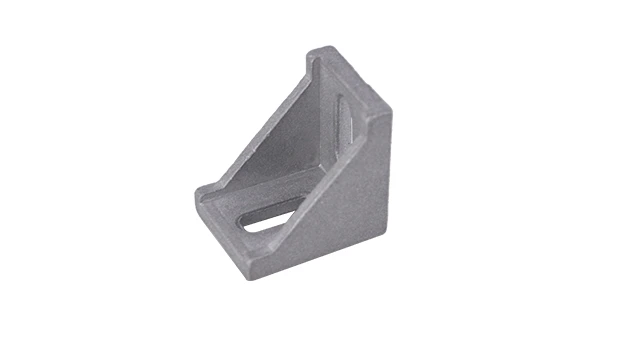
In the fast-paced world of healthcare, where precision, safety, and cleanliness are non-negotiable, the tools and environments that medical professionals rely on play a critical role in patient outcomes and operational efficiency. Among these tools, medical workstations stand out as the backbone of daily tasks—whether it's preparing medications, analyzing lab samples, or operating sensitive diagnostic equipment. But not all workstations are created equal. In settings where even the smallest trace of contamination can have life-altering consequences, the demand for workstations that prioritize sanitary standards without compromising functionality has never been higher. This is where innovations like the Gusset Alp 3030 come into play, revolutionizing how custom medical workstations are designed, built, and integrated into healthcare workflows.
Medical workstations face unique challenges: they must withstand frequent exposure to harsh disinfectants, resist corrosion from bodily fluids or chemicals, and provide a seamless, crevice-free surface that leaves no room for bacteria or pathogens to hide. Traditional workbenches, often made from wood, plastic laminates, or even standard steel, fall short in these areas—wood is porous and prone to harboring microbes, laminates can chip or peel over time, and uncoated steel may rust when exposed to moisture. For healthcare facilities striving to meet rigorous standards like ISO 13485 or FDA regulations, these limitations are more than just inconveniences; they're potential liabilities.
Enter the era of modular, medical-grade workstations built with precision-engineered components. At the heart of many of these solutions lies the Gusset Alp 3030, a yet indispensable accessory that bridges the gap between structural stability and sanitary design. When paired with high-quality aluminum profiles, ESD workstations, and lean pipe workbench systems, the Gusset Alp 3030 transforms ordinary workspaces into hubs of efficiency and safety. In this article, we'll explore how this small but mighty component is redefining custom medical workstations, why it's become a go-to for healthcare facilities, and how it ensures compliance with the strictest sanitary standards.
What Is Gusset Alp 3030, and Why Does It Matter in Medical Settings?
Before diving into its applications, let's demystify the Gusset Alp 3030. At first glance, it might seem like just another piece of hardware—but in reality, it's a linchpin in the structural integrity of modular workstations. A "gusset" is a flat, typically triangular piece of material used to reinforce joints where two or more components meet, distributing weight and reducing stress on connections. In the context of aluminum profile systems, gussets like the Gusset Alp 3030 are designed to fit specific profile sizes, ensuring a snug, secure fit that enhances stability without adding unnecessary bulk.
The "3030" in its name refers to its compatibility with 3030 aluminum profiles—the workhorses of modular construction. 3030 profiles are extruded aluminum beams with a square cross-section (30mm x 30mm), featuring T-slots along their length that allow for easy attachment of accessories like brackets, shelves, and, of course, gussets. These profiles are prized for their strength-to-weight ratio: they're lightweight enough to be easily reconfigured but robust enough to support heavy equipment, making them ideal for dynamic environments like hospitals or labs.
So, what sets the Gusset Alp 3030 apart from generic gussets? For starters, its material. Made from high-grade aluminum alloy (typically 6063-T5, a common choice for structural components), it offers exceptional corrosion resistance—a must in medical settings where daily cleaning with peroxide, alcohol, or bleach-based disinfectants is routine. Unlike steel gussets, which may require coating to prevent rust, aluminum gussets like the Gusset Alp 3030 are naturally resistant to oxidation, ensuring they maintain their integrity even after years of exposure to moisture and chemicals.
Another key feature is its design. The Gusset Alp 3030 is precision-machined to fit flush against 3030 profiles, with pre-drilled holes that align perfectly with the T-slots of the profile. This means no gaps, no overhangs, and no sharp edges—all critical for sanitary design. In medical workstations, even a tiny crevice between a gusset and a profile can become a breeding ground for bacteria. The Gusset Alp 3030 eliminates this risk by creating a smooth, continuous surface that's easy to wipe down with a cloth or disinfectant spray. Its edges are rounded to prevent snags on gloves or clothing, further enhancing safety for staff.
But perhaps its most valuable trait is its versatility. In modular systems, workstations are rarely static. Labs may need to reconfigure their layout to accommodate new equipment; hospitals might repurpose a workstation from a medication prep area to a sample processing station. The Gusset Alp 3030 supports this adaptability by allowing quick, tool-free adjustments. When paired with aluminum profile accessories like T-nuts and bolts, it can be loosened, repositioned, or removed entirely without damaging the underlying profile—making it easy to modify the workstation's structure as needs change. This flexibility is a game-changer for healthcare facilities, where budgets are tight and space is often at a premium.
To put its importance in perspective, consider a typical medical workstation: a bench with shelves, a monitor arm, and a storage cabinet, all built from 3030 aluminum profiles. Without gussets, the joints where the shelves meet the uprights or the cabinet attaches to the bench might wobble under the weight of equipment, leading to instability. Over time, this could cause components to shift, creating gaps or misalignments that compromise both safety and sanitation. The Gusset Alp 3030 reinforces these joints, ensuring the entire structure remains rigid even when loaded with heavy items like centrifuges, microscopes, or reagent bottles. In short, it's the difference between a workstation that feels flimsy and one that inspires confidence—critical in high-stakes environments where precision matters.
Aluminum Profiles and Accessories: The Foundation of Sanitary Workstations
While the Gusset Alp 3030 is a star player, it rarely works alone. To build a truly sanitary medical workstation, it must be paired with compatible aluminum profiles and accessories that share its commitment to cleanliness and durability. Aluminum profiles, in particular, are the backbone of these systems, and their properties make them uniquely suited for medical applications.
Aluminum profiles like the 3030 series are extruded using a process that creates a smooth, uniform surface with no pores or imperfections. Unlike wood, which can absorb liquids and harbor bacteria, or plastic, which may degrade under UV light or chemical exposure, aluminum is non-porous and inert. This means it doesn't react with most disinfectants, and it won't leach harmful substances into the environment—essential for workstations used in pharmaceutical preparation or sterile compounding.
The T-slots in aluminum profiles are another boon for sanitation. Traditional workbenches often use welded joints or screws that protrude from the surface, creating hard-to-clean crevices. With T-slots, accessories like shelves, hooks, or tool holders can be attached using internal fasteners (like T-nuts) that sit flush with the profile's surface. This eliminates protruding screws or bolts, reducing the number of "germ traps" on the workstation. When combined with the Gusset Alp 3030's flush-mount design, the result is a surface that's almost entirely seamless—easy to clean, and even easier to inspect for contamination.
Of course, no workstation is complete without accessories, and aluminum profile accessories are designed with the same principles in mind. Take, for example, the end caps used to seal the open ends of aluminum profiles. These caps, often made from food-grade plastic or rubber, prevent dust, liquids, or debris from accumulating inside the profile's hollow core. Similarly, cable management accessories—like T-slot covers or wire ducts—keep cords and cables organized and off the work surface, reducing clutter and making it easier to wipe down the area. Even something as simple as a plastic or aluminum handle, designed with a smooth, curved surface, contributes to the workstation's sanitary profile by eliminating grooves where dirt might collect.
To illustrate how these components work together, let's consider a basic medical workstation setup: a lean pipe workbench frame built from 3030 aluminum profiles, with a laminate top (ESD-safe, of course), a shelf for storage, and a monitor arm. The joints between the vertical and horizontal profiles are reinforced with Gusset Alp 3030 gussets, ensuring the frame doesn't wobble when the shelf is loaded with reagents. The shelf itself is attached using bracket accessories that slide into the T-slots of the profiles, secured with T-nuts and bolts that sit flush. The edges of the shelf are rounded, and the end caps on the profiles are firmly in place. When it's time to clean, a staff member can spray the entire surface with disinfectant, wipe it down with a microfiber cloth, and know that there are no hidden spots where bacteria might linger.
This level of integration is what makes aluminum profile systems, paired with components like the Gusset Alp 3030, so effective in medical settings. Every piece is designed to work in harmony, prioritizing both function and hygiene. It's not just about building a workstation—it's about building a system that supports the rigorous protocols of healthcare environments.

Custom Medical Workstations: Blending Lean Pipe Workbenches, ESD Workstations, and Gusset Alp 3030
Healthcare facilities aren't one-size-fits-all, and neither are their workstations. A lab processing blood samples has different needs than a pharmacy compounding IV medications, which in turn differs from an operating room's instrument prep station. This is where customization becomes critical—and where the combination of lean pipe workbenches, ESD workstations, and Gusset Alp 3030 truly shines.
Let's start with lean pipe workbenches. "Lean" here refers to lean manufacturing principles—maximizing efficiency, minimizing waste, and optimizing workflow. Lean pipe workbenches are built using modular components (often aluminum or steel pipes and joints) that can be quickly assembled, disassembled, or reconfigured. In medical settings, this translates to workstations that can adapt to changing needs: adding a shelf when more storage is needed, lowering the height for seated work, or even converting a static bench into a mobile cart with the addition of casters. When constructed with 3030 aluminum profiles and reinforced with Gusset Alp 3030 gussets, these workbenches become both flexible and rock-solid, able to support heavy loads without sacrificing stability.
Take, for example, a hospital pharmacy. Pharmacists need workstations that can hold pill counters, scales, vials, and labeling machines—all while providing enough surface area for compounding sterile medications. A lean pipe workbench built with 3030 profiles, reinforced with Gusset Alp 3030 at key joints, can be customized with adjustable shelves (using aluminum profile accessories like slide brackets), a pull-out drawer for tools, and a raised back panel to prevent items from falling off. The Gusset Alp 3030 ensures that even when the shelves are fully loaded with medication bottles, the frame doesn't flex, reducing the risk of spills or accidents. And because the bench is modular, if the pharmacy expands or adds new equipment, it can be easily extended by adding more profiles and gussets—no need to replace the entire workstation.
Then there are ESD workstations—critical in environments where electrostatic discharge (ESD) could damage sensitive equipment or compromise samples. ESD occurs when static electricity builds up on a surface and discharges suddenly, potentially frying circuit boards in diagnostic machines or altering the properties of delicate biological samples. ESD workstations are designed to dissipate static charge safely, typically through conductive materials and grounding systems. When paired with aluminum profiles and Gusset Alp 3030, these workstations become both ESD-compliant and sanitary.
Consider a lab using PCR machines to amplify DNA samples. The PCR process is highly sensitive to contamination, and the machines themselves are vulnerable to ESD. An ESD workstation for this application might feature a conductive laminate top (grounded via a wire connected to the aluminum frame), static-dissipative shelves, and grounding wrist straps for staff. The frame, built from 3030 aluminum profiles, acts as a natural conductor, channeling static charge away from the work surface. Gusset Alp 3030 gussets reinforce the joints, ensuring the frame remains stable even when technicians are moving equipment on and off the bench. The aluminum's non-porous surface resists chemical spills from reagents, and the seamless design (thanks to flush-mounted accessories and end caps) makes it easy to clean with ESD-safe disinfectants.
What's remarkable about these custom solutions is how the Gusset Alp 3030 ties everything together. Whether it's reinforcing a lean pipe workbench's load-bearing joints or ensuring an ESD workstation's frame remains grounded and stable, it plays a quiet but vital role in the workstation's performance. It's the kind of component that healthcare facilities don't notice until they need it—and once they do, they wonder how they ever managed without it.

Meeting Sanitary Standards: How Gusset Alp 3030 and Aluminum Profiles Stack Up
At the end of the day, the success of any medical workstation hinges on its ability to meet—and exceed—sanitary standards. Let's break down the specific ways that Gusset Alp 3030, aluminum profiles, and their accompanying accessories ensure compliance with regulations like ISO 13485 (medical device quality management), FDA 21 CFR Part 211 (current good manufacturing practice for pharmaceuticals), and CDC guidelines for healthcare environmental cleaning.
Material Safety: The first line of defense is the materials themselves. Aluminum profiles and Gusset Alp 3030 gussets are made from aluminum alloy, which is non-toxic, non-reactive, and approved for use in food and medical applications. Unlike some plastics, which may leach chemicals when exposed to heat or disinfectants, aluminum remains stable, ensuring no harmful substances migrate into samples or medications. Stainless steel components (from the stainless steel pipe series, for example) can be used in high-contact areas for added durability, but aluminum's lightweight nature makes it preferable for structural frames where weight is a concern.
Resistance to Disinfectants: Medical workstations are cleaned multiple times daily with aggressive chemicals. The Gusset Alp 3030's aluminum construction stands up to this abuse: it won't corrode when exposed to isopropyl alcohol, hydrogen peroxide, quaternary ammonium compounds, or even strong acids like vinegar (used in some natural cleaning protocols). This resistance ensures the workstation maintains its structural integrity over time, avoiding cracks or pitting that could harbor bacteria.
Seamless Design: As mentioned earlier, crevices and gaps are enemy number one in sanitary design. The Gusset Alp 3030's flush fit with 3030 profiles eliminates these gaps, creating a continuous surface that's easy to sanitize. Even the T-slots in aluminum profiles, which might seem like potential traps, are often covered with rubber or plastic strips (T-slot covers) that create a smooth, wipeable surface. When combined with rounded edges on accessories and tight-fitting end caps, the result is a workstation with minimal "nooks and crannies" for microbes to colonize.
Ease of Cleaning: Time is precious in healthcare, so workstations must be quick and easy to clean. Aluminum profiles and Gusset Alp 3030 gussets require no special tools or cleaners—just a damp cloth or disinfectant wipe. Their smooth surfaces prevent dirt and grime from adhering, meaning a quick wipe-down is often sufficient to remove contaminants. Compare this to wood workbenches, which may require scrubbing to remove stains, or painted steel, which can chip and require touch-ups to maintain hygiene.
Validation and Documentation: For regulated industries like pharmaceuticals, documentation is key. Reputable suppliers of aluminum profiles and accessories (including Gusset Alp 3030) provide material certificates, test reports, and compliance statements, making it easier for facilities to validate their workstations during audits. For example, a supplier might provide a certificate confirming that their aluminum profiles meet FDA requirements for food contact (even though the workstation is used for meds, this demonstrates a commitment to safety). Similarly, test data showing the Gusset Alp 3030's load capacity or corrosion resistance can help facilities prove that their workstations are fit for purpose.
To put this into perspective, let's compare a traditional wooden workbench with a custom aluminum profile workstation (featuring Gusset Alp 3030, ESD surface, and lean pipe components) using a hypothetical cleaning audit:
| Sanitary Criterion | Traditional Wooden Workbench | Aluminum Profile Workstation (with Gusset Alp 3030) |
|---|---|---|
| Surface Porosity | Porous; absorbs liquids and microbes | Non-porous; liquids bead and can be wiped away |
| Joint Design | Visible gaps between legs and top; glue lines may crack | Flush joints with Gusset Alp 3030; no gaps or cracks |
| Resistance to Disinfectants | May warp or discolor with frequent chemical use | Unaffected by standard medical disinfectants |
| Cleaning Time | 10–15 minutes (scrubbing, drying, inspecting gaps) | 2–3 minutes (wiping down smooth surfaces) |
| Microbial Testing Post-Cleaning | Potential for residual bacteria in pores/gaps | Consistently low microbial counts; easy to validate |
The difference is clear: aluminum profile workstations, with components like the Gusset Alp 3030, are engineered from the ground up to meet the demands of sanitary environments. They don't just "check the box" for compliance—they make compliance easier, freeing up staff to focus on patient care rather than fighting with hard-to-clean equipment.
Real-World Impact: How One Lab Transformed Its Workflow with Gusset Alp 3030
To truly understand the value of Gusset Alp 3030 in medical workstations, let's look at a real-world example (with identifying details changed for privacy). A mid-sized diagnostic lab in the Midwest was struggling with its sample processing area. Their existing workstations were a hodgepodge of wooden benches, metal shelving units, and plastic carts—all inherited from previous renovations. The biggest issues? Instability (the wooden benches wobbled when loaded with centrifuges), difficulty cleaning (gaps between shelves and frames trapped dust and spills), and ESD concerns (static discharge was interfering with sensitive testing equipment).
The lab's quality manager, tasked with bringing the facility up to ISO 13485 standards, decided to invest in custom workstations. After researching options, they partnered with a supplier specializing in aluminum profile systems, specifying lean pipe workbenches with ESD-safe surfaces, aluminum profiles, and Gusset Alp 3030 gussets for reinforcement. The goal was to create a modular, easy-to-clean workspace that could support their equipment and reduce contamination risks.
The transformation was dramatic. The new workstations, built with 3030 aluminum profiles and reinforced with Gusset Alp 3030 at every vertical-horizontal joint, were rock-solid—even when loaded with two centrifuges (each weighing ~50 lbs) and a row of sample racks. The ESD surface eliminated static issues, and the modular design allowed the lab to add a second shelf when they expanded their testing panel. But the biggest win was in cleaning: what used to take 20 minutes per workstation (scrubbing gaps, wiping down uneven surfaces) now took 5 minutes. The lab's microbial testing post-cleaning showed a 90% reduction in colony-forming units (CFUs), and staff reported feeling more confident in the safety of their work environment.
Perhaps most telling was the feedback from the lab technicians. "Before, I was always worried about knocking over samples when I moved the centrifuge," one technician noted. "Now the bench doesn't budge—even when I lean on it. And cleaning? It's so much easier. I can just spray and wipe, no more picking at crumbs in the corners." For the quality manager, the investment paid off in more than just compliance: "We've had two audits since installing the new workstations, and both auditors commented on how clean and well-organized the processing area is. The Gusset Alp 3030 might seem small, but it's the reason the benches feel so sturdy—and that stability translates to peace of mind for everyone here."
This example highlights a key point: the Gusset Alp 3030 isn't just a technical component—it's a tool that improves daily operations, reduces stress for staff, and ultimately contributes to better patient outcomes. When workstations are designed with both function and hygiene in mind, healthcare facilities can focus on what matters most: delivering high-quality care.
Maintenance and Longevity: Ensuring Your Workstation Stays Sanitary for Years
A well-designed medical workstation is an investment, and like any investment, it requires proper maintenance to ensure it continues to perform. The good news is that aluminum profile systems, paired with Gusset Alp 3030, are low-maintenance by nature—but a few simple steps can extend their lifespan and keep them sanitary for years to come.
Regular Cleaning: While aluminum profiles and Gusset Alp 3030 are easy to clean, consistency is key. Establish a daily cleaning protocol using approved disinfectants (check with your supplier for compatibility—most will provide a list of safe chemicals). For routine cleaning, a microfiber cloth dampened with disinfectant is sufficient; for tougher stains, a soft-bristled brush can be used (avoid abrasive pads, which may scratch the aluminum's anodized finish). Pay special attention to joints and T-slots, even though they're designed to be flush—occasional buildup of dust or residue can still occur, especially in high-traffic areas.
Inspect and Tighten Connections: Over time, the bolts securing Gusset Alp 3030 gussets or other accessories may loosen slightly due to vibration (e.g., from centrifuges or other equipment). Schedule monthly inspections to check that all fasteners are tight. Use a torque wrench if specified by the supplier to avoid over-tightening, which could strip the T-slots or damage the gusset. If a bolt is stripped or a gusset becomes bent (unlikely, but possible in a heavy impact), replace it immediately—don't wait for the joint to fail.
replace Worn Accessories: While aluminum profiles and Gusset Alp 3030 are durable, accessories like end caps, T-slot covers, or casters may wear out faster. End caps can crack from repeated impacts, and casters may lose their ability to lock over time. Keep a small stock of replacement parts on hand, and replace them at the first sign of wear. This not only maintains the workstation's sanitary profile but also prevents more costly damage (e.g., a missing end cap could allow liquids to seep into the profile, causing internal corrosion).
Avoid Overloading: Even with Gusset Alp 3030 reinforcement, every workstation has a load limit. Exceeding this limit can strain joints, bend profiles, or damage gussets. Refer to your supplier's load capacity charts (most will provide these for their profiles and gussets) and ensure staff are trained to distribute weight evenly. For example, don't place all heavy equipment on one end of a shelf—spread it out to reduce stress on the supporting brackets and gussets.
Plan for Reconfiguration: One of the benefits of modular workstations is their reconfigurability, but reconfiguring without care can lead to issues. When disassembling or modifying a workstation, take care to remove gussets and accessories properly—don't yank or force components, as this can bend profiles or strip T-slots. If you're unsure how to reconfigure safely, consult your supplier for guidance. They may even offer on-site support to ensure the job is done correctly.
By following these steps, healthcare facilities can ensure their Gusset Alp 3030-reinforced workstations remain sanitary, stable, and functional for 10+ years—far longer than traditional workbenches, which may need replacement every 3–5 years. In the long run, this translates to lower costs, fewer disruptions, and a more reliable workspace.
Conclusion: The Future of Medical Workstations Is Modular, Sanitary, and Gusset-Reinforced
As healthcare continues to evolve—with new technologies, stricter regulations, and a growing focus on infection control—the tools that support medical professionals must evolve too. Custom medical workstations are no exception, and the integration of components like the Gusset Alp 3030, aluminum profiles, and ESD workstations represents a significant step forward in how these workspaces are designed and built.
Gusset Alp 3030 may be small, but its impact is large. By reinforcing joints, enhancing stability, and contributing to a seamless, easy-to-clean design, it addresses the two biggest challenges in medical workstation design: functionality and sanitation. When paired with aluminum profiles (lightweight, corrosion-resistant, modular) and lean pipe workbenches (adaptable, efficient), it creates a system that not only meets today's standards but can adapt to tomorrow's needs.
For healthcare facilities considering a workstation upgrade, the message is clear: don't overlook the details. A gusset might seem like a minor component, but it's the kind of detail that separates a workstation that "works" from one that excels. By investing in quality components, prioritizing modularity, and focusing on sanitation, facilities can create workspaces that support staff, protect patients, and stand the test of time.
In the end, the goal of any medical workstation is simple: to provide a safe, efficient environment where healthcare professionals can do their best work. With Gusset Alp 3030 and aluminum profile systems, that goal is not just achievable—it's easier than ever.