- Company Articles
- Industry articles
- Industry standards
- Home Appliance Frames: Why 2020r EU Standard Aluminum Profile Is the Top Choice

Home Appliance Frames: Why 2020r EU Standard Aluminum Profile Is the Top Choice
Related Product
2020R EU Standard Aluminum Profile
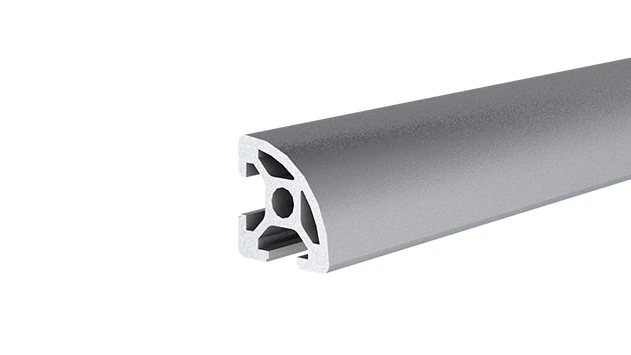
2020R is a 2.00 x 2.00CM fractional 20 series square extrusion T-slot profile with four open T-slots, two side with 2.00cm face, the other side with round face. The profile has align-a-grooves to assist in aligning connecting profiles.
We interact with home appliances every single day. That morning coffee from the microwave, the load of laundry in the washing machine, the cold drinks we grab from the fridge—these machines are silent workhorses in our homes. But have you ever stopped to think about what holds them together? Behind the sleek exteriors and fancy buttons lies an unsung hero: the frame. It's the backbone that keeps your appliances sturdy, protects their delicate internal parts, and even shapes how efficiently they work. And when it comes to choosing the right material for these frames, one option stands head and shoulders above the rest: the 2020r EU Standard Aluminum Profile. Let's dive into why this unassuming material has become the go-to choice for manufacturers crafting the appliances we rely on.
The Unsung Hero: Why Home Appliance Frames Matter More Than You Think
Before we talk about aluminum profiles, let's take a moment to appreciate just how critical appliance frames are. Think of a refrigerator: its frame has to support the weight of doors, shelves, and all the food inside, while also keeping the cold air in and the warm air out. A washing machine's frame must withstand the violent spinning of the drum during the spin cycle, all while staying stable and quiet. Even a small microwave oven relies on its frame to hold the heating elements, turntable, and control panel in place—no wobbly parts allowed when there's heat involved.
Manufacturers face a tough balancing act when designing these frames. They need to be: strong enough to handle daily wear and tear, lightweight so the appliance is easy to move (ever tried moving a heavy fridge alone?), durable to last for years (no one wants a frame that rusts or warps after a few months), cost-effective to keep appliance prices reasonable, and increasingly, sustainable to meet eco-friendly consumer demands. Oh, and let's not forget design flexibility —appliances come in all shapes and sizes these days, from slim countertop microwaves to French-door refrigerators, so the frame material needs to adapt.
For decades, manufacturers experimented with materials like steel, wood, and even plastic. But none quite hit the mark. Steel is strong, but it's heavy and prone to rust if not treated. Wood sounds warm, but it's a disaster in humid kitchens or laundry rooms. Plastic is lightweight, but it lacks the structural integrity needed for larger appliances. Enter aluminum extrusion profile—and more specifically, the 2020r EU Standard Aluminum Profile. It's like the Goldilocks of materials: not too heavy, not too weak, just right for almost every appliance frame need.
Aluminum Extrusion Profile: The Material That Changed the Game
Aluminum has been around for a while, but it's the extrusion process that makes it so versatile for appliance frames. Here's how it works: aluminum billets (think giant aluminum logs) are heated until they're soft but not melted, then forced through a die—a custom-shaped tool—that gives the aluminum its cross-sectional profile. Want a frame with T-slots for attaching panels? Or rounded edges for safety? The die can be designed to create almost any shape, which is why aluminum extrusion profile is a favorite for complex designs.
But why aluminum over other metals? Let's break down its superpowers:
- Lightweight but Strong: Aluminum is about 1/3 the weight of steel, but don't let that fool you—it's surprisingly strong. For appliance frames, this means easier handling during manufacturing, lower shipping costs (lighter appliances cost less to transport), and a product that's easier for consumers to install or move.
- Corrosion-Resistant: Aluminum naturally forms a thin oxide layer when exposed to air, which acts as a barrier against rust and corrosion. That's a big deal for appliances in damp environments, like washing machines in laundry rooms or refrigerators near sinks.
- Recyclable: Aluminum is 100% recyclable, and it retains 95% of its original energy when recycled. That's a huge win for sustainability—manufacturers can reduce their carbon footprint by using recycled aluminum, and consumers can feel good about choosing appliances made with eco-friendly materials.
- Design Flexibility: Thanks to extrusion, aluminum profiles can be made in almost any shape or size. Need a frame with built-in channels for wiring? Or slots for mounting glass doors? The extrusion process can handle it, which means appliances can be more innovative and aesthetically pleasing.
But not all aluminum profiles are created equal. That's where the 2020r EU Standard Aluminum Profile comes in. It's not just a random piece of aluminum—it's a precision-engineered, standardized product that checks all the boxes for home appliance frames.

Why 2020r EU Standard Aluminum Profile Beats the Competition: A Side-by-Side Comparison
To really see why 2020r EU Standard Aluminum Profile is the top choice, let's compare it to other common frame materials. We'll look at key factors that matter most to manufacturers and consumers:
| Material | Strength | Weight | Corrosion Resistance | Recyclability | Design Flexibility | Cost (Long-Term) |
|---|---|---|---|---|---|---|
| Steel | High (but heavy) | Very Heavy | Low (prone to rust without coating) | Medium (recyclable but high energy to process) | Low (hard to shape complex designs) | High (shipping + anti-rust treatments) |
| Wood | Low (weakens with moisture) | Medium | Very Low (swells/warps in humidity) | Medium (biodegradable but not reusable) | Medium (can be cut, but limited shapes) | High (needs treatments; short lifespan) |
| Plastic | Low (bends/cracks easily) | Light | High (resistant to moisture) | Low (most plastics aren't recycled) | High (moldable), but limited strength | High (short lifespan; not durable) |
| 2020r EU Standard Aluminum Profile | High (strength-to-weight ratio) | Lightweight | Very High (natural oxide layer) | Very High (100% recyclable, low energy to recycle) | Very High (extruded into custom shapes) | Low (durable, low shipping costs, recyclable) |
As you can see, aluminum profile outperforms the competition across almost every category. It's strong enough to support heavy appliances, light enough to keep them movable, resistant to the elements, easy to recycle, and flexible enough to fit any design. And while the upfront cost might be slightly higher than plastic, its durability and low maintenance make it cheaper in the long run—no need to replace frames every few years.
What Makes 2020r EU Standard Aluminum Profile So Special?
Now that we've established aluminum is a great material, let's zoom in on the 2020r EU Standard Aluminum Profile itself. The "2020r" might sound like a random code, but it's actually a precise specification that manufacturers love. Here's what it means:
- 20x20mm Cross-Section: The profile is 20 millimeters wide and 20 millimeters tall, making it compact enough for smaller appliances (like microwaves) but sturdy enough for larger ones (like refrigerators) when used in combinations.
- Rounded Edges ("r"): The edges are rounded, which is safer (no sharp corners during manufacturing or for consumers) and gives the frame a cleaner, more polished look—important for appliances that sit in visible parts of your home.
- EU Standard: This means the profile meets strict European union quality standards for material purity, dimensional accuracy, and performance. Manufacturers can trust that every batch will be consistent, which reduces production errors and ensures parts fit together perfectly.
- T-Slot Design: Most 2020r profiles have T-shaped slots along their length. These slots are game-changers—they let manufacturers easily attach panels, brackets, shelves, or even cable management systems without drilling holes. It's like having a built-in "attachment point" wherever you need it.
Imagine building a refrigerator frame with 2020r profiles. You can connect vertical and horizontal pieces using aluminum profile accessories like brackets or connectors, then slide a metal panel into the T-slot to form the outer shell. Need to add a shelf? Just attach a bracket to the T-slot. Want to route wires for the light inside? Run them through the slots. It's modular, efficient, and customizable—exactly what manufacturers need to keep up with changing appliance designs.
Another key benefit of the EU standard is interchangeability . If a manufacturer uses 2020r profiles from different suppliers (all meeting the EU standard), the parts will still fit together. No more "this bracket only works with that brand's profile" headaches. This standardization saves time, reduces costs, and ensures a smoother production process.
Lean System Integration: How 2020r Profiles Make Manufacturing More Efficient
Manufacturers don't just care about the material itself—they care about how easy it is to work with. That's where lean system principles come in. Lean manufacturing is all about reducing waste, streamlining processes, and increasing efficiency. 2020r EU Standard Aluminum Profile fits perfectly into this mindset, and here's why:
- Quick Assembly: Thanks to T-slots and aluminum profile accessories (like brackets and connectors), frames can be assembled in minutes instead of hours. No need for welding or drilling—just slide, clamp, and tighten. This speeds up production lines and reduces labor costs.
- Modular Design: If an appliance design changes (say, a new model of washing machine with a larger drum), manufacturers don't need to redesign the entire frame. They can just adjust the length of the 2020r profiles or add more sections. This flexibility reduces waste from outdated tooling or molds.
- Workbench Compatibility: In factories, 2020r profiles are often used to build workbenches where appliances are assembled. Since the workbenches and the appliance frames use the same material and accessories, it's easy to create custom jigs and fixtures to hold parts in place during assembly. Everything works together seamlessly.
- Easy Repairs: If a part of the frame gets damaged during production, it can be replaced quickly without taking apart the entire appliance. Just remove the damaged section, slide in a new 2020r profile, and reattach the accessories. This reduces downtime and keeps production on track.
One manufacturer I spoke with (who produces kitchen appliances) mentioned that switching to 2020r profiles cut their frame assembly time by 40%. "We used to spend hours welding steel frames and then painting them to prevent rust," they said. "Now, we just snap the aluminum profiles together with brackets. It's faster, cleaner, and we haven't had a single rust issue in years." That's the power of lean system integration—small changes in materials can lead to big improvements in efficiency.
Sustainability: Why 2020r Aluminum Profiles Are a Win for the Planet
These days, consumers don't just want appliances that work—they want appliances that are good for the planet, too. 2020r EU Standard Aluminum Profile delivers here, too, and it starts with aluminum's recyclability. Let's put it this way: producing aluminum from recycled materials uses 95% less energy than producing it from raw bauxite ore. That's a massive reduction in carbon emissions. And since aluminum can be recycled infinitely without losing quality, old appliance frames can be melted down and turned into new profiles, closing the loop on waste.
Compare that to plastic frames, which often end up in landfills (only 9% of plastic is recycled globally), or steel frames, which require energy-intensive mining and processing. Aluminum's sustainability isn't just a marketing talking point—it's a tangible benefit for brands looking to reduce their environmental impact. Many appliance companies now highlight their use of recycled aluminum in their sustainability reports, and consumers are taking notice. A recent survey found that 68% of shoppers are willing to pay more for products made with eco-friendly materials—and 2020r profiles help manufacturers meet that demand.
But sustainability isn't just about recycling. Aluminum's lightweight nature also reduces transportation emissions. A truck can carry more appliances when their frames are made of aluminum instead of steel, which means fewer trips and less fuel used. And since aluminum doesn't require toxic coatings (like anti-rust paints for steel), it's safer for factory workers and better for the environment during production.
Real-World Examples: How 2020r Profiles Are Used in Your Favorite Appliances
Let's get concrete—where exactly do you find 2020r EU Standard Aluminum Profiles in home appliances? Here are a few examples you might recognize:
- Refrigerator Door Frames: The inner frame of your fridge's door, which holds the shelves and door bins, is often made of 2020r profiles. They're lightweight, so the door is easy to open and close, and corrosion-resistant, so spills and humidity don't damage them.
- Washing Machine Control Panels: The frame that holds the buttons, display, and control board is usually 2020r aluminum. It needs to be strong enough to withstand being pressed and cleaned (hello, messy laundry rooms!) but lightweight to keep the machine balanced.
- Microwave Oven Interiors: The metal frame that supports the turntable and heating elements is often made of 2020r profiles. They're heat-resistant and easy to clean, which is essential for an appliance that gets hot daily.
- Dishwasher Racks: The sliding racks that hold your dishes? Their frames are often 2020r aluminum with plastic coatings. The aluminum keeps them strong, while the plastic prevents scratches on dishes.
One of the most innovative uses I've seen is in portable air conditioners . These appliances need to be lightweight enough to roll from room to room, but sturdy enough to hold the compressor and fan. 2020r profiles provide the perfect balance—strong enough to support the internal components, light enough to move with a caster wheel (another aluminum accessory!), and durable enough to handle being rolled over different floor types.
Why 2020r EU Standard Aluminum Profile Is More Than a Material—It's a Smart Choice
At the end of the day, home appliance frames might not be the most glamorous part of the products we buy, but they're critical to their performance, durability, and sustainability. The 2020r EU Standard Aluminum Profile stands out as the top choice because it checks every box: it's strong, lightweight, corrosion-resistant, recyclable, and flexible. It integrates seamlessly with lean manufacturing systems, reduces production costs, and helps brands create appliances that are both high-quality and eco-friendly.
Next time you open your refrigerator, start your washing machine, or heat up leftovers in the microwave, take a moment to appreciate the unsung hero holding it all together. Chances are, it's a 2020r EU Standard Aluminum Profile—quietly doing its job, making your daily life easier, and helping build a more sustainable future, one frame at a time.
So, to all the manufacturers out there: if you're looking to create appliances that stand out for quality, efficiency, and sustainability, look no further than 2020r EU Standard Aluminum Profile. And to consumers: when you're shopping for your next appliance, remember to ask about the frame material. You might just find that the ones with aluminum profiles are the ones that last the longest, work the best, and leave the smallest footprint on our planet.