- Company Articles
- Industry articles
- Industry standards
- How 3030a EU Standard Aluminum Profile Reduces Production Downtime

How 3030a EU Standard Aluminum Profile Reduces Production Downtime
Related Product
3030A EU Standard Aluminum Profile
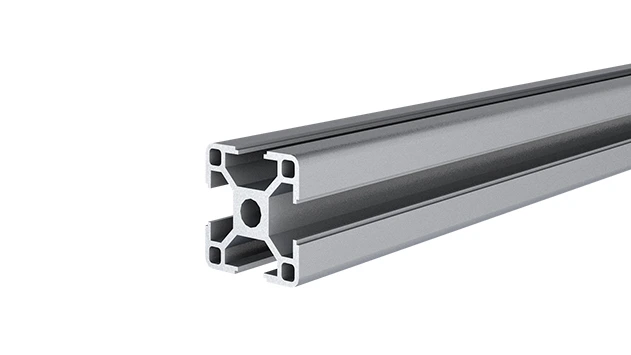
3030 is a 3.00 x 3.00CM fractional 30 series square extrusion T-slot profile with four open T-slots, each side with 3.00cm face. The profile has align-a-grooves to assist in aligning connecting profiles.
The Hidden Cost of Production Downtime: Why Every Minute Matters
Let's start with a scenario we've all heard (or lived through): A busy manufacturing floor, machines humming, teams rushing to meet a tight deadline. Then—*clunk*. A conveyor jams. A workbench leg gives way. A material rack collapses under the weight of components. Suddenly, everything grinds to a halt. Mechanics scramble with tools, production managers check their watches, and the clock keeps ticking. That's downtime, and it's not just an annoyance—it's a silent budget killer.
For manufacturers, downtime isn't just about lost minutes on the line. It's about missed shipments, overtime pay to catch up, and the domino effect of delays that ripple through the supply chain. According to industry reports, unplanned downtime can cost factories anywhere from $5,000 to $20,000 per hour, depending on the industry. Even planned downtime—for maintenance or reconfigurations—eats into profits if it drags on longer than necessary.
So, what causes most downtime? More often than not, it's the equipment itself. Flimsy workbenches that wobble and wear out. Rigid material racks that can't adapt to new product lines. Conveyor systems with clunky, hard-to-replace parts. Traditional solutions—think steel pipes, wooden frames, or one-size-fits-all plastic components—were never designed for the fast-paced, ever-changing needs of modern production. They break, they rust, they take hours (or days) to fix or reconfigure. And every second they're out of commission, your bottom line takes a hit.
But what if there was a solution that didn't just *react* to downtime—but *prevented* it? A system built to be durable, adaptable, and easy to maintain. Enter the 3030a EU standard aluminum profile —a hero that's quietly transforming how factories operate, one assembly line at a time.
Meet the 3030a EU Standard Aluminum Profile: More Than Just Metal
At first glance, the 3030a might look like any other piece of industrial aluminum. It's a sleek, silver extrusion, 30mm wide and 30mm tall, with a precise T-slot design running along its length. But don't let its simplicity fool you. This profile is the result of decades of engineering focused on one goal: making production smoother, faster, and more reliable.
What sets the 3030a apart? For starters, it's built to EU standards—meaning rigorous testing for strength, durability, and consistency. Unlike generic aluminum profiles that vary in quality batch to batch, the 3030a is manufactured with tight tolerances, ensuring every piece fits together perfectly. That precision might sound like a small detail, but in a factory, "close enough" often leads to wobbly structures, stuck components, and yes—downtime.
But the real magic of the 3030a lies in how it works with aluminum profile accessories . Think of the profile as the backbone, and the accessories as the muscles and joints that bring it to life. From brackets and end caps to connectors and hinges, these accessories are designed to snap, bolt, or slide into the 3030a's T-slots with minimal effort. No welding. No drilling. No specialized tools. Just quick, secure connections that let you build, modify, or repair structures in a fraction of the time it takes with traditional materials.
Let's put that in perspective: Imagine needing to reconfigure a workbench to accommodate a new product size. With a wooden workbench, you'd likely need to disassemble it, cut new boards, and reattach everything—hours of work. With steel, you'd be wrestling with heavy pipes and welding equipment. But with the 3030a and its accessories? Loosen a few bolts, slide in a new crossbar, tighten the brackets, and you're done. What used to take a morning now takes 20 minutes. That's downtime prevented, right there.

3 Key Features of 3030a That Slash Downtime
To understand why the 3030a is a downtime-fighting powerhouse, let's break down its most impactful features. These aren't just specs on a datasheet—they're real-world solutions to the problems that keep plant managers up at night.
1. Durability That Stands Up to the Grind (and Reduces Maintenance)
Aluminum is naturally resistant to corrosion, which is a game-changer in factories where spills, humidity, or chemicals are part of daily life. Unlike steel, which rusts and weakens over time, the 3030a maintains its strength even in harsh environments. That means fewer replacements, less frequent repairs, and fewer unexpected breakdowns.
But it's not just about corrosion. The 3030a's extrusion process creates a uniform, high-strength structure that can handle heavy loads without bending or warping. A typical 3030a profile can support up to 150kg per linear meter when properly installed—more than enough for most assembly line tools, components, or finished products. Compare that to plastic profiles, which crack under stress, or thin steel pipes that dent easily, and you'll see why the 3030a is a workhorse that keeps going, day in and day out.
And when maintenance is needed? The 3030a's smooth surface and modular design make cleaning and inspections a breeze. No more scrubbing rust off steel or patching splintered wood. A quick wipe down, a check of the accessories, and you're back to full speed.
2. Modularity: Adapt Fast, Without the Fuss
In today's manufacturing world, flexibility isn't optional. Product lines change, customer demands shift, and new technologies require new setups. Traditional rigid structures—like fixed steel racks or custom-built wooden workbenches—can't keep up. They're built for one purpose, and when that purpose changes, they become liabilities.
The 3030a, though, is modular by design. Its T-slot system lets you add, remove, or reposition accessories in seconds. Need to add a shelf to a material rack? Slide in a bracket, bolt it down, and you're done. Want to adjust the height of a workbench? Swap out the legs for longer ones—no cutting, no gluing, no hassle. This modularity means your equipment evolves with your needs, not against them.
Take roller tracks , for example. These are critical for moving materials smoothly along the production line, but they're also prone to jams if components are misaligned. With traditional roller tracks, fixing a jam might mean taking the entire system apart. With 3030a-based roller tracks, each roller is mounted on an adjustable bracket that slides in the T-slot. So if a roller starts to stick, you can loosen the bracket, realign it, and tighten—all without stopping the entire line for hours.
3. Compatibility with Lean Systems: Eliminating Waste, One Component at a Time
Lean manufacturing is all about eliminating waste—whether that's wasted time, wasted materials, or wasted effort. The 3030a fits hand-in-glove with lean principles because it's designed to reduce inefficiencies at every turn.
For starters, its lightweight design makes it easy to handle, reducing the physical strain on workers and cutting down on setup time. Its modularity means you only use the components you need—no overbuilding or excess materials. And because it's compatible with a wide range of accessories, you can create custom solutions tailored to your specific workflow, rather than forcing your process to fit a one-size-fits-all structure.
Consider a lean system focused on just-in-time production. With the 3030a, you can build material racks that hold exactly the right amount of inventory, positioned precisely where workers need them. No more walking to a distant storage area or sifting through excess parts. The result? Less motion waste, faster assembly times, and fewer opportunities for errors that cause downtime.
Real-World Applications: Where 3030a Shines Brightest
The 3030a isn't just a theoretical solution—it's proving its worth in factories, warehouses, and assembly lines around the world. Let's dive into two common applications where it's making the biggest difference in downtime reduction: workbenches and roller tracks.
Workbenches: The Heart of the Line, Rebuilt for Reliability
Workbenches are where the magic happens—assembly, testing, packaging. But they're also one of the most common sources of downtime. A wobbly workbench can lead to errors in assembly. A damaged surface might scratch delicate components. And a fixed height can slow down workers of different sizes, leading to fatigue and mistakes.
3030a-based workbenches solve all these issues. They're rock-solid stable, thanks to the profile's rigidity and adjustable feet (another handy accessory) that level out uneven floors. The T-slot system lets you mount tools, lights, bins, or monitors exactly where you need them, reducing clutter and streamlining workflow. And if a part of the bench gets damaged? Swap out the section—no need to replace the entire bench.
One electronics manufacturer we worked with recently shared a story: They'd been using particleboard workbenches that warped after spills, requiring full replacements every 6–8 months. Each replacement took 4 hours of downtime, plus the cost of the new bench. After switching to 3030a workbenches, they've had zero replacements in two years. When a spill damaged a section of the bench top, they simply unbolted the old panel, dropped in a new one, and were back to work in 15 minutes. That's a lot of downtime (and money) saved.
Roller Tracks: Smooth Material Flow, Minimized Hangups
Roller tracks are the arteries of a production line, moving components from station to station. When they jam, the whole line stalls. Traditional roller tracks often use plastic or steel rails that wear unevenly, leading to misaligned rollers and stuck materials. But 3030a-based roller tracks? They're a different beast.
The 3030a's precise dimensions ensure that roller brackets align perfectly, keeping rollers evenly spaced and moving smoothly. The aluminum rails resist warping, so the track stays straight even under heavy use. And because the 3030a is compatible with a variety of roller types—from steel to plastic—you can choose the right roller for your materials, whether you're moving heavy metal parts or delicate electronics.
A food packaging plant we partnered with had a problem: Their old steel roller tracks kept rusting, causing plastic containers to stick. They were cleaning and oiling the tracks weekly, but it only helped temporarily. After switching to 3030a tracks with plastic rollers, they eliminated rust entirely. The tracks now run smoothly 24/7, and maintenance time dropped from 2 hours a week to 15 minutes a month. That's over 90 hours of downtime saved per year—just from upgrading their roller tracks.
Traditional vs. 3030a: A Side-by-Side Comparison
Still not convinced the 3030a is worth the switch? Let's put it head-to-head with common alternatives. The table below compares key factors that impact downtime—maintenance frequency, assembly time, reconfiguration time, and durability.
| Factor | Traditional Steel Pipes | Wooden Structures | Plastic Profiles | 3030a Aluminum Profile |
|---|---|---|---|---|
| Maintenance Frequency | High (rust, welding repairs) | High (warping, splintering) | Medium (cracking, wear) | Low (corrosion-resistant, minimal wear) |
| Assembly Time (Workbench) | 4–6 hours (welding, drilling) | 2–3 hours (cutting, screwing) | 1–2 hours (gluing, snapping) | 30–45 minutes (bolt-on accessories) |
| Reconfiguration Time | 8+ hours (disassemble, reweld) | 3–4 hours (cut new parts, reassemble) | 1–2 hours (break and replace parts) | 15–30 minutes (adjust brackets, slide components) |
| Expected Lifespan | 2–3 years (with rust damage) | 1–2 years (with warping) | 1–3 years (with cracking) | 10+ years (with proper care) |
| Downtime Risk | High (sudden weld failures, rust jams) | High (sudden structural collapse) | Medium (cracking, misalignment) | Low (durable, modular repairs) |
The numbers speak for themselves. The 3030a outperforms traditional materials in every category that matters for downtime reduction. It's not just a better material—it's a smarter investment in your operation's efficiency.
Integrating 3030a Into Your Existing Setup: No Overhaul Required
One of the biggest concerns we hear from manufacturers is, "Won't switching to 3030a mean shutting down my line for a full overhaul?" The short answer: No. The 3030a is designed to play well with others, making it easy to integrate into your existing setup—even if you're using a mix of steel, wood, or plastic components.
Many aluminum profile suppliers offer adapters that let you connect 3030a profiles to steel pipes or wooden frames. This means you can start small—say, upgrading a single workbench or roller track—and expand gradually as you see the benefits. No need to halt production for days. Just swap out one component at a time, during scheduled maintenance windows, and build momentum as downtime decreases.
A automotive parts manufacturer we worked with took this approach. They started by upgrading their most problematic area: a material rack that kept collapsing under heavy engine parts. They replaced the wooden shelves with 3030a and aluminum profile accessories, and within a month, they noticed fewer delays from fallen parts. Encouraged, they upgraded their roller tracks next, then their workbenches. Over six months, they transformed their line with zero unplanned downtime—and saw a 35% reduction in total downtime overall.
Beyond Downtime: The Ripple Effects of Choosing 3030a
Reducing downtime is the most obvious benefit of the 3030a, but its impact doesn't stop there. When you upgrade to 3030a, you're not just fixing a problem—you're unlocking a cascade of positive changes that boost your entire operation.
First, happier workers. Nothing frustrates a team more than fighting with unreliable equipment. When workbenches are stable, roller tracks glide smoothly, and tools are always within reach, morale gets a lift. Workers feel valued, and productivity rises as a result.
Second, better quality control. Wobbly workbenches lead to shaky hands, which lead to errors. Smooth roller tracks prevent jostled components, reducing defects. With the 3030a, you're not just making products faster—you're making them better.
Third, future-proofing your operation. The manufacturing landscape is always changing, with new technologies and processes emerging. The 3030a's modularity means you can adapt to these changes without reinvesting in entirely new equipment. Whether you're adding automation, shifting to smaller batch sizes, or expanding your product line, the 3030a grows with you.
Conclusion: Invest in 3030a, Invest in Efficiency
Downtime isn't inevitable. It's a choice—between sticking with outdated, unreliable equipment, or upgrading to solutions that are built to perform. The 3030a EU standard aluminum profile isn't just a piece of metal. It's a tool that empowers your team to work faster, smarter, and with fewer interruptions.
From its durable, corrosion-resistant design to its modular, easy-to-use accessories, the 3030a is engineered to reduce downtime at every turn. It's compatible with lean systems, integrates seamlessly with existing setups, and delivers benefits that extend far beyond the production line—happier workers, better quality, and a more adaptable operation.
So, the next time your line grinds to a halt because of a broken workbench or jammed roller track, ask yourself: Is this really unavoidable? Or is it time to switch to a solution that works *with* you, not against you? The 3030a isn't just an upgrade—it's an investment in your factory's future. And in manufacturing, the future belongs to those who minimize downtime and maximize efficiency.
Ready to see the difference 3030a can make? Start small, think big, and watch your downtime shrink—one aluminum profile at a time.