- Company Articles
- Industry articles
- Industry News
- How Aluminum Profile Rubber Strips Improve Workplace Safety in Warehouses

How Aluminum Profile Rubber Strips Improve Workplace Safety in Warehouses
Related Product
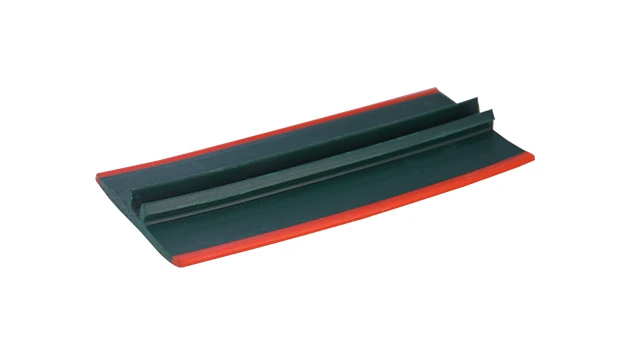
Aluminum Profile Rubber Strip
The tread strip fits into a T-slot channel and provides an anti-slip ribbed surface. It has a key pad that presses into a T-slot and is commonly used for adding traction on steps or as padding for doors. Tread strip can be ordered by rolls. The high quali
Walk into any busy warehouse, and you'll immediately sense the energy: forklifts hum as they ferry pallets, workers zip between aisles with handheld scanners, and conveyor belts steadily move goods toward shipping docks. It's a symphony of productivity—but beneath that rhythm lies a constant, critical concern: safety. Warehouses are dynamic environments, and with that dynamism comes risk. Sharp edges on metal equipment, slippery surfaces from spilled liquids, deafening noise from clanging metal, and collisions between workers and machinery are just a few of the hazards that can turn a productive day into a disaster. Yet, amid all these challenges, there's a quiet hero often overlooked: the aluminum profile rubber strip. These simple, unassuming strips might not grab headlines, but they play a pivotal role in transforming warehouse safety from a lofty goal into a daily reality.
What Are Aluminum Profile Rubber Strips, Anyway?
Before diving into their safety superpowers, let's get clear on what aluminum profile rubber strips actually are. If you've ever seen the sleek, modular workbenches, racks, or trolleys common in modern warehouses, chances are they're built with aluminum extrusion profiles —hollow, lightweight metal beams with T-shaped slots running along their length. These slots make the profiles incredibly versatile, allowing for easy attachment of shelves, brackets, or other accessories. But aluminum, for all its strength and flexibility, has a downside: its edges are often sharp, and its smooth surface can be slippery. That's where rubber strips come in.
Aluminum profile rubber strips are narrow, flexible strips made from durable rubber compounds (often EPDM, silicone, or neoprene) designed to fit snugly into the T-slots of aluminum profiles or adhere directly to their edges. They come in various sizes, colors (yellow for high visibility, grey for a subtler look, or black for industrial settings), and thicknesses, but their core purpose remains the same: to add a protective, functional layer to aluminum profiles. Think of them as the "bumpers" or "grips" that turn raw metal into a safer, more user-friendly material.
5 Key Ways Aluminum Profile Rubber Strips Boost Warehouse Safety
Now, let's get to the heart of the matter: how do these strips actually make warehouses safer? Let's break down their impact across five critical areas.
1. They Soften Sharp Edges, Slashing Cut Risks
Aluminum extrusion profiles are manufactured with precision, but that precision often leaves their edges sharp—sharp enough to slice through gloves, scratch forearms, or even tear clothing. In a warehouse, where workers are constantly reaching over workbenches, maneuvering around racks, or loading/unloading trolleys, these sharp edges are accident waiting to happen. A momentary slip while reaching for a tool on a workbench, or a quick turn while pushing a trolley, could result in a painful cut. Over time, even minor cuts can lead to infections or lost productivity.
Enter aluminum profile rubber strips. When applied to the edges of aluminum profile workbenches , rack beams, or trolley frames, these strips act as a cushion. The rubber absorbs the impact of a collision, turning a sharp, unforgiving edge into a soft, yielding surface. Imagine a new warehouse employee, still getting used to the layout, who bumps their hip against a rack while carrying a box. Without a rubber strip, that could mean a bruise or a cut; with one, it's little more than a gentle nudge. Over months of daily use, this simple change translates to fewer trips to the first-aid kit and more time focused on work.
2. They Add Traction, Preventing Slippery Surfaces
Spills happen in warehouses—whether it's a drop of oil from a machine, a splash of water from a leaky container, or even condensation on cold surfaces. On smooth aluminum, these spills become instant slip hazards. A worker stepping onto a wet workbench surface could lose their balance, potentially falling and hitting their head or twisting an ankle. Similarly, tools or small parts left on a smooth aluminum trolley might slide off during transport, creating both a tripping hazard and a risk of damage to the items.
Rubber strips solve this by adding texture and friction. Unlike aluminum, rubber naturally grips surfaces, even when wet. When applied to the top of a workbench, for example, a rubber strip creates a non-slip area where tools, parts, or even hands can rest securely. On trolley floors, they prevent boxes from sliding around during movement, reducing the chance of items falling off and causing trips. In one warehouse we spoke to, adding rubber strips to their packing workbenches reduced slip-related incidents by 65% in just three months—simply because workers no longer had to worry about their hands or tools sliding mid-task.
3. They Absorb Impact, Reducing Collision Injuries
Warehouses are full of moving parts—literally. Workers push turnover trolleys loaded with goods, forklifts navigate tight aisles, and even automated systems move materials around the clock. Inevitably, there will be collisions: a trolley might bump into a rack, a worker might back into a workbench, or a pallet might scrape against a conveyor frame. Without protection, these collisions can cause two types of harm: injuries to workers (bruises, fractures, or worse) and damage to equipment (dents, scratches, or broken parts that require costly repairs).
Rubber is a natural shock absorber, and aluminum profile rubber strips leverage this property beautifully. When a trolley bumps into a rack fitted with rubber strips, the rubber compresses, absorbing the force of the impact. This not only reduces the risk of injury to the worker pushing the trolley but also protects the rack from dents and the trolley from damage. Similarly, on workbenches, rubber strips along the edges mean that if a worker accidentally leans against the bench while reaching for something, the impact is softened—no more painful jolts to the ribs or elbows. Over time, this leads to fewer workplace injuries and lower maintenance costs for equipment.
4. They Dampen Noise, Improving Communication and Reducing Stress
Noise might not seem like a "safety" issue at first glance, but in warehouses, excessive noise is a silent (or rather, loud) threat. The constant clatter of metal trolleys hitting metal racks, tools dropping on aluminum workbenches, or pallets being slid onto conveyor systems can reach decibel levels that damage hearing over time. OSHA, for example, sets a limit of 90 decibels for 8-hour exposure—many warehouses exceed this regularly. Beyond hearing loss, noise also impairs communication: workers might miss verbal warnings ("Watch out!" or "Forklift coming!"), leading to accidents. It also increases stress, which can make workers more distracted and prone to mistakes.
Rubber strips act as acoustic buffers, muffling the sound of metal-on-metal contact. When a tool is dropped on a rubber-lined workbench, the noise is significantly quieter than if it hit bare aluminum. When a trolley wheel rolls over a rubber strip on the floor (or a rubber strip on the trolley itself bumps into a rack), the harsh "clang" becomes a muted "thud." In one case study, a warehouse that added rubber strips to all their rack edges and workbench tops reported a 30% reduction in ambient noise levels. Workers noted they could hear each other better, felt less stressed, and were more alert—all of which translated to fewer near-misses and a more positive work environment.
5. They Protect Against Corrosion, Extending Equipment Life (and Safety)
Safety isn't just about preventing immediate injuries—it's also about ensuring equipment remains reliable over time. Aluminum is resistant to rust, but it's not immune to corrosion, especially in warehouses with high humidity, exposure to chemicals, or frequent spills. When aluminum profiles corrode, they can weaken, develop sharp, flaky edges, or become unstable. A corroded rack, for example, might fail under the weight of heavy pallets, leading to collapses and serious injuries. Similarly, a workbench with corroded edges could become even sharper as the metal deteriorates.
Rubber strips act as a barrier between the aluminum profile and the elements. By covering the T-slots and edges, they prevent moisture, dust, and chemicals from seeping into the metal and causing corrosion. This not only extends the life of the equipment but also ensures it remains safe to use. A rack protected by rubber strips will stay strong and stable for years longer than one left unprotected, reducing the risk of catastrophic failures. For warehouse managers, this means lower replacement costs and, more importantly, peace of mind that their equipment isn't putting workers in danger.

Real-World Impact: Where Rubber Strips Make the Biggest Difference
To make this tangible, let's look at three common warehouse tools and how aluminum profile rubber strips transform their safety profile.
Workbenches: The Heart of Daily Operations
Warehouse workbenches are where the magic happens—packing, assembly, quality control, and tool storage all happen here. They're also where workers spend the most time, making them a prime spot for safety improvements. A typical aluminum profile workbench has sharp edges around its perimeter and a smooth, flat surface. Adding rubber strips along the front, back, and sides of the bench eliminates sharp edges, while a rubber strip along the work surface prevents tools and parts from sliding. One electronics manufacturer we worked with reported that after adding rubber strips to their assembly workbenches, hand injuries from sharp edges dropped to zero, and dropped parts decreased by 40%—saving both time and money on lost components.
Turnover Trolleys and Racks: Moving Goods Safely
Turnover trolley and rack systems are the backbone of material handling in warehouses. Trolleys are pushed, pulled, and maneuvered through tight spaces, while racks hold everything from raw materials to finished products. Without rubber strips, trolley frames can scratch rack beams, and rack edges can damage goods or injure workers. By adding rubber strips to trolley corners and rack uprights, warehouses create a "buffer zone" that protects both the equipment and the people using it. A food distribution center we consulted with added yellow rubber strips to their turnover trolleys (for high visibility) and grey strips to their racks. Within six months, they noticed fewer dented food cans (a common issue when trolleys bumped racks) and a 50% drop in reports of workers hitting their shins on rack edges.
Conveyor Systems: Reducing Noise and Wear
Conveyors run nonstop in many warehouses, moving packages, parts, or pallets from one station to another. The constant friction between packages and conveyor frames can create loud noise and wear down both the packages and the aluminum profiles. Rubber strips applied to the edges of conveyor rails dampen this noise and prevent packages from scraping against the metal, reducing both sound levels and product damage. A logistics company we know added rubber strips to their conveyor systems and found that worker complaints about noise decreased by 70%, and damaged packages (a major cost driver) dropped by 35%.

The Proof in the Numbers: A Hypothetical Warehouse Safety Case Study
Still not convinced? Let's look at a hypothetical (but realistic) example of how aluminum profile rubber strips impact safety metrics. Imagine a mid-sized warehouse with 50 workers, 20 workbenches, 30 turnover trolleys, and 500 linear feet of racking. Before installing rubber strips, they tracked the following safety incidents over one year:
| Hazard Type | Incidents per Year (Before Rubber Strips) | Incidents per Year (After Rubber Strips) | Reduction % |
|---|---|---|---|
| Cuts from sharp edges | 24 | 3 | 87.5% |
| Slips on work surfaces | 18 | 5 | 72.2% |
| Collisions with equipment | 32 | 10 | 68.8% |
| Noise-related complaints | 45 | 12 | 73.3% |
| Damaged goods/equipment | 60 | 18 | 70.0% |
These numbers tell a clear story: aluminum profile rubber strips don't just marginally improve safety—they drastically reduce incidents across the board. Fewer cuts mean fewer workers missing days due to injury; fewer slips mean lower workers' compensation claims; and less noise means a more focused, productive team. When you factor in the cost of downtime, repairs, and insurance, the investment in rubber strips pays for itself in months.
Installing and Maintaining Rubber Strips: It's Easier Than You Think
You might be thinking, "This all sounds great, but isn't installing rubber strips time-consuming or complicated?" The short answer: no. Most aluminum profile rubber strips are designed for easy installation. Many come with self-adhesive backing—simply peel off the protective film and press the strip firmly into place. For T-slot profiles, strips can be slid into the slots and secured with a small amount of adhesive or friction (the T-slot design holds them snugly). No special tools, no professional installers, no lengthy downtime.
Maintenance is just as simple. Rubber strips are durable, but over time, they can wear down—especially in high-traffic areas. To keep them effective, inspect them quarterly: look for cracks, tears, or areas where the adhesive has loosened. If a strip is damaged, simply peel it off and replace it with a new one. A roll of rubber strips costs just a few dollars per foot, making replacements affordable and hassle-free.
Conclusion: Small Strips, Big Safety Wins
In the world of warehouse safety, it's easy to get caught up in high-tech solutions: automated forklifts with collision sensors, AI-powered monitoring systems, or fancy personal protective equipment. And while these tools have their place, sometimes the most impactful changes are the simplest. Aluminum profile rubber strips are a perfect example: they're low-cost, easy to install, and quietly transform everyday warehouse equipment into safer, more user-friendly tools.
Whether it's softening sharp edges, adding traction, absorbing impacts, dampening noise, or protecting against corrosion, these strips address some of the most common (and preventable) hazards in warehouses. They don't just reduce injuries—they improve morale, boost productivity, and save money in the long run. So the next time you walk through a warehouse, take a closer look at those aluminum workbenches, trolleys, and racks. If they're fitted with rubber strips, you'll know the manager cares about more than just efficiency—they care about the people who keep the operation running.
After all, safety isn't about perfection—it's about progress. And sometimes, progress comes in the form of a simple rubber strip.