- Company Articles
- Industry articles
- Industry News
- How Plastic Pipe Covers Enhance Safety in Automotive Production Lines

How Plastic Pipe Covers Enhance Safety in Automotive Production Lines
Related Product
Plastic Pipe Cover
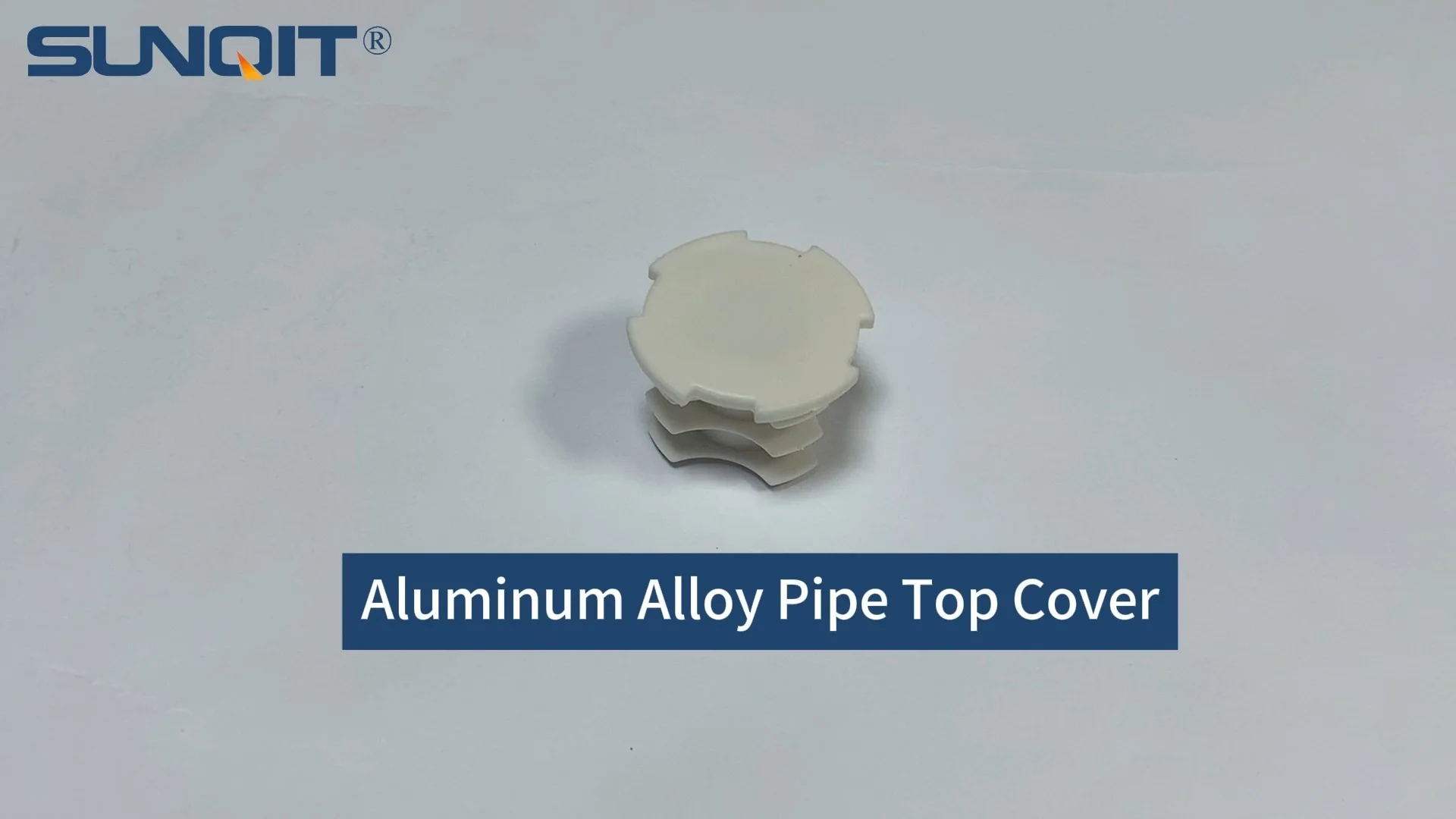
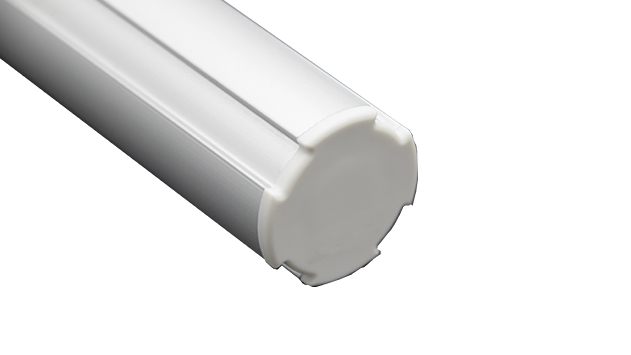
Plastic pipe cover to cover dia 28MM aluminum pipe end at workbench, flow rack, to prevent metal surface scratch material or worker.
How Plastic Pipe Covers Enhance Safety in Automotive Production Lines
Walk into any automotive production line, and you'll be met with a symphony of movement: robotic arms assembling components, workers maneuvering parts on trolleys, and conveyor belts ferrying materials from station to station. It's a world where precision and speed are non-negotiable—but so is safety. In this high-stakes environment, even the smallest oversight can lead to costly injuries, downtime, or disruptions to the entire workflow. One often-overlooked hero in maintaining this balance? Plastic pipe covers. These unassuming components play a critical role in safeguarding workers, protecting equipment, and keeping production lines running smoothly. Let's dive into how they make a difference, and why they've become a staple in modern automotive manufacturing.
What Are Plastic Pipe Covers, Anyway?
Before we explore their impact, let's clarify what plastic pipe covers are. Simply put, they're protective sleeves or casings designed to wrap around exposed pipes, tubes, or structural supports in industrial settings. Made from durable materials like PVC, polyethylene, or polypropylene, they're engineered to be flexible, lightweight, and resistant to wear and tear. Unlike rigid metal covers, they conform easily to different pipe shapes and sizes, making them versatile for various applications—from covering lean pipe structures on workbenches to shielding roller track components in material handling systems.
But their design isn't just about protection. Many plastic pipe covers come in bright, colors (think yellow, red, or orange) for visual cues, helping workers quickly identify hazards or designated zones. Some even feature textured surfaces for better grip, or chemical-resistant coatings to withstand oils, coolants, and cleaning agents common in automotive plants. It's this combination of functionality and adaptability that makes them indispensable.
Plastic Pipe Covers and the Lean System: A Safety Partnership
Automotive manufacturers worldwide rely on lean system principles to eliminate waste, boost efficiency, and streamline operations. At its core, lean manufacturing isn't just about cutting costs—it's about creating a workspace where every process adds value, and risks are minimized. This is where plastic pipe covers shine. By addressing common safety hazards, they directly support two key lean goals: reducing downtime (caused by accidents) and improving worker well-being (which boosts productivity and morale).
Consider this: In a lean system, "waste" includes anything that doesn't contribute to the final product—including injuries, equipment damage, or workflow interruptions. A single trip over an exposed pipe, for example, could lead to a worker injury, halted production, and costly workers' compensation claims. Plastic pipe covers eliminate this waste by turning potential hazards into non-issues. They also align with lean's focus on continuous improvement: by making safety visible and proactive, they foster a culture where workers feel empowered to identify and address risks before they escalate.

Safety Benefits in Action: How Plastic Pipe Covers Protect Your Team and Line
Let's get specific. How exactly do these covers enhance safety on the production floor? Let's break it down into real-world scenarios you might encounter in an automotive plant.
1. Preventing Physical Injuries: No More Scrapes, Bruises, or Trips
Exposed metal pipes or sharp-edged lean tube structures are everywhere in production lines—supporting workbenches, framing material racks, or forming the backbone of assembly stations. Over time, these pipes can develop burrs, rust, or sharp edges from constant use. A worker reaching across a workbench to grab a tool might accidentally brush against an unprotected pipe, resulting in a cut or scrape. Worse, loose or protruding pipes can catch on clothing, gloves, or hair, leading to more serious injuries.
Plastic pipe covers act as a buffer. Their soft, rounded edges eliminate sharp surfaces, turning a potential hazard into a harmless barrier. Take a typical workbench in an automotive assembly area: the frame is often built with aluminum lean pipe or stainless steel tubing. Wrapping these pipes in plastic covers transforms the workbench from a collection of hard, unforgiving edges into a safer, more worker-friendly space. Even in high-traffic areas, where workers move quickly between stations, the covers reduce the risk of bumps and bruises—keeping the team focused on the task, not on avoiding injuries.
Trips and falls are another major concern. Loose pipes or cables running along the floor are classic trip hazards, especially in busy zones where material trolleys, caster wheel-equipped carts, and workers are constantly on the move. Plastic pipe covers can be used to bundle and secure these lines, creating a smooth, flush surface that blends into the floor. Some covers even have adhesive backing or interlocking designs, ensuring they stay in place even under heavy foot traffic. The result? Fewer accidents, and a production line where movement feels confident and unobstructed.
2. Protecting Equipment: Extending Lifespan, Reducing Downtime
Safety isn't just about protecting people—it's about protecting the equipment that keeps the line running. Exposed pipes and tubes are vulnerable to damage from flying debris, accidental impacts, or corrosion. A stray wrench dropped from a workbench, for example, could dent a metal pipe, weakening its structural integrity. Over time, this wear and tear can lead to costly repairs, unplanned downtime, or even equipment failure.
Plastic pipe covers act as a first line of defense. Their tough outer layer absorbs impacts, preventing dents, scratches, or cracks in the underlying pipes. This is especially critical for components like roller track systems, which rely on smooth, unobstructed movement to transport parts between stations. A damaged roller track—say, a pipe bent by a misplaced pallet—could jam the entire line, bringing production to a halt. By covering these tracks with plastic sleeves, manufacturers shield them from debris, tool impacts, and general wear, ensuring they operate smoothly for longer.
They also help prevent corrosion. In automotive plants, pipes are often exposed to moisture, oils, and chemicals. Over time, this can cause rust or degradation, weakening the structure. Plastic covers create a barrier, repelling liquids and preventing direct contact with the pipe surface. For stainless steel pipe series or aluminum lean pipe components, this means less maintenance, fewer replacements, and a longer lifespan for critical equipment.
3. Enhancing Mobility Safety: Keeping Caster Wheels Rolling Smoothly
Mobility is the lifeblood of automotive production. Trolleys, carts, and material handlers equipped with caster wheels move parts, tools, and assemblies across the floor, keeping the line supplied and efficient. But with mobility comes risk: a caster wheel catching on an exposed pipe joint or a loose cable can cause the cart to tip, spill its load, or even injure the worker pushing it.
Plastic pipe covers eliminate these snags. By covering pipe joints, connectors, or protruding brackets, they create a seamless, obstacle-free path for caster wheels. Imagine a turnover trolley loaded with heavy engine components: its caster wheels rely on smooth surfaces to roll easily. If the path is littered with exposed lean pipe joints or sharp edges, the wheels could get stuck, forcing the worker to exert extra force—or worse, lose control. With plastic covers, the trolley glides without resistance, reducing physical strain on workers and minimizing the chance of accidents.
Even in tight spaces, like between workbenches or around robotic cells, plastic covers ensure that caster wheel-equipped equipment can maneuver safely. Their flexibility allows them to fit into awkward corners or around complex pipe configurations, leaving no gaps for wheels to catch. It's a small detail, but one that makes a big difference in keeping the line moving—and workers safe.

Why Plastic? Comparing Covers to Other Materials
You might be wondering: Why plastic? Couldn't metal, rubber, or foam covers work just as well? Let's take a closer look at how plastic pipe covers stack up against alternatives in key areas like safety, durability, and cost.
| Feature | Plastic Pipe Covers | Metal Covers | Rubber/Foam Covers |
|---|---|---|---|
| Safety (Impact Protection) | High: Soft, flexible material absorbs impacts; no sharp edges. | Low: Rigid and hard; can cause injury if hit with force. | Medium: Soft but less durable; may tear under heavy use. |
| Durability | High: Resistant to wear, chemicals, and moisture; long lifespan. | High: Strong but prone to rust/corrosion without coatings. | Low: Prone to tearing, melting, or degradation from oils/chemicals. |
| Installation & Flexibility | Easy: Lightweight, cuts with standard tools; conforms to shapes. | Hard: Heavy, requires welding or bolts; inflexible for odd shapes. | Easy: Lightweight but may stretch or lose shape over time. |
| Cost-Effectiveness | High: Affordable upfront; low maintenance; long-term savings. | Low: Expensive upfront and for installation/repairs. | Medium: Cheap upfront but needs frequent replacement. |
| Visual Safety Cues | Excellent: Available in bright colors for hazard identification. | Poor: Limited color options; often requires painting (prone to chipping). | Good: Colorful but colors fade over time with exposure. |
As the table shows, plastic pipe covers offer a sweet spot of safety, durability, and practicality. They're affordable enough to implement across the entire production line, flexible enough to adapt to different equipment, and tough enough to withstand the rigors of automotive manufacturing. For a lean system focused on efficiency, they're a cost-effective investment in long-term safety and productivity.
Real-World Impact: A Case Study in Automotive Safety
To put this in perspective, let's consider a hypothetical but realistic scenario: a mid-sized automotive parts manufacturer with a production line struggling with frequent minor injuries. Over six months, the plant reported 12 incidents—mostly scrapes from exposed lean pipe edges on workbenches, and two trips from loose roller track components. Each incident led to lost work hours, worker frustration, and brief production delays.
The safety team decided to trial plastic pipe covers on a critical section of the line: the assembly workbenches, material racks, and roller track systems. They chose bright yellow covers for high-traffic areas and red for zones near robotic cells (to signal caution). Within three months, the results were clear: zero injuries in the covered section. Workers reported feeling more confident moving around the line, and the maintenance team noted fewer requests for pipe repairs or roller track adjustments.
Encouraged, the plant expanded the program to cover all exposed pipes and structural supports. A year later, total incidents dropped by 75%, and production downtime due to safety issues fell by 90%. The investment in plastic pipe covers paid for itself within six months, thanks to reduced workers' compensation claims and improved productivity. It's a story repeated in plants worldwide: small, proactive safety measures lead to big, lasting results.
Installation and Maintenance: Keeping Covers Effective
Plastic pipe covers are easy to install, but proper application is key to their effectiveness. Here are a few best practices:
- Measure Twice, Cut Once: Ensure covers are sized correctly for the pipe diameter—too loose, and they'll slip; too tight, and they may tear. Most manufacturers provide size charts for common lean pipe, aluminum pipe, and stainless steel pipe series.
- Clean Pipes First: Wipe down pipes to remove dirt, oil, or rust before installing covers. This ensures a snug fit and prevents debris from getting trapped, which could cause wear.
- Secure Loose Ends: Use adhesive tape, zip ties, or specialized clips to secure cover ends, especially on moving parts like roller track systems. This prevents covers from sliding or coming off during operation.
- Inspect Regularly: As part of your lean system's maintenance routine, check covers for cracks, tears, or discoloration. replace damaged covers promptly—even a small hole can expose the pipe underneath.
With minimal effort, plastic pipe covers will continue to protect your team and equipment for years.
Conclusion: Small Covers, Big Safety Wins
In the fast-paced world of automotive production, safety can't be an afterthought. It's the foundation of a productive, efficient, and sustainable operation. Plastic pipe covers may seem like a small detail, but their impact is significant: they prevent injuries, protect equipment, support lean system goals, and keep production lines running smoothly. By investing in these simple, cost-effective solutions, manufacturers send a clear message to their teams: "Your safety matters."
So the next time you walk through a production line, take a moment to notice the plastic pipe covers. They're not just covering pipes—they're covering the people who make automotive manufacturing possible. And in the end, that's the most valuable protection of all.