- Company Articles
- Industry articles
- Industry standards
- How to Choose 2020 EU Standard Aluminum Profile for Turnover Carts

How to Choose 2020 EU Standard Aluminum Profile for Turnover Carts
Related Product
2020 EU Standard Aluminum Profile
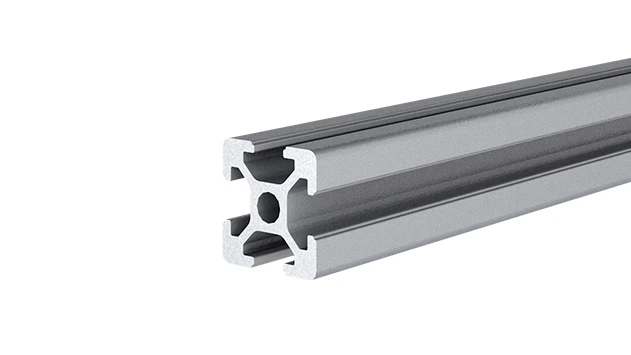
2020 is a 2.00 x 2.00CM fractional 20 series square extrusion T-slot profile with four open T-slots, one on each 2.00 face. The profile has align-a-grooves to assist in aligning connecting profiles.
If you've ever walked through a warehouse, factory floor, or even a busy retail stockroom, you've probably seen them: turnover carts—those hardworking, unassuming tools that keep materials moving, inventory organized, and workflows humming. They're the silent backbone of efficient operations, but here's the thing: not all turnover carts are created equal. And a big part of what makes a cart reliable, durable, and tailored to your needs comes down to one crucial component: the aluminum profile it's built with. Today, we're zeroing in on a popular choice for smaller to mid-sized carts: the 2020 EU Standard Aluminum Profile. Whether you're a facility manager, a small business owner, or just someone looking to build a custom cart for your workspace, this guide will walk you through everything you need to know to choose the right 2020 profile—no engineering degree required.
First Things First: What Even Is a 2020 EU Standard Aluminum Profile?
Let's start with the basics. The "2020" in the name refers to its dimensions: 20 millimeters in width and 20 millimeters in height. It's a square tube, sleek and compact, designed to be lightweight yet surprisingly strong. The "EU Standard" part means it adheres to European manufacturing specs, which typically emphasize precision, consistency, and compatibility with a wide range of accessories. Think of it as the building block of modular systems—you can cut it, connect it, and customize it with brackets, wheels, and panels to create exactly the cart you need.
Most 2020 EU profiles are made from aluminum alloy, usually 6063-T5. If that sounds like gibberish, here's what it means for you: 6063 is a common alloy known for its excellent corrosion resistance (great if your workspace is humid or deals with liquids) and its ability to be easily machined or welded. The "T5" refers to the tempering process—it's heat-treated to be strong enough for everyday use without being brittle. The result? A profile that's lightweight (aluminum is about a third the weight of steel), easy to handle, and tough enough to withstand the bumps and scrapes of daily warehouse life.
Why Choose 2020 Over Other Profiles? When Size and Weight Matter
You might be wondering: Why not just go with a bigger profile, like the 3030 or 4040? After all, bigger must mean better, right? Not necessarily. The 2020 profile shines in scenarios where compactness and lightweight design are priorities. If you're building a cart to navigate tight aisles, carry small parts, or be moved frequently by hand, a 2020 profile is often the sweet spot. Larger profiles like 3030 (30x30mm) or 4040 (40x40mm) are better for heavier loads or larger carts, but they add unnecessary weight and bulk if you don't need the extra strength.
| Profile Type | Dimensions (mm) | Best For | Key Tradeoff |
|---|---|---|---|
| 2020 EU Standard | 20x20 | Small turnover carts, lightweight loads (up to ~50kg), tight spaces | Limited load capacity; not ideal for heavy equipment |
| 3030 EU Standard | 30x30 | Mid-sized carts, moderate loads (50-150kg), workbenches | Heavier than 2020; bulkier for small spaces |
| 4040 EU Standard | 40x40 | Large carts, heavy loads (150kg+), industrial use | Significantly heavier; overkill for small-scale needs |
So, if your turnover cart is meant for things like picking small electronics components, transporting office supplies, or moving lightweight tools around a workshop, 2020 is likely your best bet. Now, let's dig into the details that will help you pick the right 2020 profile for your specific cart.

Key Factor #1: Wall Thickness—Don't Skimp on Strength (But Don't Overdo It Either)
Not all 2020 profiles are identical. One of the biggest variables is wall thickness, which directly impacts how much weight the profile can support. Common options include 0.8mm, 1.0mm, 1.2mm, and 2.0mm. Let's break down what each means for your cart:
- 0.8mm: Ultra-lightweight, but best for very light loads (think: empty carts or carrying paper goods). Not ideal for daily heavy use—might bend or warp over time.
- 1.0mm: A good middle ground for general-purpose carts. Can handle 20-30kg comfortably. Great for small parts or tools in a low-traffic environment.
- 1.2mm: The workhorse of 2020 profiles. Most manufacturers recommend this for standard turnover carts. Handles 30-50kg with ease, even with regular use. This is the thickness we see in most commercial 2020-based carts.
- 2.0mm: Heavy-duty for 2020 standards. Can push up to 70-80kg, but it adds weight to the cart itself. Only necessary if you're consistently hauling heavier items (like small power tools or metal components) and don't mind a slightly bulkier cart.
Pro tip: When in doubt, go with 1.2mm. It's the most versatile option for most turnover cart needs. If you're unsure about your load, take a quick inventory of what you'll be carrying. A quick weigh-in of your typical items (e.g., a box of screws, a case of products) will save you from choosing a profile that's too weak—or paying extra for thickness you don't need.
Key Factor #2: Compatibility with Aluminum Profile Accessories—The "Modular" Magic
One of the biggest perks of EU standard aluminum profiles is how modular they are. You're not just buying a tube—you're buying into a system of accessories that let you build, modify, and repair your cart with ease. For 2020 profiles, the right accessories can turn a basic frame into a fully functional turnover cart. Here are the must-know accessories to check compatibility with:
Connectors and Joints
These are the "glue" of your cart. 2020 profiles use T-slot designs (grooves along the length) that let you slide in connectors like 90° angle brackets, 45° brackets, or straight connectors to join pieces. Look for accessories labeled "2020 compatible"—some cheaper off-brand connectors might be slightly misaligned, making assembly frustrating. Common types include:
- 90° Aluminum Profile Connector: For joining two profiles at a right angle (e.g., the corner of your cart's frame).
- End Caps: Plastic or aluminum caps that snap onto the ends of the profile to cover sharp edges and prevent dust/debris from getting inside. A small detail, but it makes the cart feel finished and safer to handle.
- 3-Way Connectors: Useful if you need to add a crossbar or shelf support in the middle of the frame.
Caster Wheels—Because a Cart That Can't Move Isn't a Cart
Your cart's mobility hinges (literally) on its caster wheels. 2020 profiles pair with caster wheel mounts that slide into the T-slots or bolt onto the frame. When choosing casters, consider:
- Size: 2-3 inch wheels are standard for 2020 carts. Larger wheels (4+ inches) are better for rough floors, but they raise the cart's height, which might not be ideal for loading/unloading.
- Locking vs. Non-Locking: At least two of your four casters should have brakes to keep the cart stationary when loading/unloading. Swivel casters (which rotate 360°) make maneuvering tight corners easier—essential for warehouses or small stockrooms.
- Load Rating: Casters have their own weight limits! If your cart frame can handle 50kg, make sure the casters (combined) can handle that plus a little extra (we recommend a 20% buffer to be safe).
Roller Track—For Smooth Loading and Unloading
If your turnover cart will hold boxes, bins, or items that need to slide on/off easily, adding roller track to the shelves or base is a game-changer. Roller track (sometimes called "flow rails") consists of small wheels or balls that let items glide with minimal effort. For 2020 profiles, look for lightweight aluminum or plastic roller track that mounts directly to the T-slots. Bonus: Many roller track systems are modular, so you can adjust the spacing to fit different box sizes.
Key Factor #3: Environment—Will Your Cart Face Moisture, Chemicals, or Heavy Wear?
Aluminum is naturally corrosion-resistant, but some environments are tougher than others. If your cart will live in a humid warehouse, a food processing facility with frequent washdowns, or near chemicals, you'll want to pay extra attention to the profile's finish and material quality.
- Anodized Finish: Most 2020 profiles come with an anodized coating—a thin layer of oxide that protects against rust and scratches. Look for "anodized" in the product specs; it's standard for EU profiles, but cheaper imports might skip this step, leaving the aluminum vulnerable to discoloration or pitting.
- Stainless Steel vs. Aluminum: Wait, the keyword list mentions "stainless steel pipe series"—should you consider stainless steel instead? For 2020-sized carts, stainless steel is overkill for most environments. It's heavier and more expensive than aluminum, and unless you're dealing with extreme chemicals (like acids), aluminum's corrosion resistance is more than enough.
- Indoor vs. Outdoor Use: If the cart will be outside (e.g., loading dock to truck), go for a thicker anodized layer (10μm or more) and stainless steel caster bearings to prevent rust in rain or snow.
Key Factor #4: Cost—Balancing Quality and Budget
Let's talk money. 2020 EU standard profiles are generally affordable, but prices can vary based on wall thickness, finish, and brand. Here's what to expect:
- 1.2mm wall (standard): $3-$5 per meter for generic brands; $5-$8 per meter for reputable EU brands (like Bosch Rexroth or Item). The extra cost for brand names often comes with better quality control (straighter cuts, consistent wall thickness) and better accessory compatibility.
- Accessories: Connectors range from $1-$5 each, end caps $0.50-$1, caster wheels $10-$25 per set (four wheels). A basic 2020 cart frame (1m x 0.5m) with casters and a shelf might cost $50-$100 in materials, depending on brand.
Pro tip: Don't skimp on the frame to save a few dollars. A warped or weak profile will cost more in the long run when you have to replace it or repair a broken cart. That said, you don't need to buy the most expensive brand unless you're in a high-precision industry (like aerospace). Mid-range brands (e.g., Misumi, 80/20) offer a great balance of quality and affordability.
Real-World Example: Building a Small Parts Turnover Cart with 2020 Profile
Let's put this all together with a scenario. Say you run a small electronics repair shop and need a cart to carry tools, spare parts, and a small aluminum workbench surface for on-the-go repairs. Here's how you'd choose your 2020 profile:
- Load Estimate: Tools (10kg), parts bins (15kg), workbench surface (5kg) = total ~30kg. So a 1.2mm wall thickness is perfect—no need for 2.0mm.
- Accessories: 90° connectors for the frame, 4 swivel caster wheels (two with brakes) for maneuverability, end caps to protect against scratches, and a lightweight aluminum honeycomb panel for the workbench surface (mounted using T-slot brackets).
- Environment: Indoor use, dry environment, so standard anodized finish is fine.
- Budget: Mid-range brand profile (~$6/meter), 4 meters of profile for the frame, $20 in connectors, $30 for casters, $15 for the workbench panel = total ~$89. A commercial cart might cost $150+, so building with 2020 saves you money and lets you customize the size exactly to your needs.
Common Mistakes to Avoid
Even with the best intentions, it's easy to slip up when choosing a 2020 profile. Here are the pitfalls to watch for:
- Underestimating Load: "It's just a few screws!" turns into "Why is the cart frame bending?" Do a test load with your heaviest typical items before finalizing the wall thickness.
- Ignoring Accessory Compatibility: Buying cheap, off-brand connectors that don't fit the T-slots will lead to wobbly joints and frustration. Stick to accessories from the same brand as your profile, or check reviews to ensure compatibility.
- Overlooking Cart Height: A cart that's too tall is unstable; too short is hard to load. Aim for a height that lets you reach items comfortably (usually 70-90cm from the floor to the top shelf).
- Forgetting Future Modifications: Maybe today you need a simple cart, but next year you might want to add a second shelf or a tool holder. Choose a profile with T-slots along all four sides (some cheaper profiles only have slots on two sides) to keep your options open.
Final Thoughts: Why 2020 EU Standard Aluminum Profile is a Smart Choice for Your Turnover Cart
At the end of the day, the 2020 EU standard aluminum profile is all about balance: lightweight but strong, affordable but durable, compact but customizable. It's not the right choice for every cart—if you're hauling 200kg pallets, you'll need a bigger profile—but for the vast majority of small to mid-sized turnover carts, it's hard to beat.
By focusing on wall thickness, accessory compatibility, environment, and budget, you can choose a 2020 profile that will keep your cart rolling smoothly for years. And remember: building with aluminum profiles isn't just about function—it's about creating a tool that fits your workflow, not the other way around. So grab a tape measure, weigh your items, and start designing—your perfect turnover cart is just a few profiles and connectors away.