- Company Articles
- Industry articles
- Industry standards
- How to Identify 60 Aluminum Roller Track Yellow: Size & Color Standards

How to Identify 60 Aluminum Roller Track Yellow: Size & Color Standards
Related Product
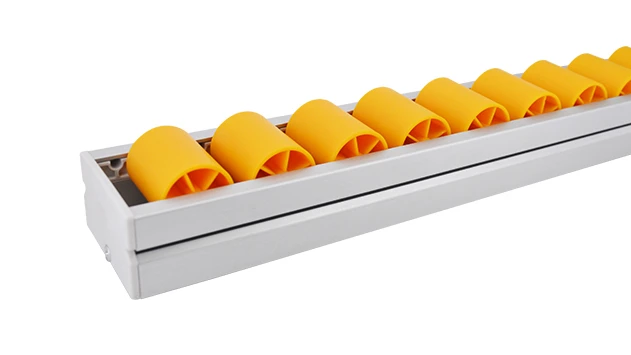
60 Aluminum Roller Track Yellow
Modular syetem roller tracks aluminum gravity roller tracks are an excellent solution for transporting materials within industrial environments, warehouses and distribution centres.
In today's fast-paced manufacturing world, every second counts. That's why lean systems have become the backbone of efficient production—helping teams cut waste, speed up workflows, and adapt quickly to changing demands. One small but critical component of these systems is the roller track. And if you've ever shopped for roller tracks, you know how confusing it can be to tell one type from another. Take the 60 aluminum roller track yellow, for example: it's a popular choice for flow racks and conveyors, but it's often mixed up with other 60-series tracks or even different sizes entirely. This article will break down everything you need to know to identify this track correctly—from size standards to color verification—so you can make informed decisions for your lean solution needs.
What Exactly Is 60 Aluminum Roller Track Yellow?
First things first: let's get clear on what this track is. The 60 aluminum roller track yellow is a type of material handling component designed for smooth, gravity-fed movement of bins, boxes, or parts. It's made from an aluminum profile base (hence the "aluminum" part) with a series of yellow plastic rollers attached along its length. The "60" refers to the track's width—60 millimeters, which is a standard size for many industrial applications.
But why is this track so popular? For starters, aluminum is lightweight yet durable—perfect for building flow racks that are easy to move but can handle heavy loads. The yellow color isn't just for looks either: it's highly visible, which helps workers spot the track quickly in busy environments (reducing the risk of accidents) and often aligns with color-coding systems used in lean manufacturing (like marking picking zones or high-priority workflows). And since it's part of a lean system, this track is designed to be flexible—you can easily integrate it into existing conveyors or flow racks, or reconfigure it as your production needs change.
You'll find this track in a wide range of settings: from 3C assembly lines (where it moves small electronic parts) to warehouse flow racks (where it helps with FIFO inventory management) to medical device manufacturing (where its corrosion resistance is a plus). It's a versatile piece that plays a big role in keeping operations running smoothly.
Size Standards: The Key Measurements to Check
The most reliable way to identify a 60 aluminum roller track yellow is by checking its size dimensions. Manufacturers follow strict standards to ensure compatibility with other lean system components, so even small deviations can mean you're looking at a different track. Let's break down the critical size parameters and include a detailed table for reference.
| Specification Parameter | Standard Value (Metric) | Standard Value (Imperial) | Tolerance Range | Notes & Impact on Performance |
|---|---|---|---|---|
| Track Width | 60 mm | 2.36 inches | ±0.2 mm | Determines the width of bins/parts that can be placed on the track. 60 mm is ideal for medium-sized bins used in flow rack systems. |
| Roller Diameter | 25 mm | 0.98 inches | ±0.1 mm | Affects the smoothness of flow. Larger rollers reduce friction, making it easier for heavy loads to glide. |
| Roller Pitch (Distance Between Rollers) | 30 mm | 1.18 inches | ±0.15 mm | Impacts load capacity. Smaller pitch means more rollers supporting the load, so higher weight tolerance. |
| Aluminum Profile Thickness | 1.5 mm / 2.0 mm | 0.06 inches / 0.08 inches | ±0.1 mm | Thicker profiles (2.0 mm) handle heavier loads (up to 150 kg/m) while thinner ones (1.5 mm) are lighter for mobile applications. |
| Track Length | Customizable (1000 mm,1200 mm,1500 mm common) | 39.37 inches,47.24 inches,59.06 inches | ±1.0 mm | Lengths are tailored to specific flow rack or conveyor designs. Longer tracks are used for extended workflows. |
| Roller Material Thickness | 1.2 mm (plastic) | 0.05 inches | ±0.05 mm | Ensures rollers are durable enough to resist wear from frequent use. |
| Load Capacity Per Meter | 100 kg (1.5 mm profile) /150 kg (2.0 mm profile) | 220 lbs /330 lbs | ±5 kg | Important for selecting the right track for your load needs. Exceeding capacity can damage the track or cause jams. |
| Compatibility with Accessories | Fits 60-series flow rack joints, conveyor brackets | N/A | N/A | Ensures the track can be easily attached to other lean system components without modification. |
When checking these dimensions, it's important to use accurate tools like digital calipers or tape measures. Even a small deviation (like a track width of 59.7 mm instead of 60 mm) could mean the track won't fit into your flow rack's frame. For example, if you're replacing a track in a flow rack, a narrower track might cause bins to slip off, while a wider one might not fit into the rack's frame.
Another thing to note: some manufacturers offer custom sizes, but the core 60 mm width remains consistent. So even if you need a track that's 2000 mm long, as long as the width is 60 mm and the other parameters match the standard, it's still a 60 aluminum roller track yellow.

Color Standards: How to Verify the Yellow Shade
The yellow color of this track is more than just a design choice—it's a standard that helps distinguish it from other tracks. But not all yellow tracks are the same. So how do you make sure the yellow you're looking at is the correct shade for the 60 aluminum roller track?
First, let's talk about the standard color. Most manufacturers use a specific Pantone shade for the yellow rollers—common ones are Pantone 109C or Pantone 116C. These shades are bright, saturated, and easy to recognize. But how do you check this without a Pantone swatch?
Here are a few ways:
- Visual Comparison: If you have a known 60 aluminum roller track yellow, compare the new track's color to it. The shade should be identical—no noticeable differences in brightness or hue.
- Digital Color Meter: Use a smartphone app or a digital color meter to measure the RGB values of the roller. The standard RGB values for Pantone 109C are approximately R:255, G:213, B:0. If the values are off by more than 10 points, it's likely not the correct shade.
- Manufacturer Documentation: Ask the supplier for color certification. Reputable suppliers will provide a document confirming that the yellow meets the standard shade for the 60 series track.
Why does the color matter? For one, it ensures compatibility with your existing color-coding system. If your lean solution uses yellow for picking zones, a different shade might confuse workers. For another, the standard yellow is designed to be UV-resistant—so it won't fade quickly when exposed to sunlight (a common issue with cheaper, non-standard tracks). Faded tracks are harder to see, which can lead to accidents or inefficiencies.
It's also important to distinguish the 60 aluminum roller track yellow from other colors in the same 60 series. For example, the 60 aluminum roller track grey is often used for backstock areas (less visible), while the green version is used for eco-friendly zones. The yellow one is reserved for high-traffic, high-priority areas—so getting the color right is key to maintaining your lean system's organization.

Step-by-Step Identification Guide
Now that you know the size and color standards, let's put it all together into a step-by-step guide. Follow these steps to make sure you're getting the right track:
Step 1: Measure the Track Width
Grab a digital caliper and measure the width of the track (the distance between the two inner edges of the aluminum profile). The measurement should be exactly 60 mm (±0.2 mm). If it's 40 mm or 80 mm, it's a different series track.
Step 2: Check the Roller Dimensions
Next, measure the roller diameter and pitch. The roller diameter should be 25 mm (±0.1 mm), and the pitch (distance between the centers of two adjacent rollers) should be 30 mm (±0.15 mm). If the rollers are larger or smaller, or the pitch is different, it's not the standard 60 aluminum roller track yellow.
Step 3: Verify the Color Shade
Use the methods we discussed earlier: compare to a known sample, use a digital color meter, or check the manufacturer's documentation. The yellow should be bright and match the standard Pantone shade (like 109C).
Step 4: Inspect the Material & Construction
Check if the base is made of aluminum (lightweight, non-magnetic) or steel (heavier, magnetic). The rollers should be made of high-quality plastic (yellow) with a smooth surface. Also, look for any engravings or labels on the track—reputable manufacturers will mark the track with its size (60 mm) and load capacity.
Step 5: Test Compatibility with Accessories
If you have existing flow rack or conveyor accessories (like brackets or joints), try attaching the track to them. The 60 aluminum roller track yellow should fit perfectly without any modifications. If it's too wide or too narrow, it's not the right track.
By following these steps, you can be confident that you're identifying the correct 60 aluminum roller track yellow. This will save you time and money—no more returning tracks that don't fit or work with your lean system.
Common Misconceptions About 60 Aluminum Roller Track Yellow
Even with the right knowledge, there are a few common mistakes people make when identifying this track. Let's clear up some of the most frequent misconceptions:
Misconception 1: All 60 mm Wide Tracks Are the Same
No! Just because a track is 60 mm wide doesn't mean it's a 60 aluminum roller track yellow. For example, there's a 60 steel roller track grey that's 60 mm wide but made of steel (heavier, prone to rust) and has grey rollers. The material and color are key differentiators.
Misconception 2: The Yellow Color Is Just for Aesthetics
As we mentioned earlier, the yellow color has practical benefits: high visibility for safety, alignment with lean system color coding, and UV resistance. Cheaper tracks might use a similar yellow shade but without the UV protection—so they fade quickly, reducing their effectiveness.
Misconception 3: Size Tolerances Don't Matter
This is a big one. If the track width is 59.8 mm instead of 60 mm, it might not fit into your flow rack's frame. Or if the roller pitch is off, the load capacity could be lower than expected. Always check the tolerances—they're there for a reason.
Misconception 4: All Manufacturers Follow the Same Standards
Unfortunately, this isn't true. Some manufacturers cut corners and use non-standard dimensions or colors. That's why it's important to buy from a reputable supplier—one that provides documentation confirming the track meets the standard size and color requirements.
Where to Use 60 Aluminum Roller Track Yellow
Now that you know how to identify this track, let's talk about where it's most useful. The 60 aluminum roller track yellow is a versatile component that fits into many lean system applications:
1. Flow Racks
Flow racks are a staple in warehouse management—they use gravity to move bins from the back to the front, ensuring FIFO inventory. The 60 aluminum roller track yellow is perfect for flow racks because its width fits medium-sized bins, and the yellow color makes it easy to spot the picking zones. You'll find this track in everything from small parts warehouses to large distribution centers.
2. Conveyors
Conveyors are used to move parts from one station to another in production lines. The 60 aluminum roller track yellow is often used in gravity conveyors (where parts move without power) because it's lightweight and smooth. For example, in a 3C assembly line, this track might move phone cases from the molding station to the assembly station.
3. Lean Workstations
Lean workstations are designed to be efficient and flexible. The 60 aluminum roller track yellow can be integrated into workstations to move parts directly to the worker—reducing the time spent reaching for materials. This is especially useful in medical device manufacturing, where precision and speed are critical.
4. 3C Assembly Lines
3C (computers, communication, consumer electronics) assembly lines require components that are lightweight, flexible, and corrosion-resistant. The 60 aluminum roller track yellow checks all these boxes. It's used to move small electronic parts (like circuit boards or batteries) between stations, ensuring a smooth workflow.
5. Medical Device Manufacturing
Medical device manufacturing requires components that are easy to clean and corrosion-resistant. The aluminum profile of this track is non-porous, so it's easy to sanitize. The yellow color also helps in maintaining a clean, organized workspace—important for meeting strict medical industry standards.
Why 60 Aluminum Roller Track Yellow Is a Top Choice for Lean Systems
With so many roller track options available, why should you choose the 60 aluminum roller track yellow? Let's look at the benefits:
- Lightweight & Durable: Aluminum is lighter than steel, so the track is easy to install and reconfigure. But it's still durable enough to handle heavy loads (up to 150 kg/m).
- Corrosion Resistant: Aluminum doesn't rust, so the track is ideal for humid environments (like food processing or medical device manufacturing).
- High Visibility: The yellow color makes the track easy to see, reducing the risk of accidents in busy production lines.
- Flexible: You can easily integrate this track into existing flow racks or conveyors, or reconfigure it as your production needs change. This aligns perfectly with the lean principle of continuous improvement.
- Cost-Effective: While aluminum is slightly more expensive than steel upfront, it lasts longer and requires less maintenance—so it's cheaper in the long run.
- Compatible with Many Accessories: The 60 aluminum roller track yellow works with a wide range of lean system accessories, including brackets, joints, and bins. This makes it easy to build custom solutions.
When compared to other tracks, the 60 aluminum roller track yellow stands out for its balance of performance and flexibility. It's a smart choice for any business looking to improve its lean system efficiency.
How to Maintain 60 Aluminum Roller Track Yellow
To keep your 60 aluminum roller track yellow in top shape, follow these maintenance tips:
- Clean Regularly: Use a damp cloth to wipe down the track and rollers. Avoid using harsh chemicals—they can damage the plastic rollers or the aluminum profile.
- Lubricate Rollers: Every 3-6 months, apply a small amount of silicone lubricant to the rollers. This keeps them moving smoothly and reduces wear.
- Check for Wear: Inspect the rollers and profile regularly for signs of wear (like cracked rollers or bent profiles). replace any damaged parts immediately—this prevents further damage to the track or your products.
- Avoid Overloading: Don't exceed the track's load capacity. Overloading can bend the profile or break the rollers, which is costly to fix.
- Store Properly: If you're not using the track, store it in a dry, cool place. Avoid exposing it to direct sunlight for long periods—this can fade the yellow color.
By following these tips, you can extend the life of your track and ensure it continues to perform well for years to come.
Final Thoughts
Identifying the 60 aluminum roller track yellow isn't rocket science—but it does require attention to detail. By checking the size dimensions (especially the 60 mm width), verifying the yellow shade, and ensuring compatibility with your lean system accessories, you can be confident you're getting the right track.
This track is more than just a component—it's a key part of building an efficient, flexible lean solution. Whether you're using it in flow racks, conveyors, or lean workstations, it helps reduce waste, speed up workflows, and keep your operations running smoothly.
Remember: always buy from a reputable supplier, and don't cut corners on quality. A good track will save you time and money in the long run—so it's worth investing in the right one.