- Company Articles
- Industry articles
- Industry standards
- How to Recycle & Reuse 2040 National Standard Profile Components

How to Recycle & Reuse 2040 National Standard Profile Components
Related Product
2040 National Standard Profile
45° external bending joint, used for 45° external connection of two aluminum pipes.
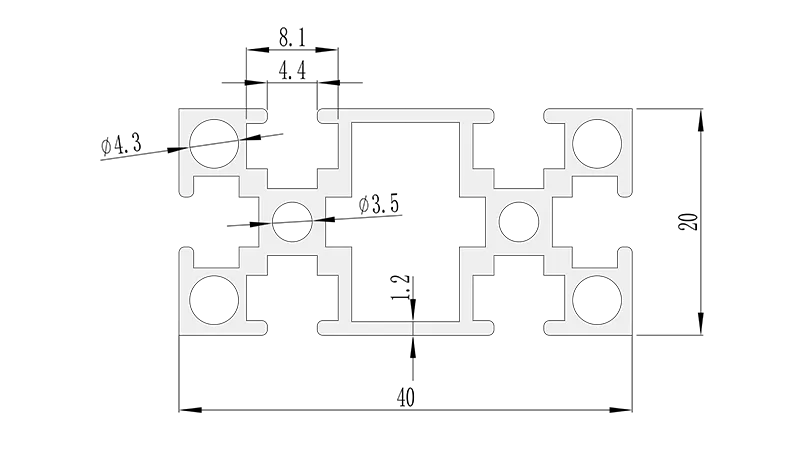
Walk into any modern manufacturing facility, warehouse, or workshop, and you'll likely spot rows of sleek workbenches, efficient flow racks, and modular assembly lines. Chances are, many of these structures are built with aluminum profiles—and among the most common is the 2040 national standard profile. Named for its approximate dimensions (20mm in width, 40mm in height), this versatile component is the backbone of countless industrial setups, from lean systems to material handling racks. But what happens when a production line is upgraded, a workshop reorganizes, or a project comes to an end? Too often, these durable profiles end up collecting dust in storage or, worse, in landfills. The good news? With a little creativity and know-how, 2040 national standard profile components can be recycled and reused, cutting costs, reducing waste, and breathing new life into old materials. Let's dive into how.
Why 2040 National Standard Profiles Are Worth Reusing
Before we jump into the "how," let's talk about the "why." Aluminum profiles like the 2040 standard are uniquely suited for reuse, and here's why:
Durability by Design: Aluminum is naturally resistant to corrosion, and the 2040 profile's rigid, extruded shape gives it impressive strength. Even after years of use in heavy-duty environments—supporting tools, parts, or machinery—these profiles often remain structurally sound. Minor scratches or dents rarely compromise their integrity, making them prime candidates for a second life.
Modularity at Its Core: The 2040 profile is built for flexibility. Its T-slot design (a groove running along its length) allows for easy attachment of accessories—think brackets, shelves, casters, or panels—using simple fasteners. This modularity means components can be disassembled, reconfigured, and repurposed without specialized tools or skills. Unlike welded steel structures, which are fixed, 2040 profiles and their aluminum profile accessories are designed to be taken apart and reassembled.
Aluminum: The Ultimate Recyclable Material: Aluminum is 100% recyclable, and recycling it uses just 5% of the energy required to produce new aluminum from raw ore. Even if a profile is too damaged for direct reuse, melting it down to create new material is an eco-friendly alternative to disposal. Plus, aluminum retains its quality through multiple recycling cycles, so nothing goes to waste.
Cost-Effective Sustainability: New aluminum profiles and accessories aren't cheap. Reusing existing 2040 components can slash procurement costs for small businesses, startups, or DIY enthusiasts. For larger facilities, it aligns with lean system principles—reducing waste (one of the seven wastes of lean) while maintaining operational efficiency.
Step-by-Step Guide to Recycling & Reusing 2040 Profiles
Reusing 2040 national standard profile components isn't just about tossing old parts into a new project. It requires a systematic approach to ensure safety, functionality, and maximum value. Here's a step-by-step process to get started:
1. Inspection & Assessment: Know What You're Working With
Before diving into disassembly, take time to inspect each component. Not all profiles or accessories will be reusable, but many will surprise you. Grab a notebook and assess:
- Structural Integrity: Check for cracks, bends, or warping in the 2040 profiles. A slight bend might be fixable with a rubber mallet, but deep cracks or (distortion) mean the profile is unsafe for load-bearing use.
- Wear & Tear: Look at T-slots—are they clogged with debris, or have the edges worn down? Smooth, unobstructed slots are key for attaching aluminum profile accessories. For accessories like brackets or connectors, check for rust (uncommon in aluminum, but possible if mixed with steel parts), stripped threads, or broken fasteners.
- Compatibility: Note the age and style of the profiles. While 2040 is a national standard, minor variations in slot design or thickness can exist between manufacturers. Mixing incompatible parts might lead to wobbly structures later.
Pro tip: Take photos of each component and label them (e.g., "Profile A: 1.2m, no bends" or "Connector B: stripped thread") to stay organized.
2. Gentle Disassembly: Preserve Parts for Reuse
Aluminum profiles are designed to be disassembled, but rushing this step can damage parts beyond repair. Gather basic tools: hex keys (most T-slot fasteners use Allen screws), a rubber mallet (for tapping apart stuck joints), and a putty knife (to pry off glued-on panels or labels). Avoid power tools like impact drivers—they can strip threads or crack profiles.
Start by removing accessories first: shelves, casters, or panels. Then, loosen the fasteners holding the profiles together. If a joint is stuck, tap gently with the rubber mallet—never use a hammer directly on the aluminum, as it can dent. For rusted steel fasteners (if mixed in), apply a penetrating oil like WD-40 and let it sit for 10 minutes before trying again.
Keep small parts (screws, nuts, aluminum profile accessories) in labeled bags or bins. Losing a $2 connector might seem trivial, but replacing it adds up—and defeats the cost-saving purpose of reuse.
3. Cleaning & Restoration: Make Old Parts Look (and Work) Like New
Years of use can leave profiles grimy with oil, grease, or paint. A thorough cleaning not only makes parts look better but also ensures proper adhesion of new accessories. Here's how:
- Degrease: Use a mild detergent (like dish soap) and warm water to wipe down profiles. For heavy grease, a degreaser like Simple Green works wonders. Avoid harsh chemicals (e.g., bleach) that can corrode aluminum.
- Remove Rust or Paint: If there's surface rust (common on steel accessories mixed with aluminum), scrub with a wire brush or sandpaper (80-120 grit). For paint, use a paint stripper designed for aluminum, or sand gently—aluminum is soft, so avoid aggressive sanding that removes material.
- Polish (Optional): For a like-new finish, buff profiles with a microfiber cloth and aluminum polish (e.g., Mothers Mag & Aluminum Polish). This step is more for aesthetics, but a shiny profile might inspire more creative reuse!
Let parts dry completely before storage—moisture can lead to mildew, especially in humid environments.
4. Sorting & Categorization: Organize for Easy Access
Now that you have clean, inspected parts, sort them into categories to streamline future projects. Suggested categories:
- 2040 Profiles: Group by length (e.g., 0.5m, 1m, 2m) and condition (pristine, minor wear, needs repair).
- Accessories: Separate aluminum profile accessories into subcategories: brackets, connectors, T-slot nuts, end caps, and casters. Toss any that are broken beyond repair (e.g., cracked brackets or seized casters).
- Mixed Materials: If you have steel or plastic parts mixed in, sort those too. Steel can be recycled separately, while plastic accessories (like end caps) might be reusable if they're still flexible.
Tip: Use clear plastic bins with dividers for small accessories, and hang longer profiles on a wall rack (PVC pipes mounted horizontally work great) to save floor space.
5. Creative Reuse: From Factory Floor to Functional New Designs
Now comes the fun part: turning old 2040 components into something useful. The modularity of these profiles means the possibilities are nearly endless. Here are actionable ideas to inspire you:
| Original Use | Creative Reuse Idea | Required Accessories | Key Benefits |
|---|---|---|---|
| Old assembly line workbench | Compact aluminum workbench for a home workshop | 2040 profiles (cut to 1.2m), plywood top, end caps, small casters | Costs 70% less than buying a new workbench; customizable height |
| Retired flow rack | Wall-mounted tool organizer for a garage | Short 2040 segments, hook brackets, T-slot screws | Frees up counter space; tools are visible and easy to grab |
| Damaged lean system components | Kid's craft station (low height, rounded edges) | Sanded 2040 profiles, non-slip mat top, colorful end caps | Safe, durable, and teaches kids about recycling! |
| Miscellaneous 2040 scraps (too short for industrial use) | Modular storage cubes for office supplies | Short profile segments, corner brackets, plywood dividers | Stackable, expandable, and adds a modern look to desks |
One of the most popular reuse projects is building a custom aluminum workbench. For example, if you have 2040 profiles of varying lengths, you can cut them to size (using a miter saw with a metal-cutting blade) and assemble a sturdy bench frame. Add a plywood or aluminum top, and voilà—you've got a work surface that can handle heavy tools without wobbling. Pair it with casters from old equipment, and you've got a mobile workstation that's perfect for small workshops.
For larger facilities, repurposing 2040 profiles into flow racks is a no-brainer. Flow racks use gravity to feed materials to workers, reducing (bending) and improving efficiency. By reusing old profiles and adding new roller tracks (easily sourced or salvaged), you can build a custom flow rack tailored to your current needs—no need to buy a brand-new system.
6. Responsible Recycling: When Reuse Isn't Possible
Not every 2040 component will be reusable. Severely bent profiles, cracked accessories, or rusted steel parts should be recycled. Aluminum is one of the most valuable recyclable materials, and recycling it requires minimal energy compared to producing new aluminum. Contact local scrap yards or recycling centers—many will accept aluminum profiles for free or even pay a small fee per pound.
Before recycling, separate aluminum from other materials (e.g., steel brackets, plastic end caps). Scrap yards often pay more for clean, sorted aluminum. If you're unsure where to go, check online directories like Earth911 for recycling centers near you.
The Benefits: More Than Just Saving Money
Reusing 2040 national standard profile components isn't just a cost-cutting hack—it's a win for your business, your community, and the planet. Let's break down the benefits:
Environmental Impact: Reduce Waste, Cut Carbon Footprints
The manufacturing industry is a major contributor to global waste, but small changes add up. By reusing one 2040 profile, you divert approximately 1.5kg of material from landfills. Multiply that by hundreds of profiles across a facility, and the impact grows. Plus, recycling aluminum saves 95% of the energy needed to produce new aluminum from bauxite ore—meaning fewer greenhouse gas emissions and less reliance on fossil fuels.
Economic Savings: Stretch Your Budget Further
New 2040 profiles cost anywhere from $5 to $20 per meter, depending on length and thickness. Accessories like brackets or connectors add $2–$10 each. Reusing just 10 profiles and 20 accessories could save $100–$300 per project. For small businesses or startups, that's money better spent on tools, labor, or growth. Even large corporations benefit: a 2022 study by the Lean Enterprise Institute found that manufacturers reusing aluminum profiles reduced material costs by 18% on average.
Operational Flexibility: Adapt Fast to Change
In today's fast-paced manufacturing world, agility is key. Reusing existing components lets you quickly build, modify, or dismantle structures as needs change. Need a new workbench for a rush order? Grab those stored 2040 profiles and assemble one in an hour. No need to wait for new parts to ship—your "inventory" of reused components is ready to go.
Community & Culture: Foster a Sustainability Mindset
Reusing materials sends a message to your team: waste isn't inevitable. It encourages employees to think creatively, take ownership of resources, and contribute to a greener workplace. Plus, you can donate excess reusable components to local makerspaces, schools, or small businesses—helping others while clearing out storage. Imagine a high school robotics club building a competition robot with your old 2040 profiles, or a startup using your reused flow rack to launch their first product. That's impact beyond the bottom line.
Case Study: How One Factory Turned Trash into Treasure
Let's look at a real-world example. A mid-sized electronics manufacturer in Guangdong, China, recently upgraded its assembly line, leaving behind over 200 meters of 2040 national standard profiles and hundreds of aluminum profile accessories. Instead of discarding them, the facility manager launched a "Reuse Challenge" for employees.
Teams brainstormed ideas, and the results were impressive: the maintenance department built 12 mobile aluminum workbenches for field repairs; the warehouse team repurposed old flow rack components into a new order-picking system, reducing order processing time by 25%; and the HR department even created modular storage cubbies for the break room. Total savings? Over ¥15,000 (approximately $2,100) on new materials. Plus, employees reported feeling prouder of their workplace—a small but meaningful boost to morale.
Final Thoughts: Start Small, Think Big
Recycling and reusing 2040 national standard profile components isn't just about being "green"—it's about being smart. These durable, modular parts are too valuable to waste, and with a little effort, they can serve new purposes for years to come. Whether you're a hobbyist with a garage workshop or a facility manager overseeing a factory floor, the process starts with one question: "What could this old profile become?"
So, the next time you're tempted to toss out those "old" aluminum profiles, pause. Grab a hex key, start disassembling, and let your creativity take over. You'll save money, reduce waste, and maybe even build something better than the original. After all, sustainability isn't just a trend—it's a way of thinking that turns challenges into opportunities. And with 2040 national standard profiles, the opportunities are endless.