- Company Articles
- Industry articles
- Industry standards
- Implementing 2020 EU Standard Aluminum Profile in Cross-Industry Manufacturing

Implementing 2020 EU Standard Aluminum Profile in Cross-Industry Manufacturing
Related Product
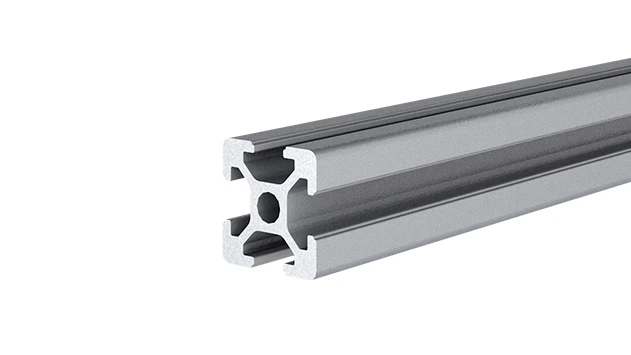
2020 EU Standard Aluminum Profile
2020 is a 2.00 x 2.00CM fractional 20 series square extrusion T-slot profile with four open T-slots, one on each 2.00 face. The profile has align-a-grooves to assist in aligning connecting profiles.
In today's fast-paced manufacturing landscape, adaptability isn't just a buzzword—it's the difference between falling behind and leading the pack. As factories grapple with shifting consumer demands, shorter product lifecycles, and the need for sustainable operations, the tools and materials that form the backbone of production lines are under more scrutiny than ever. Enter the 2020 EU Standard Aluminum Profile: a versatile, durable, and cost-effective solution that's reshaping how industries from automotive to electronics design their workspaces, assembly lines, and material handling systems. More than just a metal frame, this aluminum extrusion profile represents a shift toward leaner, more flexible manufacturing—one where customization, efficiency, and long-term value take center stage. Let's dive into how this innovation is transforming cross-industry manufacturing, and why it might be the missing piece in your operation's puzzle.
Why 2020 EU Standard Aluminum Profile Stands Out
Traditional manufacturing setups often rely on rigid materials like welded steel or wooden frames. While these have their merits, they come with a laundry list of drawbacks: they're heavy, hard to reconfigure, prone to corrosion (in the case of steel), and costly to replace when production needs change. The 2020 EU Standard Aluminum Profile, by contrast, was engineered to address these pain points head-on. As an aluminum extrusion profile, it's created through a process that shapes molten aluminum into precise, consistent cross-sections—think T-slots, grooves, and channels—designed to work seamlessly with aluminum profile accessories. This design isn't just about aesthetics; it's about functionality.
First, flexibility is baked into its DNA. Unlike steel, which requires cutting, welding, or drilling to modify, aluminum profiles use simple connectors, hinges, and brackets to assemble. Need to adjust the height of a workbench? Swap out a few brackets. Expand a material rack to fit larger components? Add a new section with a 45° joint. This modularity means factories can adapt to new product lines or seasonal demand spikes in days, not weeks. For example, a electronics manufacturer producing smartphones might need to retool their assembly line for a larger tablet model; with aluminum profiles, their team can disassemble and rebuild workstations in a weekend, rather than shutting down production for a month.
Durability is another key advantage. Aluminum naturally resists rust and corrosion, making it ideal for environments where moisture or chemicals are present—like automotive paint shops or food processing plants. The 2020 EU Standard takes this further by specifying wall thicknesses (typically 1.5mm to 3mm) and material grades that ensure the profiles can handle heavy loads without bending or warping. A single 2020 EU Standard Aluminum Profile beam, for instance, can support up to 200kg when properly mounted, making it suitable for everything from tool storage racks to conveyor supports.
Cost-effectiveness might surprise some, especially when comparing upfront prices to cheaper materials like wood. But aluminum profiles deliver long-term savings. Their modular design reduces waste—no more cutting steel beams to the wrong length and scrapping them. They're also reusable: when a production line is retired, the profiles and accessories can be disassembled and repurposed elsewhere. Over a 10-year lifecycle, studies show aluminum profile systems cost 30-40% less than traditional steel setups when factoring in maintenance, replacement, and reconfiguration costs.
| Material | Flexibility | Weight (kg/m) | Long-Term Cost | Sustainability |
|---|---|---|---|---|
| Welded Steel | Low (requires cutting/welding to reconfigure) | 7.8 – 10.2 | High (frequent replacement, maintenance) | Low (high energy to produce, hard to recycle) |
| Wooden Frames | Medium (easy to cut, but weakens structure) | 3.5 – 5.0 | Medium-High (prone to rot, short lifespan) | Variable (depends on sourcing, limited recyclability) |
| 2020 EU Standard Aluminum Extrusion Profile | High (modular, tool-free reconfiguration) | 2.1 – 3.8 | Low (reusable, minimal maintenance) | High (100% recyclable, low energy to recycle) |
Cross-Industry Applications: Where Aluminum Profiles Shine
The beauty of the 2020 EU Standard Aluminum Profile lies in its adaptability across sectors. Let's explore how three key industries—automotive, electronics, and logistics—are leveraging this technology to solve unique challenges.
Automotive Manufacturing: Building Agile Assembly Lines
Automotive plants are a masterclass in high-volume, precision manufacturing, but they're also under constant pressure to adapt. New models, updated safety regulations, and the shift to electric vehicles demand production lines that can evolve quickly. Aluminum extrusion profiles have become a cornerstone here, particularly in assembly workstations and material handling systems. Take a typical car battery assembly line: workers need easy access to components, ergonomic workbenches, and racks that can safely hold heavy battery packs. 2020 EU Standard Aluminum Profiles excel here because they can be customized to fit specific vehicle dimensions. For example, a workstation for battery module assembly might use 2020 profiles with T-slots to mount tools, ESD (electrostatic discharge) mats, and adjustable shelving—all without welding. When the next generation battery arrives with a 10% larger footprint, the team simply adjusts the profile lengths and adds new brackets, rather than replacing the entire workstation.
Material racks are another area where aluminum profiles shine. Traditional steel racks are heavy and fixed, making them hard to move when reorganizing the plant floor. Aluminum racks, however, are lightweight enough to be repositioned with a pallet jack and can be expanded using aluminum profile accessories like internal rotary joints or parallel connectors. A leading German automaker recently reported cutting their line reconfiguration time by 75% after switching to aluminum profile racks—from 14 days to just 3.
Electronics: Precision and ESD Protection
In electronics manufacturing, precision and static control are non-negotiable. Even a tiny static discharge can ruin a microchip, and workstations must be tailored to delicate tasks like circuit board assembly. Here, 2020 EU Standard Aluminum Profiles are often paired with ESD-safe components to create specialized workbenches. Unlike wooden or plastic workbenches, which can generate static, aluminum profiles are conductive and can be grounded, preventing electrostatic buildup. Add an aluminum honeycomb panel top (another common accessory) and ESD-compliant casters, and you have a workstation that's both safe and adaptable.
Consider a smartphone assembly plant in Southeast Asia. Their production lines handle hundreds of components daily, from tiny resistors to large display screens. With aluminum extrusion profiles, they've built modular workstations where each station can be adjusted for height (to reduce worker fatigue) and fitted with custom tool holders via T-slot accessories. When a new phone model with a different screen size is introduced, they don't need new workstations—just new brackets and a quick adjustment to the profile lengths. This flexibility has helped them reduce setup time for new products from 2 weeks to 3 days.
Logistics and Warehousing: Streamlining Material Flow
In logistics, efficiency is measured in seconds: how quickly can a warehouse pick, pack, and ship an order? Material handling systems—like flow racks, conveyor tracks, and turnover trolleys—are critical here, and aluminum profiles are transforming how these systems are designed. For example, flow racks (used to store and dispense boxes or totes) traditionally use steel rollers, which are heavy and noisy. Aluminum roller tracks, paired with 2020 EU Standard Aluminum Profiles, are lighter, quieter, and easier to customize. A warehouse in the Netherlands recently replaced their steel flow racks with aluminum ones and saw a 20% reduction in noise levels (a boon for worker comfort) and a 15% faster picking rate, thanks to smoother roller movement.
Turnover trolleys, used to transport goods across the warehouse, are another area where aluminum profiles excel. Traditional steel trolleys are heavy, making them hard to maneuver in tight spaces. Aluminum trolleys, built with lightweight 2020 profiles and swivel casters, are easier to push, reducing worker strain and lowering the risk of injuries. Plus, if a trolley needs to carry larger items, it can be quickly modified with extension brackets or additional shelves—no welding required.

Implementing Aluminum Profiles: A Step-by-Step Guide
Switching to 2020 EU Standard Aluminum Profile systems might seem daunting, but with the right approach, it's a smooth transition. Here's how to get started:
1. Assess Your Needs
Begin by mapping out your current pain points. Are your workstations too rigid? Is material handling causing delays? Do you need to reduce setup time for new product lines? For example, a food packaging plant might prioritize corrosion resistance and easy cleaning, while a heavy machinery manufacturer might focus on load capacity. Documenting these needs will help you choose the right aluminum extrusion profiles (e.g., wall thickness, profile type) and accessories.
2. Design with Modularity in Mind
Work with your engineering or design team to create layouts that prioritize modularity. Use CAD software to model the system, incorporating aluminum profile accessories like 90° connectors, end caps, and hinges. Remember: the goal is to build something that can evolve. For instance, if you're designing a workbench, include extra T-slots for future tool additions, or use adjustable feet to accommodate uneven floors. Many suppliers offer free design tools or templates to simplify this step.
3. Source Quality Components
Not all aluminum profiles are created equal. Stick to suppliers that comply with the 2020 EU Standard, as this ensures consistency in dimensions and material quality. Look for profiles made from 6063-T5 aluminum alloy, a common choice for manufacturing due to its strength and weldability. For accessories, prioritize durable materials: stainless steel connectors for heavy loads, nylon hinges for smooth movement, and EPDM rubber strips for noise reduction. Avoid cheap knockoffs—they may save money upfront but will fail quickly under stress.
4. Assemble and Test
One of the biggest advantages of aluminum profiles is how easy they are to assemble. Most systems use bolt-on or snap-fit accessories, requiring only basic tools like hex keys or screwdrivers. Start small: build a single workstation or rack first, then test it under real-world conditions. Does it hold the expected load? Is it easy to adjust? Gather feedback from workers—they'll notice ergonomic issues or usability problems you might miss. Iterate based on this feedback before scaling up.
Case Study: Lean Manufacturing with Aluminum Profiles
To see the impact of 2020 EU Standard Aluminum Profile in action, let's look at a real-world example: PrecisionWorks, a mid-sized medical device manufacturer in Austria. Three years ago, their production floor was a maze of fixed steel workstations and wooden material racks. When they decided to adopt lean manufacturing principles—focused on reducing waste and improving flow—they quickly realized their rigid setup was holding them back.
Their first challenge: their assembly line for surgical tools required frequent reconfigurations to accommodate new tool designs. Each reconfiguration involved cutting and welding steel, which took 2-3 weeks and cost €15,000 per change. "We were losing valuable production time and overspending on modifications," says Maria Hoffmann, PrecisionWorks' operations manager. "We needed something that could keep up with our lean goals."
They turned to 2020 EU Standard Aluminum Profile systems. Working with a local supplier, they replaced their steel workstations with aluminum extrusion profile setups, using accessories like parallel aluminum joints and height-adjustable feet. The results were immediate: reconfiguring the line now takes 2 days instead of 3 weeks, and costs have dropped to €3,000 per change. "Our workers love it too," Hoffmann adds. "They can adjust their workbench height in minutes, which has cut down on back pain complaints by 40%."
But the benefits didn't stop there. PrecisionWorks also replaced their wooden material racks with aluminum flow racks, using roller tracks and swivel roller balls to improve material flow. This reduced picking errors by 15% and freed up 20% of floor space, which they repurposed for a new testing area. Today, the company estimates they've saved over €200,000 in reconfiguration and maintenance costs alone—proving that aluminum profiles aren't just a tool for flexibility, but a cornerstone of lean system success.
The Role of Aluminum Profile Accessories
A aluminum extrusion profile is only as good as its accessories. These small components—connectors, end caps, hinges, and more—turn basic profiles into fully functional systems. Let's break down some essential accessories and their roles:
Connectors: The Glue of Modularity
Connectors are what make aluminum profiles truly modular. From 45° and 90° joints to parallel connectors, these pieces let you join profiles at any angle without welding. For example, internal rotary aluminum joints allow sections to rotate, making them ideal for adjustable shelving or foldable workbenches. Heavy-duty 90° crossing joints, on the other hand, are designed for load-bearing applications like conveyor supports.
End Caps and Protection
Raw aluminum profile ends can be sharp, posing a safety risk. End caps—available in plastic or aluminum—cover these edges, preventing cuts and adding a finished look. They also keep dust and debris out of T-slots, which can jam accessories over time. For food or pharmaceutical plants, silicone end caps are a popular choice, as they're easy to clean and resistant to chemicals.
Ergonomic Add-Ons
Accessories like adjustable feet, anti-fatigue mats, and height-adjustable brackets turn basic workstations into ergonomic hubs. For example, suction cup anti-slip feet stabilize workbenches on smooth floors, while gas-spring hinges allow easy height adjustment with minimal effort. These small additions can have a big impact on worker productivity and well-being.
Future Trends: Where Aluminum Profiles Are Headed
As manufacturing continues to evolve, so too will the 2020 EU Standard Aluminum Profile. Here are two trends to watch:
Smart Integration
The rise of Industry 4.0 is bringing sensors and IoT technology to the factory floor. Soon, aluminum profiles may incorporate built-in channels for wiring or mounting smart sensors that monitor load capacity, temperature, or vibration. Imagine a workbench that alerts maintenance when it's overloaded, or a conveyor track that adjusts speed based on real-time production data—all powered by aluminum extrusion profiles designed for connectivity.
Sustainability Focus
With stricter environmental regulations, manufacturers are prioritizing recycled materials. Aluminum is already 100% recyclable, but suppliers are now developing profiles made from 50%+ recycled aluminum, reducing carbon footprints even further. Some are also experimenting with bio-based plastics for accessories like end caps or hinges, aligning with circular economy goals.
Conclusion: Building the Factories of Tomorrow
The 2020 EU Standard Aluminum Profile isn't just a material upgrade—it's a mindset shift. By prioritizing flexibility, durability, and sustainability, it empowers manufacturers to build systems that grow with their needs, reduce waste, and adapt to an ever-changing market. Whether you're assembling cars, building electronics, or streamlining logistics, aluminum extrusion profiles and their accessories offer a path to leaner, more efficient operations. As PrecisionWorks' Maria Hoffmann puts it: "We didn't just buy a product—we invested in a future where change is an opportunity, not a headache."
So, if you're still relying on rigid, outdated manufacturing setups, it might be time to ask: What could your team accomplish with a system that bends, adapts, and evolves as quickly as you do? The answer, thanks to innovations like the 2020 EU Standard Aluminum Profile, is simple: more. More productivity, more flexibility, and more success—today, tomorrow, and for years to come.