- Company Articles
- Industry articles
- Industry standards
- ISO Certified Single Side Aluminum Pipe: Ensuring Quality for Global Manufacturing

ISO Certified Single Side Aluminum Pipe: Ensuring Quality for Global Manufacturing
Related Product
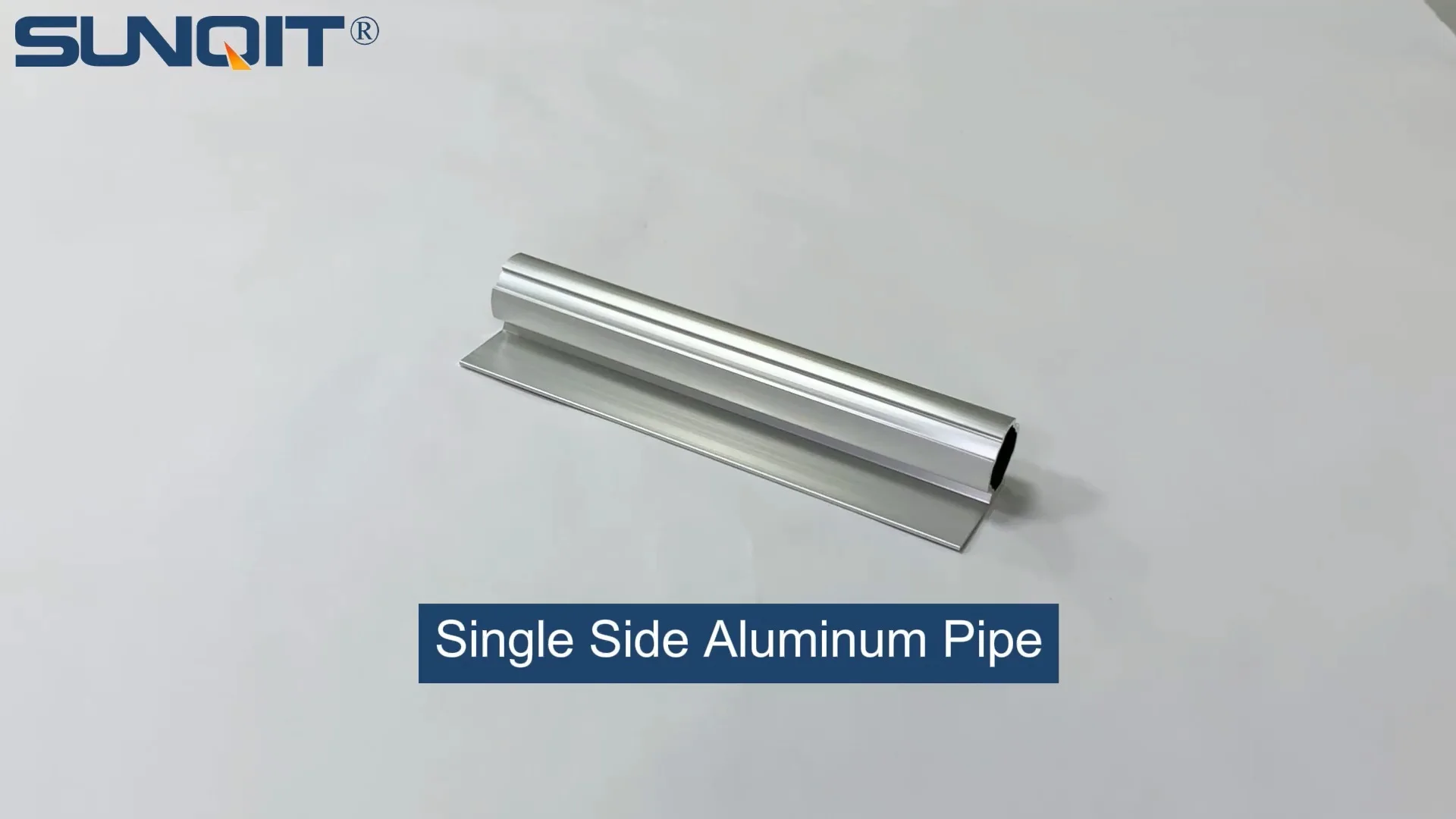
Single Side Aluminum Pipe
The single-sided plane can be installed with a back-mounted material box, and can also be used as a sidewall or partition.
Walk into any high-performing manufacturing facility today, and you'll notice a quiet hero working behind the scenes: the humble yet critical components that hold production lines together. From the workbench where an assembler meticulously fits circuit boards to the roller tracks that glide components across the factory floor, every part plays a role in keeping operations smooth, efficient, and compliant. Among these, ISO certified single side aluminum pipe stands out—not just as a material, but as a promise of quality, reliability, and adaptability that global manufacturers can't afford to overlook. Let's dive into why this unassuming component has become the backbone of modern lean systems, and how it's reshaping the way we build, produce, and innovate.
The Hidden Cost of Cutting Corners: Why Manufacturing Quality Starts with Materials
A production supervisor at a mid-sized electronics plant once shared a story that still sticks with me. "We used to buy generic steel pipes for our workbenches and roller tracks," he said. "They were cheap, so we thought we were saving money. But within six months, the pipes started rusting. The roller tracks jammed because the joints didn't align properly. Our assemblers were wasting 20 minutes a day just fixing wobbling workbenches. When we calculated the downtime, the 'cheap' pipes ended up costing us twice as much as investing in quality from the start."
This isn't an isolated incident. Across industries—automotive, aerospace, consumer electronics—manufacturers are waking up to a hard truth: the materials that build your production line directly impact your bottom line. Flimsy, non-compliant components lead to frequent breakdowns, inconsistent workflows, and even safety risks. In a global market where margins are tight and competition is fierce, these inefficiencies can mean the difference between thriving and fading into obscurity.
Enter ISO certified single side aluminum pipe. More than just a upgrade from traditional steel or plastic, it's a strategic choice that aligns with the core principles of lean manufacturing: eliminating waste, optimizing flow, and building systems that adapt to change. But what makes it so special? Let's start with the certification that sets it apart.
Beyond the Stamp: What "ISO Certified" Really Means for Your Production Line
When you see "ISO certified" on a product label, it's easy to dismiss it as just another marketing buzzword. But for manufacturers, those three letters represent a rigorous commitment to quality that spans every step of the production process. ISO 9001:2015, the gold standard for quality management systems, isn't just a checklist—it's a framework that ensures consistency, accountability, and continuous improvement.
For single side aluminum pipe, ISO certification means every batch undergoes strict testing: from the purity of the aluminum alloy to the precision of the extrusion process, the durability of the surface treatment, and the fit of every joint and accessory. Auditors don't just check the final product; they examine the supplier's raw material sourcing, production workflows, employee training, and even how customer feedback is addressed. It's a holistic approach that leaves no room for shortcuts.
Consider this: A non-certified aluminum pipe might look similar on the surface, but it could have hidden flaws—impurities in the alloy that weaken the structure, uneven extrusion that causes misalignment with accessories, or a subpar anodized coating that chips and corrodes. These flaws don't just affect longevity; they compromise safety. A workbench built with substandard pipe could collapse under heavy loads. A roller track with ill-fitting joints could jam, causing costly delays or even damaging sensitive components.
ISO certification eliminates that uncertainty. It's a guarantee that the pipe you're installing meets global standards, whether you're operating a factory in Detroit, Berlin, or Shanghai. For multinational manufacturers, this consistency is invaluable—it ensures that production lines across continents perform the same way, reducing the need for rework and simplifying training for cross-border teams.

Single Side Aluminum Pipe: Engineering for Efficiency, Designed for Adaptability
At first glance, single side aluminum pipe might seem like a minor variation of standard aluminum tubing. But its design is a masterclass in functional engineering, tailored to the unique demands of modern manufacturing. Unlike traditional pipes with uniform walls, single side aluminum pipe features a specialized groove along one edge—a seemingly small detail that unlocks a world of flexibility.
Let's start with the material itself. Most ISO certified single side aluminum pipes are made from 6063-T5 aluminum alloy, a choice driven by two key factors: strength and lightweight. Compared to steel, aluminum is 30% lighter, which might not sound like much until you multiply it by hundreds of pipes in a production line. The result? Easier installation (no heavy lifting equipment needed), reduced strain on floor supports, and lower energy costs when reconfiguring workbenches or roller tracks. Yet despite its lightness, 6063-T5 alloy offers impressive tensile strength—enough to support heavy machinery, tooling, and materials without bending or warping over time.
Then there's the surface treatment. Most single side aluminum pipes undergo anodization, a process that creates a hard, corrosion-resistant oxide layer on the surface. This isn't just about aesthetics (though the smooth, matte finish is easy on the eyes); it's about durability. In factories where moisture, oils, or chemicals are present, anodized aluminum stands up to wear and tear far better than untreated steel or plastic. For electronics manufacturers, some pipes even come with ESD (Electrostatic Discharge) coatings, preventing static buildup that could damage sensitive semiconductors or circuit boards—a critical feature for workbenches in cleanrooms or assembly lines.
But the real game-changer is that single side groove. Traditional pipes require welding, drilling, or clunky brackets to attach accessories like joints, shelves, or roller track guides. With the groove, it's a snap. Aluminum profile accessories—like internal rotary aluminum joints, roller track placon mounts, or caster brackets—simply slide into the groove and lock in place with a set screw. No welding, no drilling, no mess. This "click-and-assemble" design cuts installation time by up to 50% compared to steel systems, and more importantly, it makes reconfiguration a breeze.
Imagine a production line that needs to switch from assembling smartphones to tablets. With traditional steel workbenches, that might mean days of dismantling, welding new frames, and repainting. With single side aluminum pipe, it's a matter of loosening a few screws, rearranging the pipes and accessories, and tightening them back up. The same flexibility applies to roller tracks: need to adjust the angle for a new product? Swap out the roller track connector, slide the guide rails into the groove, and you're good to go. This adaptability is the cornerstone of lean manufacturing—it lets teams respond quickly to changing customer demands, seasonal spikes, or new product launches without halting production for days on end.
Aluminum Lean Pipe vs. Traditional Materials: A Side-by-Side Comparison
| Feature | ISO Certified Aluminum Lean Pipe | Steel Pipe | Plastic Pipe |
|---|---|---|---|
| Weight (per meter) | 0.8–1.2 kg | 3.5–4.2 kg | 0.5–0.7 kg |
| Corrosion Resistance | High (anodized) | Low (requires painting/coating) | High (but prone to UV damage) |
| Assembly Time | Fast (click-and-lock accessories) | Slow (welding/drilling needed) | Medium (gluing/clamping) |
| Reconfigurability | Excellent (no permanent modifications) | Poor (requires cutting/welding) | Limited (prone to cracking when adjusted) |
| Load Capacity | High (supports 50–150 kg per linear meter) | Very High (200+ kg per linear meter) | Low (20–40 kg per linear meter) |
| ISO Compliance | Yes (ISO 9001:2015) | Often no (varies by supplier) | Rarely (limited quality standards) |

From Workbenches to Roller Tracks: How Aluminum Lean Pipe Powers the Factory Floor
It's one thing to talk about the features of single side aluminum pipe; it's another to see how it transforms real-world manufacturing. Let's take a walk through a typical production line and spot where this versatile material shines—starting with the workbench, the most visible (and vital) station in any factory.
Workbenches are where the magic happens. Whether it's assembling car parts, testing medical devices, or packaging consumer goods, assemblers spend hours at these stations, so ergonomics and functionality are non-negotiable. Enter the workbench E (single deck—without caster), a popular configuration built with aluminum lean pipe. Thanks to the single side groove, manufacturers can customize the height, depth, and accessories (like tool holders, LED task lights, or ESD mats) to fit the task at hand. Need a deeper surface for large components? Add an extra aluminum profile across the back. Want to integrate a power strip? Slide a bracket into the groove and mount it at elbow height. The result is a workbench that reduces strain on workers' shoulders, wrists, and backs—cutting down on fatigue and absenteeism, and boosting productivity.
But the benefits don't stop at ergonomics. For electronics manufacturers, ESD workbenches (another common application) are a must. Single side aluminum pipe, when paired with ESD-compliant accessories like black ESD wheels on roller tracks or conductive mats, creates a grounded workspace that dissipates static electricity. This isn't just about protecting components—it's about compliance. Industries like aerospace and medical device manufacturing have strict ESD standards, and using non-compliant workbenches can lead to product recalls or failed audits. With ISO certified aluminum lean pipe, manufacturers can check that box with confidence.
Now, follow the flow of materials from the workbench to the roller track—a system that's often the unsung hero of efficient production. Roller tracks, made with aluminum guide rails and swivel roller balls (1 inch or 0.5 inch, depending on the load), rely on smooth, consistent movement to keep components moving from station to station. Here, the precision of single side aluminum pipe is critical. The groove ensures that roller track placon mounts (those small but essential brackets that hold the track in place) align perfectly, preventing jams or uneven rolling. For example, plastic roller track guide rails (yellow or grey, depending on the factory's color-coding system) slide into the groove and lock securely, ensuring that even heavy totes or bins glide smoothly—no more manually pushing stuck containers, no more damaged parts.
Take, for instance, a material rack B (3 row and 3 floor) used in automotive parts storage. Built with aluminum lean pipe and accessories like internal rotary joints, this rack can be customized to hold different-sized components—from small bolts to large engine parts. The single side groove allows for adjustable shelving heights, so when a new part comes in, workers don't need to buy a whole new rack; they just reposition the shelves. And because aluminum is lightweight, the entire rack can be fitted with casters (using castor installation bases) and moved to the production line when needed—eliminating the need for forklifts or manual carting.

Choosing a Lean System Supplier: It's About Partnership, Not Just Parts
You've decided to invest in ISO certified single side aluminum pipe. Now comes the next critical step: choosing a supplier. This isn't just about comparing prices or lead times; it's about finding a partner who understands your manufacturing goals and can support you beyond the initial sale. A reliable lean system supplier does more than ship boxes of pipes and accessories—they act as a consultant, helping you design efficient layouts, troubleshoot bottlenecks, and adapt to future challenges.
So, what should you look for? Start with certification, of course. Any supplier worth considering should have ISO 9001:2015 certification for their quality management system. But don't stop there—ask for proof of material testing. Reputable suppliers will provide certificates of analysis for their aluminum alloys, showing compliance with standards like ASTM or EN. They should also be transparent about their production process: Where do they source their aluminum? What quality checks do they perform during extrusion? How do they test the durability of their joints and accessories?
Technical support is another red flag (or green flag, if done right). Imagine you're designing a custom roller track for fragile glass components. You need to know the maximum load per linear meter, the ideal angle for smooth flow, and which roller track connectors will prevent jamming. A good supplier won't just hand you a catalog—they'll send an engineer to your facility, take measurements, and suggest a tailored solution. After installation, they should offer training for your team on how to reconfigure the system, and be available for troubleshooting if something goes wrong. As one plant manager put it: "We don't just need pipes—we need someone who can help us make our line better. The right supplier feels like an extension of our team."
Then there's the matter of inventory and lead times. Global manufacturing can't afford to wait weeks for critical components. A reliable lean system supplier will have a robust inventory of standard parts—aluminum pipe, joints, roller tracks, casters—and offer fast shipping, even for custom orders. They'll also keep an eye on your usage patterns, alerting you when stock is low to prevent production delays. For example, if you regularly use 38 aluminum roller track yellow with side guide, a proactive supplier will ensure that those are always in stock, so you're never caught short during a busy season.
Finally, consider sustainability. Modern manufacturers are under increasing pressure to reduce their environmental footprint, and your supplier should be part of that effort. Look for suppliers who use recycled aluminum (which requires 95% less energy to produce than raw aluminum), or who have ISO 14001 certification for environmental management. Even small choices—like using recyclable packaging or offering take-back programs for old pipes—can add up to big reductions in your carbon footprint.
Case Study: How One Manufacturer Cut Costs and Boosted Productivity with Aluminum Lean Pipe
Let's put all this into context with a real-world example. A mid-sized electronics manufacturer in Southeast Asia was struggling with two major issues: their production line was rigid and hard to reconfigure, and their steel workbenches and roller tracks were rusting in the humid factory environment. Downtime was frequent—rollers jammed, workbenches wobbled, and corrosion on steel pipes was causing ESD failures in sensitive components. The team was spending 10+ hours a week just maintaining equipment, and reconfiguring the line for new products took 3–4 days, delaying time-to-market.
After consulting with a lean system supplier, they decided to switch to ISO certified single side aluminum pipe. Here's what happened next:
- Installation & Reconfiguration Time: The new aluminum workbenches (Workbench E, single deck without casters) and roller tracks were installed in just 2 days—half the time it would have taken to replace the steel systems. When the team needed to reconfigure for a new smartphone model, they did it in 8 hours instead of 3 days, using nothing but hex keys to adjust the aluminum profile accessories.
- Maintenance Costs: Rust-related issues disappeared. The anodized aluminum pipe stood up to the humidity, and the smooth-rolling aluminum roller tracks (fitted with black ESD wheels) rarely jammed. Maintenance time dropped from 10 hours a week to 2, freeing up technicians to focus on more critical tasks.
- Worker Satisfaction: The ergonomically adjustable workbenches reduced complaints of back pain and fatigue. Assemblers reported feeling more in control of their workspace, and absenteeism dropped by 15% in the first three months.
- ESD Compliance: With ESD workbenches and black ESD wheels on roller tracks, the manufacturer passed their next ISO 13485 audit (a critical certification for medical device components) with zero findings related to static damage.
- Cost Savings: Over 12 months, the company saved $85,000 in maintenance costs, $40,000 in downtime, and $25,000 in ESD-related scrap. The initial investment in aluminum lean pipe paid for itself in under a year.
This isn't an isolated success story. From automotive plants in Germany to electronics factories in Mexico, manufacturers are discovering that ISO certified single side aluminum pipe isn't just a material upgrade—it's a strategic investment in efficiency, quality, and adaptability.
The Future of Manufacturing: Where Aluminum Lean Pipe Meets Innovation
As manufacturing evolves—driven by trends like automation, Industry 4.0, and sustainability—single side aluminum pipe is evolving with it. Today's pipes are no longer just static components; they're becoming part of smarter, more connected production systems.
Take, for example, the rise of modular automation. Collaborative robots (cobots) are increasingly working alongside human workers, and they need flexible workspaces that can adapt to their movements. Aluminum lean pipe, with its easy reconfiguration, is the perfect partner here. Cobot mounting brackets can slide into the single side groove, allowing manufacturers to position robots exactly where they're needed—no welding or custom frames required. As cobot technology advances, we'll likely see aluminum profile accessories designed specifically for these machines, integrating sensors or data ports directly into the pipe.
Sustainability is another area where aluminum lean pipe is leading the way. Aluminum is 100% recyclable, and unlike plastic, it doesn't degrade during the recycling process. This means that when a production line is retired, the pipes can be melted down and reused—reducing waste and lowering the carbon footprint of manufacturing. Some suppliers are even experimenting with bio-based anodizing solutions, replacing harsh chemicals with plant-derived alternatives to make the production process even greener.
Then there's the integration of digital tools. Imagine a roller track that can track the movement of components in real time, using RFID tags embedded in aluminum guide rails. Or workbenches with built-in sensors that monitor vibration, alerting maintenance teams before a joint loosens. While these are still emerging technologies, the flexibility of single side aluminum pipe (with its groove for easy accessory integration) makes them possible. In the future, your aluminum lean pipe system might not just support production—it might help you collect data to optimize it.
Finally, globalization will continue to drive demand for standardized, high-quality components. As manufacturers expand into new markets, they'll need materials that meet local regulations and global standards. ISO certified single side aluminum pipe, with its consistent quality and compliance, will be the backbone of these global production networks—ensuring that a factory in Vietnam operates just as efficiently as one in Canada.
Conclusion: Quality That Powers Global Manufacturing
In the fast-paced world of global manufacturing, success hinges on the details—the materials, the processes, the partnerships that keep production lines running smoothly, efficiently, and safely. ISO certified single side aluminum pipe may not be the most glamorous component in a factory, but it's one of the most critical. It's a material that embodies the principles of lean manufacturing: eliminating waste, optimizing flow, and adapting to change. It's a promise of quality, backed by rigorous ISO standards that ensure consistency across borders. And it's a tool that empowers workers, reduces costs, and drives innovation.
Whether you're building a new production line, upgrading an existing one, or simply looking to reduce downtime and maintenance costs, the choice is clear: invest in quality. Choose ISO certified single side aluminum pipe. Choose a lean system supplier who understands your needs, from technical support to sustainability. And watch as your factory transforms—from a place of constant firefighting to a hub of efficiency, adaptability, and growth.
After all, in manufacturing, the best products start with the best tools. And when those tools are built to last, adapt, and perform—well, the possibilities are endless.