- Company Articles
- Industry articles
- Industry standards
- ISO Standards for 1.2mm Stainless Steel Pipe: Ensuring Global Manufacturing Quality

ISO Standards for 1.2mm Stainless Steel Pipe: Ensuring Global Manufacturing Quality
Related Product
1.2mm Stainless Steel Pipe
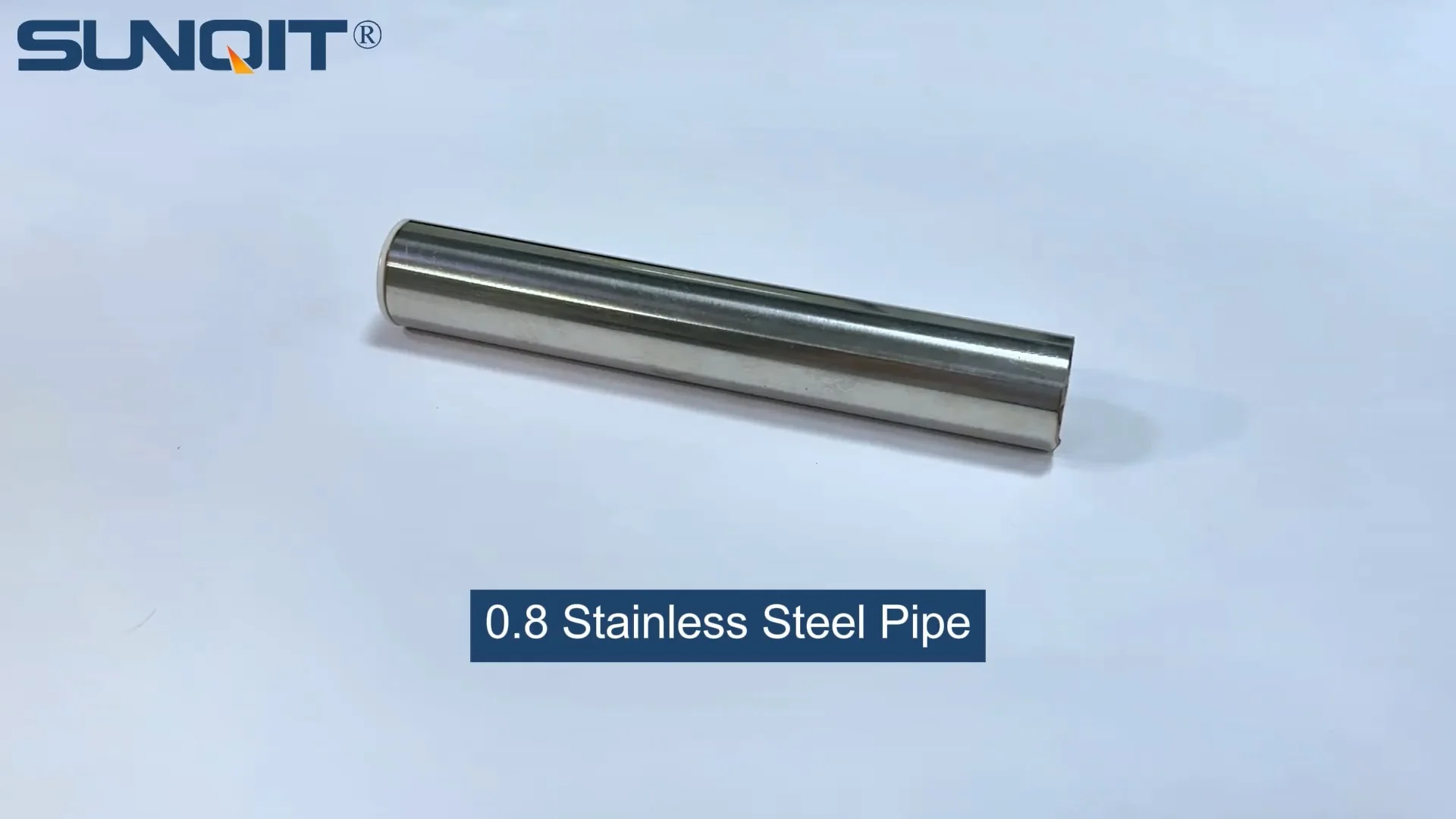
Stainless steel pipe, lean pipe, diameter is 28mm, material is SS201 or SS304, SS201 is normally used in the market. It knows a KARAKURI, KAIZEN material for industrial plant to improve efficiency, save labor cost, standard management.
Introduction: The Unsung Hero of Modern Manufacturing
Walk through any manufacturing facility today, and you'll likely spot a network of sleek, metallic structures quietly powering production: workbenches where technicians assemble delicate components, conveyors ferrying parts between stations, and racks organizing materials with precision. Behind these systems, often overlooked but critically important, is a component that forms their backbone: the 1.2mm stainless steel pipe. Thin yet remarkably strong, this unassuming tube is a workhorse in industries ranging from automotive and electronics to food processing and pharmaceuticals. But what ensures that a pipe, no thicker than a few sheets of paper, can reliably support the demands of global manufacturing? The answer lies in ISO standards—globally recognized benchmarks that turn raw metal into a symbol of quality, consistency, and trust.
In this article, we'll explore how ISO standards shape the production of 1.2mm stainless steel pipe, why these standards matter for manufacturers and suppliers alike, and how they contribute to the efficiency of lean systems worldwide. We'll dive into the specifics of what makes a 1.2mm stainless steel pipe ISO-compliant, from material composition to dimensional accuracy, and examine real-world applications where compliance isn't just a checkbox, but a cornerstone of operational success.
What Makes 1.2mm Stainless Steel Pipe Indispensable?
Before delving into standards, let's first understand why 1.2mm stainless steel pipe has become a staple in manufacturing. At just 1.2 millimeters thick, this pipe strikes a perfect balance between strength and flexibility. Stainless steel, known for its corrosion resistance and durability, ensures longevity even in harsh environments—whether exposed to moisture in food processing or chemicals in electronics assembly. The 1.2mm thickness, meanwhile, offers enough structural integrity to support workbenches and conveyor systems without adding unnecessary weight, making it ideal for lean manufacturing setups where space and efficiency are paramount.
This pipe is part of a broader stainless steel pipe series , which includes various diameters and thicknesses tailored to specific needs. However, the 1.2mm variant stands out for its versatility. It's thin enough to be easily shaped into custom structures using joints and connectors, yet robust enough to withstand the daily wear and tear of busy production lines. From the frame of a lightweight turnover trolley to the rails of a precision roller conveyor, 1.2mm stainless steel pipe is the quiet enabler of seamless workflow.

ISO Standards: The Global Language of Quality
Imagine a manufacturer in Germany sourcing 1.2mm stainless steel pipe from a supplier in China, then using that pipe to build workbenches for a customer in Brazil. Without a common set of standards, how would they ensure the pipe meets the same quality benchmarks across continents? This is where ISO (International Organization for Standardization) comes in. ISO standards are developed by experts from around the world to establish uniform criteria for products, services, and systems, ensuring compatibility, safety, and reliability on a global scale.
For 1.2mm stainless steel pipe, ISO standards cover every stage of production: from the raw materials used to the final testing before shipment. They dictate how the steel is alloyed, how the pipe is formed, and how it's inspected for defects. For manufacturers, compliance isn't just about meeting customer requirements—it's about gaining access to global markets, reducing waste from faulty components, and building a reputation for consistency. For suppliers, it's a way to differentiate themselves in a crowded market, signaling to buyers that their products are built to last.

Key ISO Standards for 1.2mm Stainless Steel Pipe
Several ISO standards are critical to ensuring the quality of 1.2mm stainless steel pipe. Let's break down the most important ones and what they entail:
| ISO Standard | Focus Area | Relevance to 1.2mm Stainless Steel Pipe |
|---|---|---|
| ISO 1127:2019 | Stainless Steel Tubes for General Applications | Specifies requirements for seamless and welded stainless steel tubes, including chemical composition, mechanical properties (tensile strength, elongation), and dimensional tolerances. Ensures the 1.2mm pipe has the right balance of strength and ductility. |
| ISO 9001:2015 | Quality Management Systems | Outlines a framework for suppliers to establish, implement, and maintain a quality management system (QMS). Ensures consistent production processes, from raw material sourcing to final inspection, reducing variability in 1.2mm pipe quality. |
| ISO 2102:2017 | Steel Tubes – Dimensions and Tolerances | Defines precise dimensional requirements for steel tubes, including outer diameter, wall thickness (critical for 1.2mm pipes), and straightness. Ensures pipes fit seamlessly with connectors and accessories, a must for modular systems like workbenches and conveyors. |
| ISO 10209:2017 | Steel Tubes – Testing Methods | Details procedures for testing steel tubes, such as hydrostatic pressure tests (to check for leaks), eddy current testing (to detect surface defects), and bending tests (to verify flexibility). Ensures 1.2mm pipes can withstand real-world stresses without failing. |
Take ISO 1127:2019, for example. This standard specifies that stainless steel tubes must contain a minimum of 10.5% chromium, the element that gives stainless steel its corrosion resistance. For 1.2mm pipe used in food processing conveyors, this is non-negotiable—even a small gap in corrosion resistance could lead to contamination. ISO 2102:2017, on the other hand, ensures that the pipe's wall thickness stays within tight tolerances (typically ±0.1mm for 1.2mm pipes). Why does this matter? If a pipe is too thin, it might bend under the weight of a workbench; too thick, and it could be too heavy for lightweight applications like turnover trolleys.
ISO 9001:2015, while not specific to steel pipes, is equally important. A supplier certified to ISO 9001 must document every step of production, from the batch of steel used to the date of inspection. This traceability is invaluable if a defect is discovered later—suppliers can quickly identify which batches are affected and rectify the issue, minimizing disruption for manufacturers relying on their 1.2mm pipe.
How ISO Standards Ensure Quality: From Raw Steel to Finished Pipe
To understand the impact of ISO standards, let's walk through the production process of 1.2mm stainless steel pipe and see where these standards come into play.
1. Raw Material Selection
ISO 1127:2019 mandates the chemical composition of the stainless steel used. For example, a common grade for 1.2mm pipe is 304 stainless steel, which must contain 18-20% chromium and 8-10.5% nickel. Suppliers must test each batch of steel to ensure it meets these requirements, often using spectroscopy to analyze the alloy. Without this step, a pipe might lack corrosion resistance, leading to premature failure in humid or chemical-rich environments.
2. Pipe Formation
Most 1.2mm stainless steel pipes are made using a welded process: a strip of stainless steel is rolled into a tube, and the edges are fused together using high-frequency induction welding. ISO 1127:2019 specifies the welding parameters, such as temperature and pressure, to ensure the weld is strong and free of defects like cracks or porosity. After welding, the pipe is cold-drawn to reduce its diameter and wall thickness to the desired 1.2mm, a process that improves its mechanical properties (like tensile strength) but must be controlled to avoid overworking the steel.
3. Dimensional Inspection
ISO 2102:2017 sets strict limits on dimensional accuracy. For a 20mm diameter 1.2mm wall pipe, the outer diameter must be within ±0.1mm, and the wall thickness within ±0.08mm. Suppliers use precision calipers and laser measuring tools to check these dimensions on every batch. Why does this matter? Imagine a manufacturer trying to assemble a workbench using pipes and connectors—if the pipe diameter is too large, the connectors won't fit; too small, and the joint will be loose, compromising stability.
4. Mechanical and Corrosion Testing
ISO 10209:2017 outlines tests to verify the pipe's performance. A tensile test, for example, pulls a sample of the pipe until it breaks, measuring how much force it can withstand and how much it stretches before fracturing. For 1.2mm 304 stainless steel pipe, ISO 1127:2019 requires a minimum tensile strength of 520 MPa and elongation (stretch before breaking) of 40%. These values ensure the pipe can support the weight of tools on a workbench or the constant movement of parts on a conveyor .
Corrosion testing is equally critical. The pipe may be exposed to a salt spray test (per ISO 9227) to simulate harsh environments, ensuring it resists rusting. For pipes used in food processing, this test is non-negotiable—even a tiny rust spot could contaminate products.
5. Quality Management (ISO 9001:2015)
Throughout production, ISO 9001:2015 ensures consistency. Suppliers must document every step, from the steel batch number to the operator who performed the welding. If a customer reports a defect, the supplier can trace it back to a specific production run, identify the root cause (e.g., a faulty welding electrode), and fix the issue to prevent recurrence. This level of accountability is why ISO 9001-certified suppliers are often preferred by manufacturers implementing lean systems —they minimize the risk of unexpected downtime due to component failures.
Applications: How ISO-Compliant Pipes Power Lean Systems
The true value of ISO-compliant 1.2mm stainless steel pipe shines in its applications. Let's look at how it supports key components of modern manufacturing:
1. Workbenches: Stability and Durability
A typical manufacturing workbench relies on a frame of stainless steel pipes and connectors. Whether it's an ESD workstation for electronics assembly or a heavy-duty bench for mechanical repairs, the 1.2mm pipe must provide a stable base. ISO standards ensure the pipe doesn't bend under load or corrode from spills, keeping the workbench functional for years. For example, a workbench used in a pharmaceutical lab must withstand frequent cleaning with harsh disinfectants—ISO-compliant stainless steel pipe resists pitting and staining, maintaining hygiene standards.
2. Conveyors: Smooth, Reliable Material Flow
Conveyors are the arteries of manufacturing, moving parts from one station to the next. Many conveyors use 1.2mm stainless steel pipe for their frames or roller tracks. The pipe's dimensional accuracy (per ISO 2102) ensures the rollers align perfectly, preventing jams. Its corrosion resistance is critical in food or beverage plants, where conveyors are regularly washed down. A non-compliant pipe might rust, causing rollers to seize and halting production—a scenario no lean system can afford.
3. Lean Systems: Reducing Waste, Maximizing Efficiency
At the heart of lean system philosophy is the elimination of waste—whether it's time, materials, or defects. ISO-compliant 1.2mm stainless steel pipe contributes to this by reducing variability. When pipes are consistent in size and strength, manufacturers can pre-design workbenches, conveyors, and racks, minimizing the need for on-site adjustments. Suppliers can also produce pipes in bulk with confidence, reducing lead times and costs. In short, ISO standards turn the pipe from a variable component into a predictable building block, making lean principles easier to implement.
Benefits for Suppliers and Manufacturers
For suppliers of 1.2mm stainless steel pipe, ISO certification is a competitive advantage. It signals to buyers that their products are reliable, reducing the need for extensive third-party testing. It also opens doors to global markets—many large manufacturers require ISO compliance as a prerequisite for partnership. For example, an automotive tier-1 supplier might only source pipes from ISO 9001-certified suppliers, ensuring the components meet strict quality standards for vehicle production.
For manufacturers, the benefits are equally clear. Using ISO-compliant pipe reduces the risk of production delays caused by faulty components. A workbench frame that bends under load or a conveyor that jams due to misaligned pipes can bring an assembly line to a halt, costing thousands in lost productivity. ISO standards mitigate this risk, ensuring the pipe performs as expected. Additionally, consistent pipe quality makes it easier to scale operations—manufacturers can replicate workstations or conveyor systems across multiple facilities with confidence, knowing the components will fit together seamlessly.
Challenges in Compliance
While the benefits of ISO compliance are clear, achieving and maintaining it isn't without challenges. For small suppliers, the cost of implementing an ISO 9001 QMS—including training staff, purchasing testing equipment, and undergoing certification audits—can be prohibitive. Ongoing compliance also requires regular audits and updates to processes as standards evolve (e.g., when ISO 1127 was revised in 2019). There's also the challenge of balancing quality with cost: using higher-grade steel or more rigorous testing can increase production costs, which suppliers may need to pass on to customers.
However, many suppliers find that the long-term benefits outweigh the costs. Compliance reduces the risk of product recalls, which can be far more expensive than the upfront investment in certification. It also builds customer loyalty—manufacturers are more likely to return to a supplier they trust to deliver consistent quality.
Conclusion: Small Pipe, Big Impact
The 1.2mm stainless steel pipe may be small in size, but its role in global manufacturing is enormous. It's the backbone of workbenches, conveyors, and lean systems, quietly enabling the production of everything from smartphones to surgical tools. And at the heart of its reliability lies ISO standards—globally recognized benchmarks that ensure every pipe, regardless of where it's made, meets the same high bar for quality.
For manufacturers, ISO-compliant pipe is more than just a component—it's a foundation for efficiency, safety, and customer trust. For suppliers, it's a ticket to global markets and a reputation for excellence. As manufacturing continues to evolve, with a growing focus on lean systems, automation, and sustainability, the importance of standards like ISO 1127, ISO 9001, and ISO 2102 will only increase. They remind us that even the smallest parts play a critical role in building a world where quality is universal.
So the next time you walk through a factory, take a moment to look at the workbenches and conveyors around you. Chances are, they're built with 1.2mm stainless steel pipe—ISO-certified, reliable, and ready to keep the world of manufacturing moving forward.