- Company Articles
- Industry articles
- Industry standards
- ISO Standards for T Slot Aluminum Pipe: Ensuring Quality and Safety

ISO Standards for T Slot Aluminum Pipe: Ensuring Quality and Safety
Related Product
T Slot Aluminum Pipe
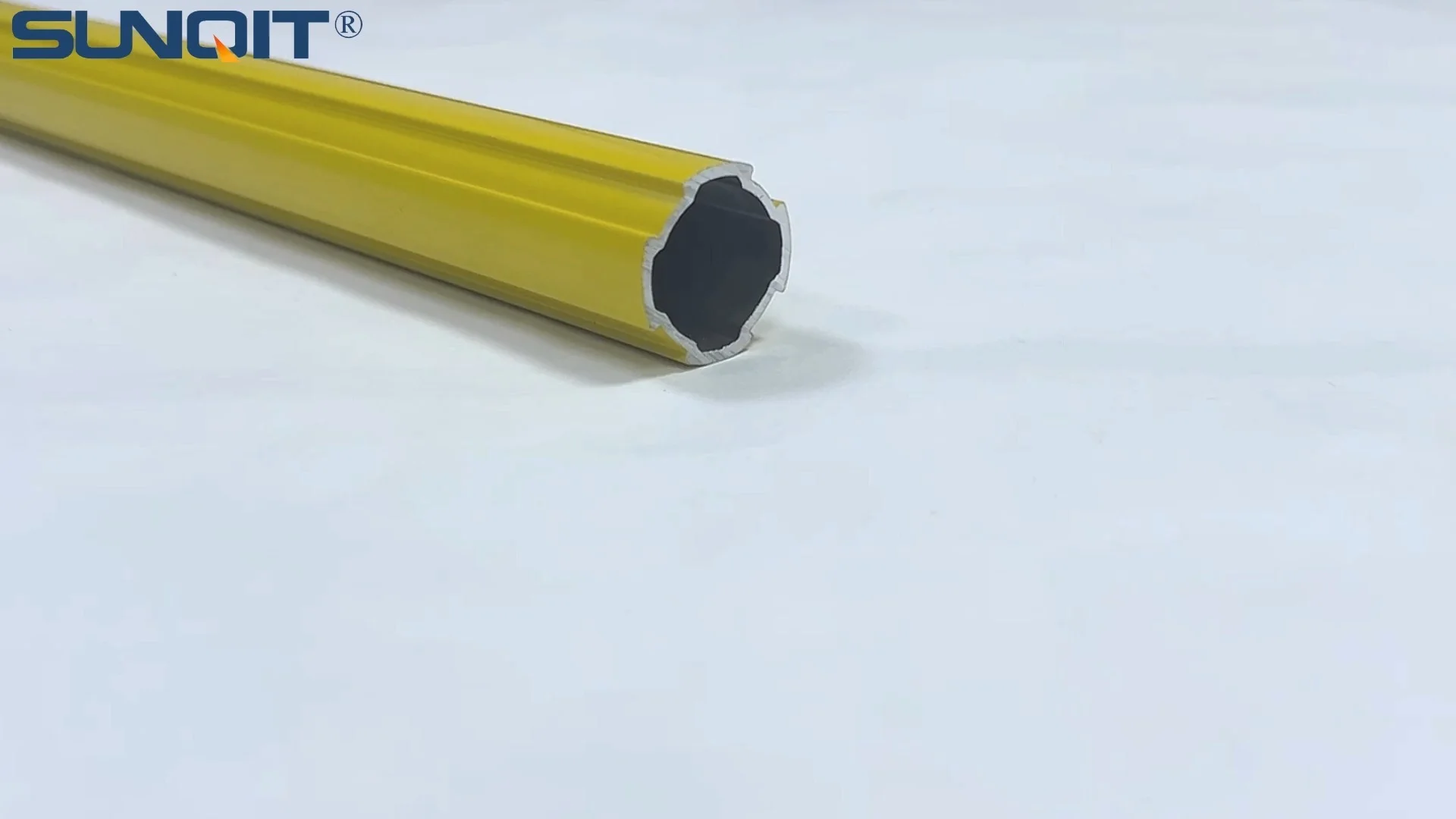
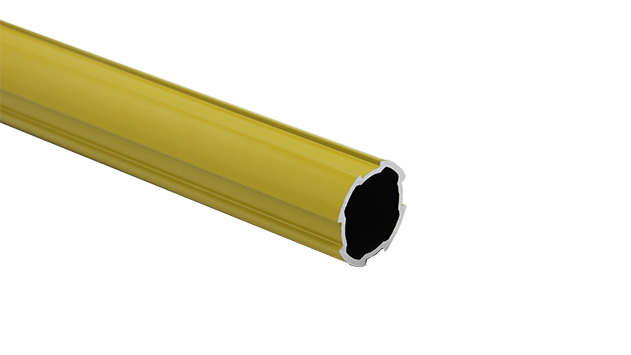
Aluminum pipe, it is used for workbench, flow rack,hand trolley assemble work with advantage of flexible and durable, yellow color makes it more attactive as a caution remind.
Walk into any modern factory, workshop, or even a tech startup's prototyping lab, and you'll likely spot a familiar sight: sleek, modular structures holding up workbenches, guiding conveyors, or organizing tools. Chances are, those structures are built with T slot aluminum pipe—a material so versatile it's often called the "building block of industrial flexibility." But what makes these pipes reliable enough to support assembly lines, hold heavy machinery, or even frame automated systems? The answer lies in a set of standards that quietly ensure every piece of aluminum extrusion meets strict benchmarks for quality and safety: ISO standards. In this article, we'll dive into how ISO standards shape the production of T slot aluminum pipe, why they matter for manufacturers and users alike, and how compliance transforms a simple metal tube into a cornerstone of efficient, safe operations.
What Exactly Is T Slot Aluminum Pipe?
Before we get into standards, let's make sure we're all on the same page about the star of the show: T slot aluminum pipe. Picture a long, hollow aluminum tube with a T-shaped groove running along its length. That groove isn't just a design quirk—it's what makes the pipe infinitely adaptable. Using simple bolts, brackets, or specialized aluminum profile accessories like end caps, connectors, or panel holders, you can attach almost anything to it: shelves, monitors, tools, or even other pipes. This modularity is why T slot aluminum pipe is everywhere, from lean manufacturing workstations to retail displays and robotics frames.
But not all T slot pipes are created equal. The material's strength, precision, and durability depend heavily on how it's made. Most T slot pipes start as aluminum extrusion profile —a process where heated aluminum alloy is pushed through a die to create the desired shape. This extrusion process is where quality control begins, and it's exactly where ISO standards step in to ensure consistency.
Why ISO Standards Matter for Aluminum Profiles
ISO (International Organization for Standardization) standards are like a global rulebook for quality. They're developed by experts from around the world to define best practices, safety thresholds, and performance benchmarks for everything from toys to medical devices—and yes, aluminum pipes. For aluminum profile manufacturers, adhering to ISO standards isn't just a "nice-to-have"; it's a way to guarantee that their products will work as promised, no matter where they're used.
Think about it: If you're an aluminum profile supplier selling to a car parts manufacturer in Germany, a electronics plant in Japan, and a furniture maker in Brazil, you can't afford to have one batch of pipes with loose tolerances and another with tight ones. ISO standards create a common language. When a supplier says, "Our T slot pipes meet ISO 10248," buyers know exactly what that means: consistent dimensions, reliable strength, and materials that won't fail unexpectedly. This trust is the foundation of global supply chains—and it's all thanks to ISO.
Key ISO Standards Shaping T Slot Aluminum Pipe Production
Several ISO standards directly impact how T slot aluminum pipe is made and tested. Let's break down the most critical ones and what they mean for the end product:
ISO 9001: Quality Management Systems
ISO 9001 isn't specific to aluminum, but it's the backbone of quality control for manufacturers. It sets requirements for a company's entire quality management system (QMS), from how raw materials are sourced to how finished products are tested and shipped. For an aluminum extrusion profile producer, ISO 9001 means having documented processes for everything: checking the purity of aluminum alloys, calibrating extrusion dies, and training workers to spot defects. This ensures that whether you order 10 pipes or 10,000, each one meets the same standards.
ISO 10248: Extruded Aluminum Profiles for General Engineering
If ISO 9001 is the QMS umbrella, ISO 10248 is the fine print for aluminum extrusions. This standard dives into the nitty-gritty of profile dimensions, tolerances, and mechanical properties. For example, it specifies how much a T slot pipe's width or thickness can vary from the stated size (usually no more than ±0.1mm for critical dimensions). It also outlines minimum tensile strength (how much force the pipe can handle before bending) and yield strength (the point at which it permanently deforms). For a T slot pipe used in a lean system —where every component must fit together perfectly—these tolerances are make-or-break. A pipe that's even slightly too thick might not fit into a connector, bringing an entire assembly line to a halt.
ISO 2106: Aluminum Alloys—Chemical Composition and Form
Aluminum alone is soft, so it's almost always mixed with other metals (like magnesium or silicon) to create stronger alloys. ISO 2106 ensures that these alloys are consistent. It defines the maximum and minimum percentages of each element in common alloys (e.g., 6063 aluminum, a popular choice for T slot pipes, must contain 0.45-0.9% silicon and 0.1-0.3% magnesium). Why does this matter? The right alloy composition gives the pipe its signature balance of strength, lightweight, and corrosion resistance. Without ISO 2106, a supplier might cut corners by using cheaper, impure alloys, leading to pipes that bend under load or rust in humid environments.
ISO 11844: Anodizing of Aluminum and Aluminum Alloys
Many T slot pipes have a protective anodized coating—a thin layer of aluminum oxide that boosts corrosion resistance and gives the pipe its matte finish. ISO 11844 sets standards for this process, specifying the thickness of the anodized layer (usually 5-20 microns for industrial use) and how to test its adhesion and wear resistance. A pipe with a subpar anodized layer might look good initially but could start pitting or fading after months of exposure to oils, chemicals, or moisture—common in factory settings.

How ISO Standards Ensure Quality: Beyond the Blueprint
Compliance with these standards doesn't just happen on paper. It translates to tangible differences in the quality of T slot aluminum pipe. Let's look at how ISO standards directly improve key attributes:
Dimensional Accuracy
Imagine building a workbench with T slot pipes where one leg is 2mm shorter than the others. The whole structure would wobble, risking damage to tools or injury to workers. ISO 10248 eliminates this risk by mandating strict dimensional tolerances. For example, the T slot itself—the groove that holds connectors—must have consistent width and depth. A deviation of just 0.2mm could mean a bracket won't lock securely, leading to parts slipping over time.
Mechanical Strength
T slot pipes often bear heavy loads: think of a material rack holding 50kg boxes or a conveyor track supporting moving parts. ISO 10248's mechanical property requirements ensure pipes can handle these stresses. A typical 6063-T5 aluminum pipe (T5 refers to heat treatment) must have a tensile strength of at least 160 MPa (megapascals). To put that in perspective, that's strong enough to support a small car without permanent deformation. Without ISO, a non-compliant pipe might only handle 100 MPa—fine for light use but disastrous in industrial settings.
Consistency Across Batches
ISO 9001's focus on documented processes ensures that today's batch of pipes is identical to last month's. This is critical for manufacturers who rely on modular systems. For example, a company building custom workbenches can order pipes from the same aluminum profile supplier six months apart and trust that the new pipes will fit existing accessories perfectly. No reworking, no delays, no extra costs.
| Quality Metric | Non-ISO Compliant Pipe | ISO Compliant Pipe |
|---|---|---|
| Dimensional Tolerance | ±0.5mm (inconsistent slot width) | ±0.1mm (uniform slot and pipe dimensions) |
| Tensile Strength | 100-140 MPa (may bend under heavy load) | ≥160 MPa (consistent, reliable strength) |
| Anodized Layer Thickness | 2-3 microns (prone to corrosion) | 5-20 microns (resistant to chemicals and moisture) |
| Alloy Purity | Impurities >0.5% (inconsistent performance) | Impurities <0.1% (stable, predictable alloy behavior) |

Safety First: How ISO Standards Protect Workers and Operations
Quality is important, but safety is non-negotiable. ISO standards go beyond making pipes "good"—they make them safe to use in real-world environments. Here's how:
Load Capacity and Structural Integrity
ISO 10248's mechanical tests (like tensile and bending tests) ensure pipes can handle their rated load without failing. For example, a pipe rated for 100kg must pass a test where it's loaded with 150kg (50% over capacity) for 100 hours without breaking or deforming. This "safety margin" prevents catastrophic failures, even if someone accidentally overloads a rack or workbench.
Corrosion Resistance
Factories are often harsh environments: humidity, oils, coolants, and even cleaning chemicals can eat away at metal. ISO 11844's anodizing standards create a barrier against corrosion. Anodized pipes tested to ISO 11844 can withstand 1,000 hours of salt spray testing (a common corrosion test) without red rust forming. This not only extends the pipe's lifespan but also prevents rust flakes from contaminating sensitive products, like electronics or medical devices.
Fire Safety
Aluminum is naturally fire-resistant, but some coatings or alloys can release toxic fumes when burned. ISO standards (like ISO 11925-2 for reaction to fire) ensure that any coatings used on T slot pipes (e.g., powder coatings for color) are non-toxic and don't contribute to fire spread. This is especially critical in enclosed spaces like factories or data centers, where fire safety can save lives.
Case Study: The Cost of Cutting Corners vs. ISO Compliance
To see the real impact of ISO standards, let's look at a hypothetical but realistic scenario. Company A buys non-ISO compliant T slot pipes from a low-cost supplier to build material racks for its warehouse. The pipes are cheaper upfront, but within six months:
- Three racks collapse because the pipes bend under load, damaging $10,000 worth of inventory.
- Corrosion sets in, requiring the racks to be replaced after just two years instead of the expected five.
- Workers complain about wobbly workbenches, leading to slower assembly times and a 5% drop in productivity.
Company B, by contrast, buys ISO-compliant pipes from a reputable aluminum profile supplier . The upfront cost is 15% higher, but:
- No racks collapse—load tests confirm the pipes handle 20% more weight than needed.
- Anodized coatings resist corrosion, so racks last seven years (exceeding the five-year target).
- Modular components fit perfectly, reducing assembly time by 10% and eliminating rework.
In the end, Company B saves money long-term, avoids downtime, and keeps workers safe—all because they invested in ISO-compliant T slot aluminum pipe.
The Role of Aluminum Profile Accessories in ISO Compliance
T slot aluminum pipe is only as good as the accessories that connect it—brackets, joints, casters, and end caps. ISO standards extend to these aluminum profile accessories too. For example, ISO 898-1 specifies the tensile strength of bolts used to secure brackets, ensuring they don't snap under stress. ISO 3269 sets tolerances for threaded holes in joints, so a bolt from one supplier fits a joint from another. This interoperability is key for modular systems: a manufacturer can mix and match accessories from different ISO-compliant suppliers without worrying about compatibility issues.
Conclusion: ISO Standards—The Silent Guardians of Industrial Reliability
T slot aluminum pipe is more than just metal; it's a tool that empowers innovation, efficiency, and safety in manufacturing and beyond. But its versatility would mean little without the consistency and reliability guaranteed by ISO standards. From the alloys used in extrusion to the coatings that protect against corrosion, ISO standards ensure that every pipe, every accessory, and every system built with them performs as expected—today, tomorrow, and for years to come. For buyers, choosing ISO-compliant products from a trusted aluminum profile supplier isn't just a purchase; it's an investment in peace of mind. And for manufacturers, compliance isn't just a certification—it's a commitment to excellence that builds trust, reduces waste, and drives success in a competitive global market. So the next time you see a T slot aluminum structure, remember: behind its sleek design lies a world of standards working to keep it strong, safe, and ready for whatever the future throws at it.