- Company Articles
- Industry articles
- Industry standards
- Key Characteristics of 3030b EU Standard Aluminum Profile You Need to Know

Key Characteristics of 3030b EU Standard Aluminum Profile You Need to Know
Related Product
3030B EU Standard Aluminum Profile
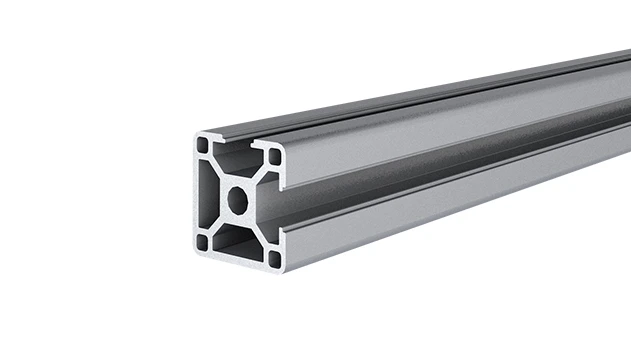
3030 is a 3.00 x 3.00CM fractional 30 series square extrusion T-slot profile with two side open T-slots, each side with 3.00cm face, 2 side with open slot, 2 side with closed face. The profile has align-a-grooves to assist in aligning connecting profiles.
If you've ever walked through a manufacturing plant, a warehouse, or even a tech startup's assembly area, you've probably seen them—those sleek, silver structures holding up workbenches, guiding conveyor belts, or organizing tools with precision. Chances are, many of those structures are built from aluminum profiles. These unassuming pieces of metal are the unsung heroes of modern lean manufacturing, quietly enabling efficiency, flexibility, and adaptability in workspaces around the world. Today, we're zeroing in on one profile that's become a staple for lean system suppliers and manufacturers alike: the 3030b EU Standard Aluminum Profile. Whether you're a small business owner looking to upgrade your workbench setup or a flow rack supplier sourcing components for a client, understanding what makes this profile unique can save you time, money, and headaches down the line. Let's dive in.
1. The Basics: What Exactly Is the 3030b EU Standard Aluminum Profile?
First things first: let's break down the name. "3030b" refers to its dimensions—30mm in width and 30mm in height, forming a square cross-section. The "b" denotes a specific variation within the 3030 EU standard series, distinguished by its T-slot design, which we'll get into later. "EU Standard" is crucial here; it means this profile adheres to strict European union regulations for material quality, dimensional accuracy, and safety—something any global supplier or manufacturer can appreciate when working across borders.
At its core, the 3030b is an aluminum extrusion profile, meaning it's created by pushing heated aluminum alloy through a die to form its precise shape. This process ensures consistency batch after batch, which is why lean system suppliers love it—no surprises when you're building modular systems for clients. But what really sets it apart? Let's unpack its key characteristics, starting with the material itself.
2. Material Quality: Strength Meets Lightweight Design
Aluminum profiles are only as good as the alloy they're made from, and the 3030b doesn't cut corners here. Most manufacturers use 6063-T5 aluminum alloy, a popular choice for extrusions thanks to its excellent balance of strength, corrosion resistance, and workability. Let's break that down:
- Strength-to-Weight Ratio: Aluminum is about one-third the weight of steel, but 6063-T5 still offers impressive tensile strength (around 180 MPa). This means the 3030b can support heavy loads—think tools, equipment, or even small machinery—without adding unnecessary bulk to your workspace. For example, a typical 3030b profile with a 1.5mm wall thickness can easily hold up a workbench top loaded with electronics or mechanical parts.
- Corrosion Resistance: 6063-T5 naturally forms a thin oxide layer when exposed to air, protecting it from rust and corrosion. Many suppliers take this a step further by anodizing the surface—an electrolytic process that thickens this oxide layer, giving the profile a smooth, matte finish and even better resistance to moisture, chemicals, and wear. This makes it ideal for environments like food processing facilities or outdoor workshops where durability matters.
- Malleability: While strong, aluminum remains easy to cut, drill, and modify on-site. This is a game-changer for lean manufacturing setups, where adaptability is key. Need to shorten a profile to fit a tight space? A basic hacksaw or miter saw will do the job. Want to add extra holes for custom brackets? A standard drill bit works without cracking or weakening the material.
Compare this to steel, which is heavier, prone to rust without painting, and harder to modify, and it's clear why aluminum extrusion profiles like the 3030b have become the go-to for modern workspaces.

3. T-Slot Design: The Secret to Its Versatility
Walk up to a 3030b profile and run your finger along its length—you'll notice the T-shaped slots running along each of its four sides. These slots are the profile's superpower. They allow you to attach aluminum profile accessories—brackets, connectors, end caps, shelves, and more—without welding, drilling, or permanent fasteners. It's like building with giant, industrial-grade Legos, and it's why the 3030b is so beloved for modular systems.
Let's get specific about the slot design in the 3030b. Unlike some other 3030 variants (we'll compare it to the 3030a later), the "b" model typically features a closed T-slot with a narrow opening and a wider channel inside. This design offers two big advantages:
- Secure Attachment: The narrow opening holds accessories in place, preventing them from slipping out even under vibration or movement. For example, a 3030 aluminum profile end cap (a common accessory) snaps into the slot and stays put, covering sharp edges and giving the profile a polished look.
- Compatibility with Standard Hardware: The slot size (usually around 8mm wide at the opening) works with standard T-slot nuts, bolts, and washers. This means you don't need special tools or proprietary parts—most hardware stores carry the basics, and lean system suppliers stock a wide range of compatible accessories.
Imagine building a flow rack for a warehouse: using 3030b profiles as the frame, you can attach roller tracks (another key accessory) directly to the T-slots, adjust their height or angle in minutes, and even reconfigure the entire rack later if your storage needs change. No welding, no waiting for custom parts—just quick, tool-free adjustments. That's the power of the T-slot design.
4. Dimensional Precision: Consistency You Can Count On
When you're building modular systems—whether it's a workbench, a material rack, or a conveyor guide—consistency is non-negotiable. A 1mm difference in profile width can throw off an entire assembly, leading to wobbly structures or misaligned components. This is where EU standards shine, and the 3030b delivers.
EU standards dictate strict tolerances for aluminum profiles. For the 3030b, that means:
- Cross-Section Accuracy: The 30mm x 30mm square is consistent within ±0.1mm across the length of the profile. So whether you're using a 1-meter section or a 6-meter section, the width and height stay the same, ensuring parts fit together seamlessly.
- Straightness: Profiles are extruded and cooled under controlled conditions to minimize warping. A typical 3030b profile will have a straightness tolerance of ≤0.5mm per meter, meaning no annoying bends or curves that make assembly a hassle.
- Wall Thickness Uniformity: The wall thickness (often 1.2mm, 1.5mm, or 2.0mm, depending on the supplier) is consistent from end to end. This ensures even load distribution—no weak spots that could fail under stress.
For a flow rack supplier, this consistency is a lifesaver. When you're shipping components to clients worldwide, you need to know that the 3030b profiles they receive will fit perfectly with the brackets and connectors you sent separately. No more "it worked in the factory, but not on-site" headaches.
5. Compatibility with Aluminum Profile Accessories: Building Your Perfect Setup
A profile is only as useful as the accessories it works with, and the 3030b plays well with others. Let's take a look at some of the most common aluminum profile accessories and how they enhance its functionality:
- Connectors: These are the glue that holds modular systems together. For 3030b, you'll find corner brackets (90° angles), T-connectors, and even 135° brackets for more complex structures. Many are designed to fit inside the T-slots, keeping the exterior sleek and uncluttered.
- End Caps: As mentioned earlier, 3030 aluminum profile end caps snap into the ends of the profile, covering sharp edges and preventing dust or debris from collecting in the T-slots. They come in various colors (black, silver, blue) to match your workspace aesthetic.
- Shelves and Panels: Whether you need a flat work surface or a vertical divider, you can attach plywood, MDF, or aluminum panels to the 3030b using shelf brackets or directly via T-slot bolts. This is how most workbenches are built—sturdy, customizable, and easy to replace if the surface gets damaged.
- Roller Tracks: For material handling, roller tracks (like the plastic or aluminum ones used in flow racks) can be mounted to the T-slots, creating gravity-fed systems for boxes, bins, or components. This is a staple in lean manufacturing, reducing the need for manual lifting and speeding up workflows.
- Casters: Want to make your workbench or material rack mobile? Attach caster wheels to the bottom of the 3030b frame using mounting plates. Many casters even have brakes, so you can lock the structure in place when needed.
The beauty of this compatibility is that you're not limited to one supplier's accessories. Most aluminum profile accessories are standardized, so you can mix and match parts from different brands to create exactly what you need. For example, a lean system supplier might source 3030b profiles from one manufacturer and end caps from another, knowing they'll fit perfectly.
6. Load-Bearing Capacity: How Much Can It Really Hold?
We touched on strength earlier, but let's get concrete: how much weight can the 3030b actually support? It depends on a few factors: wall thickness, profile length, and how it's supported. Here are some real-world numbers to give you an idea:
- Vertical Load (Compression): A 1-meter length of 3030b with a 1.5mm wall thickness can support over 500kg when used as a vertical leg (like in a workbench or rack). Increase the wall thickness to 2.0mm, and that number jumps to 700kg or more.
- Horizontal Load (Bending): When used horizontally (e.g., as a shelf or beam), the load capacity drops, but it's still impressive. A 1-meter horizontal span of 1.5mm wall 3030b can hold around 50kg in the middle without noticeable bending. Add supports every 50cm, and you can double that load.
- Dynamic Loads: For moving parts—like conveyor systems or carts—the 3030b handles vibration and impact well, thanks to its rigidity. Just avoid overloading it beyond the recommended limits, as repeated stress can lead to fatigue over time.
To put this in perspective: a typical electronics assembly workbench built with 3030b (four vertical legs, two horizontal beams per shelf) can easily support a 20kg toolbox, a 15kg monitor, and various components without wobbling or sagging. For heavier applications, suppliers often recommend pairing 3030b with thicker-walled profiles or adding cross-braces for extra stability.
7. Compliance with EU Standards: More Than Just a Stamp
"EU Standard" isn't just a marketing buzzword—it's a promise of quality. For the 3030b, this means adhering to regulations like EN 755 (aluminum and aluminum alloy extruded profiles) and EN 12020 (tolerances for extruded profiles). What does this mean for you as a buyer or supplier?
- Safety: EU standards restrict the use of harmful substances like lead or cadmium, ensuring the profile is safe for use in environments where workers might come into contact with it (no toxic fumes during cutting or handling).
- Reliability: Dimensional tolerances are enforced, so you know the 30mm x 30mm cross-section you ordered is exactly what arrives. This is critical for global suppliers shipping to clients in Europe, Asia, or the Americas—no rework needed to meet local specs.
- Certifications: Most reputable suppliers will provide CE marking, RoHS compliance, or even ISO 9001 certification for their 3030b profiles. These documents give you peace of mind that the product has been tested and meets international quality standards.
For a lean system supplier, this compliance is a competitive edge. When pitching to clients in regulated industries—automotive, aerospace, or medical devices—being able to say, "Our systems use EU-standard aluminum profiles" builds trust and sets you apart from suppliers cutting corners with non-certified materials.
8. 3030b vs. Other Aluminum Profiles: When to Choose "b"
With so many aluminum profiles on the market, how do you know if the 3030b is right for your project? Let's compare it to two common alternatives: the 3030a EU Standard and the 4040 series.
| Feature | 3030b EU Standard | 3030a EU Standard | 4040 EU Standard |
|---|---|---|---|
| Dimensions | 30mm x 30mm | 30mm x 30mm | 40mm x 40mm |
| T-Slot Design | Closed slot (narrow opening) | Open slot (wider opening) | Closed or open slot (varies by subtype) |
| Max Load Capacity (1m horizontal span) | 50-70kg (1.5mm wall) | 40-60kg (1.5mm wall) | 80-100kg (1.5mm wall) |
| Best For | Workbenches, flow racks, small material racks | Light-duty shelving, temporary structures | Heavy machinery frames, large conveyor systems |
| Accessory Compatibility | Standard 3030 accessories | Some overlap, but fewer options | 4040-specific accessories (wider slots) |
The key takeaway? The 3030b hits the sweet spot between the lighter 3030a and the bulkier 4040 series. It's strong enough for most medium-duty applications but still lightweight and space-efficient. If you're building workbenches, small flow racks, or modular carts, the 3030b is likely your best bet. Save the 4040 series for when you need to support heavy machinery or larger loads.
9. Real-World Applications: Where 3030b Shines
To truly understand the 3030b's value, let's look at how it's used in real workplaces. Here are a few common applications:
Workbenches
From electronics assembly to woodworking, workbenches are the heart of any workshop—and 3030b is the backbone of many modern workbenches. A typical setup might use four 3030b legs (1.5mm wall) with horizontal beams connecting them, topped with a plywood or aluminum panel. Add a shelf halfway up for storage, and you've got a sturdy, customizable workspace that can be modified with tool hooks, monitor arms, or even LED lights via the T-slots.
Flow Racks
Flow racks are essential for lean warehouses, allowing materials to slide from the back to the front via gravity. The 3030b is ideal for the frame, with roller tracks mounted to the T-slots at a slight angle. This setup is popular in automotive parts distribution, where bins of screws, washers, or gaskets need to be easily accessible to assembly line workers.
Material Handling Carts
Need to move tools or components around the shop? Build a cart with 3030b frames, add a plywood deck, and mount casters to the bottom. The lightweight design makes it easy to push, while the T-slots let you add dividers, tool holders, or even a handlebar for control. Many hospitals and labs use similar carts for transporting equipment—clean, durable, and easy to sanitize.
Safety Guards and Enclosures
In manufacturing, safety is paramount. The 3030b can be used to build protective guards around machinery, with clear acrylic panels attached via T-slot brackets. This keeps workers safe while still allowing visibility of the equipment in operation. The anodized finish also makes these guards easy to clean, a must in food or pharmaceutical plants.
Case Study: Small Manufacturer Upgrades with 3030b
A local electronics manufacturer was struggling with outdated, rickety workbenches that wobbled under the weight of their equipment. Their lean system supplier recommended switching to 3030b-based workbenches. Within a week, they had six new workbenches, each with built-in tool storage, adjustable shelves, and even power strips mounted via T-slot brackets. The result? Workers reported less fatigue (no more leaning over wobbly surfaces), and assembly errors dropped by 15% thanks to the stable workspace. Best of all, when they expanded six months later, they were able to add new sections to the workbenches using extra 3030b profiles and accessories—no need to buy entirely new setups.
10. Sourcing 3030b: Tips for Working with Suppliers
Now that you're sold on the 3030b, how do you find a reliable supplier? Here are a few tips:
- Ask for Samples: A reputable supplier will send you a sample profile so you can check the finish, wall thickness, and straightness. Look for smooth edges, consistent anodization, and no visible dents or warping.
- Check Certifications: Ensure they can provide documentation proving compliance with EU standards (EN 755, EN 12020) and RoHS compliance. This is especially important if you're selling to European clients.
- Compare Lead Times: Aluminum extrusion is a batch process, so lead times can vary. Ask how quickly they can fulfill orders—most suppliers can deliver standard lengths (3m, 4m, 6m) within 1-2 weeks, while custom lengths may take longer.
- Look for Bundled Accessories: Many suppliers offer kits with 3030b profiles, connectors, end caps, and brackets—great for small projects or first-time buyers. This saves you the hassle of sourcing accessories separately.
- Read Reviews: Check online reviews or ask for references. A supplier with happy customers is more likely to deliver quality products and responsive service.
Remember, a good supplier isn't just a vendor—they're a partner. A lean system supplier who understands your needs can help you choose the right wall thickness, accessories, and configurations to maximize the 3030b's potential in your workspace.
11. Sustainability: A Greener Choice for Modern Manufacturing
These days, sustainability isn't just a trend—it's a business imperative. Aluminum profiles like the 3030b align with eco-friendly practices in a few key ways:
- Recyclability: Aluminum is 100% recyclable, and recycling it uses just 5% of the energy needed to produce new aluminum. This means at the end of its life, your 3030b profile can be melted down and turned into new products—no waste.
- Longevity: The 3030b's durability means it lasts for decades, reducing the need for frequent replacements. This lowers your carbon footprint over time compared to flimsy, disposable alternatives.
- Energy Efficiency: Its lightweight design reduces transportation costs and fuel usage when shipping profiles or finished products. For example, a truckload of 3030b profiles carries more units than steel profiles, cutting down on delivery trips.
For companies aiming for LEED certification or simply wanting to reduce their environmental impact, the 3030b is a smart choice.
12. Final Thoughts: Why 3030b Deserves a Spot in Your Workspace
The 3030b EU Standard Aluminum Profile isn't just another piece of metal—it's a building block for efficient, adaptable, and sustainable workspaces. Its combination of strength, lightweight design, T-slot versatility, and EU compliance makes it a top pick for lean system suppliers, manufacturers, and small business owners alike. Whether you're building a workbench, a flow rack, or a custom material cart, the 3030b delivers the reliability and flexibility modern workplaces demand.
So, the next time you're planning a workspace upgrade, don't overlook this unassuming profile. Talk to your local lean system supplier, ask for a sample, and see for yourself how the 3030b can transform your operations—one T-slot at a time.