- Company Articles
- Industry articles
- Industry News
- Key Factors Driving Adoption of Single Side Aluminum Pipe in Lean Systems

Key Factors Driving Adoption of Single Side Aluminum Pipe in Lean Systems
Related Product
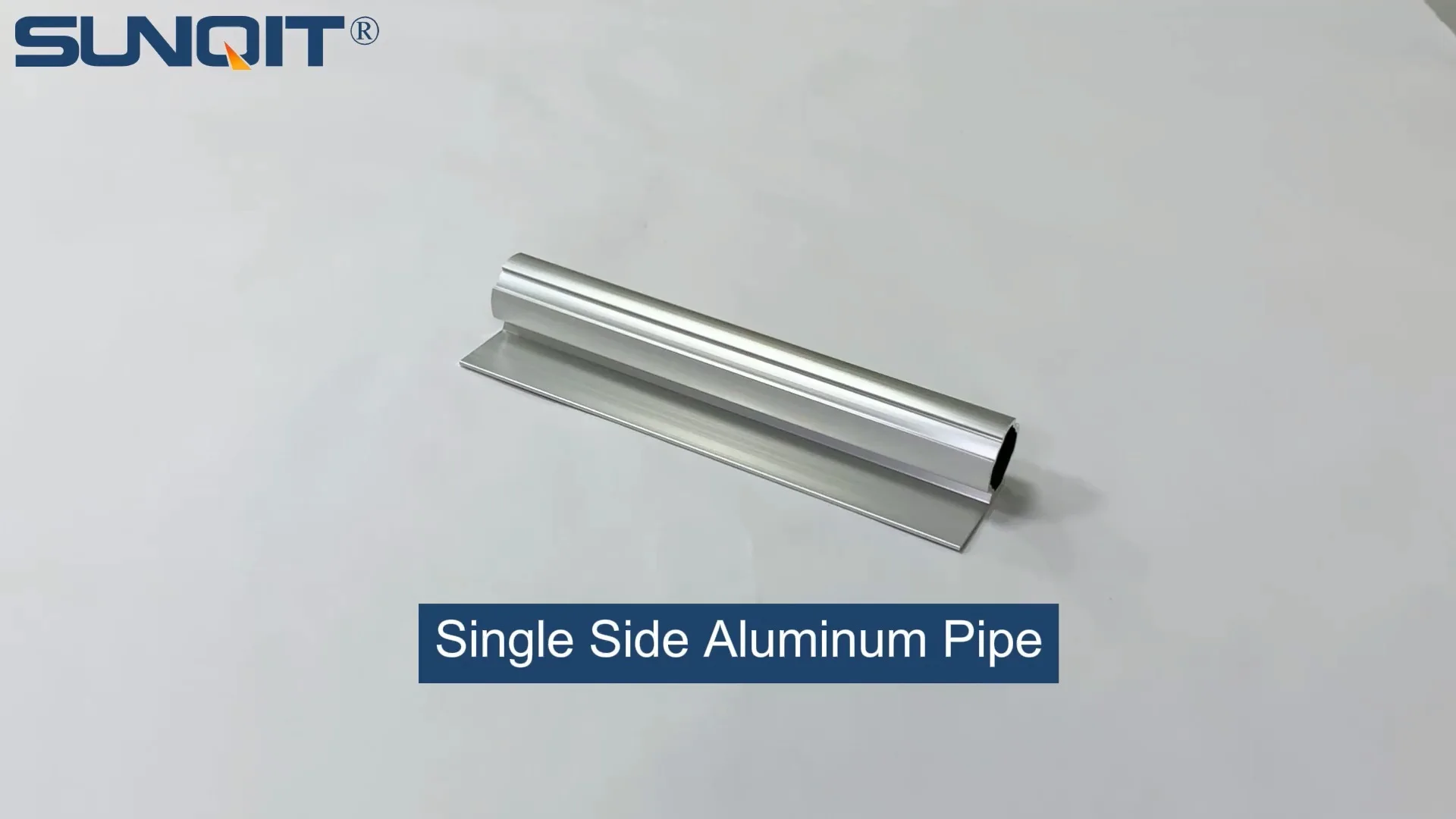
Single Side Aluminum Pipe
The single-sided plane can be installed with a back-mounted material box, and can also be used as a sidewall or partition.
In the fast-paced world of manufacturing, where efficiency and adaptability can make or break a production line, lean systems have become more than just a buzzword—they're a lifeline. At the heart of these systems lies a quiet revolution: the rise of single side aluminum pipe. Far more than just a structural component, this unassuming material has quietly transformed how factories, warehouses, and assembly plants operate, enabling teams to build, modify, and optimize their workflows with unprecedented ease. But what exactly is driving its rapid adoption? Let's dive into the key factors that make single side aluminum pipe an indispensable tool in modern lean systems.
1. Unmatched Flexibility: The Backbone of Agile Manufacturing
Lean systems thrive on adaptability—responding quickly to changes in demand, product design, or production needs. Traditional rigid structures, often welded or bolted into place, act as bottlenecks in this process. Single side aluminum pipe, however, is the antithesis of rigidity. Its modular design, paired with a wide range of aluminum profile accessories, allows teams to assemble, disassemble, and reconfigure structures in hours, not days.
Consider a scenario: A electronics manufacturer suddenly needs to shift production from smartphones to tablets to meet a surge in demand. With a traditional steel workbench, this might require hiring contractors to modify the setup, leading to downtime and added costs. With single side aluminum pipe, the team can simply loosen the joints, adjust the height and width of the workbench, and reattach the components—all with basic tools and minimal disruption. This flexibility isn't just convenient; it's a competitive advantage.
The secret lies in the pipe's lightweight yet sturdy construction. Unlike heavy steel pipes, aluminum is easy to handle, reducing the risk of workplace injuries during reconfiguration. Its smooth T-slot design also allows for quick attachment of accessories like shelves, tool holders, or conveyor rails, making it simple to customize a workbench or flow rack to specific tasks. Whether you're building a temporary assembly line for a seasonal product or a permanent material rack, single side aluminum pipe adapts to your needs, not the other way around.
2. Durability That Stands the Test of Time (and Wear)
Flexibility means little if a system can't withstand the daily grind of a manufacturing environment. Single side aluminum pipe excels here, too, thanks to aluminum's natural resistance to corrosion and wear. Unlike steel, which rusts when exposed to moisture or chemicals, aluminum forms a protective oxide layer that shields it from damage—making it ideal for use in factories with strict cleanliness standards, such as those in the food processing or pharmaceutical industries.
But durability isn't just about resisting rust. It's about maintaining structural integrity under constant use. Single side aluminum pipe, often reinforced with internal supports, can handle heavy loads without bending or warping. Take a flow rack in a warehouse, for example: loaded with boxes of components, it's subjected to daily impacts from forklifts and constant sliding of goods. A steel rack might dent or crack over time, but an aluminum rack? It stays strong, ensuring that materials flow smoothly from storage to production lines without interruptions.
Even in high-traffic areas, like assembly workbenches where operators stand for hours, lean tube systems built with single side aluminum pipe hold up. The material's resilience reduces the need for frequent repairs or replacements, lowering maintenance costs and extending the lifespan of equipment. For manufacturers looking to invest in long-term solutions, this durability is a game-changer.

3. Cost-Efficiency: More Than Just an Initial Investment
At first glance, single side aluminum pipe might seem pricier than alternatives like plastic or basic steel. But lean manufacturing teaches us to look beyond upfront costs—and here, aluminum pipe shines. Its cost-efficiency stems from three key areas: reusability, low maintenance, and reduced downtime.
| Material | Initial Cost | Reusability | Maintenance Costs | Long-Term Value |
|---|---|---|---|---|
| Single Side Aluminum Pipe | Moderate | High (90%+ components reusable) | Low (no rust treatment needed) | Excellent |
| Steel Pipe | Low | Low (welded joints hard to reuse) | High (rust prevention, repainting) | Fair |
| Plastic Pipe | Low | Moderate (prone to cracking) | Moderate (replacement of worn parts) | Poor |
Reusability is a standout feature. When a production line is retired or redesigned, aluminum pipe components can be stripped down, cleaned, and reassembled into new structures—saving the cost of purchasing entirely new equipment. A lean system supplier might even offer bulk discounts on aluminum profile accessories, further lowering the cost of reconfiguration.
Maintenance costs are another area where aluminum pipe saves money. Unlike steel, it doesn't require regular painting or rust treatment. A quick wipe with a damp cloth is often enough to keep it clean and functional. And because aluminum profile accessories like joints and connectors are designed for repeated use, they rarely need replacement, reducing the need for spare parts inventories.
Perhaps most importantly, the reduced downtime from easy reconfiguration and low maintenance adds up to significant savings. In manufacturing, every minute of downtime can cost thousands of dollars in lost production. With single side aluminum pipe, teams spend less time waiting for repairs and more time making products—turning efficiency into profit.

4. Seamless Compatibility with Aluminum Profile Accessories
A pipe is only as useful as the accessories that bring it to life. Single side aluminum pipe's popularity is amplified by its compatibility with a vast ecosystem of aluminum profile accessories—from simple joints to complex conveyor systems. This compatibility transforms basic pipes into fully functional lean tools, tailored to specific workflows.
Take workbenches, for example. A single side aluminum pipe frame can be paired with aluminum honeycomb panels for a sturdy work surface, caster wheels for mobility, and tool hooks for organization. Need to add a shelf for components? Just slide a bracket into the T-slot and secure it with a screw. Want to integrate a roller track for easy material flow? Attach a plastic roller track guide rail (available in yellow or grey) to the pipe, and suddenly parts glide smoothly from one station to the next.
Flow racks are another example of this synergy. By combining single side aluminum pipe with swivel roller balls (1 inch or 0.5 inch) and aluminum guide rails, manufacturers can create gravity-fed systems that move materials with minimal effort. This not only reduces manual labor but also ensures a steady, predictable flow of components—key to maintaining lean principles like just-in-time production.
Even specialized needs, like ESD (electrostatic discharge) protection, are met with compatible accessories. ESD workbenches can be built using aluminum pipe frames paired with conductive materials, ensuring sensitive electronics aren't damaged by static electricity. The ability to mix and match accessories means that single side aluminum pipe isn't just a one-size-fits-all solution—it's a platform for endless customization.

5. Sustainability: Aligning with Green Manufacturing Goals
Modern manufacturing isn't just about efficiency—it's about responsibility. Lean systems aim to reduce waste, and single side aluminum pipe aligns perfectly with this mission by promoting sustainability. Aluminum is 100% recyclable, with no loss in quality during the recycling process. When a lean system reaches the end of its life, the pipe can be melted down and reused to create new components, reducing reliance on virgin materials and minimizing landfill waste.
But sustainability goes beyond recyclability. The production of aluminum pipe has a lower carbon footprint than steel, especially when using recycled aluminum (which requires 95% less energy than producing new aluminum). For companies looking to meet environmental regulations or corporate sustainability goals, choosing aluminum pipe is a tangible step toward reducing their environmental impact.
Additionally, the modular design of single side aluminum pipe reduces waste during initial setup. Unlike traditional construction, where cutting and welding steel often results in scrap metal, aluminum pipe systems are built with pre-cut lengths and reusable joints, minimizing material waste. Even better, when a system is reconfigured, old components can be repurposed rather than discarded—further cutting down on waste.
In an era where consumers and stakeholders increasingly value eco-friendly practices, single side aluminum pipe helps manufacturers tell a story of responsibility. It's not just a tool for efficiency; it's a choice that reflects a commitment to a greener future.
Conclusion: More Than a Pipe—A Lean Revolution
Single side aluminum pipe has quietly become the unsung hero of modern lean systems. Its flexibility, durability, cost-efficiency, compatibility with accessories, and sustainability make it more than just a component—it's a catalyst for change. As manufacturers strive to do more with less, reduce waste, and adapt to ever-shifting market demands, this humble pipe stands at the center of it all.
Whether you're a small workshop building custom workbenches or a large factory reconfiguring entire production lines, single side aluminum pipe offers a path to leaner, more efficient operations. It's a reminder that sometimes the most impactful innovations aren't flashy—they're the ones that work, adapt, and endure. And in the world of lean manufacturing, that's everything.