- Company Articles
- Industry articles
- Industry News
- Lean Manufacturing Sustainability: 1.2mm Stainless Steel Pipe's Reusability Benefits

Lean Manufacturing Sustainability: 1.2mm Stainless Steel Pipe's Reusability Benefits
Related Product
1.2mm Stainless Steel Pipe
Stainless steel pipe, lean pipe, diameter is 28mm, material is SS201 or SS304, SS201 is normally used in the market. It knows a KARAKURI, KAIZEN material for industrial plant to improve efficiency, save labor cost, standard management.
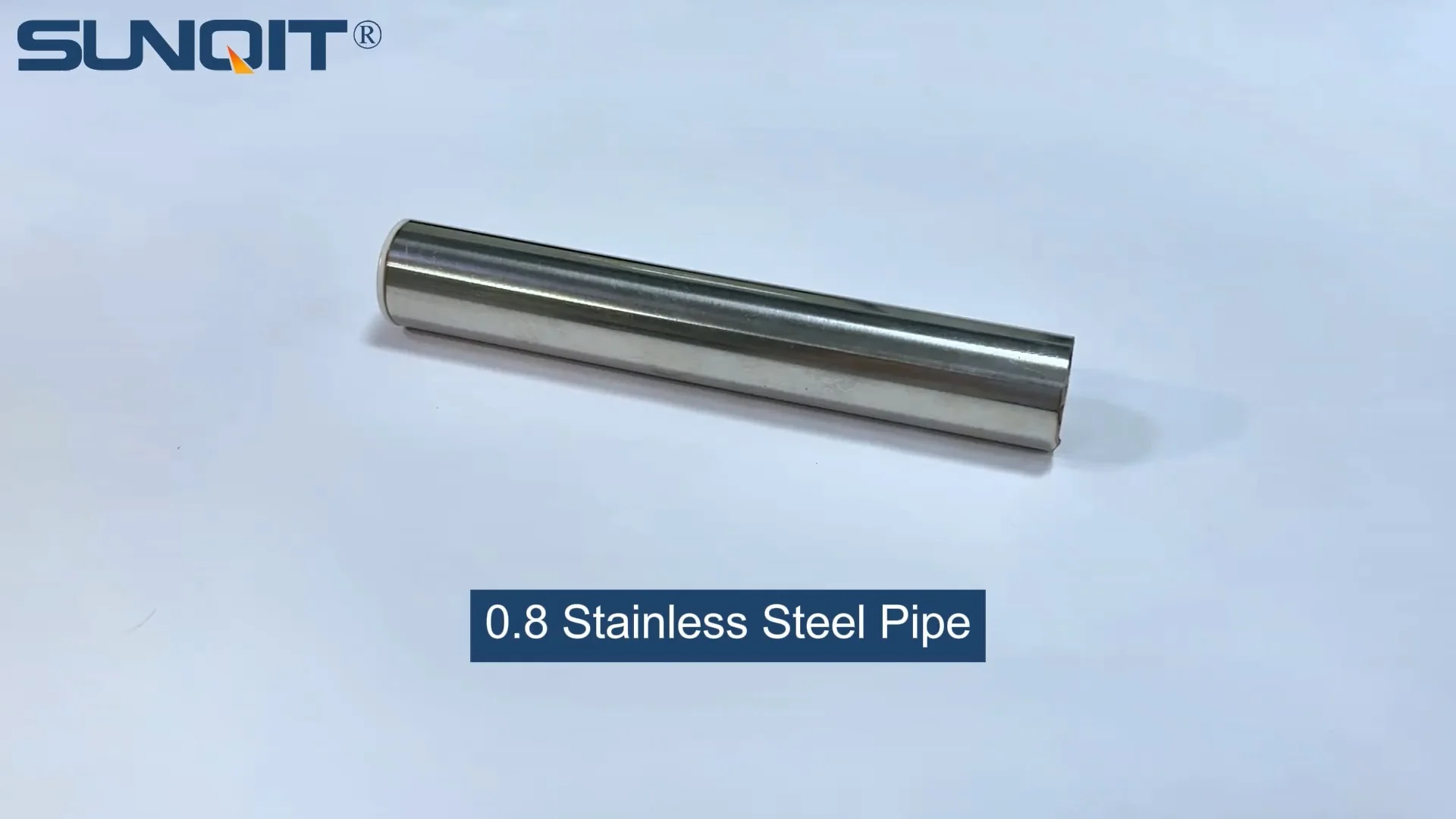
How a single material choice can transform efficiency, reduce waste, and drive long-term value in modern production
The Intersection of Lean Systems and Sustainability in Modern Manufacturing
In today's manufacturing landscape, two priorities stand tall: the need to streamline operations for maximum efficiency and the responsibility to reduce environmental impact. For decades, lean system principles have guided factories to eliminate waste, optimize workflows, and cut costs—but as the world shifts toward greener practices, sustainability has become more than a buzzword; it's a business imperative. The question now is: How can manufacturers weave sustainability into the fabric of their lean strategies without sacrificing productivity? The answer often lies in the materials they choose.
Walk through any production floor, and you'll see the tools of the trade: workbenches cluttered with parts, material racks overflowing with inventory, conveyor systems humming to move goods. These structures are the backbone of manufacturing, but their lifecycle tells a hidden story of waste. Traditional setups often rely on fixed, single-use materials—wooden shelves that splinter after a year, plastic components that crack under heavy loads, or low-grade steel pipes that rust and become obsolete. When production lines reconfigure or demand shifts, these structures are often dismantled and discarded, ending up in landfills and draining budgets for replacements.
Enter the stainless steel pipe series —specifically, the 1.2mm variant. At first glance, it might seem like just another industrial material, but its unique blend of strength, durability, and adaptability is redefining how lean systems approach sustainability. Unlike rigid alternatives, 1.2mm stainless steel pipes are designed to be reused, reconfigured, and repurposed, turning what was once a "use-and-discard" asset into a long-term investment. Let's dive into why this material is becoming a cornerstone of sustainable lean manufacturing.
Why 1.2mm Stainless Steel Pipe? The Science of Reusability
Not all stainless steel pipes are created equal. The 1.2mm thickness is a sweet spot that balances two critical factors: structural integrity and flexibility. Thicker pipes (2.0mm or more) are strong but, making them hard to maneuver and reconfigure. Thinner options (0.8mm) save weight but lack the durability to withstand repeated assembly and disassembly. At 1.2mm, these pipes strike a rare balance—they're lightweight enough to be handled by a single worker yet robust enough to support heavy loads, whether it's a workbench in an electronics assembly line or a material rack in a automotive parts warehouse.
But thickness is just the start. Stainless steel's inherent properties make it a sustainability standout. Unlike carbon steel, it resists corrosion, rust, and chemical damage—so even after years of exposure to oils, coolants, or humidity, it retains its structural integrity. This longevity means fewer replacements and less waste. What truly unlocks its reusability, though, is its compatibility with modular components—specifically, lean pipe joint systems.
Lean pipe joints are the unsung heroes here. These small, often overlooked connectors allow 1.2mm stainless steel pipes to be assembled into virtually any structure—from a simple trolley to a complex multi-tiered material rack—without welding, drilling, or permanent fasteners. Twist a joint onto a pipe, lock it in place, and you've got a sturdy frame. Need to adjust the height of a workbench? Loosen the joint, reposition the pipe, and tighten. When the production line retools, disassemble the entire structure, sort the pipes and joints, and rebuild something new. It's like building with industrial-grade Legos, but for grown-ups.
This modularity transforms the lifecycle of manufacturing equipment. A 1.2mm stainless steel pipe doesn't have a "shelf life" tied to one specific use. A pipe that once supported a conveyor guard can, with a few new joints, become part of a turnover trolley. A section of a dismantled material rack can be repurposed as a side rail for a workbench. This isn't just recycling—it's upcycling at its most efficient, keeping materials in use for years (even decades) instead of sending them to landfills.
Case Study: How a Small Electronics Manufacturer Cut Waste by 65% with Stainless Steel Pipes
To see this in action, let's look at a real-world example: a mid-sized electronics manufacturer in the Midwest that specializes in circuit board assembly. Three years ago, their production floor was a patchwork of fixed structures. Their workbenches were made of particleboard, which warped under the weight of soldering equipment; their material racks were welded steel, custom-built for specific component sizes; and their component delivery systems relied on plastic roller tracks that cracked under frequent use. When they decided to shift to a more flexible, high-mix production model, they faced a dilemma: retooling would mean scrapping most of their existing infrastructure, at a cost of over $50,000 and a mountain of waste.
Instead, they turned to 1.2mm stainless steel pipes and lean pipe joints. Their first project was replacing the particleboard workbenches. Using stainless steel pipes, aluminum honeycomb panels, and adjustable joints, they built modular workstations that could be reconfigured in minutes—lowering the height for seated assembly, adding side shelves for tools, or expanding the surface area for larger boards. When a new client required smaller circuit boards six months later, they didn't buy new workbenches; they simply disassembled the existing ones, shortened the pipes, and rebuilt them to the new specs.
Next, they tackled their material racks. Previously, each rack was welded to hold specific component bins, so when a supplier changed bin sizes, the racks became useless. With stainless steel pipes and joints, they built adjustable racks with removable shelves—now, bins of any size slide in, and the height between shelves can be tweaked with a wrench. Even better, when they added a second shift and needed more storage, they repurposed pipes from the old welded racks (which were still in good condition, thanks to stainless steel's corrosion resistance) to build new ones, saving $12,000 on materials.
The results? Over three years, the company reduced waste from structural materials by 65%, cut spending on new equipment by 40%, and saw a 25% improvement in production line changeover times. Their sustainability team reported a 30% drop in carbon emissions linked to manufacturing and transporting replacement parts. "It's not just about saving money," said their operations manager. "It's about building a factory that can adapt without leaving a trail of waste. The stainless steel pipes aren't just tools—they're partners in our lean and green journey."

Cost vs. Value: The Hidden ROI of Reusable Stainless Steel
Skeptics might argue: "Stainless steel costs more upfront than wood or plastic—how does that fit into lean's cost-cutting goals?" It's a fair question. A 1.2mm stainless steel pipe does carry a higher initial price tag than, say, a PVC pipe or a wooden dowel. But lean systems teach us to look beyond upfront costs and focus on total cost of ownership (TCO)—and here, stainless steel shines.
Consider this: A wooden workbench might cost $150, but it lasts 1–2 years before warping or breaking. A 1.2mm stainless steel workbench, built with pipes and joints, might cost $300 upfront—but with proper care, it can last 10+ years, and even then, its components can be repurposed. When you factor in replacement costs, labor for disposal, and the environmental fees tied to waste, the stainless steel option often pays for itself in 2–3 years. Add in the flexibility to reconfigure instead of replace, and the ROI grows even faster.
| Material | Initial Cost (Workbench) | Typical Lifespan | Reusability | 5-Year TCO* | Waste Generated (5 Years) |
|---|---|---|---|---|---|
| Wood | $150 | 1–2 years | Low (splintered wood, non-recyclable) | $750–$1,050 (3–7 replacements) | ~200 lbs (broken benches, fasteners) |
| Plastic | $200 | 2–3 years | Low (cracks, UV degradation) | $600–$800 (2–4 replacements) | ~150 lbs (non-biodegradable plastic) |
| Low-Grade Steel (0.8mm) | $250 | 3–4 years (rusts easily) | Medium (welded joints, hard to disassemble) | $500–$625 (2 replacements) | ~100 lbs (rusted steel, non-reusable joints) |
| 1.2mm Stainless Steel | $300 | 10+ years (corrosion-resistant) | High (modular joints, repurposable pipes) | $350 (initial + minor joint replacements) | ~10 lbs (worn joints, recyclable) |
*TCO includes initial cost, replacement costs, labor for assembly/disassembly, and waste disposal fees.
The table tells a clear story: over five years, 1.2mm stainless steel costs less than half as much as wood or plastic and outperforms low-grade steel by a wide margin. But the value goes beyond dollars. When a manufacturer can reconfigure a material rack in an hour instead of waiting a week for a custom-built replacement, they gain agility—the ability to respond to customer demand faster, take on new projects, and stay ahead of competitors. In today's fast-paced market, that agility is priceless.

Beyond the Factory Floor: The Environmental Ripple Effect
Sustainability isn't just about what happens inside the factory walls—it's about the entire lifecycle of materials. Every time a 1.2mm stainless steel pipe is reused, it sends a ripple of positive environmental impact far beyond production lines.
Consider raw material extraction: producing new steel requires mining iron ore, melting it in furnaces, and refining it—processes that release significant carbon emissions. By reusing existing stainless steel pipes, manufacturers reduce the demand for new steel, cutting down on mining and energy use. The Stainless Steel Association estimates that recycling or reusing stainless steel saves 75% of the energy required to produce new steel from raw materials. For a factory that reuses 1000 meters of 1.2mm pipe annually, that's equivalent to taking 2 cars off the road for a year.
Then there's transportation. Traditional, single-use structures often require frequent deliveries of new materials—wood from a lumberyard, plastic from a distributor, steel from a foundry. Each delivery adds to a company's carbon footprint. With reusable stainless steel systems, once the initial pipes and joints are on-site, the need for new deliveries plummets. A study by the Lean Enterprise Institute found that manufacturers using modular stainless steel setups reduced transportation-related emissions by 35% compared to those using fixed structures.
Even at the end of their lifecycle, stainless steel pipes don't become waste. Unlike plastic, which can take centuries to decompose, or wood, which rots and releases methane, stainless steel is 100% recyclable. When a pipe finally wears out (after decades of use), it can be melted down and turned into new pipes, appliances, or construction materials—closing the loop on the circular economy.
Getting Started: Tips for Adopting 1.2mm Stainless Steel in Your Lean System
Ready to bring the benefits of 1.2mm stainless steel pipes to your factory? Here are practical steps to start:
1. Audit Your Current Structures: Walk your production floor and identify fixed, single-use structures—workbenches, material racks, trolleys—that are frequently reconfigured or replaced. These are your low-hanging fruit for replacement.
2. Start Small: Don't overhaul your entire facility at once. Begin with a high-traffic area, like an assembly workbench or a picking station. Build a stainless steel prototype, test its reusability, and measure the results before scaling up.
3. Train Your Team on Joint Systems: The magic of modularity lies in the joints. Invest in a short training session to teach workers how to assemble, disassemble, and reconfigure pipes safely. Most lean pipe joint systems are intuitive—many workers pick it up in under an hour.
4. Track Metrics: Measure waste reduction, cost savings, and changeover times before and after adoption. These metrics will not only justify the investment but also help you refine your approach for future projects.
5. Partner with a Reputable Supplier: Not all stainless steel pipes are created equal. Look for suppliers who specialize in lean manufacturing materials—they'll help you choose the right pipe thickness, joint types, and accessories for your specific needs.
Conclusion: The Future of Lean is Reusable
Lean manufacturing has always been about more than efficiency—it's about respect for people and the planet, too. In 1.2mm stainless steel pipes, we find a tool that embodies both: a material that streamlines workflows, cuts costs, and reduces waste, all while standing the test of time. It's not just a pipe; it's a statement that sustainability and productivity can go hand in hand.
As manufacturers face growing pressure to do more with less—less waste, less energy, less cost—the reusable stainless steel pipe series is emerging as a quiet revolutionary. It's proof that the most impactful innovations aren't always flashy robots or high-tech software; sometimes, they're the humble materials that work harder, last longer, and leave a lighter footprint.
So, the next time you look at your production floor, ask yourself: Are my tools working for my lean system, or against it? With 1.2mm stainless steel pipes, the answer can be a resounding "for"—today, tomorrow, and for years to come.