- Company Articles
- Industry articles
- Industry standards
- Lean Pipe Systems: Integrating 2020 National Standard Profile for Reusability

Lean Pipe Systems: Integrating 2020 National Standard Profile for Reusability
Related Product
2020 National Standard Profile
45° external bending joint, used for 45° external connection of two aluminum pipes.
In the fast-paced world of manufacturing and warehousing, efficiency isn't just a buzzword—it's the backbone of staying competitive. For years, lean pipe systems have been the unsung heroes of streamlined workflows, helping teams reduce waste, improve organization, and adapt to changing needs. But as industries evolve, so do the tools that power them. Today, we're diving into a game-changer: the integration of the 2020 national standard profile into lean pipe systems, and how this shift is redefining reusability, durability, and flexibility for businesses big and small.
The Heart of Lean: Why Pipe Systems Matter
Before we get into the specifics of standards and profiles, let's take a step back. Lean manufacturing isn't just about cutting costs—it's about creating systems that work with your team, not against them. At its core, a lean pipe system is a modular framework built from pipes, joints, and accessories that can be configured into workbenches, flow racks, conveyor systems, and more. What makes them so powerful is their simplicity: no welding, no complex tools, just a few components that snap together to form exactly what you need, when you need it.
But here's the catch: not all lean pipe systems are created equal. In the past, inconsistent sizing, low-quality materials, and mismatched accessories meant that even the most well-intentioned setups could become frustratingly rigid. A workbench built last year might not fit with a new flow rack this year because the pipes are slightly different diameters. A joint from one supplier might not lock securely with a pipe from another. These small inconsistencies add up—wasting time, money, and the very flexibility lean systems are supposed to provide.
Enter the 2020 National Standard Profile: A New Benchmark for Consistency
Imagine trying to build a puzzle where every piece comes from a different box. That's what working with non-standard lean pipe systems often felt like. The 2020 national standard profile was designed to solve exactly that problem. Developed with input from manufacturers, engineers, and industry experts, this standard sets clear guidelines for dimensions, material quality, and compatibility across lean pipe components. Whether you're using aluminum pipes, steel joints, or plastic roller tracks, the 2020 profile ensures everything works together seamlessly—no more guesswork, no more wasted parts.
Let's break down why this matters. For starters, consistency means reusability. In the past, if you needed to reconfigure a workbench into a turnover trolley, you might have had to replace half the components because they didn't fit the new design. With the 2020 standard, those same pipes and joints can be disassembled and reassembled into something entirely new. It's like having a set of building blocks that never go out of style—your initial investment keeps paying off as your needs change.

Aluminum Profile: The Star of the Show
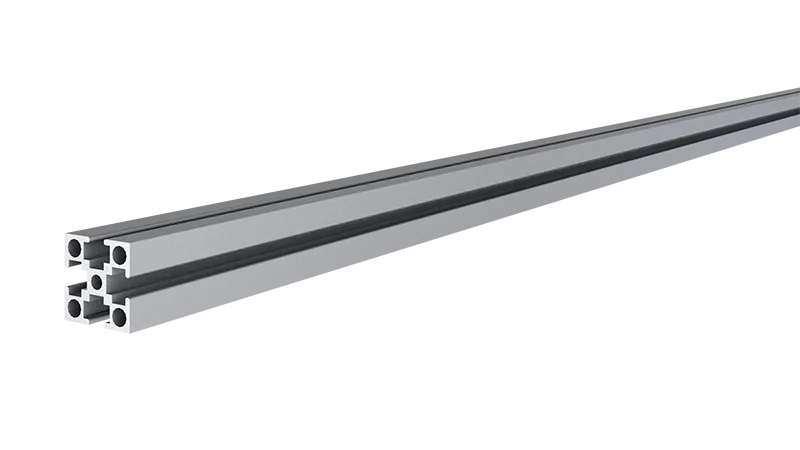
While the 2020 standard covers a range of materials, one component stands out as a game-changer: aluminum profile . Unlike traditional steel pipes, aluminum profiles are lightweight, corrosion-resistant, and infinitely customizable—all while maintaining the strength needed for heavy-duty applications. What makes the 2020 standard aluminum profile so special is its precision. The T-slot design, standardized wall thickness, and uniform dimensions mean that accessories like brackets, connectors, and panel mounts fit perfectly every time. No more forcing joints or worrying about wobbly structures—this is lean engineering at its finest.
Take, for example, a manufacturer that produces electronic components. Their assembly line requires static-free workspaces, so they invest in ESD workbenches built with aluminum profiles. Six months later, demand spikes, and they need to add two more workstations. With the 2020 standard, they can order additional aluminum pipes and joints from any supplier, confident they'll match the existing setup. The new workbenches are up and running in hours, not days—minimizing downtime and keeping production on track.
Beyond the Pipe: Accessories That Enhance Reusability
A lean pipe system is only as good as its accessories, and the 2020 standard doesn't stop at pipes and profiles. It also includes guidelines for everything from roller tracks to casters, ensuring that every part of your setup is designed to be reused and reconfigured. Let's look at a few key players:
- Roller Tracks: Whether you're moving boxes along a flow rack or feeding parts to an assembly line, roller tracks need to be smooth, durable, and adaptable. The 2020 standard specifies dimensions for roller spacing, track width, and connector types, so you can mix and match straight sections, curves, and switches without compatibility issues. A warehouse using roller tracks for order fulfillment can easily extend a track or add a branch by swapping out sections—no need to replace the entire system.
- Joints and Connectors: These are the glue that holds your system together. The 2020 standard ensures that joints—like the 90° aluminum crossing joint or parallel aluminum joint—lock securely and maintain their grip over time. Even better, many joints are designed to be disassembled and reused without losing strength, so you can take apart a material rack and turn it into a turnover trolley with the same components.
- Casters and Leveling Feet: Mobility is key in dynamic workspaces, but so is stability. Standardized casters with locking mechanisms and adjustable leveling feet mean you can easily convert a stationary workbench into a mobile cart by swapping out feet for wheels—no drilling or modifications required.
Reusability in Action: How the 2020 Standard Saves Time and Money
Let's get practical. How does integrating the 2020 national standard profile and aluminum profile actually impact your bottom line? Let's compare two scenarios: a business using older, non-standard lean pipe components, and one using the 2020 standard system.
| Scenario | Non-Standard System | 2020 Standard System (with Aluminum Profile) |
|---|---|---|
| Initial Setup Cost | Lower upfront, but hidden costs in mismatched parts. | Slightly higher initial investment, but no wasted components. |
| Reconfiguration Time | 2-3 days to reconfigure a workbench (due to incompatible parts). | 4-6 hours to reconfigure (all parts fit; no custom modifications). |
| Component Reusability | ~30% of parts can be reused in new setups. | ~90% of parts can be reused (pipes, joints, tracks, and accessories). |
| Long-Term Durability | Steel pipes prone to rust; joints loosen over time. | Aluminum profile resists corrosion; standardized joints maintain grip for years. |
| Total Cost Over 5 Years | Higher due to replacement parts and downtime. | 30-40% lower, thanks to reusability and reduced maintenance. |
The numbers speak for themselves: reusability isn't just about being eco-friendly—it's about smart economics. When you can repurpose 90% of your lean pipe components, you're not just saving money on new parts; you're saving time, labor, and the frustration of constant rework.
Real-World Impact: Stories from the Factory Floor
To truly understand the difference the 2020 standard makes, let's hear from a few businesses that have made the switch. Take "TechFlow Manufacturing," a mid-sized electronics producer in the Midwest. Before adopting the 2020 national standard profile, their assembly area was a patchwork of workbenches and racks from different suppliers. When they needed to rearrange the line for a new product, they spent two weeks sourcing compatible parts and rebuilding structures—costing them thousands in lost production.
"We were stuck in this cycle of buying new parts every time we changed something," says Maria Gonzalez, TechFlow's operations manager. "Then we switched to aluminum profiles with the 2020 standard. Last quarter, we reconfigured three workbenches into a material rack and two packing stations in a single day. The parts just clicked together—no measuring, no guessing. It was like night and day."
Another example comes from "LogiServe Warehousing," which manages inventory for several retail clients. Their biggest challenge? Seasonal fluctuations in demand. During peak periods, they need extra flow racks and conveyor systems; during slow times, those same systems take up valuable space. With non-standard roller tracks, they used to have to dismantle and store entire racks, only to find parts missing or damaged when they needed them again.
"Now, with standardized roller tracks and aluminum profiles, we can break down a rack into individual components and store them compactly," explains warehouse supervisor Raj Patel. "When the holidays hit, we pull out the parts, reassemble the racks, and we're ready in hours. It's not just about efficiency—it's about peace of mind knowing our tools won't let us down."
Choosing the Right Supplier: What to Look For
Integrating the 2020 national standard profile into your lean system is a smart move, but it only works if you partner with the right supplier. Not all suppliers adhere strictly to the standard, so here are a few tips to ensure you're getting the real deal:
- Ask for Certification: Reputable suppliers will have documentation proving their products meet the 2020 national standard. Don't be afraid to ask for test reports or material certifications.
- Test Compatibility: Order a small sample of pipes, joints, and a roller track to test how well they fit together. A quick assembly test can save you from headaches down the line.
- Check Material Quality: Aluminum profiles should have a smooth finish, consistent wall thickness, and no visible defects. Steel components should be corrosion-resistant, and plastic parts (like roller track guide rails) should be durable and impact-resistant.
- Look for a Range of Accessories: A good supplier will offer everything from casters to ESD panels, all designed to work with their 2020 standard products. This ensures you won't have to mix and match brands later.
The Future of Lean: Sustainability and Adaptability
As businesses around the world prioritize sustainability, the 2020 national standard profile is more relevant than ever. Aluminum is 100% recyclable, and the reusability of standard components means less waste ending up in landfills. For companies aiming to reduce their carbon footprint, this isn't just a bonus—it's a necessity.
But sustainability isn't the only future-facing benefit. The rise of automation and Industry 4.0 means manufacturing and warehousing systems need to adapt quickly to new technologies. A lean pipe system built with the 2020 standard can easily integrate with automated conveyor belts, robotic arms, and smart inventory tracking tools—all without a complete overhaul. It's a foundation that grows with your business, not against it.
Final Thoughts: Lean Into the Standard
At the end of the day, lean manufacturing is about more than just efficiency—it's about creating a workplace that empowers your team to do their best work. The integration of the 2020 national standard profile into lean pipe systems isn't just a technical upgrade; it's a commitment to flexibility, reliability, and long-term success. Whether you're a small workshop or a large-scale manufacturer, investing in standardized aluminum profiles, roller tracks, and accessories is an investment in your team's ability to adapt, innovate, and thrive.
So, if you're still using a hodgepodge of non-standard components, ask yourself: How much time and money could you save with a system that works as hard as you do? The answer might surprise you. Lean pipe systems have always been about simplifying work—now, with the 2020 standard, they're simpler, smarter, and more reusable than ever. It's time to lean in.