- Company Articles
- Industry articles
- Industry standards
- Lean Tube Systems: 2020 EU Standard Aluminum Profile for Sustainable Production

Lean Tube Systems: 2020 EU Standard Aluminum Profile for Sustainable Production
Related Product
2020 EU Standard Aluminum Profile
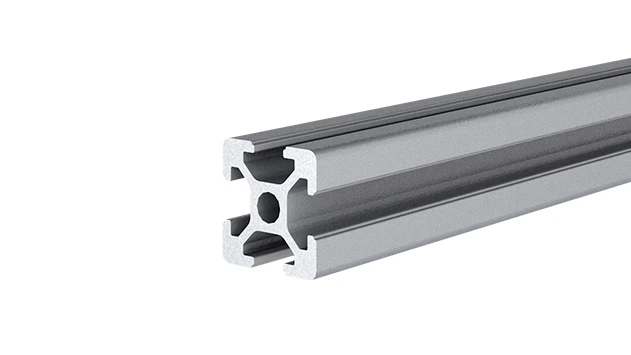
2020 is a 2.00 x 2.00CM fractional 20 series square extrusion T-slot profile with four open T-slots, one on each 2.00 face. The profile has align-a-grooves to assist in aligning connecting profiles.
In today's fast-paced manufacturing landscape, two priorities stand out above the rest: efficiency and sustainability. Factories and production facilities worldwide are grappling with the dual challenge of streamlining operations to stay competitive while reducing their environmental footprint to meet stricter regulations and consumer demands. Enter lean tube systems—a modular, flexible solution designed to eliminate waste and boost productivity. But not all lean systems are created equal. As sustainability takes center stage, the materials that power these systems have become just as critical as their design. This is where the 2020 EU Standard Aluminum Profile emerges as a game-changer, blending the efficiency of lean manufacturing with the eco-friendly benefits of aluminum. Let's dive into how this innovative material is reshaping sustainable production.
The Shift to Lean and Sustainable Manufacturing: Why It Matters Now
Lean manufacturing isn't a new concept. Born from the Toyota Production System in the mid-20th century, its core principles—eliminating waste, optimizing flow, and continuous improvement—have become foundational for modern production. But in recent years, "lean" has evolved. Today, it's not enough to just cut costs and speed up processes; manufacturers must also account for their environmental impact. Climate change concerns, tightening carbon regulations, and a growing consumer preference for eco-conscious brands have pushed sustainability from a "nice-to-have" to a business imperative.
This shift has put traditional lean tube systems, often built with steel or plastic, under scrutiny. Steel is durable but heavy, requiring more energy to transport and install. Plastic, while lightweight, is derived from fossil fuels and often ends up in landfills after its lifecycle. Enter aluminum—a material that checks both boxes: it's strong, lightweight, and infinitely recyclable. And when standardized to meet rigorous EU guidelines, like the 2020 EU Standard Aluminum Profile, it becomes the backbone of a truly sustainable lean system.
Understanding Lean Tube Systems: More Than Just Pipes and Joints
At its core, a lean tube system is a modular framework made from pipes, joints, and accessories that can be configured into workbenches, flow racks, conveyors, and material trolleys. What makes them "lean" is their flexibility: unlike fixed, custom-built structures, these systems can be easily adjusted, expanded, or reconfigured to adapt to changing production needs. Need to retool a line for a new product? Swap out a few joints and add extra shelves. Moving a workbench to a new location? Just unlock the casters and roll it into place. This adaptability eliminates the waste of building new structures from scratch and reduces downtime during transitions.
But the magic of lean tube systems lies in their ability to transform abstract lean principles into tangible, day-to-day operations. For example, a well-designed flow rack—equipped with roller tracks—ensures materials move smoothly from storage to assembly, minimizing manual handling and reducing the risk of bottlenecks. A modular workbench can be customized with tool holders, ESD (electrostatic discharge) protection, and adjustable heights, creating a workspace tailored to worker comfort and efficiency. These aren't just pieces of equipment; they're tools that empower teams to work smarter, not harder.
The Role of Materials: Why Aluminum Stands Out
While lean systems can be built with various materials, aluminum has emerged as the material of choice for forward-thinking manufacturers. Here's why: Aluminum is approximately 30% the weight of steel, making it easier to transport, install, and reconfigure. This lightness also reduces the load on factory floors and equipment, extending their lifespan. But its biggest advantage? Sustainability. Aluminum is 100% recyclable, and recycling it requires just 5% of the energy needed to produce new aluminum from raw bauxite ore. This closed-loop lifecycle drastically cuts carbon emissions and reduces reliance on virgin materials.
Not all aluminum is created equal, though. The 2020 EU Standard Aluminum Profile sets a benchmark for quality, safety, and environmental responsibility. Developed by the European Committee for Standardization (CEN), these standards specify strict tolerances for dimensions, material purity, and manufacturing processes. For example, profiles must meet precise straightness and thickness requirements to ensure compatibility with accessories like joints and roller tracks. They also adhere to EU regulations on hazardous substances (such as RoHS and REACH), ensuring the aluminum is free from harmful chemicals. For manufacturers, this means peace of mind: using 2020 EU Standard Aluminum Profile guarantees a system that's not only durable and reliable but also compliant with the world's most stringent environmental and safety standards.

Key Components of 2020 EU Aluminum Lean Systems: Building Blocks of Efficiency
A lean tube system is only as strong as its components. The 2020 EU Standard Aluminum Profile serves as the backbone, but it's the combination of profiles, joints, and accessories that makes these systems truly versatile. Let's break down the essentials:
Aluminum Extrusion Profiles: The Foundation
Aluminum extrusion profiles are the "tubes" in lean tube systems. Made by forcing heated aluminum through a die, they come in various shapes and sizes to suit different applications. The 2020 EU Standard includes profiles like the 2020, 3030, and 4040 series—named for their width and height in millimeters (e.g., 2020 = 20mm x 20mm). These profiles feature T-slots along their length, which allow accessories like brackets, shelves, and roller tracks to be attached without drilling or welding. This T-slot design is a game-changer for flexibility: components can be slid into place and secured with bolts, making reconfiguration quick and tool-friendly.
For example, a 4040 aluminum extrusion profile might form the frame of a workbench, while 2020 profiles serve as supports for shelves. The standardized dimensions ensure that a joint designed for a 3030 profile will work seamlessly across brands, giving manufacturers the freedom to mix and match components from different suppliers without compatibility issues.
Joints and Connectors: The Glue That Holds It All Together
Joints are the unsung heroes of lean systems, enabling the modularity that makes these setups so adaptable. The 2020 EU Standard includes a range of aluminum joints, from simple 90-degree connectors to internal rotary joints that allow for adjustable angles. Many joints feature a "snap-and-lock" design, meaning they can be attached to profiles by hand—no need for tools. This not only speeds up assembly but also makes disassembly a breeze when reconfiguring the system.
Take the internal rotary aluminum joint, for instance. This joint allows two profiles to rotate relative to each other, making it ideal for adjustable shelves or angled work surfaces. Need to tilt a shelf to better access materials? Just loosen the joint, adjust the angle, and tighten it back down. It's this level of flexibility that traditional steel or wooden structures can't match.
Workbenches: Where Production Meets Comfort
Workbenches are the heart of any production line, and aluminum lean workbenches take ergonomics and efficiency to the next level. Built with 2020 EU Standard Aluminum Profiles, these workbenches are customizable in height, width, and depth. They can be fitted with accessories like tool rails, LED task lights, and ESD mats (critical for electronics manufacturing, where static electricity can damage components). Many models also include built-in roller tracks or drawers for storing tools and materials, keeping the workspace organized and reducing time spent searching for supplies.
One popular configuration is the "Workbench E (single deck-without caster)," a sturdy, fixed-height bench designed for tasks that require stability, like precision assembly. For more mobile setups, adding casters (another key accessory) transforms the bench into a mobile workstation that can be moved to where it's needed most. The aluminum frame ensures the bench is lightweight enough to roll easily but strong enough to support heavy loads—up to 500kg or more, depending on the profile thickness.
Flow Racks: Keeping Materials Moving
In lean manufacturing, "flow" is everything. Materials should move smoothly from storage to the point of use, minimizing delays and manual handling. Flow racks—also known as gravity-fed racks—are designed to do just that. Built with aluminum profiles and roller tracks, these racks use gravity to move materials forward as items are removed from the front. This ensures first-in, first-out (FIFO) inventory management, reducing waste from expired or obsolete materials.
A common setup is the "Material Rack B (3 row and 3 floor)," which features three levels of roller tracks, each with three rows for storing bins or containers. The roller tracks themselves are typically made from plastic or aluminum, with wheels that glide smoothly to minimize friction. For example, "Plastic Roller Track Guide Rail Yellow" is a popular choice for visual management—its bright color makes it easy to identify specific lanes or material types. The tracks are mounted to aluminum profiles using brackets like the "Roller Track Placon Mount for Aluminum Profile Flat," ensuring a secure fit that can withstand constant use.
Sustainability in Action: How Aluminum Lean Systems Reduce Environmental Impact
Sustainability isn't just about using "green" materials—it's about the entire lifecycle of a product. Aluminum lean systems excel here, offering benefits from production to disposal (and beyond):
- Reduced Energy Use: Aluminum's lightweight nature reduces energy consumption during transportation and installation. A truck can carry more aluminum profiles than steel ones, cutting down on fuel use and emissions.
- Long Lifespan: Aluminum is resistant to corrosion and wear, meaning lean systems built with 2020 EU Standard profiles can last for decades. This reduces the need for frequent replacements, lowering overall material consumption.
- Recyclability: At the end of their lifecycle, aluminum profiles can be melted down and recycled into new products with no loss of quality. This closed-loop system reduces reliance on mining and cuts carbon emissions by up to 95% compared to producing new aluminum.
- Modularity = Less Waste: The ability to reconfigure systems means fewer new materials are needed when production lines change. Instead of scrapping an entire workbench, you can simply add or remove components—saving both materials and money.
To put this in perspective, consider a traditional steel lean system versus one built with 2020 EU Standard Aluminum Profile. The steel system, while durable, is heavier (increasing transportation emissions), harder to reconfigure (leading to more waste when lines change), and requires more energy to recycle. The aluminum system, by contrast, is lighter, easier to adjust, and fully recyclable. Over a 10-year lifecycle, the aluminum system could reduce a factory's carbon footprint by hundreds of tons—all while improving operational efficiency.
Real-World Impact: Case Studies in Lean and Sustainable Production
Talk is cheap; results matter. Let's look at how manufacturers are using 2020 EU Standard Aluminum Profile lean systems to drive both efficiency and sustainability:
Case Study 1: Automotive Parts Manufacturer
A mid-sized automotive parts supplier in Germany was struggling with inefficient material flow and high waste from frequent line reconfigurations. Their old steel workbenches and flow racks were heavy and difficult to move, requiring a team of workers and hours of downtime to reconfigure. They switched to a lean system built with 2020 EU Standard Aluminum Profiles, including mobile workbenches and flow racks with plastic roller tracks.
The results were striking: Reconfiguration time dropped from 8 hours to just 2 hours, reducing downtime by 75%. The lighter aluminum systems also cut transportation costs for raw materials by 15%, as trucks could carry more parts per trip. Over two years, the company estimates it saved €120,000 in labor and material costs while reducing its carbon footprint by 30 tons. "We used to dread product changes," said the plant manager. "Now, we can adapt in a morning and be back to full production by lunch. And knowing we're using recyclable materials aligns with our sustainability goals—it's a win-win."
Case Study 2: Electronics Assembly Plant
An electronics manufacturer in France needed to comply with strict ESD regulations while reducing waste from packaging. They replaced their fixed steel workbenches with ESD workstations built with 2020 EU Aluminum Profiles and ESD mats. They also installed flow racks with stainless steel swivel roller balls (1 inch) to transport circuit boards and components without static buildup.
The new system reduced static-related defects by 40% and eliminated the need for disposable anti-static packaging, saving €50,000 annually. The modular workstations also allowed the plant to add a second shift without building new facilities—they simply reconfigured existing workbenches to accommodate more workers. "Sustainability and compliance used to feel like burdens," noted the operations director. "With these aluminum systems, they're just part of how we work now."
Traditional vs. Aluminum Lean Systems: A Comparison
| Metric | Traditional Lean Systems (Steel/Plastic) | 2020 EU Aluminum Profile Systems |
|---|---|---|
| Material Weight | Heavy (steel) or less durable (plastic) | 30% lighter than steel; high strength-to-weight ratio |
| Recyclability | Steel is recyclable but energy-intensive; plastic often non-recyclable | 100% recyclable; uses 5% of the energy of primary production |
| Reconfiguration Time | 4–8 hours (requires tools and labor) | 1–2 hours (tool-free with snap-fit joints) |
| Durability | Steel rusts over time; plastic degrades in sunlight/heat | Corrosion-resistant; withstands harsh factory environments |
| Environmental Impact | Higher carbon footprint (production and transportation) | Lower emissions; compliant with EU environmental standards |
Future Trends: Where Aluminum Lean Systems Are Headed
The future of manufacturing is leaner, greener, and more connected. Aluminum lean systems are poised to play a key role in this evolution, with several trends on the horizon:
- Smart Integration: Expect to see aluminum profiles with built-in sensors that monitor weight, temperature, and usage. For example, a flow rack could alert workers when stock is low, or a workbench could track energy use. This data will help manufacturers optimize workflows and reduce waste further.
- Recycled Aluminum Focus: As recycling infrastructure improves, more profiles will be made from post-consumer recycled aluminum. Some suppliers are already offering "closed-loop" programs, where old systems are collected, recycled, and turned into new profiles—creating a circular economy.
- Customization at Scale: Advances in 3D printing and digital design will make it easier to create custom aluminum profiles and accessories, allowing manufacturers to tailor systems to unique needs without sacrificing standardization.
- Global Adoption of EU Standards: The 2020 EU Standard is setting a benchmark for quality and sustainability. As other regions adopt similar standards, aluminum lean systems will become more interoperable globally, making it easier for multinational manufacturers to standardize operations.
Conclusion: Building a Leaner, Greener Tomorrow with Aluminum
In the race to stay competitive, manufacturers can't afford to ignore efficiency or sustainability. Lean tube systems built with 2020 EU Standard Aluminum Profile offer a solution that delivers on both. By combining the flexibility of lean manufacturing with the eco-friendly benefits of aluminum, these systems empower businesses to reduce waste, cut costs, and meet their environmental goals.
Whether you're building workbenches for a small workshop or outfitting an entire factory with flow racks and conveyors, the message is clear: aluminum is more than just a material—it's a strategic choice. It's about investing in a system that adapts to your needs today and contributes to a sustainable future tomorrow. As one supplier put it: "Lean manufacturing is about doing more with less. Aluminum helps you do more with less—less waste, less energy, less hassle. And in today's world, that's not just good business; it's essential."
So, if you're ready to transform your production line into a lean, green machine, start with the foundation: 2020 EU Standard Aluminum Profile. It's the first step toward a future where efficiency and sustainability go hand in hand.