- Company Articles
- Industry articles
- Industry standards
- Load Testing 60 Aluminum Roller Track Small Wheel: Industry Standards & Protocols

Load Testing 60 Aluminum Roller Track Small Wheel: Industry Standards & Protocols
Related Product
60 Aluminum Roller Track Small Wheel
Modular system roller tracks aluminum gravity roller tracks are an excellent solution for transporting materials within industrial environments, warehouses and distribution centres.
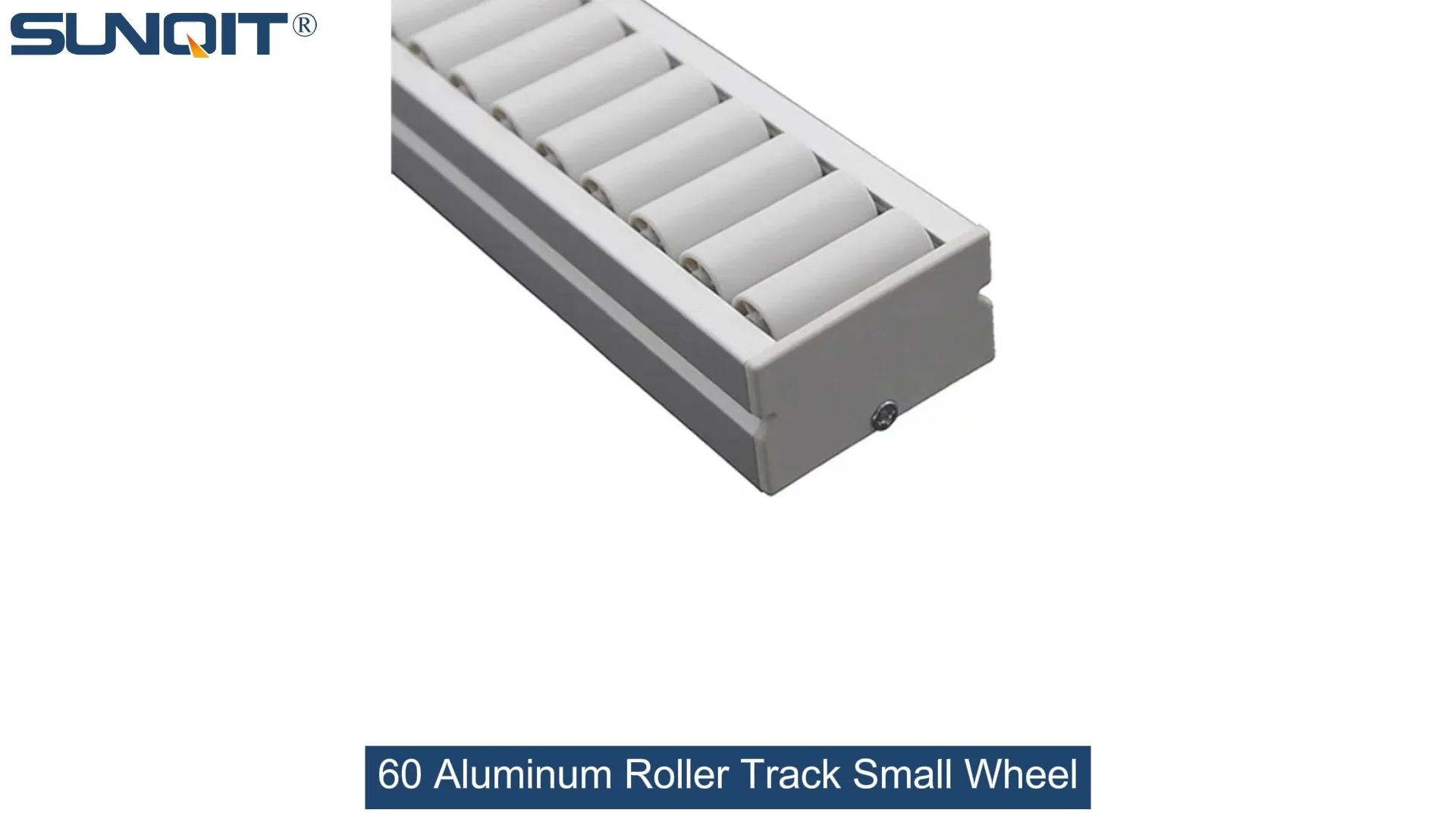
When it comes to building efficient, flexible production lines, every component counts. The 60 aluminum roller track small wheel might seem like a tiny part, but it's a workhorse in lean manufacturing systems—keeping materials moving smoothly across flow racks, conveyors, and workstations. Whether you're setting up a new lean pipe workbench or optimizing an existing conveyor system, understanding how to properly test the load capacity of these rollers is critical to ensuring safety, reliability, and long-term performance.
In this article, we'll dive deep into the industry standards and protocols for load testing the 60 aluminum roller track small wheel. We'll cover why these tests matter, step-by-step procedures to follow, real-world applications, and best practices to keep your equipment running at its best. Let's get started.
Why Load Testing Matters: Beyond Just Numbers
Before we jump into the protocols, let's talk about why load testing is non-negotiable. A flow rack in a 3C assembly line stacked with heavy electronic components—if the roller tracks can't handle the weight, the whole system could collapse, leading to damaged products, downtime, and even safety hazards. Load testing ensures that each roller track meets the required specifications for its intended use, whether it's in a medical device manufacturing facility or a busy warehouse.
Industry standards for load testing are set by organizations like the International Organization for Standardization (ISO) and the American Society for Testing and Materials (ASTM). These standards define the maximum weight a component can safely carry, how to measure deflection, and the number of cycles it should withstand without failure. For the 60 aluminum roller track small wheel, common standards include ISO 15552 (for conveyor components) and ASTM F2023 (for material handling equipment).
Step-by-Step Load Testing Protocols for 60 Aluminum Roller Track Small Wheel
Load testing a 60 aluminum roller track small wheel involves a systematic process to ensure accurate and reliable results. Here's a detailed breakdown of the steps:
1. Preparation: Gather Tools & Materials
First, you'll need the right equipment. This includes:
- A calibrated load cell or weight set to apply the test load
- A deflection gauge to measure how much the roller bends under load
- A test frame to secure the roller track in place
- Documentation sheets to record data (load applied, deflection, cycles)
Make sure the roller track is clean and free of any debris or damage before starting the test. Inspect the small wheels for any signs of wear, like cracked plastic or loose bearings—these can affect the results.
2. Setup: Secure the Roller Track
Mount the 60 aluminum roller track on a rigid test frame that mimics its real-world installation. For example, if the roller will be used in a conveyor, the frame should replicate the conveyor's support structure. Ensure the track is level and properly aligned to avoid skewed results.
3. Static Load Test: Measure Maximum Weight Capacity
The static load test determines the maximum weight the roller track can hold without permanent deformation. Here's how to do it:
- Apply a gradual load to the center of the roller track using the load cell.
- Record the deflection (bending) at intervals (e.g., every 10 kg) until the track reaches its yield point—this is when the material starts to deform permanently.
- The maximum static load capacity is the highest weight the track can hold without permanent deflection exceeding the standard limit (usually 0.2% of the track length).
For the 60 aluminum roller track small wheel, typical static load capacities range from 50 kg to 200 kg per meter, depending on the material thickness and wheel design.
4. Dynamic Load Test: Simulate Real-World Usage
Static load is important, but dynamic load (loads applied while the roller is moving) is more representative of actual use. This test simulates materials sliding or rolling across the track:
- Apply a constant load to a test object (like a pallet or container) and move it across the roller track at a standard speed (e.g., 0.5 m/s).
- Repeat this cycle a specified number of times (usually 10,000 to 100,000 cycles) to test durability.
- Check for signs of wear, like worn wheel bearings or bent tracks, after each set of cycles.
The dynamic load capacity is the maximum weight the track can handle during continuous use without failure.
5. Data Analysis & Reporting
After completing the tests, analyze the data to verify if the roller track meets the required standards. Create a report that includes:
- Test conditions (temperature, humidity, setup)
- Static and dynamic load results
- Deflection measurements
- Any signs of wear or failure
This report is crucial for quality control and ensuring compliance with industry regulations.

Key Factors Affecting Load Capacity of 60 Aluminum Roller Track Small Wheel
Several factors influence how much weight a 60 aluminum roller track can hold. Understanding these factors helps you choose the right component for your application:
1. Material Quality
The aluminum used in the track should be high-grade (like 6063-T5 aluminum profile) with good tensile strength. The small wheels are often made of durable plastics (like nylon) or stainless steel, depending on the application. Poor-quality materials can lead to premature failure.
2. Design & Construction
The thickness of the aluminum track, the size of the small wheels, and the spacing between wheels all play a role. For example, a track with thicker aluminum and closely spaced wheels can handle more weight than a thinner track with wider spacing.
3. Installation
Proper installation is key. If the track is not level or is supported incorrectly, it can reduce the load capacity. Using the right aluminum pipe accessories (like clamps and joints) to secure the track ensures it stays in place under load.
4. Maintenance
Regular maintenance, like cleaning the wheels and lubricating bearings, keeps the roller track functioning optimally. Neglected tracks can develop rust or debris buildup, which increases friction and reduces load capacity.

Real-World Applications: Where 60 Aluminum Roller Track Small Wheel Shines
The 60 aluminum roller track small wheel is versatile and used across many industries. Let's look at some common applications:
1. Flow Racks in Warehouses
Flow racks are a staple in lean warehousing, allowing materials to slide from the back to the front for easy access. The 60 aluminum roller track is perfect for these racks because it's lightweight, durable, and smooth. For example, a Material Rack B (3 row and 3 floor) might use these rollers to hold boxes of parts, ensuring they move freely without getting stuck.
2. Conveyor Systems in Manufacturing
Conveyors are essential in production lines, moving products from one station to another. The 60 aluminum roller track small wheel is often used in roller conveyors for light to medium loads. In a 3C assembly line, these conveyors might transport smartphone components between workstations, where precision and reliability are key.
3. Lean Pipe Workbenches
Lean pipe workbenches (like Workbench E) often integrate roller tracks to facilitate material handling. For example, a workbench in an automotive parts factory might have a roller track attached to the side, allowing workers to slide heavy parts onto the bench without lifting.
4. Medical Device Manufacturing
In medical device manufacturing, cleanliness and precision are critical. The 60 aluminum roller track small wheel is ideal here because it's easy to clean and doesn't corrode. These tracks are used in conveyors that move sterile components through the assembly process.
| Industry | Application | Benefits of 60 Aluminum Roller Track |
|---|---|---|
| Warehousing | Flow Racks | Lightweight, smooth movement, durable |
| 3C Assembly | Conveyors | Precision, low friction, easy to clean |
| Automotive | Workbenches | Heavy load capacity, corrosion-resistant |
| Medical | Sterile Conveyors | Cleanable, non-toxic materials |

Best Practices for Using 60 Aluminum Roller Track Small Wheel
To get the most out of your 60 aluminum roller track, follow these best practices:
1. Choose the Right Load Capacity
Always select a roller track with a load capacity that exceeds your expected maximum weight. This provides a safety margin and prevents overloading.
2. Use Compatible Accessories
When installing the track, use aluminum pipe accessories like clamps and joints that are designed for the 60mm size. Mismatched accessories can cause instability and reduce load capacity.
3. Regularly Inspect and Maintain
Check the roller track weekly for signs of wear, like cracked wheels or bent aluminum. Clean the wheels with a soft brush to remove debris, and lubricate bearings every few months to keep them moving smoothly.
4. Follow Installation Guidelines
Refer to the manufacturer's installation instructions to ensure the track is mounted correctly. Use levelers to keep the track flat, and secure it tightly to the support structure.
Conclusion: Invest in Quality, Test for Reliability
The 60 aluminum roller track small wheel is a small but essential component in lean manufacturing and warehousing systems. By following industry standards and protocols for load testing, you can ensure that your equipment is safe, reliable, and efficient.
Whether you're setting up a new flow rack, conveyor, or lean pipe workbench, choosing high-quality components and testing them properly is key to long-term success. Remember, a well-tested roller track not only prevents downtime but also contributes to a safer work environment for your team.
So next time you're planning a lean solution for your facility, don't overlook the importance of load testing the 60 aluminum roller track small wheel. It's a small step that makes a big difference in the performance of your entire system.