- Company Articles
- Industry articles
- Industry standards
- Logistics Turnover Solutions: 2020 National Standard Profile Trolley Design Best Practices

Logistics Turnover Solutions: 2020 National Standard Profile Trolley Design Best Practices
Related Product
2020 National Standard Profile
45° external bending joint, used for 45° external connection of two aluminum pipes.
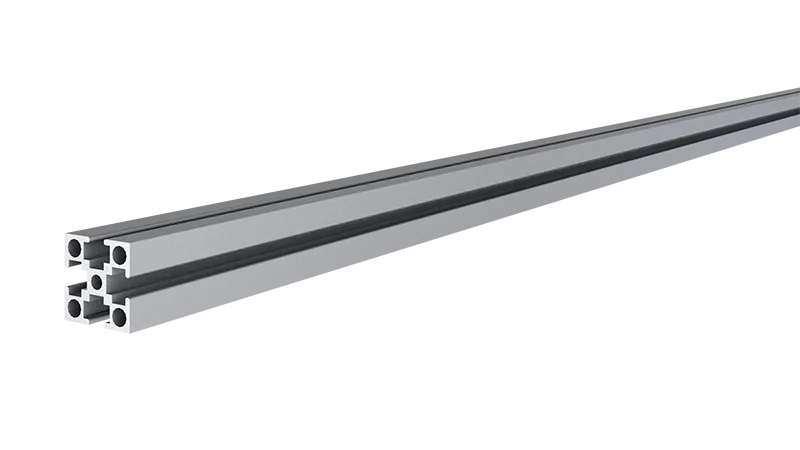
In the fast-paced world of logistics and manufacturing, the unsung heroes of daily operations are often the tools we interact with most—like the humble turnover trolley. These workhorses move raw materials from warehouses to production lines, shuttle finished goods to shipping docks, and keep inventory flowing smoothly through every step of the supply chain. But not all trolleys are created equal. A poorly designed trolley can slow down workflows, increase physical strain on workers, and even lead to costly accidents. That's where the 2020 National Standard Profile comes in. By leveraging this standardized aluminum framework, paired with thoughtful design practices, businesses can transform their logistics turnover processes from a source of frustration into a competitive advantage. Let's dive into how to craft the perfect turnover trolley using the 2020 National Standard Profile, focusing on real-world needs, worker comfort, and operational efficiency.
The Heart of Logistics Turnover: Why Trolleys Matter More Than You Think
Before we get into design specifics, let's take a moment to appreciate just how critical turnover trolleys are. In a typical manufacturing plant, a single worker might push, pull, or maneuver a trolley dozens of times a day—moving everything from small electronic components to heavy machinery parts. In warehouses, trolleys ferry pallets, boxes, and tools across sprawling facilities, often in tight spaces or alongside other equipment. The right trolley doesn't just save time; it reduces fatigue, lowers the risk of musculoskeletal injuries, and ensures that materials arrive where they need to be, when they need to be there.
But here's the problem: Many businesses still rely on outdated, one-size-fits-all trolleys. These might be made of heavy steel, difficult to assemble, or lacking the flexibility to adapt to changing needs. A warehouse handling fragile electronics, for example, needs a trolley with soft, non-slip surfaces, while a factory moving bulk materials requires something with a higher weight capacity and rugged wheels. This is where the 2020 National Standard Profile shines. As a modular, lightweight, and durable aluminum framework, it's the ideal foundation for building trolleys that are tailored to your unique turnover challenges.
Why the 2020 National Standard Profile? Breaking Down the Benefits
At first glance, aluminum might seem like an unlikely choice for something as hardworking as a turnover trolley. After all, isn't steel stronger? While steel has its merits, the 2020 National Standard Profile—an aluminum extrusion profile designed to meet strict industry standards—offers a balance of strength, weight, and versatility that's hard to beat. Let's break down why it's become the go-to material for modern logistics solutions:
- Lightweight yet tough: Aluminum is about one-third the weight of steel, which means even fully loaded trolleys are easier to push or pull. This is a game-changer for workers who spend hours moving materials. Despite its lightness, the 2020 National Standard Profile is engineered to handle significant loads—thanks to its hollow, ribbed structure that distributes weight evenly. It's not just "light"; it's light and strong.
- Corrosion resistance: Unlike steel, aluminum naturally forms a protective oxide layer, making it resistant to rust and corrosion. This is a huge plus in environments like food processing facilities, warehouses with high humidity, or outdoor loading docks where trolleys might be exposed to rain or chemicals. No more dealing with rusted joints or flaking paint.
- Modularity at its core: The 2020 National Standard Profile isn't just a tube—it's part of a system. It's designed to work seamlessly with a wide range of aluminum profile accessories, from connectors and brackets to shelves and handles. This means you can build a basic trolley today and add shelves, dividers, or tool holders tomorrow without starting from scratch. It's like building with advanced Legos for logistics.
- Cost-effective in the long run: While aluminum might have a slightly higher upfront cost than low-grade steel, its durability and low maintenance needs make it cheaper over time. You won't need to replace rusted parts or repaint every year, and the modular design means you can repair or upgrade individual components instead of buying a whole new trolley.

Design Best Practices: Building a Trolley That Works With Your Team
Now that we've established why the 2020 National Standard Profile is the right starting point, let's get into the nitty-gritty of design. A great trolley isn't just about materials—it's about understanding how people use it, what they struggle with, and how to make their jobs easier. Here are the key best practices to follow:
1. Start with the User: Ergonomics First
Ergonomics isn't a buzzword; it's about designing tools that fit the human body, not the other way around. When it comes to turnover trolleys, small ergonomic tweaks can make a huge difference in worker comfort and productivity.
Let's start with handle height. Imagine a trolley with handles that are too low: Workers have to hunch over, straining their backs and shoulders. Too high, and they'll overreach, leading to fatigue. The sweet spot? Handles should sit at waist height for the average worker—typically around 90-100 cm from the floor. The 2020 National Standard Profile's modularity makes this easy to adjust: simply cut the aluminum tubes to the desired length and secure them with aluminum profile accessories like 90° connectors or adjustable brackets.
Next, handle grip. Smooth, rounded handles are better than sharp or rough ones—they reduce pressure points on the hands during long pushes. Many manufacturers now offer foam or rubber grips that slide over the aluminum tubes, adding comfort without sacrificing durability.
Platform height is another ergonomic consideration. If the trolley is used for loading/unloading heavy items, the platform should be low enough to minimize bending (around 50-60 cm). For lighter, more frequent tasks (like picking small parts), a higher platform (70-80 cm) might be better to keep items at eye level, reducing neck strain.
2. Mobility That Makes Maneuvering a Breeze: The Role of Caster Wheels
You could have the sturdiest, most ergonomic trolley frame, but if the wheels are subpar, it'll still be a hassle to move. Caster wheels are the unsung heroes of trolley mobility, and choosing the right ones depends on your environment.
First, consider the floor type. In smooth, indoor settings like warehouses with polished concrete or factory floors, soft rubber caster wheels work best—they absorb shocks, reduce noise, and won't mark the floor. For rougher surfaces, like outdoor gravel or uneven concrete, polyurethane wheels are a better bet; they're more durable and resistant to abrasion.
Wheel size matters too. Larger wheels (10-12 cm diameter) roll more easily over cracks or small obstacles, while smaller wheels (5-8 cm) are better for tight spaces where precision is key. Most turnover trolleys use a mix: two fixed caster wheels for stability and two swivel caster wheels with brakes for maneuverability. The brakes are non-negotiable—they prevent the trolley from rolling away when loading/unloading or parked on inclines.
Don't forget about caster accessories. Mounting plates, for example, ensure that the wheels are securely attached to the trolley frame. Some casters even come with swivel locks, which lock the wheel in place for straight-line movement (useful for long pushes down aisles) or free swivel for tight turns. The 2020 National Standard Profile pairs well with these accessories, as its T-slot design allows for easy mounting of caster brackets without drilling or welding.
3. Structural Integrity: Building for Loads (and Then Some)
How much weight will your trolley need to carry? This is the first question to answer before designing the frame. Underestimating load capacity can lead to bent tubes, broken joints, or even tipping—all dangerous and costly outcomes. Overestimating, on the other hand, leads to a heavier, bulkier trolley than necessary.
The 2020 National Standard Profile is available in different wall thicknesses, so you can choose the right strength for your needs. For light loads (up to 50 kg), a thinner-walled profile (1.2-1.5 mm) works. For medium loads (50-150 kg), step up to 1.5-2.0 mm. Heavy-duty trolleys (150+ kg) might require 2.0-3.0 mm walls or reinforced frames using additional aluminum profile accessories like gusset plates or cross-braces.
Weight distribution is just as important as total capacity. A trolley loaded unevenly—with all the weight on one side—will be unstable and hard to push. The frame should be designed to spread the load evenly across all four caster wheels. This might mean adding a center support beam or using a grid-style platform instead of a single sheet of material. The 2020 National Standard Profile's compatibility with aluminum honeycomb panels or wire mesh shelves makes it easy to create strong, lightweight platforms that distribute weight effectively.
4. Safety Features That Prevent Accidents Before They Happen
A trolley that's ergonomic and mobile is great, but it's useless if it's unsafe. Safety should be built into every design decision, from the materials to the accessories.
Anti-slip platforms are a must, especially if the trolley is used in wet or oily environments (like food processing plants or machine shops). Options include rubber mats that attach to the aluminum frame with clips, or textured aluminum sheets that are bolted directly to the platform. Some manufacturers even offer 2020 National Standard Profile accessories like raised edges or railings to prevent items from sliding off during turns.
Locking mechanisms are another safety staple. We already mentioned caster wheel brakes, but what about when the trolley is parked on a slope? A secondary locking system—like a foot-operated brake that engages all four wheels—adds an extra layer of security. For trolleys carrying heavy or fragile items, lashing points (metal loops or hooks attached to the frame) let workers secure loads with straps or bungee cords, preventing shifts during transport.
Visibility is often overlooked but critical in busy facilities. Adding reflective strips to the trolley's corners or using bright-colored aluminum profile accessories (like yellow or orange brackets) makes the trolley easier to spot, reducing the risk of collisions with pedestrians or forklifts.
5. Customization: Build a Trolley That Grows With Your Needs
Logistics needs change over time—seasonal spikes, new product lines, or shifts in workflow can all demand different trolley configurations. The 2020 National Standard Profile's modular design makes customization not just possible, but easy.
Let's say you start with a basic flatbed trolley for moving boxes. A few months later, you need to transport small parts, so you add shelves using aluminum profile accessories like vertical brackets and crossbars. Then, during peak season, you need to carry more items, so you attach a second tier using 180° connectors. No need to buy a new trolley—just reconfigure the existing one.
Specialized tasks call for specialized features. For example, a trolley used in electronics manufacturing might need ESD (electrostatic discharge) protection to prevent damage to sensitive components. This can be achieved by using ESD-safe aluminum profile accessories (like conductive wheels or grounding straps) or coating the aluminum frame with an anti-static finish.
Another example: turnover trolley and rack combinations. These hybrid designs feature a trolley base with removable racks, allowing workers to transport materials and then convert the trolley into a temporary storage unit. The 2020 National Standard Profile's compatibility with racking accessories (like shelf brackets and dividers) makes this a breeze to implement.
6. Durability: Making Sure Your Trolley Stands the Test of Time
Logistics environments are tough—trolleys get bumped, scraped, and loaded to capacity day in and day out. To ensure your trolley lasts, durability should be built into every component.
Start with the aluminum profile itself. The 2020 National Standard Profile is typically made from 6063-T5 aluminum alloy, which is known for its strength, corrosion resistance, and weldability. This alloy can withstand daily wear and tear without bending or cracking, even in harsh environments.
Joints and connectors are another durability hot spot. Cheap plastic connectors might save money upfront, but they'll crack or break under heavy loads. Instead, opt for metal aluminum profile accessories—like die-cast zinc or stainless steel joints. These are stronger, more resistant to corrosion, and provide a tighter, more stable connection between tubes.
Finally, finish matters. While aluminum naturally resists corrosion, adding a powder-coated finish can protect against scratches and chips, keeping the trolley looking new for longer. Powder coating also allows for color customization, which can help with organization (e.g., red trolleys for raw materials, blue for finished goods).
Key Design Elements at a Glance: A Quick Reference Table
| Design Element | Purpose | Best Practice Example |
|---|---|---|
| Material | Lightweight strength and corrosion resistance | 2020 National Standard Profile (6063-T5 aluminum alloy, 1.5-2.0 mm wall thickness) |
| Mobility | Smooth maneuvering across floor types | 2 swivel caster wheels (10 cm diameter, polyurethane) with brakes + 2 fixed wheels |
| Ergonomics | Reduce worker fatigue and injury risk | Handles at 90-100 cm height with foam grips; platform height adjusted to task (50-80 cm) |
| Safety | Prevent accidents and load shifts | Anti-slip rubber mat platform, 4-wheel locking brakes, reflective corner strips |
| Customization | Adapt to changing needs | Modular shelves using aluminum profile accessories (90° brackets, crossbars); lashing points for secure loads |
From Blueprint to Reality: A Case Study in Trolley Transformation
Let's put all these best practices into context with a real-world example. A mid-sized electronics manufacturer was struggling with their logistics turnover process: workers were complaining about back pain from pushing heavy steel trolleys, and items frequently fell off during transport, leading to damaged parts and delays. The company decided to switch to 2020 National Standard Profile trolleys, and the results were striking.
First, they redesigned the frame using 2020 aluminum tubes with 1.8 mm walls—strong enough to handle their typical load (80 kg) but 30% lighter than the old steel trolleys. They added adjustable handles (95 cm height) with foam grips, reducing worker complaints by 60% in the first month. For mobility, they chose 10 cm polyurethane caster wheels with brakes, making it easier to maneuver around assembly lines and tight corners.
Safety upgrades included anti-slip rubber mats on the platforms and raised aluminum edges to keep small components from sliding off. They also added lashing points for securing larger items, cutting damaged parts by 45%. Finally, they customized the trolleys with modular shelves using aluminum profile accessories—each shelf could be adjusted in height or removed entirely, allowing the same trolley to carry everything from circuit boards to toolboxes.
The result? Workers reported less fatigue, transport times dropped by 25%, and the company saved money on replacement parts and injury-related absences. All from a simple shift to better-designed trolleys.
Common Mistakes to Avoid: What Not to Do When Designing Your Trolley
Even with the best intentions, it's easy to make missteps. Here are a few common pitfalls to steer clear of:
- Overcomplicating the design: More features don't always mean better. Adding unnecessary shelves or accessories can make the trolley heavier and harder to use. Stick to the basics first, then add customizations only if they solve a specific problem.
- Ignoring user feedback: You might think a high platform is better, but if your workers hate it, it won't get used. Involve the people who'll be pushing the trolley in the design process—they'll have insights you never considered.
- Skimping on accessories: Cheap caster wheels or plastic connectors might save money upfront, but they'll cost more in repairs and replacements later. Invest in quality aluminum profile accessories and caster wheels from reputable suppliers.
- Forgetting about maintenance: Trolleys need occasional upkeep—greasing caster wheels, tightening loose bolts, replacing worn grips. Design the trolley with easy access in mind: avoid hidden bolts or hard-to-reach components.
Wrapping Up: Trolleys That Drive Logistics Excellence
Logistics turnover might not be the most glamorous part of running a business, but it's the backbone of efficient operations. By investing in well-designed turnover trolleys using the 2020 National Standard Profile, businesses can transform a daily chore into a source of efficiency, safety, and worker satisfaction.
Remember, the best trolley isn't just a collection of aluminum tubes and wheels—it's a tool that's built around the people who use it. By focusing on ergonomics, mobility, safety, and customization, you'll create a trolley that doesn't just move materials, but moves your business forward. So, whether you're upgrading an existing fleet or building from scratch, start with the 2020 National Standard Profile, keep your workers' needs front and center, and watch as logistics turnover becomes one less thing to worry about—and one more reason to succeed.