- Company Articles
- Industry articles
- Industry standards
- Material Rack B Construction: Benefits of 2040 EU Standard Aluminum Profile

Material Rack B Construction: Benefits of 2040 EU Standard Aluminum Profile
Related Product
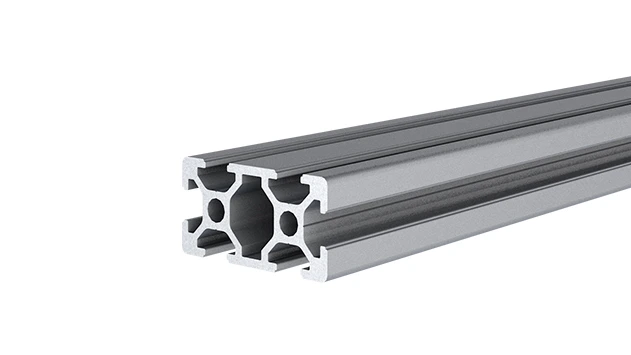
2040 EU Standard Aluminum Profile
2040 is a 2.00 x 4.00CM fractional 20 series square extrusion T-slot profile with four open T-slots, two side with 2.00cm face, the other side with 4.00cm face. The profile has align-a-grooves to assist in aligning connecting profiles.
Walk into any busy manufacturing facility, warehouse, or assembly plant, and you'll quickly notice a common challenge: keeping materials organized. Pallets stacked haphazardly, bins overflowing onto the floor, workers spending precious minutes hunting for the right component—these scenes aren't just frustrating; they're costly. Every minute wasted searching for parts is a minute that could be spent building products, serving customers, or improving processes. That's where smart material handling solutions come in, and few tools are as transformative as the Material Rack B (3 row and 3 floor) built with 2040 EU standard aluminum profile . In this article, we'll dive into why this combination is revolutionizing workspaces, how it's constructed, and the real-world benefits it brings to teams on the ground.
What is Material Rack B, Anyway?
Let's start with the basics. Material Rack B isn't just another shelf—it's a purpose-built storage system designed for efficiency. As the name suggests, it features 3 rows and 3 floors, creating a vertical storage solution that maximizes floor space while keeping materials visible and accessible. Imagine a rack that stands tall but doesn't feel bulky, with each shelf divided into three sections, so even small components like screws, washers, or electronic parts have their own designated spot. No more digging through a single deep bin; everything has a home, and workers can grab what they need at a glance.
But what really sets Material Rack B apart is its construction. Instead of relying on heavy steel or flimsy plastic, it's built using 2040 EU standard aluminum profile—a material that's lightweight yet surprisingly strong, modular, and infinitely adaptable. This isn't just about storage; it's about creating a lean system where every inch of space is used intentionally, and every tool works together to streamline workflow.
Why 2040 EU Standard Aluminum Profile? Let's Break It Down
If you're new to industrial profiles, you might be wondering: Why aluminum? And why specifically the 2040 EU standard? Let's start with the material itself. Aluminum has long been a favorite in manufacturing for its unique blend of properties. It's lighter than steel, which means the rack is easier to move during installation or reconfiguration—no need for heavy machinery or a team of workers to shift it. But don't let the weight fool you: aluminum alloys, especially those used in EU standard profiles, are incredibly strong. The 2040 profile, for example, has a cross-section of 20mm x 40mm, providing a sturdy frame that can support hundreds of pounds of materials without bending or warping.
Then there's the "EU standard" part. This isn't just a marketing term; it's a guarantee of quality and consistency. EU standards for aluminum profiles ensure precise dimensions, smooth finishes, and compatibility with a wide range of accessories. That means when you buy 2040 EU standard aluminum profile, you know it will fit perfectly with aluminum profile accessories like connectors, end caps, and brackets—no guesswork, no custom modifications, just plug-and-play assembly.
Modularity is another key advantage. Unlike traditional steel racks, which are often welded or bolted together in fixed configurations, aluminum profiles use T-slot designs. These slots run along the length of the profile, allowing accessories to be attached anywhere along the frame. Need to add a shelf divider? Just slide a bracket into the T-slot and tighten a screw. Want to adjust the height of a shelf to fit taller bins? Loosen a few connectors, reposition, and you're done. This flexibility means Material Rack B can grow and change with your needs—no need to buy a whole new rack when your inventory shifts.

The Benefits: More Than Just a Rack
So, what does all this mean for the people actually using the rack? Let's get real—workers don't care about T-slots or EU standards; they care about making their jobs easier. Here's how Material Rack B with 2040 aluminum profile delivers:
1. Time Savings That Add Up
Ever watched a teammate spend 10 minutes searching for a single part because it rolled to the back of a deep bin? Multiply that by 10 workers, 5 times a day, and you're looking at hours of lost productivity. Material Rack B's 3-row, 3-floor design eliminates this. Each shelf is shallow enough that everything is within arm's reach, and the vertical layout means materials are sorted by type, size, or frequency of use. A study by the Lean Manufacturing Institute found that organized storage systems can reduce material retrieval time by up to 40%—that's hours back in your team's day, every week.
2. Reduced Physical Strain
Heavy steel racks are tough on the body. Workers strain their backs lifting them into place, and even adjusting shelves can require tools and brute force. Aluminum's lightweight nature changes this. A single person can carry a 6-foot length of 2040 profile without breaking a sweat, and assembly often requires nothing more than a hex key. No more wrestling with rusted bolts or struggling to align welded parts. This isn't just about convenience; it's about safety. Fewer heavy lifts mean fewer workplace injuries, and that's a win for everyone.
3. Adaptability for a Changing World
Manufacturing needs don't stay the same. One month you're storing small electronics; the next, you're handling larger mechanical parts. With traditional racks, you'd either cram the new items in (risking damage) or buy a new rack (wasting money). Material Rack B? It adapts. Thanks to the T-slot aluminum profile, you can add dividers, adjust shelf heights, or even reconfigure the entire rack into a different shape if your layout changes. Want to turn part of it into a temporary workbench for packing? Just add a wooden or metal top using profile brackets. The possibilities are almost endless, which is why so many facilities call it a "future-proof" investment.
4. A Cleaner, Safer Workspace
Cluttered floors aren't just unsightly—they're dangerous. Tripping hazards, damaged materials, and even pest infestations can all stem from disorganized storage. Material Rack B lifts materials off the ground, keeping floors clear and walkways open. The aluminum profile's smooth, corrosion-resistant finish is also easy to clean; a quick wipe with a damp cloth removes dust and spills, preventing buildup that can harbor bacteria or damage sensitive parts. Plus, with everything in its place, audits and inventory checks become a breeze—no more counting missing items or writing off "lost" stock.
Building Material Rack B: A Closer Look at the Process
You might be thinking, "This sounds great, but how hard is it to put together?" The answer: surprisingly easy. Unlike steel racks that require welding or specialized tools, Material Rack B is designed for DIY assembly. Let's walk through the basics (don't worry—you don't need to be a engineer to follow along):
Step 1: Gather Your Materials
First, you'll need the core components: lengths of 2040 EU standard aluminum profile (for the vertical posts and horizontal shelves), aluminum profile accessories like 90° connectors, T-joints, and end caps, shelf boards (plywood, metal, or plastic), and optional extras like label holders or bin dividers. Most suppliers will even provide a kit with pre-cut profiles for Material Rack B, so you don't have to measure and saw everything yourself.
Step 2: Assemble the Frame
Start with the vertical posts. Cut four lengths of 2040 profile to your desired height (typically 5-6 feet for a 3-floor rack). Then, attach horizontal supports at the top, bottom, and between each floor using 90° connectors. These connectors slide into the T-slots of the profile and are secured with set screws—no drilling required. Tighten them with a hex key, and the frame starts to take shape.
Step 3: Add the Shelves
Next, install the horizontal shelf supports. For a 3-row design, you'll add two vertical dividers per shelf, creating three equal sections. Slide the dividers into the T-slots of the horizontal supports, position them evenly, and secure with screws. Then, lay your shelf boards on top—plywood is a budget-friendly option, while metal or plastic works better for heavy or wet materials. If you want to get fancy, you can even add edge lips to prevent bins from sliding off.
Step 4: Customize with Accessories
This is where the fun begins. Add end caps to the profile ends to prevent snags and give the rack a polished look. Attach label holders to each section so everyone knows where things go. If you're storing small parts, add bin dividers or plastic bins that clip into the T-slots. For heavier items, reinforce the shelves with gusset brackets (another common aluminum profile accessory). The best part? You can start simple and add accessories later as your needs evolve.
Material Rack B vs. Traditional Steel Racks: A Side-by-Side Comparison
Still on the fence? Let's put Material Rack B head-to-head with traditional steel racks to see how it stacks up (pun intended). The table below compares key factors that matter most to facility managers, workers, and budget holders:
| Feature | Material Rack B (2040 Aluminum Profile) | Traditional Steel Rack |
|---|---|---|
| Weight | Lightweight (easy to move/reconfigure by 1-2 people) | Heavy (often requires machinery to install/move) |
| Assembly Time | 1-2 hours (tool-free or basic hex key assembly) | 4-6 hours (welding, drilling, or heavy bolting required) |
| Flexibility | Highly adaptable (adjustable shelves, add-on accessories) | Fixed (welded or bolted in place; hard to modify) |
| Durability | Corrosion-resistant, scratch-resistant aluminum | Prone to rust if not painted/coated; heavy use causes dents |
| Cost (Long-Term) | Higher upfront, but lower maintenance and adaptable (no need to replace) | Lower upfront, but higher long-term (replacement costs, maintenance) |
| Safety | Smooth edges, lightweight (reduced injury risk during handling) | Sharp edges, heavy (higher risk of strains or crush injuries) |
As you can see, while steel racks might seem cheaper at first glance, the long-term benefits of Material Rack B—flexibility, durability, and time savings—often make it the smarter investment. And when you factor in the reduced physical strain on workers, it's not just a cost decision; it's a people decision.
Real-World Stories: How Material Rack B is Making a Difference
Numbers and specs are great, but nothing beats hearing from teams who use Material Rack B every day. Let's look at a couple of examples:
Case Study 1: A Small Electronics Assembly Shop
A 10-person electronics company in Germany was struggling with disorganized component storage. Their old steel racks were fixed-height, so small bins of resistors and capacitors were stacked on top of each other, leading to frequent mix-ups. After switching to Material Rack B with 2040 aluminum profile, they reorganized components by project, with each shelf dedicated to a specific product line. Workers reported cutting their part-retrieval time by half, and errors dropped by 30%. "It's like night and day," said the production manager. "No more arguing over who misplaced the 1k resistors—they're right there, in the third row, second shelf, every single time."
Case Study 2: A Automotive Parts Warehouse
A mid-sized automotive parts warehouse in France needed to maximize storage space for seasonal items (like winter tires and summer accessories). Their traditional wooden shelves were bulky and took up too much floor space. They installed 10 units of Material Rack B, using the vertical 3-floor design to store twice as many parts in the same footprint. The aluminum profile's light weight also made it easy to reconfigure the racks seasonally—shifting from tires in winter to car covers in summer. "We used to rent extra storage space during peak seasons," said the warehouse supervisor. "Now, we just adjust the racks. It's saved us thousands in rental fees."
Wrapping Up: More Than a Rack—A Tool for Better Work
At the end of the day, Material Rack B built with 2040 EU standard aluminum profile isn't just about storing materials. It's about creating a workspace that respects the people in it—people who deserve tools that make their jobs easier, safer, and more efficient. It's about reducing frustration, saving time, and giving teams the freedom to focus on what they do best: building great products.
Whether you're running a small workshop or a large manufacturing plant, the right storage solution can transform your operations. And with its blend of strength, flexibility, and user-friendly design, Material Rack B stands out as more than just a rack—it's a cornerstone of a lean system that grows with you. So the next time you walk through your facility, take a look at how materials are stored. Could they be working harder for you? With Material Rack B and 2040 aluminum profile, the answer is almost certainly yes.