- Company Articles
- Industry articles
- Industry standards
- Material Selection for 2040 National Standard Profile: Aluminum vs Steel Comparison

Material Selection for 2040 National Standard Profile: Aluminum vs Steel Comparison
Related Product
2040 National Standard Profile
45° external bending joint, used for 45° external connection of two aluminum pipes.
When you're setting up a production line, upgrading a workshop, or building custom storage solutions, the materials you choose shape everything from daily workflow to long-term costs. One decision that often leaves facility managers scratching their heads? Picking between aluminum and steel for the 2040 national standard profile—a versatile, widely used component in industrial setups. Let's dive into this comparison to help you choose the material that aligns with your team's needs, whether you're building a lightweight workbench or a heavy-duty lean system.
What is the 2040 National Standard Profile?
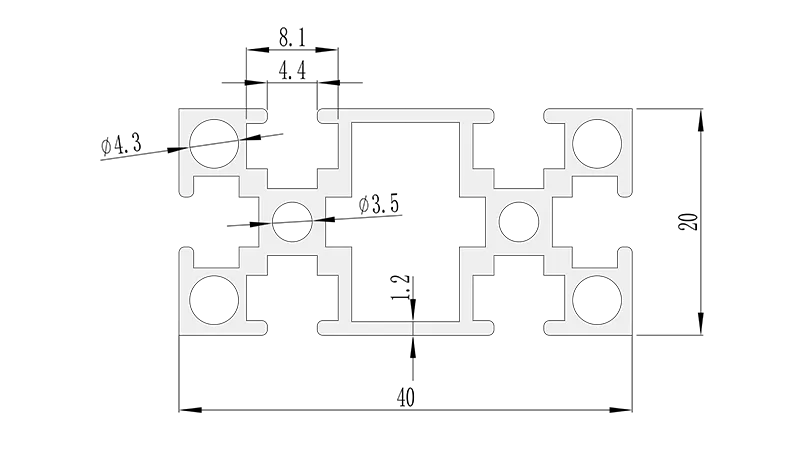
First, let's get clear on what we're talking about. The 2040 national standard profile is a T-slot extrusion defined by its cross-sectional dimensions: typically 20mm in width and 40mm in height (though exact specs can vary slightly by manufacturer). Think of it as the "Swiss Army knife" of industrial framing—its simple, modular design makes it adaptable to endless applications, from workbenches and material racks to machine guards and conveyor supports. What sets it apart is its T-slot design, which lets you slide in accessories like brackets, panels, or handles without drilling, making reconfiguration a breeze.
This profile has become a staple in lean manufacturing environments because it supports the "just-in-time" ethos—teams can quickly adjust layouts, add components, or repurpose structures as needs change. But here's the catch: its performance hinges largely on the material it's made from. Aluminum and steel are the two front-runners, each with unique strengths that shine in different scenarios.
Aluminum: The Lightweight Contender
Material Properties That Matter
Aluminum 2040 profiles are prized for their strength-to-weight ratio . Aluminum is about one-third the weight of steel, which means even a fully assembled structure—say, a workbench with shelves and tool holders—can be moved by two people instead of requiring a forklift. This lightness is a game-changer for facilities that frequently rearrange workflows or need mobile setups.
Corrosion resistance is another aluminum win. Unlike steel, aluminum forms a natural oxide layer when exposed to air, acting as a built-in shield against rust. This makes it ideal for humid environments, cleanrooms, or even outdoor use (with proper finishing). Imagine a food processing plant where washdowns are daily—aluminum profiles here would stand up to moisture without flaking or corroding, unlike uncoated steel.
Aesthetics also play a role. Aluminum profiles often come with a smooth, anodized finish that resists scratches and maintains a clean, professional look. This is a subtle but important detail for customer-facing areas or industries like electronics, where a polished workspace reflects quality.
Aluminum Profile Accessories: The Icing on the Cake
What truly makes aluminum 2040 profiles shine is their compatibility with aluminum profile accessories. These small but mighty components turn basic extrusions into functional systems. Think end caps that snap onto profile ends to hide sharp edges, T-slot rubber seal covers that keep out dust and debris, or 90° connectors that lock profiles together with a simple twist. Since aluminum and its accessories are often manufactured to tight tolerances, you get a snug, rattle-free fit—critical for stability in high-vibration environments like assembly lines.
For example, if you're building a workbench using 2040 aluminum profiles, you might pair them with aluminum hinge brackets for fold-down shelves or nylon handles for portability. These accessories are lightweight too, so they don't add unnecessary bulk, keeping the entire structure easy to maneuver.
Steel: The Heavyweight Champion
Material Properties That Matter
Steel 2040 profiles are all about raw strength. Pound for pound, steel is stronger than aluminum, making it the go-to for heavy-load applications. If you're building a material rack to hold 500kg pallets or a workbench where mechanics will be pounding on metal parts, steel's rigidity and high tensile strength mean less flex and more durability over time.
Cost is another steel advantage—at least upfront. Steel profiles often cost less per meter than aluminum, which can be appealing for large-scale projects with tight budgets. For a warehouse needing 100 meters of racking, that initial savings might seem like a no-brainer. But as we'll see later, it's important to look beyond the sticker price.
Steel's heft can also be a benefit in certain scenarios. A stationary assembly line anchor or a machine base needs to stay put, and steel's weight provides built-in stability. No need for extra anchoring hardware—just set it down, and it stays.
The Catch: Corrosion and Weight
Of course, steel has trade-offs. Without protective coatings (like powder coating or galvanization), it's prone to rust, especially in humid or chemical-exposed environments. A steel 2040 profile left uncoated in a damp warehouse might start showing orange spots within months, weakening the material over time. Even with coatings, scratches or chips can expose bare metal, requiring regular touch-ups.
Then there's the weight. A 3-meter steel 2040 profile can weigh 5-6kg, compared to 1.5-2kg for aluminum. This makes handling, shipping, and installation more labor-intensive. If your team needs to reconfigure a steel-based lean system quarterly, the extra effort adds up—slowing down workflow and increasing the risk of injury during moves.
Head-to-Head: Aluminum vs Steel 2040 Profiles
To make this comparison concrete, let's break down key factors side by side:
| Factor | Aluminum 2040 Profile | Steel 2040 Profile |
|---|---|---|
| Weight (per meter) | 1.5-2kg (easy to handle manually) | 5-6kg (often requires tools/team lifting) |
| Strength | Good for medium loads (up to ~150kg per linear meter) | Excellent for heavy loads (up to ~300kg per linear meter) |
| Corrosion Resistance | High (natural oxide layer; no rusting) | Low (needs coating; prone to rust if damaged) |
| Initial Cost | Higher (~$8-12 per meter) | Lower (~$4-6 per meter) |
| Maintenance | Low (occasional cleaning; no rust treatment) | High (coating touch-ups; rust removal) |
| Flexibility | High (easy to cut, drill, and reconfigure) | Medium (harder to cut; requires power tools) |
| Compatibility with Accessories | Excellent (aluminum profile accessories designed for tight fits) | Good (but accessories may be heavier/ bulkier) |
Real-World Applications: When to Choose Which?
Aluminum: Best for Lightweight, Agile Setups
Aluminum 2040 profiles shine in environments where mobility and adaptability are key. Take a small electronics assembly workshop, for example. Teams here often need to reposition workbenches to accommodate new product lines or seasonal demand. An aluminum workbench built with 2040 profiles can be disassembled, moved, and reassembled in an afternoon—no forklift, no heavy lifting. The T-slot design also lets workers add accessories like LED light strips or tool hooks on the fly, customizing their space without waiting for maintenance.
Cleanrooms are another aluminum stronghold. In pharmaceutical or semiconductor facilities, where dust and corrosion can ruin products, aluminum's smooth, non-porous surface is easy to sanitize, and its rust resistance ensures no contamination from flaking metal. Even harsh cleaning chemicals won't eat away at the material, making it a reliable choice for compliance with strict hygiene standards.
Steel: Best for Heavy, Stationary Loads
Steel 2040 profiles are the workhorses for static, high-weight applications . Think a warehouse rack storing automotive parts—each shelf needs to hold 200kg of engine components, and the structure must stay stable for years. Steel's high load capacity and rigidity make it a safe bet here. With a powder-coated finish to resist warehouse humidity, it can last decades with minimal upkeep (just the occasional repaint every 5-7 years).
Machine bases are another steel win. A CNC machine weighing 1 ton needs a stable platform to prevent vibration during operation. A steel 2040 frame bolted to the floor adds the necessary mass to dampen vibrations, ensuring precision in every cut. Aluminum, while strong, might flex slightly under such weight, compromising accuracy.
Cost: Beyond the Initial Price Tag
Let's talk numbers. Suppose you're building a 5-meter long workbench for a manufacturing line. Here's how the costs might stack up:
- Aluminum setup : 5 meters of aluminum 2040 profile (~$50), aluminum profile accessories (connectors, end caps, shelf brackets: ~$30), labor (2 people, 2 hours: ~$80). Total: ~$160.
- Steel setup : 5 meters of steel 2040 profile (~$25), steel accessories (~$20), labor (2 people, 3 hours—due to heavier lifting: ~$120), powder coating (~$40). Total: ~$205.
Wait—steel was supposed to be cheaper, right? In this case, the higher labor and coating costs push steel above aluminum. Over time, the gap widens: aluminum needs no repainting, while steel might need a $40 coating touch-up every 3 years. After 10 years, aluminum's total cost is ~$160, steel's is ~$205 + ($40 x 3 touch-ups) = $325. Suddenly, aluminum looks like the budget-friendly choice.
For large-scale projects, the math shifts. If you're building 100 meters of heavy-duty racking, steel's lower per-meter cost might offset labor and coating expenses—especially if the structure is permanent and won't need moving. But for most small to mid-sized operations, aluminum's total cost of ownership is often lower.
Case Study 1: A Lean System Upgrade
Scenario: A Furniture Manufacturer's Workflow Makeover
A mid-sized furniture company was struggling with bottlenecks in their assembly line. Their old steel workbenches were heavy and fixed, making it hard to adjust layouts as product designs changed. Workers wasted 2 hours daily walking between stations, and reconfiguring the line for new sofa models took a full weekend.
They switched to aluminum 2040 profiles for workbenches and material racks. The results? The lighter benches could be moved by two workers in 15 minutes, cutting reconfiguration time to a single afternoon. The T-slot design let them add tool holders and parts bins exactly where workers needed them, reducing walk time by 40%. Over six months, productivity increased by 18%, and the team reported less fatigue from moving heavy equipment. The initial investment in aluminum paid for itself in under a year.
Case Study 2: Warehouse Racking for Auto Parts
Scenario: A Auto Repair Shop's Storage Dilemma
A small auto repair shop needed racking to store heavy engine blocks and transmission parts (each weighing 50-80kg). Budget was tight, so they opted for steel 2040 profiles to save upfront costs. The racks worked well initially, but after a year in the humid garage, rust started forming around the bolt holes. They had to sand and repaint the racks, costing $150 in materials and 8 hours of downtime. Two years later, the rust returned, and a shelf began to bend under the load, forcing them to replace the entire section—another $200.
In hindsight, the shop owner admitted, "I should've gone with aluminum. The extra $100 upfront would've saved me $350 and hours of hassle. Now I'm stuck replacing steel racks every 3 years instead of having aluminum ones that could last a decade."
Environmental Impact: Sustainability in Lean Systems
Today, sustainability isn't just a buzzword—it's a business priority. Both aluminum and steel are recyclable, but aluminum has a clear edge in eco-friendliness. Recycling aluminum uses 95% less energy than producing it from raw ore, and 75% of all aluminum ever produced is still in use today. Steel recycling is also energy-efficient (using ~70% less energy than virgin steel), but aluminum's higher recycling rate and lower maintenance needs make it a greener choice for lean systems aiming to reduce their carbon footprint.
For companies pursuing LEED certification or zero-waste goals, aluminum's durability and recyclability can contribute to credits. A lean system built with aluminum profiles sends a message: you care about efficiency and the planet.
Choosing Your Material: A Quick Checklist
Still on the fence? Ask yourself these questions:
- Will the structure move? If yes, aluminum's light weight is a must.
- What's the maximum load? Over 150kg per linear meter? Steel is safer.
- Is the environment humid or corrosive? Aluminum avoids rust headaches.
- How often will you reconfigure? Frequent changes? Aluminum's flexibility saves time.
- What's your long-term budget? Aluminum costs more upfront but saves on maintenance.
Final Thoughts: It's About Your Team's Needs
There's no "better" material—only the right one for your situation. Aluminum 2040 profiles excel in lightweight, agile setups like workbenches and lean systems where mobility and low maintenance matter. Steel shines in heavy, stationary applications like industrial racking or machine bases where raw strength is non-negotiable.
Whatever you choose, remember: the 2040 national standard profile's modular design is what makes it powerful. Pair it with the right material, and you'll build a system that grows with your business—saving time, money, and headaches for years to come.