- Company Articles
- Industry articles
- Industry standards
- Medical Device Manufacturing: 4040r EU Standard Aluminum Profile Hygiene Compliance

Medical Device Manufacturing: 4040r EU Standard Aluminum Profile Hygiene Compliance
Related Product
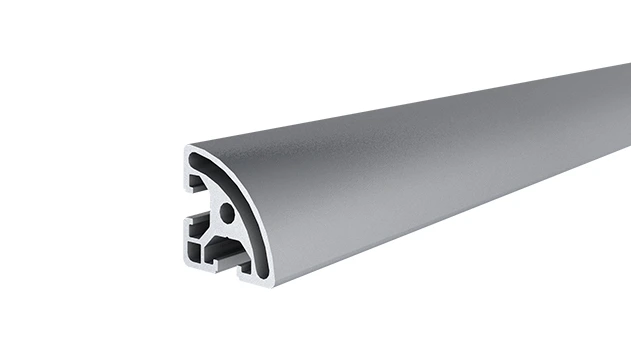
4040R EU Standard Aluminum Profile
4040R is a 4.00x4.00 CM fractional 40 series square extrusion T-slot profile with two side open T-slots, each side with 4.00cm face,the other side is round face. The profile has align-a-grooves to assist in aligning connecting profiles.
In the high-stakes world of medical device manufacturing, where a single particle of contamination can compromise patient safety, every detail matters. From the precision of surgical tools to the sterility of implantable devices, the industry operates under unforgiving standards. Yet, one often overlooked aspect of maintaining this critical hygiene is the very infrastructure that supports production: the workbenches, material racks, and assembly lines that form the backbone of the manufacturing floor. Here, material choice isn't just about durability or cost—it's about creating an environment where bacteria, dust, and pathogens have nowhere to hide. This is where the 4040r EU standard aluminum profile emerges as a game-changer, blending compliance, practicality, and hygiene in a way that few materials can match.
Why Material Matters in Medical Device Hygiene
Walk into any medical device facility, and you'll notice a relentless focus on cleanliness. Floors are polished to a shine, air filtration systems hum constantly, and staff adhere to strict gowning protocols. But what about the surfaces where devices are actually built? A workbench with crevices, a material rack with rough edges, or a conveyor with porous joints can become silent breeding grounds for microbes. These "harborage points"—tiny gaps, cracks, or uneven surfaces—trap moisture, dust, and organic matter, creating ideal conditions for bacteria like Staphylococcus aureus or E. coli to thrive. Over time, even the most rigorous cleaning routines can miss these spots, putting products at risk of contamination.
This is why material selection for manufacturing infrastructure is a regulatory priority. The EU's Medical Device Regulation (MDR) and ISO 13485— the international standard for medical device quality management—don't just set rules for the devices themselves; they extend to the tools and environments used to make them. A material that's difficult to clean, prone to corrosion, or non-compliant with biocompatibility standards can derail an entire production line, leading to costly delays, recalls, or worse, patient harm.
The Hidden Cost of Poor Material Choices: A 2023 study by the International Society for Pharmaceutical Engineering (ISPE) found that 18% of contamination incidents in medical device manufacturing could be traced back to inadequate infrastructure materials—costing the industry an estimated €450 million annually in recalls and rework.
Aluminum Extrusion: The Foundation of Hygienic Design
Enter aluminum extrusion profile—a manufacturing process that transforms raw aluminum into precise, uniform shapes with consistent properties. Unlike materials that are welded, glued, or machined (which can leave rough edges or weak points), extrusion uses heat and pressure to push aluminum through a die, creating profiles with smooth, continuous surfaces. This process isn't just efficient; it's inherently hygienic. The resulting aluminum profiles are non-porous, meaning they don't absorb liquids or harbor microscopic particles. They're also lightweight yet surprisingly strong, making them ideal for everything from workbenches to overhead racks.
But not all aluminum profiles are created equal. In the EU, medical device manufacturers must adhere to strict standards for dimensions, surface finish, and chemical composition. This is where the 4040r EU standard aluminum profile takes center stage. Designed specifically for industrial and medical applications, the "4040r" designation refers to its dimensions (40mm x 40mm cross-section) and "rounded" edges—a subtle but critical detail that minimizes sharp corners where debris could accumulate. What truly sets it apart, however, is its compliance with EU regulations, including ISO 13485 and the REACH directive, ensuring it meets the highest standards for biocompatibility and safety.

The 4040r EU Standard: What Makes It Hygiene-Ready?
To understand why the 4040r profile is a favorite among medical device manufacturers, let's break down its key features:
- Smooth, Anodized Surface: The 4040r profile undergoes anodization—a process that creates a thin, protective oxide layer on the aluminum's surface. This layer is not only resistant to corrosion but also incredibly smooth, with a surface roughness (Ra) typically below 0.8μm. For context, bacteria need a surface roughness of at least 0.2μm to attach and form biofilms; the 4040r's ultra-smooth finish makes this nearly impossible.
- Precision Dimensions: EU standards mandate tight tolerances for the 4040r profile, ensuring consistent 40mm x 40mm cross-sections and straight edges. This uniformity means when profiles are connected (using accessories like the 90° aluminum profile connector), there are no gaps or misalignments—eliminating those dangerous harborage points.
- Chemical Resistance: Medical manufacturing relies on aggressive cleaning agents, from hydrogen peroxide to isopropyl alcohol. The 4040r's anodized layer and aluminum composition stand up to these chemicals without degrading, ensuring the material remains stable even after years of daily cleaning.
- Lightweight Strength: Aluminum is 30% lighter than stainless steel, making it easier to reconfigure workstations or move material racks without compromising structural integrity. This flexibility is key in dynamic environments where production lines often adapt to new device designs.
Aluminum Profile Accessories: The Unsung Heroes of Hygiene
A profile is only as good as the accessories that connect it. Even the most hygienic aluminum extrusion can be undermined by a poorly designed connector or a rough-edged end cap. This is where aluminum profile accessories shine, turning a simple length of aluminum into a fully integrated, contamination-resistant system.
Take the 4040 aluminum profile end cap, for example. These small, unassuming components seal the open ends of the 4040r profile, preventing dust, moisture, or debris from collecting inside the hollow extrusion. Unlike plastic caps, which can crack or degrade over time, aluminum end caps are durable and form a tight seal—no gaps, no loose fit, just a smooth transition from profile to cap. Similarly, the 90° aluminum profile connector is engineered with rounded edges and minimal contact points, ensuring that when two profiles meet, there's no crevice for bacteria to hide. Even the smallest details, like the T-slot rubber seal cover, play a role: these flexible strips fill the T-slots (used for mounting tools or accessories) when not in use, creating a flush surface that's easy to wipe clean.
For medical device manufacturers, these accessories aren't just add-ons—they're essential for maintaining compliance. A single missing end cap or a misaligned connector could create a violation during an FDA or EU inspection. That's why partnering with a reputable lean system supplier is so critical. These suppliers don't just sell parts; they provide expertise, ensuring that every component—from the profile to the smallest connector—works together to meet the strictest hygiene standards.
From Profile to Workbench: A Hygienic Manufacturing Ecosystem
Imagine a typical workbench on a medical device assembly line. This isn't just a table—it's a hub where delicate components are sorted, assembled, and inspected. Using 4040r profiles as its frame, this workbench becomes a model of hygienic design. The smooth, anodized surfaces resist stains and wipes clean with a cloth and disinfectant. The aluminum profile accessories—end caps, connectors, and even the worktop itself (often an aluminum honeycomb panel for lightweight strength)—create a seamless, gap-free surface. There are no sharp corners, no protruding bolts, no porous materials. Even the height-adjustable feet (fitted with anti-slip suction cups) are designed to prevent moisture from pooling underneath.
This isn't just theoretical. A leading manufacturer of cardiovascular stents recently reconfigured its assembly line using 4040r profiles and compatible accessories. Within six months, they reported a 42% reduction in surface contamination (measured via ATP testing) and a 30% faster cleaning process, as staff no longer had to spend time scrubbing crevices. "We used to have to disassemble parts of the workbench weekly to deep-clean hidden areas," said their production manager. "With the 4040r system, a quick wipe down with a disinfectant is enough. It's not just cleaner—it's more efficient."
Choosing the Right Lean System Supplier: A Compliance Partner, Not Just a Vendor
In the world of medical device manufacturing, compliance documentation is king. When an inspector asks for proof that a workbench's materials meet ISO 13485, a generic "aluminum profile" won't cut it. This is where a trusted lean system supplier becomes invaluable. Reputable suppliers provide detailed certification for every component: material test reports (MTRs) for the 4040r profiles, biocompatibility data for accessories, and compliance statements for EU directives. They also stay ahead of regulatory changes, ensuring that the products they supply today will still meet tomorrow's standards.
But a good supplier offers more than paperwork. They collaborate with manufacturers to design custom solutions—whether it's a specialized material rack for delicate catheters or a modular conveyor system for implantable devices. They understand that hygiene isn't one-size-fits-all, and they adapt their products to unique facility needs. For example, a supplier might recommend adding aluminum side guards to a conveyor to prevent product spills, or using swivel roller balls (encased in smooth plastic) to minimize contact points on a material rack.
| Material | Corrosion Resistance | Ease of Cleaning | EU Compliance (ISO 13485) | Cost-Effectiveness | Weight (per meter) |
|---|---|---|---|---|---|
| 4040r EU Standard Aluminum Profile | High (anodized layer) | Excellent (smooth, non-porous) | Full compliance | Moderate (lower than stainless steel) | 1.2kg |
| Stainless Steel 304 Profile | Very High | Good (but heavier, harder to maneuver) | Full compliance | High (3x cost of aluminum) | 3.8kg |
| Plastic (PVC) Profile | High (but prone to scratching) | Poor (porous, stains easily) | Partial (may not meet REACH standards) | Low | 0.8kg |
Maintenance and Longevity: Keeping Hygiene Consistent Over Time
Even the best materials require care, and the 4040r profile is no exception. Fortunately, maintaining its hygiene is refreshingly simple. Unlike stainless steel, which can develop micro-scratches over time (creating new harborage points), the anodized layer on aluminum is resistant to wear. Daily cleaning with a mild detergent or alcohol-based disinfectant is usually sufficient. For tougher stains, a soft-bristle brush (avoiding abrasive pads) can be used without damaging the surface.
Over time, accessories like end caps or connectors may loosen slightly due to vibration. Regular inspections—checking for gaps, worn seals, or loose fasteners—ensure the system remains tight and gap-free. Most lean system suppliers offer replacement parts, making repairs quick and cost-effective. This low-maintenance nature is a boon for busy facilities, where downtime for repairs can disrupt production schedules.
Pro Tip: To maximize hygiene, pair 4040r profiles with aluminum honeycomb worktops. These lightweight, rigid surfaces have a smooth, non-porous finish and are resistant to heat, chemicals, and impact—perfect for medical device assembly.
The Future of Medical Manufacturing Hygiene
As medical device technology advances—with smaller, more complex devices and stricter regulatory requirements—the demand for hygienic manufacturing infrastructure will only grow. The 4040r EU standard aluminum profile, with its blend of compliance, durability, and practicality, is well-positioned to meet this demand. Its modular design allows facilities to adapt quickly to new production needs, while its hygiene features ensure patient safety remains the top priority.
In the end, medical device manufacturing is about more than building products—it's about building trust. Every time a surgeon uses a tool, every time a patient receives an implant, they trust that the device was made in an environment that prioritizes their health. The 4040r EU standard aluminum profile may not be the most glamorous part of that process, but it's a silent guardian, working behind the scenes to ensure that trust is never broken. For manufacturers looking to balance compliance, efficiency, and hygiene, it's not just a material choice—it's a commitment to excellence.