- Company Articles
- Industry articles
- Industry standards
- Medical Device Manufacturing: Using 4040A EU Standard Aluminum Profile for Cleanroom Racks

Medical Device Manufacturing: Using 4040A EU Standard Aluminum Profile for Cleanroom Racks
Related Product
4040A EU Standard Aluminum Profile
4040A is a 4.00x4.00 CM fractional 40 series square extrusion T-slot profile with four open T-slots, each side with 4.00cm face.
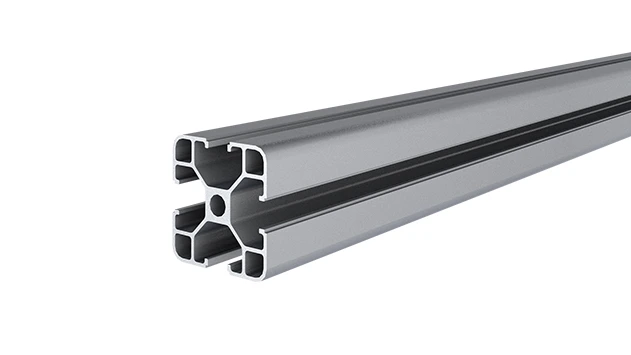
Walk into any medical device manufacturing facility, and you'll quickly notice a world where precision isn't just a goal—it's a necessity. Every tool, every component, and every square inch of space matters, especially in cleanrooms. These controlled environments, where even a single speck of dust can compromise a life-saving device, demand storage solutions that are as reliable as the products they house. For years, manufacturers have grappled with balancing efficiency, compliance, and cleanliness when it comes to racks and workstations. But what if there was a material that could check all those boxes? Enter the 4040A EU standard aluminum profile —a game-changer that's quietly transforming how medical device teams organize, store, and protect their most critical assets.
The Cleanroom Storage Challenge: Why "Good Enough" Isn't Enough
Cleanrooms in medical device manufacturing aren't just about keeping things "clean"—they're about adhering to strict regulatory standards (think ISO 14644 for air cleanliness) and minimizing contamination risks. Traditional storage racks, often made of steel or wood, come with a laundry list of drawbacks. Steel can rust if not properly treated, creating flaky particles that float in the air. Wood, porous by nature, harbors bacteria and is nearly impossible to sanitize thoroughly. Even plastic racks, while lightweight, lack the structural integrity to hold heavy tools or batches of delicate components.
Then there's the issue of flexibility. Medical device production lines are rarely static. A facility might shift from assembling pacemakers one month to surgical instruments the next, requiring storage that can adapt quickly. Rigid, one-size-fits-all racks become liabilities, wasting space and slowing down workflows. And let's not forget about ergonomics—workers spend hours retrieving and organizing materials, so racks need to be accessible, adjustable, and easy to maneuver without straining.
It's a lot to ask for, but the 4040A EU standard aluminum profile wasn't designed to be "good enough." It was built to solve these exact pain points, starting with its core material: aluminum.
Aluminum Extrusion Profile: More Than Just Metal
Aluminum has long been a favorite in industries where durability and lightness matter—aviation, automotive, and now, medical manufacturing. But not all aluminum is created equal. The 4040A EU standard aluminum profile is part of the aluminum extrusion profile family, meaning it's shaped by forcing heated aluminum through a die to create a precise, consistent cross-section. For 4040A, that cross-section is a 40mm x 40mm square—small enough to fit in tight cleanroom spaces but robust enough to support heavy loads.
What makes this profile stand out? Let's break it down:
- Corrosion Resistance: Unlike steel, aluminum forms a natural oxide layer that resists rust and corrosion. In cleanrooms, where frequent sanitization with harsh chemicals (like isopropyl alcohol or hydrogen peroxide) is routine, this is non-negotiable. No more worrying about rust flakes contaminating sterile packaging or sensitive electronics.
- Lightweight Strength: Aluminum is about 30% the weight of steel, making racks easy to install, reconfigure, or move (more on mobility later). Yet, it's surprisingly strong—4040A profiles can support up to 150kg per linear meter, depending on the setup. That's enough to hold stacks of surgical trays, component bins, or even small assembly tools.
- Cleanability: The smooth, non-porous surface of extruded aluminum leaves nowhere for dust, bacteria, or chemicals to hide. A quick wipe with a lint-free cloth and disinfectant is all it takes to keep racks compliant with ISO and FDA standards. No crevices, no splinters, no hassle.
- EU Standards Compliance: The "EU standard" label isn't just a marketing term. 4040A profiles meet strict European quality and safety regulations, ensuring consistency in dimensions, material purity, and performance. For medical device manufacturers operating globally, this compliance simplifies audits and reduces regulatory headaches.
But the real magic of 4040A lies in how it works with aluminum profile accessories to create custom storage solutions tailored to a facility's unique needs.

Aluminum Profile Accessories: Building Blocks of Customization
Imagine trying to build a puzzle with only one type of piece—it's limiting. The same goes for storage racks. What makes the 4040A system so versatile is the wide range of aluminum profile accessories designed to work seamlessly with it. These aren't just add-ons; they're the secret to creating racks that grow and adapt with your production line.
Let's take a closer look at the accessories that matter most in cleanroom settings:
Connectors and Joints: The Glue That Holds It All Together
No more welding or drilling—4040A profiles use T-slot connectors, which slide into the profile's grooves and tighten with a hex key. This means you can assemble a rack in hours, not days, and disassemble or reconfigure it just as quickly. Popular options include 90° angle connectors for corners, 45° connectors for sloped shelves (great for preventing items from sliding), and 135° connectors for more complex designs. For medical facilities, this flexibility is a lifesaver when production needs shift—say, from storing small catheters to larger surgical tools.
End Caps and Covers: Finishing Touches for Cleanliness
Extruded aluminum profiles have open ends, which could trap dust or moisture. Aluminum profile accessories like 4040A end caps snap into place, sealing off those ends and creating a smooth, flush surface. Some even come with rubber gaskets for extra protection against liquid spills—a common concern when cleaning or sanitizing racks.
Roller Track: Smooth Material Flow, Minimized Contamination
In busy cleanrooms, moving materials from storage to assembly lines needs to be fast and friction-free. That's where roller track comes in. These aluminum or plastic tracks, designed to fit into 4040A profiles, allow bins, trays, or component carriers to glide effortlessly. Unlike traditional conveyor belts (which can harbor germs in their crevices), roller tracks have minimal contact points, making them easy to clean. For example, a plastic roller track guide rail grey (a common accessory) blends into cleanroom aesthetics while ensuring smooth, silent movement—no more slamming bins or jarring delicate parts.
Caster Wheels: Mobility Without Compromise
Sometimes, the best storage isn't stationary. Mobile racks with caster wheels let teams move materials directly to assembly stations, reducing foot traffic and the risk of accidental bumps. 4040A profiles pair with heavy-duty, lockable caster wheels (often made of non-marking rubber) that won't scratch cleanroom floors or leave residue. When locked, the wheels stay firmly in place, ensuring racks don't shift during use—a critical safety feature when storing sharp tools or fragile components.
From Parts to System: Building a Lean, Clean Storage Solution
The 4040A profile and its accessories aren't just tools—they're the foundation of a lean system . Lean manufacturing, all about minimizing waste and maximizing value, thrives on organization and adaptability. A 4040A-based rack system aligns perfectly with these principles by:
- Reducing Space Waste: Customizable shelves and vertical storage mean you use every inch of available space, from floor to ceiling.
- Cutting Setup Time: No welding or special tools needed—assemble racks in hours, not days.
- Supporting Visual Management: Open, adjustable shelving makes it easy to see inventory at a glance, reducing time spent hunting for materials.
- Adapting to Change: Add a shelf, extend a roller track, or swap out a caster wheel as needs evolve—no need to buy new racks.
To illustrate, let's compare traditional steel racks with a 4040A aluminum system in a real-world scenario:
| Feature | Traditional Steel Racks | 4040A Aluminum Racks |
|---|---|---|
| Weight (per 1m section) | 15-20kg (hard to move) | 5-7kg (easy to reconfigure) |
| Sanitization Time | 30+ minutes (crevices trap dirt) | 5-10 minutes (smooth surfaces, no crevices) |
| Assembly Complexity | Requires welding/drilling (2-3 days for a rack) | Tool-free T-slot connectors (2-3 hours for a rack) |
| Long-Term Cost | High (replacement due to rust, limited adaptability) | Low (durable, reconfigurable, no replacement needed) |
| Cleanroom Compliance Risk | High (rust, paint chips, hard-to-clean surfaces) | Low (corrosion-resistant, smooth, EU-standard materials) |
The difference is clear: 4040A aluminum racks aren't just a storage solution—they're an investment in efficiency, compliance, and peace of mind.
Beyond Racks: 4040A in the Entire Workflow
While cleanroom racks are a primary use case, the 4040A profile's versatility shines across the entire manufacturing workflow. Take the workbench , for example. A 4040A-based workbench can be customized with adjustable heights, integrated roller tracks for material flow, and even built-in tool holders. Imagine an assembly station where the work surface is at elbow height for comfort, bins of components glide in on roller tracks, and tools hang neatly from overhead 4040A shelves—all in a footprint small enough for a cramped cleanroom.
Or consider turnover trolleys. These wheeled carts, built with 4040A profiles and caster wheels, let teams transport batches of components from storage to assembly lines without lifting. The aluminum frame is lightweight enough for one person to push, yet strong enough to hold 50+ kg of materials. And when not in use, the trolleys can be disassembled or nested to save space—another win for lean manufacturing.
Real-World Impact: A Medical Device Manufacturer's Success Story
To put this all into perspective, let's look at a mid-sized medical device manufacturer that recently switched to 4040A aluminum racks. Prior to the switch, the facility used steel racks that were rusting despite regular painting, taking hours to sanitize, and couldn't be adjusted to fit new, larger component trays. Audits were stressful, with inspectors flagging rust spots and dust buildup as compliance risks.
After consulting with a supplier, the team invested in 4040A profiles, aluminum profile accessories (including roller tracks and caster wheels), and custom workbenches. Within a month, they noticed:
- Sanitization time dropped by 70% (from 30 minutes per rack to 10 minutes).
- Assembly line workers reported less strain, thanks to adjustable, mobile racks.
- Audits became smoother—no more rust or dust-related citations.
- Reconfiguring racks for new products took hours instead of days, reducing downtime.
The facility's operations manager summed it up: "We used to see racks as just 'storage.' Now, with 4040A, they're part of our quality control. When your storage is reliable, everything else—from assembly to compliance—gets easier."
Maintaining 4040A Racks: Simple Steps for Longevity
Like any equipment, 4040A aluminum racks need basic care to stay in top shape—though "care" here is refreshingly simple:
- Regular Cleaning: Wipe down profiles and accessories with a mild detergent or disinfectant (avoid abrasive sponges that could scratch the surface).
- Check Connections: Tighten T-slot connectors occasionally, especially if racks are moved frequently. Loose connectors can compromise stability.
- Lubricate Roller Tracks: A drop of food-grade lubricant on roller axles ensures smooth movement—just be sure to wipe away excess to prevent attracting dust.
- Inspect Caster Wheels: Clean debris from wheel bearings and check locks for wear. replace wheels if they start to stick or leave marks.
With these steps, a 4040A rack system can last 10+ years—far longer than traditional steel or wood alternatives.
Why 4040A EU Standard Aluminum Profile is the Future of Cleanroom Storage
Medical device manufacturing is a field where innovation can't wait. Every day, teams work to create products that save lives, and they deserve tools that keep up. The 4040A EU standard aluminum profile isn't just a rack material—it's a partner in precision. It's corrosion-resistant for cleanliness, lightweight for flexibility, and adaptable for evolving needs. Paired with aluminum profile accessories , roller tracks , and caster wheels , it transforms cluttered, rigid cleanrooms into efficient, compliant spaces where workers can focus on what matters: making life-saving devices.
So, if you're tired of wrestling with rusty racks, dreading audits, or watching your team waste time on inefficient storage, it might be time to explore the 4040A difference. After all, in medical manufacturing, "good enough" isn't an option—and neither should your storage be.