- Company Articles
- Industry articles
- Industry standards
- Medical Device Manufacturing with 2020r EU Standard Aluminum Profile: Sterility & Compliance

Medical Device Manufacturing with 2020r EU Standard Aluminum Profile: Sterility & Compliance
Related Product
2020R EU Standard Aluminum Profile
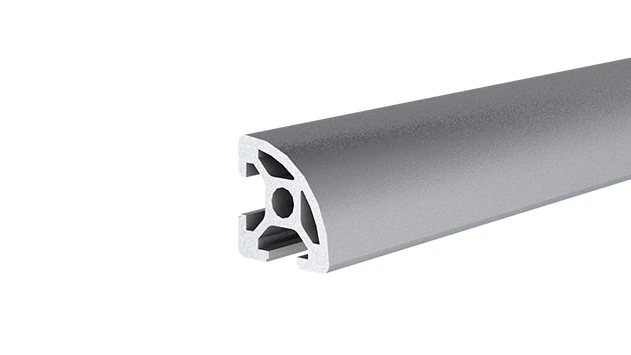
2020R is a 2.00 x 2.00CM fractional 20 series square extrusion T-slot profile with four open T-slots, two side with 2.00cm face, the other side with round face. The profile has align-a-grooves to assist in aligning connecting profiles.
Walk into any medical device manufacturing facility, and you'll feel it immediately—the quiet hum of precision, the weight of responsibility. Every tool, every surface, every component carries the unspoken mission: to create products that don't just work, but save lives. In this high-stakes world, two words loom larger than most: sterility and compliance . Miss the mark on either, and the consequences ripple far beyond production lines—they risk patient safety, regulatory penalties, and the trust of healthcare providers worldwide.
But here's the thing: achieving sterility and compliance isn't just about following rules. It's about choosing the right building blocks. And in recent years, one material has emerged as a game-changer for forward-thinking manufacturers: the 2020r EU standard aluminum profile . This isn't just another metal bar—it's a foundation for systems that blend rigidity with flexibility, cleanliness with adaptability, and regulatory peace of mind with day-to-day practicality. Let's dive into why this profile has become the backbone of modern medical device manufacturing, and how it's redefining what's possible in sterile, compliant production environments.
The Hidden Challenges of Medical Device Manufacturing
Manufacturing medical devices isn't like assembling consumer goods. When you're building something that touches a patient's heart, spine, or bloodstream, "good enough" doesn't exist. Consider this: a single microscopic contaminant on a surgical instrument could lead to an infection. A tiny gap in a work surface could trap bacteria, evading even the most rigorous cleaning protocols. And if your production setup isn't documented, traceable, or aligned with EU regulations like the Medical Device Regulation (MDR) or ISO 13485, you could face shutdowns, fines, or worse—your products barred from the market.
Traditional materials often fall short here. Stainless steel, while durable, is heavy and expensive to customize. Plastic workbenches scratch easily, creating crevices for germs. Even some aluminum profiles, if not EU-standard, might contain impurities or lack the structural integrity to support precise workflows. What manufacturers need is a material that's not just strong, but smart —one that addresses sterility at the molecular level, simplifies compliance through consistency, and adapts as production needs evolve.
Why Materials Matter: The Unsung Hero of Sterile Production
Think of your production line as a ecosystem. Every component, from the conveyor belts to the workbenches, plays a role in maintaining sterility. But none are more critical than the materials that form the "bones" of your facility—the profiles, frames, and structures that everything else attaches to. These materials don't just hold tools; they set the standard for how easy (or hard) it is to keep your space clean, compliant, and efficient.
Enter the 2020r EU standard aluminum profile. Unlike generic aluminum, this profile is engineered to meet strict European standards for purity, finish, and performance. It's extruded with precision, ensuring uniform dimensions and a smooth, non-porous surface. No rough edges, no hidden pores—just a material that resists corrosion, repels contaminants, and stands up to the harsh cleaning agents (like hydrogen peroxide or alcohol) used in sterile environments. But its benefits go beyond the physical: because it's EU-standard, it comes with documentation, traceability, and third-party certifications—exactly what auditors look for when verifying compliance.

2020r EU Standard Aluminum Profile: What Makes It Unique?
Let's get specific. The "2020r" in the name refers to its dimensions: 20mm x 20mm, with a rounded (r) edge design. This isn't arbitrary. The compact size makes it ideal for building modular workstations, racks, and frames without wasting space—critical in labs and cleanrooms where square footage is precious. The rounded edges, meanwhile, eliminate sharp corners that could snag gloves, damage delicate components, or collect dirt. But the real magic is in the details:
- High-Purity Aluminum Alloy: The 2020r profile is made from 6063-T5 aluminum, a alloy known for its corrosion resistance and smooth finish. It's free from heavy metals or impurities that could leach into products or contaminate sterile zones.
- Anodized Surface Treatment: Most 2020r profiles undergo anodization—a process that creates a hard, protective oxide layer on the surface. This layer is non-reactive, non-porous, and incredibly easy to clean. Unlike painted surfaces, it won't chip or flake, ensuring long-term sterility.
- EU Compliance Built In: From raw material sourcing to extrusion, every step of production is audited to meet EU standards. This means manufacturers get a material with batch-specific certificates, test reports, and traceability—documents that make regulatory audits feel less like interrogations and more like check-ins.
Sterility: Beyond Wiping Down Surfaces
Sterility in medical manufacturing isn't a one-time event—it's a continuous process. Cleaning protocols, UV disinfection, and HEPA filtration all play roles, but they're only as effective as the surfaces they're treating. This is where the 2020r aluminum profile shines. Let's break down how it supports sterility:
1. Non-Porous, Non-Reactive Surfaces
Bacteria, viruses, and fungi love porous materials—they nestle into tiny gaps and multiply. The anodized surface of 2020r profiles leaves nowhere to hide. Wiping with a disinfectant cloth or spraying with hydrogen peroxide solution isn't just cleaning—it's eliminating pathogens on contact. Even after thousands of cleanings, the surface remains smooth and unbroken, unlike plastic or painted steel which degrade over time.
2. Resistance to Harsh Chemicals
Medical cleanrooms use aggressive cleaners: alcohol, bleach, quaternary ammonium compounds (QACs), and more. Generic aluminum might corrode or discolor under these chemicals, but 2020r's anodized layer is impervious. This means you can sanitize as often as needed without damaging your infrastructure—a must for high-risk production lines.
3. Seamless Integration with Cleanroom Design
Traditional workbenches often have joints, bolts, or welds that create gaps. The 2020r profile, paired with aluminum profile accessories like end caps, T-slot covers, and flush connectors, eliminates these gaps. Imagine a workbench where every corner is rounded, every edge is sealed, and there's nowhere for dust or liquids to pool. That's the 2020r difference.
Compliance: Turning Regulatory Headaches into Checklists
Regulatory compliance isn't just about avoiding fines—it's about proving to patients, auditors, and partners that you take safety seriously. The 2020r EU standard aluminum profile simplifies this in three key ways:
1. Traceability You Can Trust
EU regulations demand that every component in your production line is traceable—from raw materials to finished products. 2020r profiles come with batch numbers, material certificates (including RoHS and REACH compliance), and test reports for mechanical properties (like tensile strength and hardness). When an auditor asks, "Where did this profile come from?" you won't be scrambling for paperwork—it's all there, organized and verifiable.
2. Consistency Across Production
ISO 13485, the gold standard for medical device quality management, emphasizes consistency. If your workbenches, racks, or frames vary in material or finish, it's harder to standardize cleaning protocols or validate processes. 2020r profiles are extruded to tight tolerances—meaning every 20mm x 20mm section is identical. This uniformity reduces variables, making it easier to document and replicate sterile workflows.
3. Adaptability Without Compromise
Medical device manufacturing is dynamic. New products, updated standards, or sudden demand spikes can require reconfiguring production lines. The 2020r profile's modular design lets you adjust layouts quickly—adding a shelf here, extending a workbench there—without sacrificing compliance. Since the profile and its accessories are EU-standard, even modified setups remain traceable and auditable.
How 2020r Aluminum Stacks Up: A Quick Comparison
| Feature | 2020r EU Standard Aluminum Profile | Stainless Steel | Plastic Workbenches |
|---|---|---|---|
| Sterility | Non-porous, anodized surface; easy to disinfect; no crevices for bacteria | Durable but heavy; welds may trap contaminants | Prone to scratching; porous over time; may harbor germs |
| Compliance | EU-standard, fully traceable; batch certificates and test reports included | Compliant but costly; customization may require re-certification | Often lacks EU-specific certifications; material purity hard to verify |
| Flexibility | Modular; easy to reconfigure with aluminum profile accessories | Rigid; expensive to modify | Light but fragile; not ideal for heavy equipment |
| Cost (Long-Term) | Mid-range upfront; low maintenance; lasts 10+ years | High upfront; high installation costs | Low upfront; needs replacement every 2–3 years |
Practical Applications: From Workbenches to ESD Workstations
Enough theory—let's talk real-world use. The 2020r aluminum profile isn't just a material; it's a toolkit for building the sterile, compliant systems medical manufacturers need. Here are three common applications:
1. Cleanroom Workbenches
A typical medical device cleanroom needs workbenches that are sturdy, easy to clean, and adaptable. With 2020r profiles, you can build workbenches with adjustable heights, integrated lighting, and even built-in tool holders—all without compromising sterility. Add a stainless steel or aluminum honeycomb top, seal the edges with T-slot rubber covers, and you've got a surface that stands up to daily wipe-downs and UV disinfection.
2. ESD Workstations for Sensitive Components
Many medical devices, like pacemakers or imaging equipment, contain sensitive electronics. Static electricity can damage these components, making ESD workstations a must. 2020r profiles, when paired with conductive accessories (like ESD-safe casters or grounding clips), create workstations that dissipate static charges safely. The anodized surface even helps—unlike plastic, aluminum conducts electricity, reducing static buildup in the first place.
3. Material Racks and Flow Systems
Organizing tools, parts, and supplies in a sterile environment is tricky. 2020r profiles make it easy to build custom racks with adjustable shelves, flow rails (for gravity-fed part delivery), and even mobile trolleys. Since the profiles are lightweight but strong, these racks can be moved (with sterile casters) without damaging floors or compromising stability—perfect for lean, just-in-time production.
Enhancing Functionality: Aluminum Profile Accessories That Matter
A profile is only as good as its accessories. The 2020r system includes a range of EU-standard add-ons that turn basic frames into fully functional, sterile workspaces. Here are a few standouts:
- Anodized End Caps: Seal the ends of profiles to prevent dust, liquids, or debris from entering T-slots. Available in matching aluminum finishes for a seamless look.
- Flush Connectors: Join profiles without protruding bolts, eliminating gaps where bacteria could hide. These connectors are designed for quick assembly and disassembly, supporting modular workflows.
- T-Slot Rubber Covers: Fill T-slots (the grooves in aluminum profiles) to create a smooth, non-porous surface. Available in medical-grade silicone, they're heat-resistant and easy to clean.
- Adjustable Feet: Level workbenches or racks on uneven floors, ensuring stability and preventing rocking (which can damage delicate components).
These accessories aren't just "extras"—they're critical for maintaining sterility and compliance. A T-slot left uncovered, for example, could trap cleaning solution, leading to bacterial growth. With the right accessories, the 2020r system becomes a closed loop, leaving no room for compromise.
Lean Systems and 2020r Aluminum: A Match Made in Manufacturing Heaven
Many medical device manufacturers adopt lean system principles to eliminate waste, improve efficiency, and reduce costs. Lean thrives on organization, standardization, and continuous improvement—all areas where the 2020r aluminum profile excels. Here's how they work together:
Lean demands that every tool and part has a "home." With 2020r profiles, you can build custom shadow boards, tool racks, and part bins that keep everything visible and accessible—no more hunting for misplaced instruments. Standardization? The modular design ensures every workstation is identical, so operators can move between lines with minimal training. And when processes need improvement (a core lean tenet), the profile's adaptability lets you tweak layouts without disrupting production.
Perhaps most importantly, lean systems rely on data—tracking cycle times, error rates, and waste. The 2020r profile's consistency makes it easier to collect reliable data. If a process bottleneck emerges, you can trace it to workflow, not to uneven work surfaces or unstable racks. In short, 2020r aluminum doesn't just support lean—it enables it.
The Bottom Line: Investing in Sterility, Compliance, and Peace of Mind
Medical device manufacturing is a balancing act: you need to build products that save lives, meet regulations, and stay competitive in a fast-paced market. The 2020r EU standard aluminum profile isn't just a material—it's a partner in this balancing act. It delivers sterility through non-porous, easy-to-clean surfaces; compliance through traceability and consistency; and flexibility through modular design. When paired with aluminum profile accessories, workbenches, ESD workstations, and lean systems, it becomes the foundation of a production line that's not just efficient, but trustworthy .
At the end of the day, every decision in medical manufacturing comes back to one question: "Is this in the best interest of the patient?" With 2020r aluminum, the answer is a resounding yes. It's a choice that says, "We care about the details. We care about safety. And we're building systems that reflect that."
So, if you're ready to move beyond the limitations of traditional materials—if you want to turn sterility and compliance from stressors into strengths—look no further than the 2020r EU standard aluminum profile. Your production line, your auditors, and most importantly, your patients, will thank you.